1855 Smyth Brothers Dufourspitze Monte Rosa First Ascent
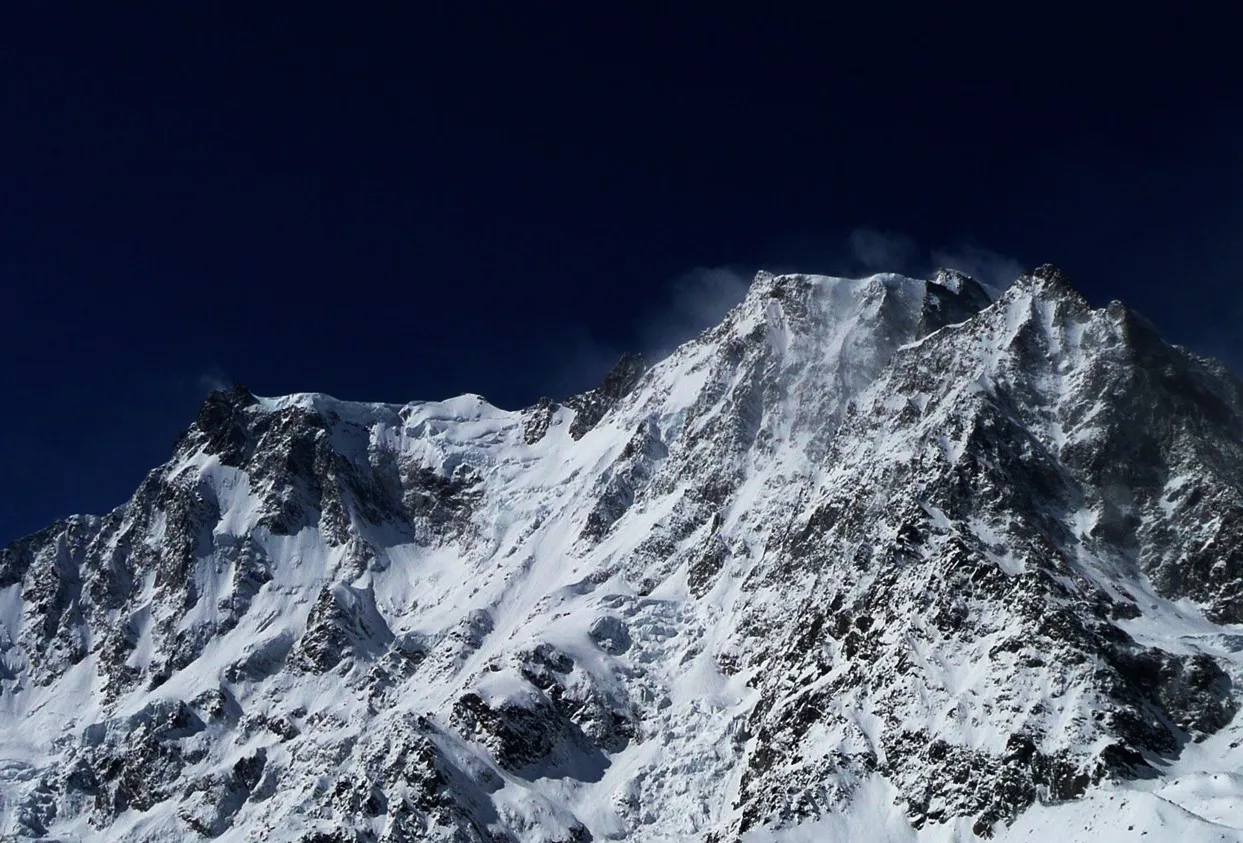
On August 1, 1855 — eight years before the Matterhorn and a decade before the peak of the Golden Age — a British team of five led by the brothers J.G. and C. Smyth with Zermatt guides Matthäus Zumtaugwald and Ulrich Lauener completed the first ascent of the Dufourspitze, the highest summit in Switzerland and the second-highest peak in the Alps.
Mountain Safety & Conditions Disclaimer: High-altitude climbing, glacial travel, and technical ascents entail severe objective risks including avalanches, serac collapses, rapid weather collapse, and altitude illness. Historical route descriptions and summit claims on Mountanity reflect documented archival sources and must not be used as live operational safety assessments. Local regulations, permits, and physical glacial topography change continuously.
Peer Review: Senior Editorial Board & Historical Reviewers • Editorial Standards
Official Expedition Narrative & Archival Record
In the summer of 1855, the great peaks of the Alps were falling one by one to British climbers and their Swiss and Savoyard guides. The Dufourspitze — the crowning summit of the vast Monte Rosa massif on the Swiss-Italian border above Zermatt — had been approached and studied for several years without success. At 4,634 metres, it surpassed every other summit in Switzerland and all the Alps save Mont Blanc itself. A British party of five — the brothers John George Smyth and Christopher Smyth, along with Edward John Stevenson and two companions — engaged the powerful Zermatt guides Matthäus Zumtaugwald, his brother Johannes, Ulrich Lauener, and Johann and Stephan Biner for the attempt in late July 1855. The party departed Zermatt and established a camp high on the Gorner Glacier, studying the approaches to the Monte Rosa massif. The upper mountain demanded technical glacier navigation through a maze of crevasses and seracs on the Grenzgletscher before the final steep snow and ice slopes below the Dufourspitze's rocky summit pyramid. On the morning of August 1, 1855 — Swiss national day — the party climbed through the predawn dark and reached the summit in the early afternoon. From the 4,634-metre crest of Switzerland, they could see across the entire chain of the Pennine Alps: the Matterhorn's pyramid rising to the west, the Bernese giants of the Jungfrau and Finsteraarhorn to the north, Mont Blanc hidden behind the Dent Blanche to the south-west, and the plains of Lombardy stretching endlessly south. The first ascent of the Dufourspitze predated the Matterhorn first ascent by a full decade and marked an important moment in the systematic conquest of the great Swiss summits that would consume the Alpine Club's ambitions through the Golden Age. The peak was subsequently named in honor of Guillaume-Henri Dufour, the Swiss general who had completed the first modern topographic map of Switzerland, recognizing both his scientific achievement and his role as a symbol of Swiss national unity.
Documented Team Composition
- J.G. Smyth (Co-Leader, United Kingdom)
- C. Smyth (Co-Leader, United Kingdom)
- Edward John Stevenson (Climber, United Kingdom)
- Matthäus Zumtaugwald (Senior Guide, Switzerland)
- Ulrich Lauener (Guide, Switzerland)
- Johann Biner (Guide, Switzerland)
- Stephan Biner (Guide, Switzerland)
- Johannes Zumtaugwald (Guide, Switzerland)
Key Statistics & Topographic Figures
- Summit Date
- August 1, 1855
- Summit Altitude
- 4,634 m (15,203 ft) — Swiss High Point
- Massif
- Monte Rosa (Pennine Alps)
- Team Size
- 8 climbers (3 British, 5 Swiss guides)
Archival Primary Source Quotations
“We stood upon the highest pinnacle of Switzerland, surrounded by an ocean of peaks gleaming in the morning light.”
Defined Alpine Terminology & Concepts
- Sattel
- The high glaciated col at 4,359 m between the west ridge and the final rock crest of the Dufourspitze.
- Grenzgletscher
- The 'Border Glacier', a massive tributary glacier flowing from the Monte Rosa crest into the Gorner Glacier.
Frequently Asked Questions: 1855 Smyth Brothers Dufourspitze Monte Rosa First Ascent
What was the 1855 Dufourspitze first ascent expedition?
On August 1, 1855, a British-Swiss party led by John and Christopher Smyth with guide Ulrich Lauener achieved the first ascent of the Dufourspitze (4,634 m).
What is the Dufourspitze?
The Dufourspitze is the highest summit in Switzerland and the second-highest peak in the Alps, crowning the Monte Rosa massif.
What glacier route did the 1855 team ascend?
The team crossed the heavily crevassed Grenzgletscher and ascended the west ridge from the Sattel col.
Who was the lead Swiss guide on the 1855 Dufourspitze ascent?
Ulrich Lauener of Lauterbrunnen and Matthäus Zumtaugwald of Zermatt were the senior guides leading the party.
Why was the summit named Dufourspitze?
It was named by the Swiss Federal Council in honor of General Guillaume-Henri Dufour, director of the national topographic survey.
How long did the 1855 climb take from Zermatt?
The party spent two days, bivouacking on the moraine of the Gorner Glacier before making their summit push.
What was the weather during the 1855 Dufourspitze summit?
The climbers enjoyed crystal-clear skies on Swiss National Day, gazing out across Lombardy and the Mont Blanc massif.
What is the historical significance of the 1855 climb?
It conquered the highest crest in the Swiss Confederation and spurred the golden decade of alpine first ascents.
Target Objective Peak
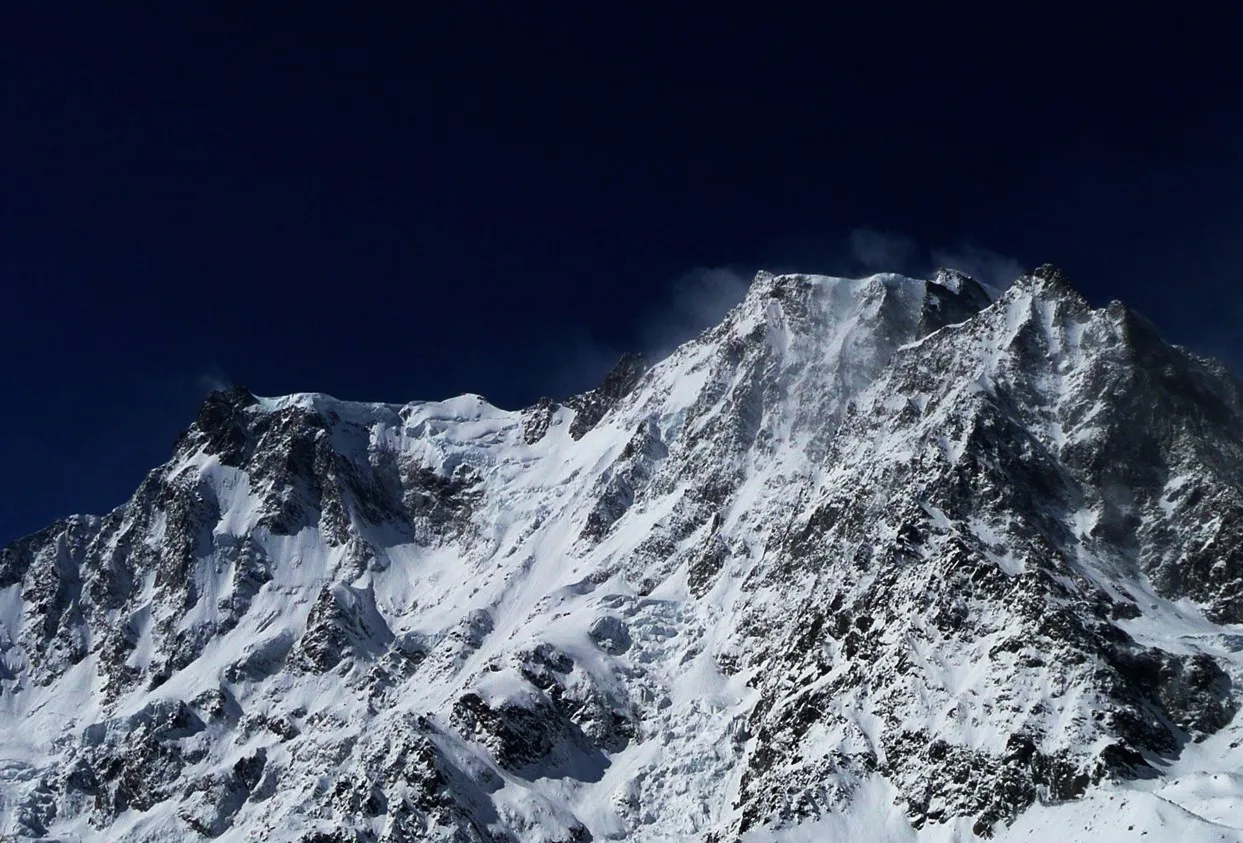


Dufourspitze
The Dufourspitze (4,634 m / 15,203 ft) is the highest peak in Switzerland and the second-highest summit in the Alps, surpassed only by Mont Blanc. It forms the crowning summit of the Monte Rosa massif, a vast fortress of Pennine granite straddling the Swiss-Italian border above Zermatt and Gressoney. Named in honor of Guillaume-Henri Dufour, the Swiss Federal Army general who created the first modern topographic map of Switzerland, the Dufourspitze was first climbed on August 1, 1855, by a party led by the brothers J.G. and C. Smyth with guides Matthäus and Johannes Zumtaugwald, Ulrich Lauener, and Johann and Stephan Biner.
Featured Expedition Climber
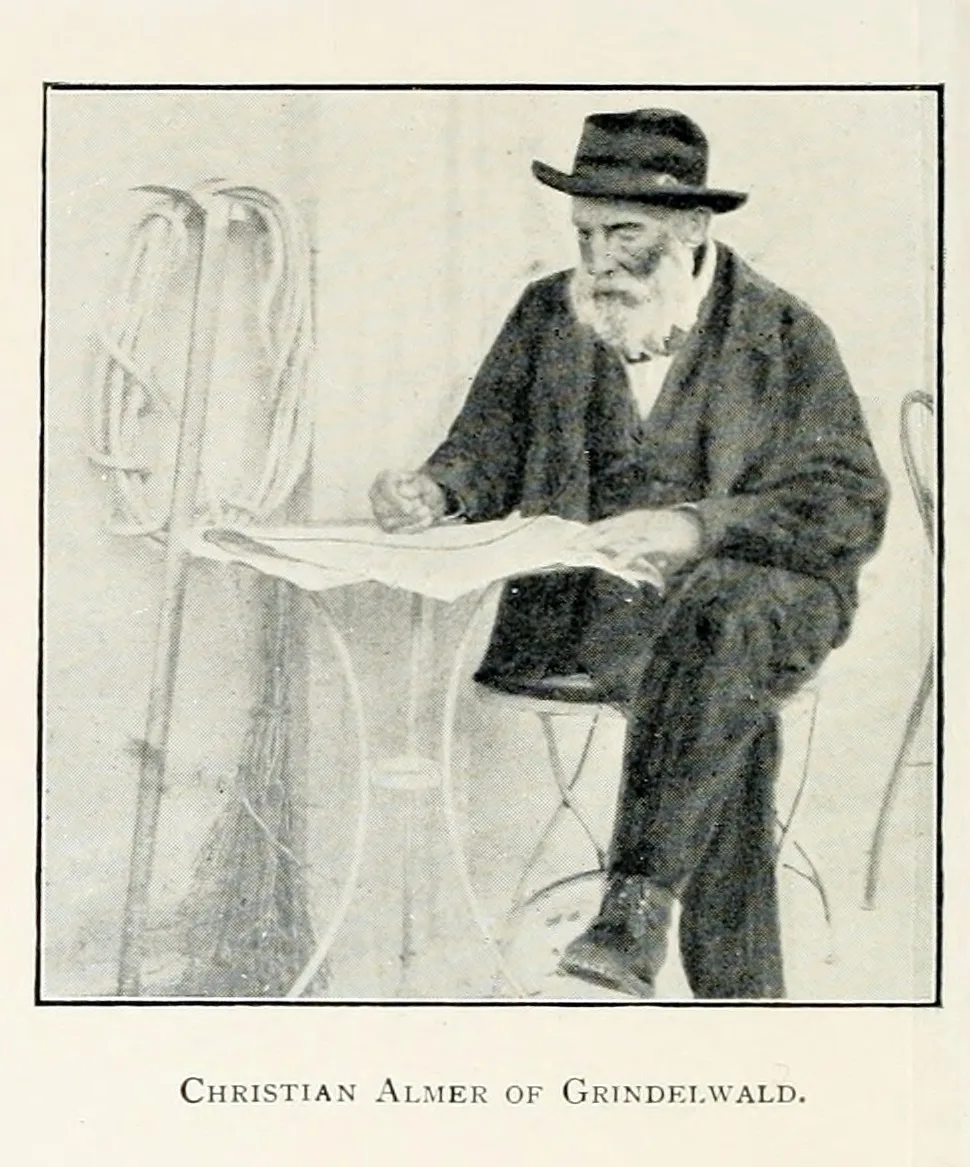
Christian Almer
Born on February 15, 1826, in Grindelwald at the foot of the Bernese Oberland's greatest limestone walls, Christian Almer grew up in a farming family whose sons had guided hunters and chamois stalkers across the high passes since the days of Napoleon. From his youth, Almer showed an uncanny instinct for snow and ice, learning the treacherous crevasse systems of the Grindelwald glaciers by heart before he was twenty. In 1854, Almer assisted Alfred Wills on the ascent of the Wetterhorn above Grindelwald, the climb widely credited with launching the Golden Age of Alpinism and inspiring the founding of the Alpine Club. Over the following twenty years, Almer became the most sought-after guide in the Alps, his calm authority and extraordinary physical strength drawing the most ambitious British climbers to Grindelwald at the start of each summer season. He made the first ascent of the Eiger's straightforward West Flank with Charles Barrington in 1858, and three years later pioneered a route up the fearsome Schreckhorn, one of the sharpest and most remote summits in the Bernese Alps. In August 1864, Almer joined Edward Whymper in the French Alps, and together they made the first ascent of the Barre des Écrins, the highest summit in the Dauphiné Alps. In the summer of 1865, during the extraordinary final culmination of the Golden Age, Almer guided Whymper's team up the Aiguille Verte above Chamonix, a spectacular ascent completed just days after Whymper's tragic Matterhorn triumph. Almer retired from active guiding in the 1890s and lived to the remarkable age of 72, surviving to see his grandsons continue his guiding dynasty. He died in Grindelwald on January 12, 1898, with an unmatched record of first ascents across the Bernese Oberland, Pennine Alps, and Dauphiné, all accomplished without a single client fatality.
Associated Historical Chronicles & Stories
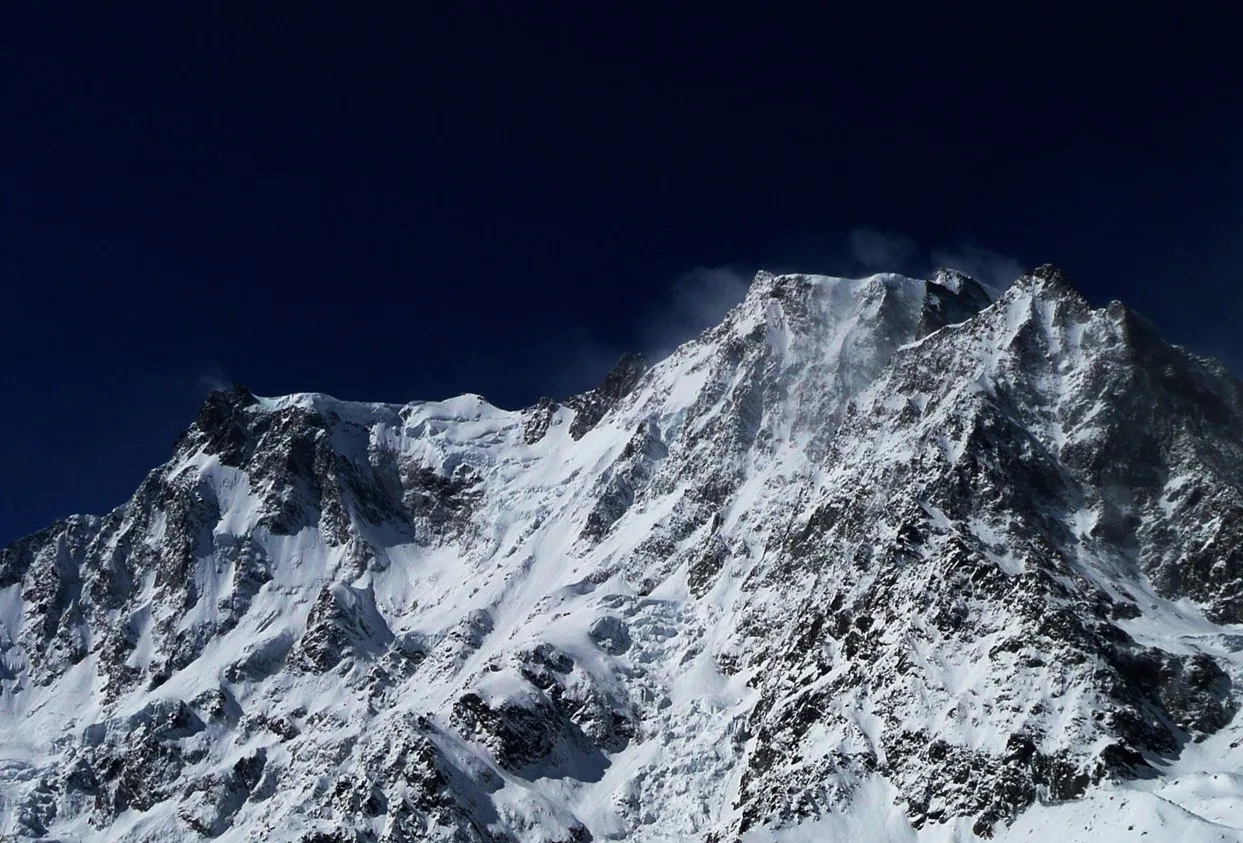
Crowning Monte Rosa: The 1855 First Ascent of Switzerland Highest Peak
On August 1, 1855, the Smyth brothers and pioneering Valais guides conquered the icy labyrinth of the Grenzgletscher and west ridge to complete the first ascent of the Dufourspitze, the highest summit in Switzerland.
Documented Sources & Archival Citations
- The Alpine Journal: First Ascent of the Dufourspitze (1855)(The Alpine Club, London)
Supporting claim: Official Alpine Club record and Smyth brothers' expedition report of the August 1, 1855 first ascent of the Dufourspitze
Accessed/Documented: 2026 - The Pennine Alps West: An Alpine Club Guide(Robin Collomb / Alpine Club Guidebooks)
Supporting claim: Historical and technical information on the Monte Rosa massif and the Dufourspitze first ascent routes
Accessed/Documented: 2026 - Scrambles Amongst the Alps in the Years 1860–69(Edward Whymper / John Murray, London)
Supporting claim: Historical context for the systematic conquest of the great Swiss summits that the Dufourspitze first ascent helped inspire
Accessed/Documented: 2026