1898 Sir William Martin Conway Illimani Historic First Ascent Expedition
On September 21, 1898, British explorer Sir William Martin Conway alongside Italian Alpine guides Antoine Maquignaz and Jean-Antoine Pellissier achieved the historic first ascent of Nevado Illimani (6,438 m). Overcoming extreme cold, altitude sickness, and knife-edge snow cornices, Conway conquered the monarch of the Cordillera Real and conducted the first scientific surveys of the Bolivian Andes.
Mountain Safety & Conditions Disclaimer: High-altitude climbing, glacial travel, and technical ascents entail severe objective risks including avalanches, serac collapses, rapid weather collapse, and altitude illness. Historical route descriptions and summit claims on Mountanity reflect documented archival sources and must not be used as live operational safety assessments. Local regulations, permits, and physical glacial topography change continuously.
Peer Review: Senior Editorial Board & Historical Reviewers • Editorial Standards
Official Expedition Narrative & Archival Record
In the late winter of 1898, eminent British mountaineer and art historian Sir William Martin Conway arrived in Bolivia after an arduous overland journey across South America. His objective was the unclimbed crown of the Cordillera Real: Nevado Illimani (6,438 m), the snow-draped granitic colossus that dominated the skyline of La Paz. Accompanied by two celebrated Italian mountain guides from the Val Tournanche, Antoine Maquignaz and Jean-Antoine Pellissier, Conway established Base Camp near the indigenous hamlet of Pinaya at 4,500 metres. Overcoming initial hostility from local Aymara villagers who considered the mountain sacred, Conway hired native porters to carry heavy flannel tents and scientific surveying equipment to a rocky eagle's perch at 5,550 metres—the now-legendary Nido de Cóndores. On September 21, 1898, roped together in freezing pre-dawn darkness, Conway, Maquignaz, and Pellissier navigated the labyrinthine crevasses of the western glacier. Cutting hundreds of steps with long wooden ice axes up a steep 50-degree firn headwall, they breached the bergschrund and stepped onto the knife-edge summit crest. At midday, battling debilitating hypoxia, they reached Pico Sur at 6,438 metres, claiming the first ascent of Illimani. Conway conducted barometric and photographic observations before executing a meticulous descent, marking the true dawn of high-altitude scientific mountaineering in Bolivia.
Documented Team Composition
- Sir William Martin Conway (Expedition Leader & Alpinist, United Kingdom)
- Antoine Maquignaz (Lead Alpine Guide, Italy)
- Jean-Antoine Pellissier (Alpine Guide, Italy)
Key Statistics & Topographic Figures
- Summit Elevation
- 6,438 m (21,122 ft, Pico Sur)
- First Ascent Date
- September 21, 1898
- Climbing Team
- Sir William Martin Conway, Antoine Maquignaz, Jean-Antoine Pellissier
- High Camp
- Nido de Cóndores (5,550 m)
- Range Prominence
- 2,451 m (Ultra-prominent peak)
Archival Primary Source Quotations
“Illimani is the crown of the Cordillera Real, towering above the clouds like an imperial dome of ice.”
Defined Alpine Terminology & Concepts
- Achachila
- An ancestral tutelary deity in Andean Aymara mythology residing in high glaciated summits, providing protection and controlling weather.
- Nido de Cóndores
- A spectacular natural rock spur aerie perched at 5,550 metres between two massive hanging glaciers on Illimani's western flank.
Frequently Asked Questions: 1898 Sir William Martin Conway Illimani Historic First Ascent Expedition
Who made the first ascent of Nevado Illimani in 1898?
British explorer Sir William Martin Conway alongside Italian Alpine guides Antoine Maquignaz and Jean-Antoine Pellissier achieved the first ascent on September 21, 1898.
What route did Sir William Martin Conway climb on Illimani?
They pioneered the South Ridge Normal Route from Pinaya, establishing high camp at Nido de Cóndores (5,550 m) before ascending the 50-degree firn arête to Pico Sur (6,438 m).
Why is Nevado Illimani sacred to local indigenous communities?
To the native Aymara people, Illimani is revered as a powerful Achachila mountain god whose weather and glacier streams sustain the valleys of La Paz.
What scientific contributions did Conway achieve on Illimani?
Conway completed the first modern barometric and triangulated elevation measurements in the Cordillera Real and photographed unexplored glaciers.
Ascent Route & Topography
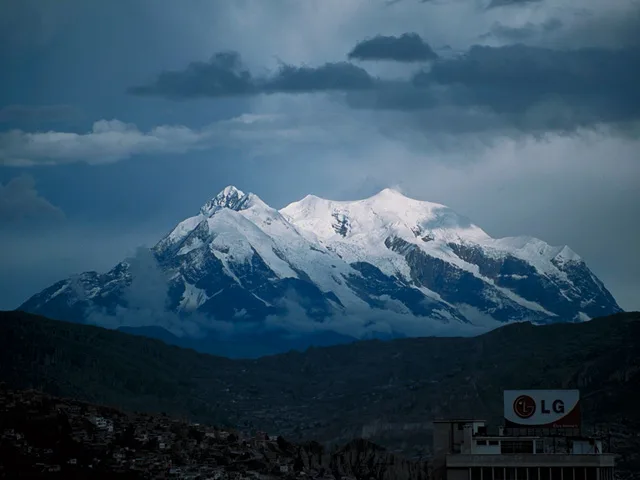
Illimani South Ridge Normal Route
The South Ridge Normal Route of Nevado Illimani is the classic high-altitude line ascending the southern monarch of the Cordillera Real to 6,438 metres. First climbed in September 1898 by Sir William Martin Conway and Swiss guides Antoine Maquignaz and Jean-Antoine Pellissier, the route traverses hanging glaciers and the famous Nido de Cóndores aerie before conquering an exposed 50-degree knife-edge summit arête.
Target Objective Peak
Illimani
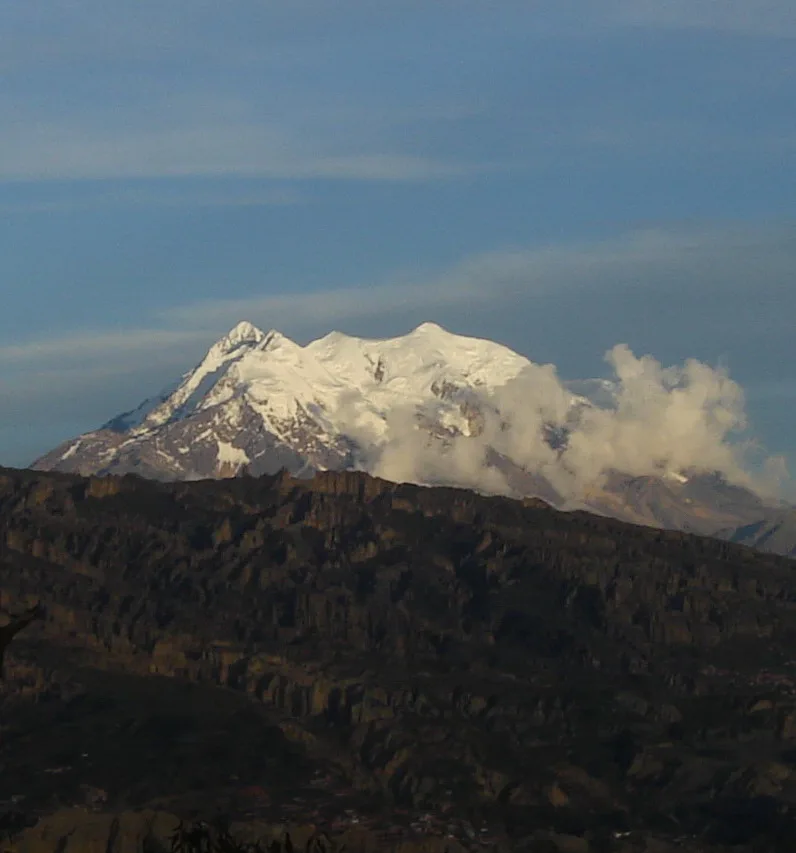
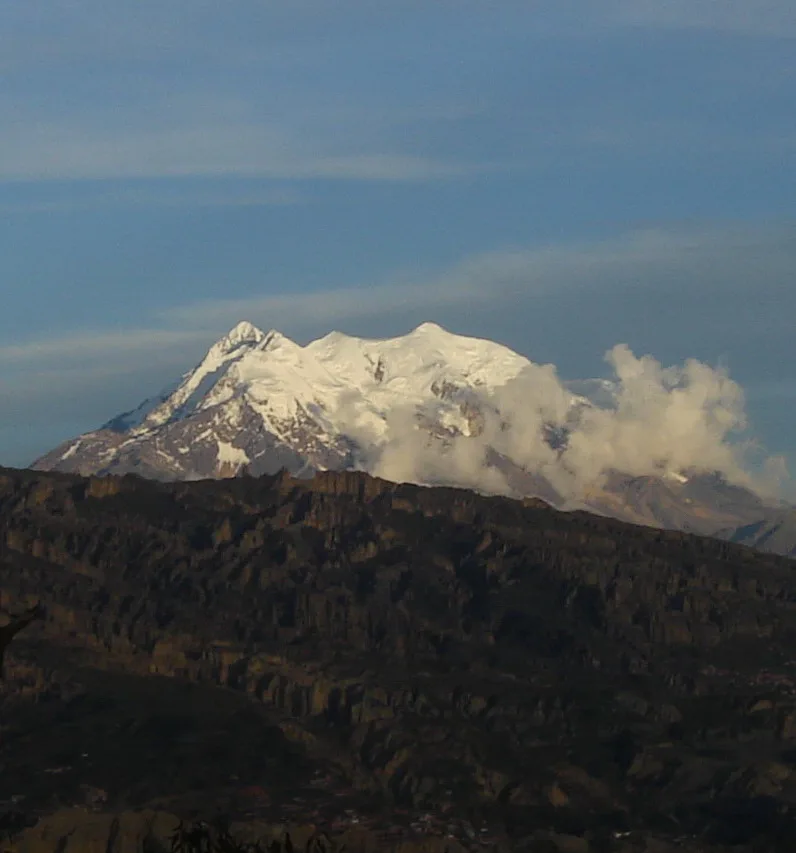
Nevado Illimani is the iconic 6,438-metre monarch of the Cordillera Real, towering dramatically over the city of La Paz and the Bolivian Altiplano. First climbed in September 1898 by British explorer Sir William Martin Conway alongside Swiss guides Antoine Maquignaz and Jean-Antoine Pellissier, the mountain features four distinct summits linked by knife-edge glaciated ridges. Its immense southern and eastern faces drop precipitously toward the Amazon basin.
Featured Expedition Climber
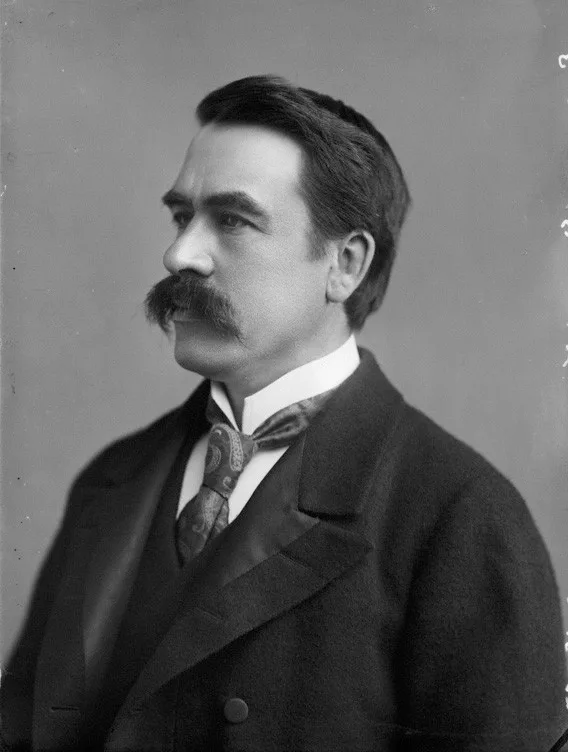
Sir William Martin Conway
Born on April 12, 1856, in Rochester, Kent, William Martin Conway was educated at Repton School and Trinity College, Cambridge. Combining an illustrious academic career in art history with a passion for mountain exploration, Conway joined the Alpine Club in 1877 and rapidly became one of Britain's most prolific exploratory mountaineers. In 1892, Conway led the groundbreaking British Karakoram Expedition, exploring the length of the Baltoro Glacier, naming the glacial junction Concordia, and ascending Pioneer Peak (6,890 m) on the Golden Throne ridge, setting a world altitude record for its era. In 1896 and 1897, Conway led the first recorded inland crossing of Spitsbergen in the Arctic archipelago of Svalbard. Turning his gaze to South America in 1898, Conway organized an ambitious expedition to the Bolivian Andes. Accompanied by experienced Italian guides Antoine Maquignaz and Jean-Antoine Pellissier from the Val Tournanche, Conway explored the Cordillera Real. On September 21, 1898, after battling thin air, brittle firn, and icy gales, Conway, Maquignaz, and Pellissier stood atop the 6,438-metre Pico Sur of Nevado Illimani, completing the first ascent of the mountain that dominated La Paz. Conway followed this feat by attempting Mount Aconcagua in Argentina, reaching its false summit, and conducting surveying across Tierra del Fuego. Conway served as Slade Professor of Fine Art at Cambridge, President of the Alpine Club from 1902 to 1904, and Member of Parliament. Raised to the peerage as Baron Conway of Allington in 1931, he passed away in London in 1937, remembered as a giant of Victorian global exploration.
Associated Historical Chronicles & Stories
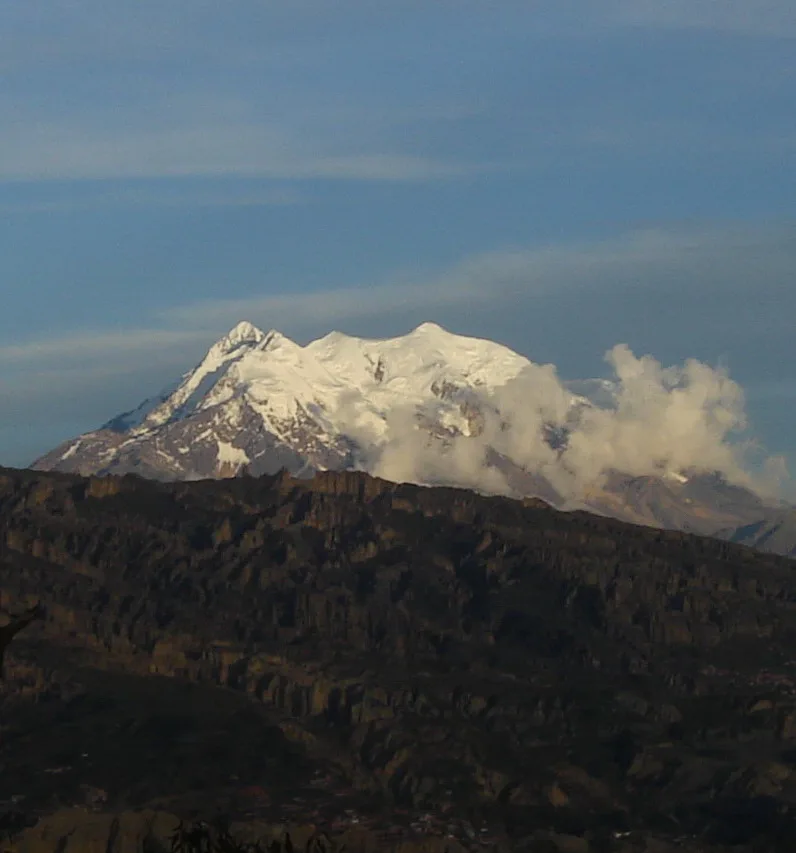
Conway upon Illimani: The 1898 Conquest of Bolivia's Monarch
On September 21, 1898, Victorian explorer Sir William Martin Conway and his Italian guides conquered Nevado Illimani (6,438 m), unlocking the roof of the Cordillera Real.
Documented Sources & Archival Citations
- The Bolivian Andes: A Record of Climbing and Exploration in the Cordillera Real(Sir William Martin Conway / Harper & Brothers)
Supporting claim: Firsthand expedition journal and cartographic survey of the 1898 Illimani first ascent
Accessed/Documented: 1901 - Geographical Journal: Explorations in the Bolivian Andes(Royal Geographical Society)
Supporting claim: Scientific and topographic report of Conway's expeditions in the Cordillera Real
Accessed/Documented: 1899