Illimani
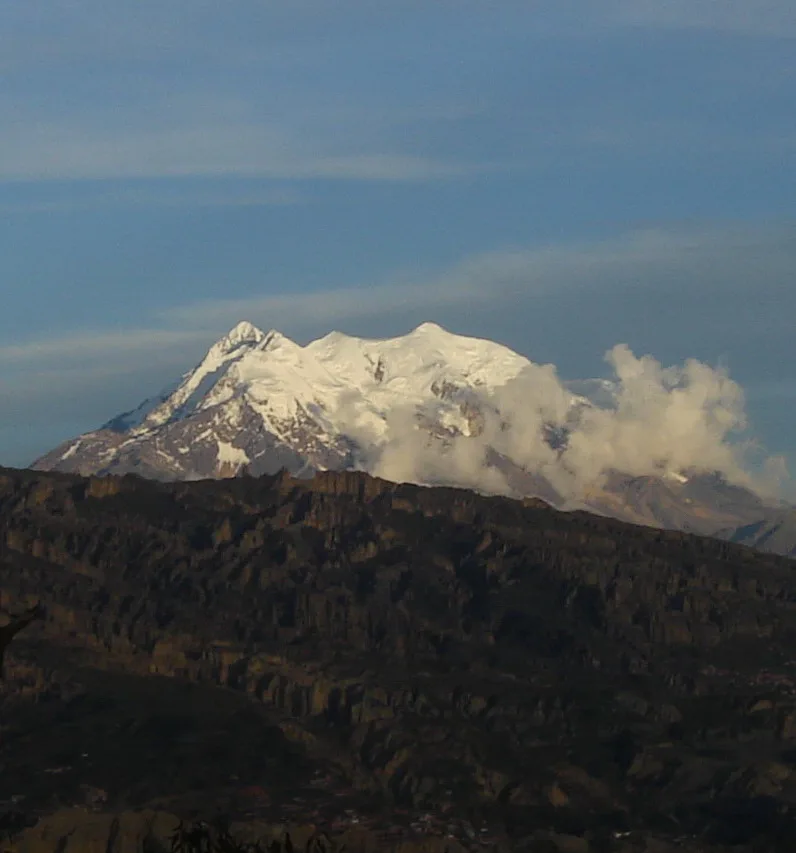
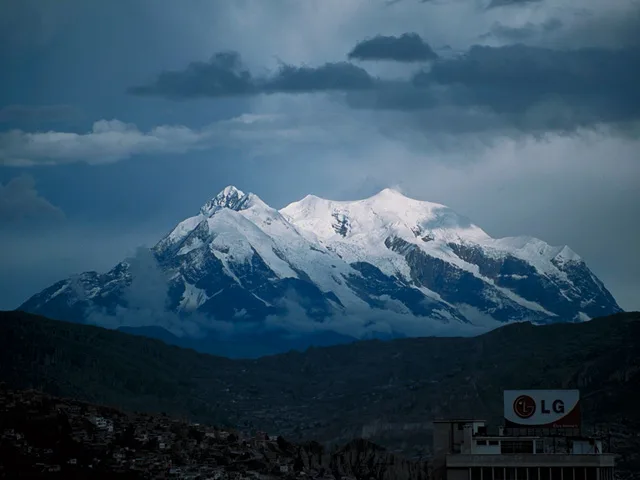
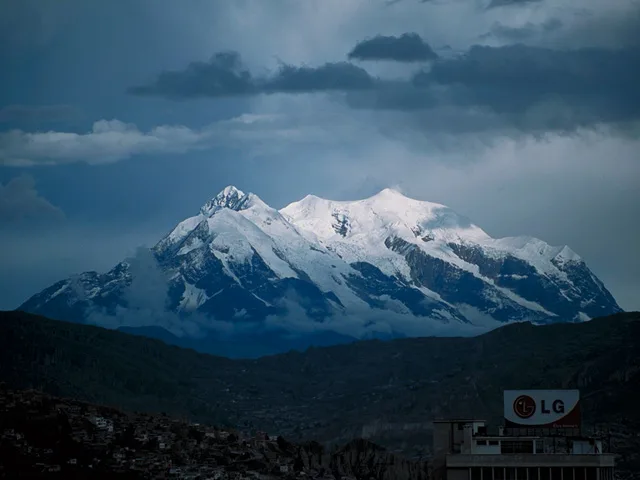
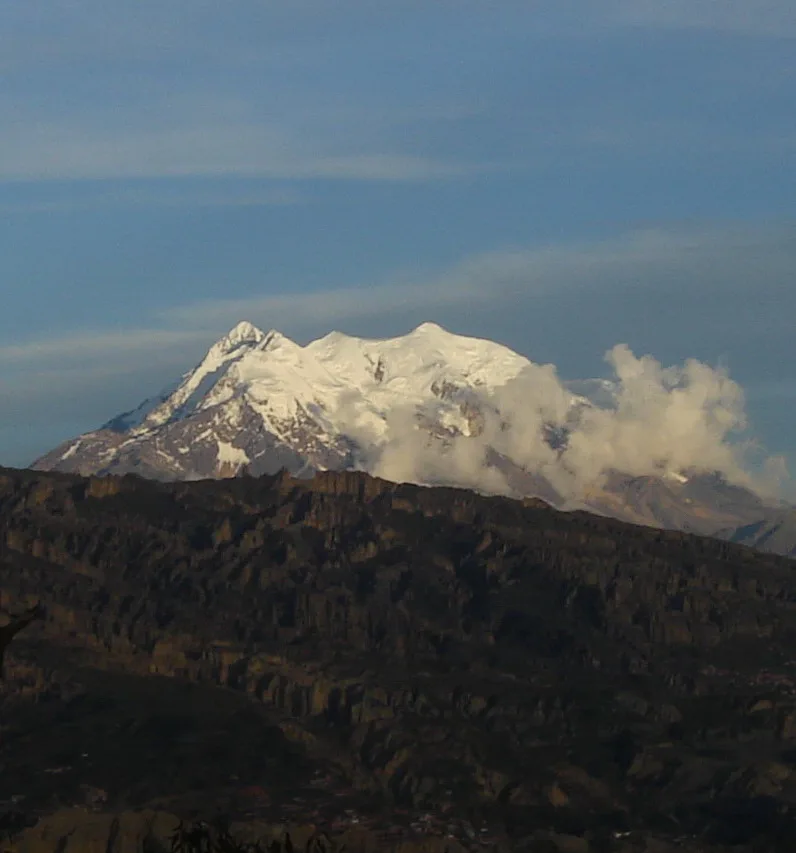
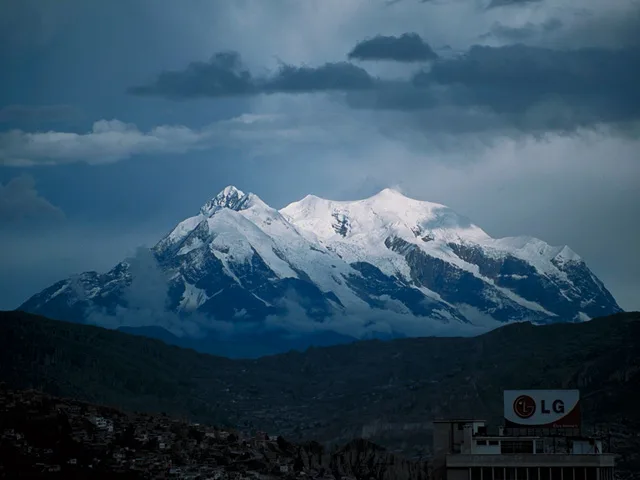
Nevado Illimani is the iconic 6,438-metre monarch of the Cordillera Real, towering dramatically over the city of La Paz and the Bolivian Altiplano. First climbed in September 1898 by British explorer Sir William Martin Conway alongside Swiss guides Antoine Maquignaz and Jean-Antoine Pellissier, the mountain features four distinct summits linked by knife-edge glaciated ridges.
Mountain Safety & Conditions Disclaimer: High-altitude climbing, glacial travel, and technical ascents entail severe objective risks including avalanches, serac collapses, rapid weather collapse, and altitude illness. Historical route descriptions and summit claims on Mountanity reflect documented archival sources and must not be used as live operational safety assessments. Local regulations, permits, and physical glacial topography change continuously.
Peer Review: Senior Editorial Board & Historical Reviewers • Editorial Standards
Geographical Setting & Topography
Illimani anchors the southern terminus of the Cordillera Real in western Bolivia, approximately 40 kilometres southeast of La Paz. As an ultra-prominent mountain with over 2,450 metres of topographic prominence, it catches moisture ascending from the Amazonian lowlands, draping its granitic towers in extensive glacier caps and steep serac terraces.
Historic First Ascent
Date: 1898-09-21
Ascent Team: Sir William Martin Conway, Antoine Maquignaz, and Jean-Antoine Pellissier
Key Statistics & Topographic Figures
- Summit Elevation
- 6,438 m (21,122 ft, Pico Sur)
- Topographic Prominence
- 2,451 m (Ultra-prominent peak)
- First Ascent
- September 21, 1898 (Conway, Maquignaz, Pellissier)
- Standard High Camp
- Nido de Cóndores (5,550 m)
- Number of Summits
- 4 distinct summits above 6,000 m
Archival Primary Source Quotations
“Illimani stands like a sentinel of snow, watching over La Paz with unchanging majesty.”
Defined Alpine Terminology & Concepts
- Granitic Batholith
- A colossal mass of igneous intrusive rock that crystallized deep below the Earth's surface and was subsequently uplifted and carved by glaciers.
Illimani Mountain Weather Forecast
Detailed 14-Day Summit Window & Weather Timeline
Explore day-by-day summit push safety windows, wind shear analysis, and extended multi-day forecasts for Illimani.
Explore Illimani (6,438 m) in Interactive 3D
Inspect steep glacial walls, hanging seracs, ridge approaches, and elevation relief with 360° rotation and terrain tilt in WebGL.
Documented Climbing Routes (1)
Illimani South Ridge Normal Route
The South Ridge Normal Route of Nevado Illimani is the classic high-altitude line ascending the southern monarch of the Cordillera Real to 6,438 metres. First climbed in September 1898 by Sir William Martin Conway and Swiss guides Antoine Maquignaz and Jean-Antoine Pellissier, the route traverses hanging glaciers and the famous Nido de Cóndores aerie before conquering an exposed 50-degree knife-edge summit arête.
Historical Expeditions (2)
1898 Sir William Martin Conway Illimani Historic First Ascent Expedition
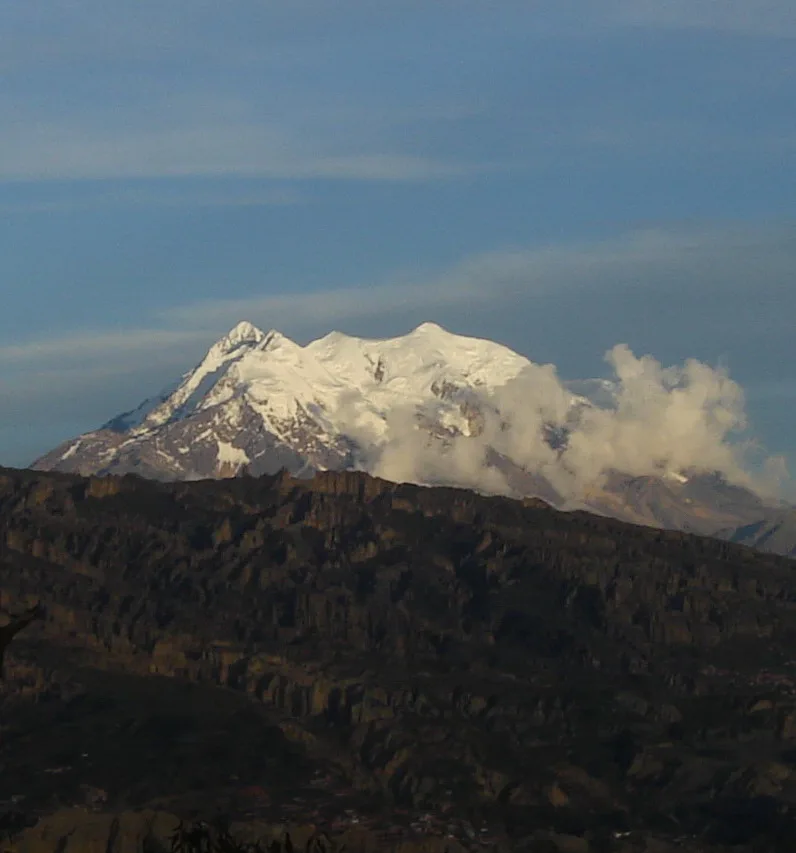
On September 21, 1898, British explorer Sir William Martin Conway alongside Italian Alpine guides Antoine Maquignaz and Jean-Antoine Pellissier achieved the historic first ascent of Nevado Illimani (6,438 m). Overcoming extreme cold, altitude sickness, and knife-edge snow cornices, Conway conquered the monarch of the Cordillera Real and conducted the first scientific surveys of the Bolivian Andes.
1972 Mesili-Monasterio Illimani South Face Historic Direct Ascent
In August 1972, Alain Mesili and elite companions completed the first direct ascent of the terrifying 2,000-metre South Face of Nevado Illimani (6,438 m). Confronting relentless vertical ice flutings, stonefall, and hanging bivouacs suspended over the Amazon basin, the team conquered the greatest high-altitude big-wall ice face in Bolivia.
Summit Chronicles & Stories (2)
Conway upon Illimani: The 1898 Conquest of Bolivia's Monarch
On September 21, 1898, Victorian explorer Sir William Martin Conway and his Italian guides conquered Nevado Illimani (6,438 m), unlocking the roof of the Cordillera Real.
The Colossus of Chijllani: Mesili on Illimani's South Face
In August 1972, Alain Mesili conquered the 2,000-metre South Face of Nevado Illimani (6,438 m), solving the ultimate big-wall ice challenge in Bolivia.
Frequently Asked Questions: Illimani
What is the elevation of Nevado Illimani?
Nevado Illimani rises to 6,438 metres (21,122 ft), making it the highest peak in the Cordillera Real and the second-highest in Bolivia.
Who made the first ascent of Illimani?
Sir William Martin Conway and Italian guides Antoine Maquignaz and Jean-Antoine Pellissier made the first ascent on September 21, 1898.
Where is Illimani located?
Illimani stands at the southern end of the Cordillera Real in western Bolivia, approximately 40 kilometres southeast of La Paz.
What is Nido de Cóndores on Illimani?
Nido de Cóndores is the iconic high camp perched on a rocky eagle's spur at 5,550 metres between two massive glaciers.
Documented Sources & Archival Citations
- The Bolivian Andes: A Record of Climbing and Exploration in the Cordillera Real(Sir William Martin Conway / Harper & Brothers)
Supporting claim: Firsthand narrative of the 1898 exploration and first ascent of Illimani's Pico Sur
Accessed/Documented: 1901 - The Andes: A Guide for Climbers and Trekkers(John Biggar / Andes Publishing)
Supporting claim: Comprehensive elevation, route descriptions, and topographical analysis of Illimani
Accessed/Documented: 2020