1910 Freda Du Faur Historic First Female Ascent of Aoraki / Mount Cook
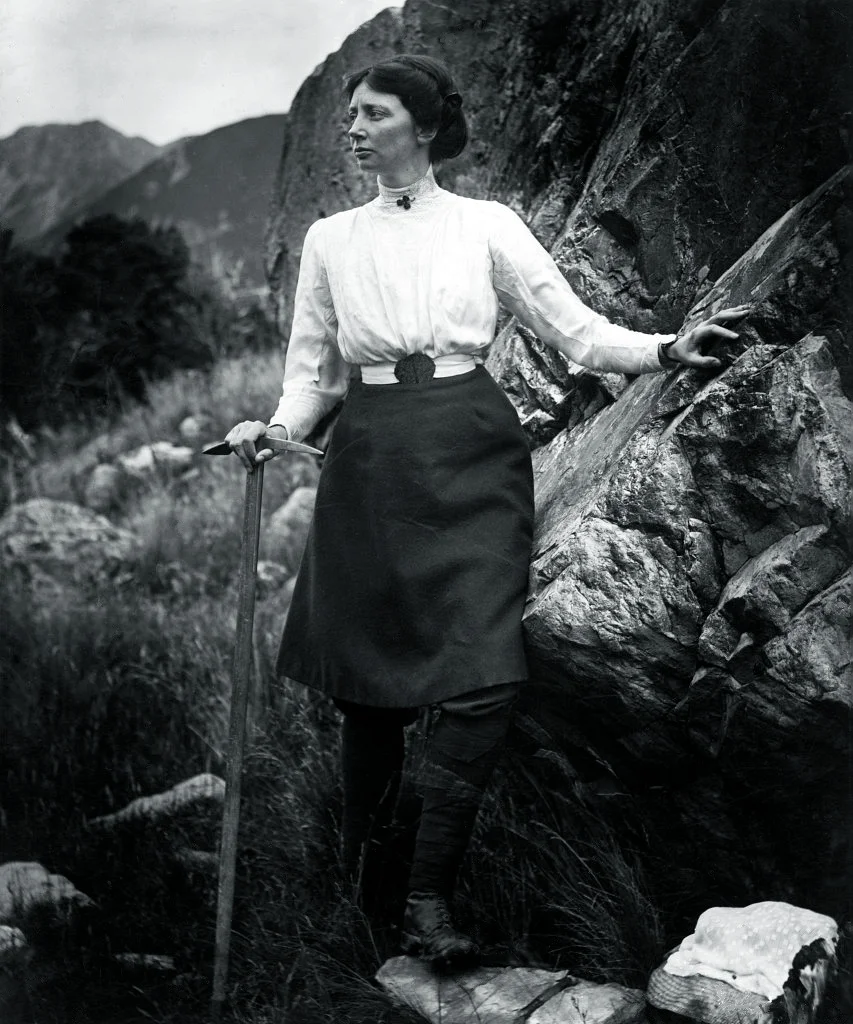
On December 3, 1910, 28-year-old Australian climber Emmeline Freda Du Faur made history by becoming the first woman to reach the summit of Aoraki / Mount Cook (3,724 m). Guided by Peter and Alec Graham, Du Faur completed the round-trip climb from the Hermitage in a record-breaking fourteen hours, demonstrating peerless endurance and dismantling Victorian misconceptions about female athletic potential.
Mountain Safety & Conditions Disclaimer: High-altitude climbing, glacial travel, and technical ascents entail severe objective risks including avalanches, serac collapses, rapid weather collapse, and altitude illness. Historical route descriptions and summit claims on Mountanity reflect documented archival sources and must not be used as live operational safety assessments. Local regulations, permits, and physical glacial topography change continuously.
Peer Review: Senior Editorial Board & Historical Reviewers • Editorial Standards
Official Expedition Narrative & Archival Record
When Australian mountaineer Freda Du Faur arrived at Mount Cook in late 1910, female participation in high alpinism was constrained by rigid social propriety and impractical dress expectations. Refusing to climb in heavy, dangerous Victorian skirts, Du Faur designed a functional knee-length skirt paired with knickerbockers and sturdy nailed boots, accompanied by an official chaperone to placate critics. Roping up with chief guide Peter Graham and his brother Alec Graham, Du Faur departed the high bivouac at 2:00 AM on December 3, 1910. Ascending the Linda Glacier under starlight, the team dodged menacing ice avalanches beneath the Grand Plateau. Graham and Du Faur moved with extraordinary cadence, cutting steps across icy bergschrunds and ascending the steep snow slopes of the summit rocks. At 8:40 AM—just six hours after departing camp—Du Faur stepped onto the summit of Aoraki / Mount Cook, establishing a speed record that astounded male contemporaries. The return to the Hermitage was met with international headlines, transforming Du Faur into an icon of women's liberation and athletic excellence.
Documented Team Composition
- Freda Du Faur (Lead Climber, Australia)
- Peter Graham (Chief Mountain Guide, New Zealand)
- Alec Graham (Mountain Guide, New Zealand)
Key Statistics & Topographic Figures
- Official Elevation
- 3,724 metres (12,218 ft)
- Summit Date
- December 3, 1910
- First Woman on Summit
- Freda Du Faur
- Ascent Time
- 6 hours from bivouac (14 hours round trip)
- Lead Guide
- Peter Graham
Archival Primary Source Quotations
“There, on that shining point of snow, high above the clouds and the petty conventions of the world below, I felt utterly free.”
Defined Alpine Terminology & Concepts
- Grand Plateau
- A vast high-altitude névé in the Southern Alps situated at 2,200 metres beneath the towering east face of Aoraki Mount Cook.
- Knickerbockers
- Loose-fitting trousers gathered at the knee, adopted by pioneer female climbers for mobility and safety in steep alpine terrain.
Frequently Asked Questions: 1910 Freda Du Faur Historic First Female Ascent of Aoraki / Mount Cook
Who was the first woman to summit Aoraki / Mount Cook?
Australian mountaineer Emmeline Freda Du Faur made history as the first woman to reach the summit of Aoraki / Mount Cook on December 3, 1910.
How fast was Freda Du Faur's 1910 ascent of Mount Cook?
Accompanied by guides Peter and Alec Graham, Du Faur reached the summit in just six hours from bivouac, completing the entire round trip in an unprecedented fourteen hours.
How did Freda Du Faur challenge Victorian dress codes in mountaineering?
Du Faur rejected cumbersome ankle-length skirts as dangerous, designing a functional knee-length skirt worn over knickerbockers that transformed women's alpine attire.
Ascent Route & Topography
Grand Traverse of Aoraki / Mount Cook
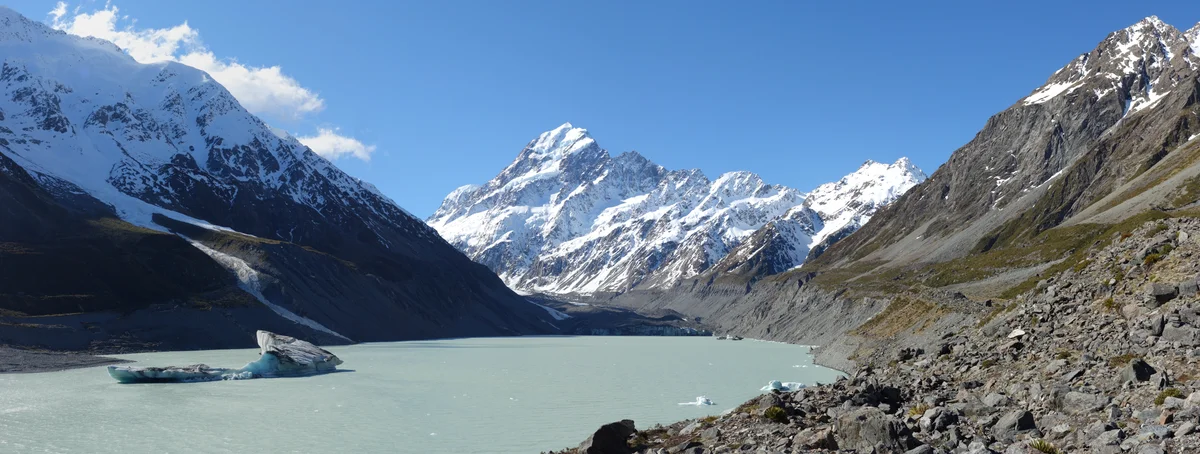
The Grand Traverse of Aoraki / Mount Cook is widely considered the supreme classic high alpine expedition in the Southern Alps. Spanning the entire triple-crowned crest of New Zealand's highest mountain—crossing the Low Peak (3,593 m), Middle Peak (3,717 m), and High Peak (3,724 m)—the route features kilometres of exposed corniced ice ridges, shattered greywacke pinnacles, and dizzying exposure above the Caroline Face and Linda Glacier. First completed on January 3, 1913, by Australian mountaineer Freda Du Faur with guides Peter Graham and David Thomson, it remains a benchmark test of high-altitude speed, crampon confidence, and ridge-walking balance.
Target Objective Peak
Aoraki / Mount Cook
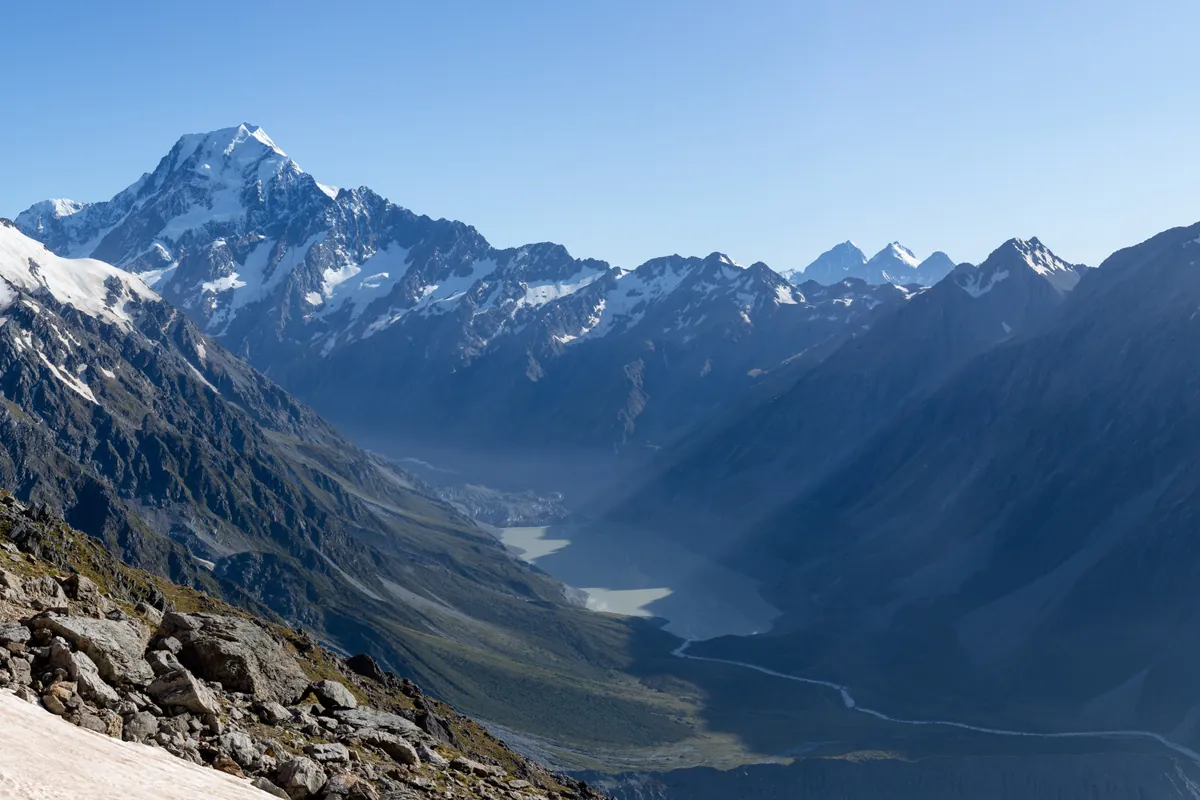
Aoraki / Mount Cook is the highest mountain in New Zealand at 3,724 meters (12,218 ft). Located in the Southern Alps, it is an ultra-prominent glaciated peak rising dramatically above the Tasman Glacier. It is sacred in Māori mythology as the ancestor Aoraki. The mountain is renowned as the formative training ground where Sir Edmund Hillary developed his high-altitude icecraft. On January 30, 1948, Hillary completed the historic first ascent of the technical South Ridge alongside Harry Ayres. Climbing Aoraki requires expert crampon technique, glacier navigation, and vigilance against severe maritime storms.
Featured Expedition Climber
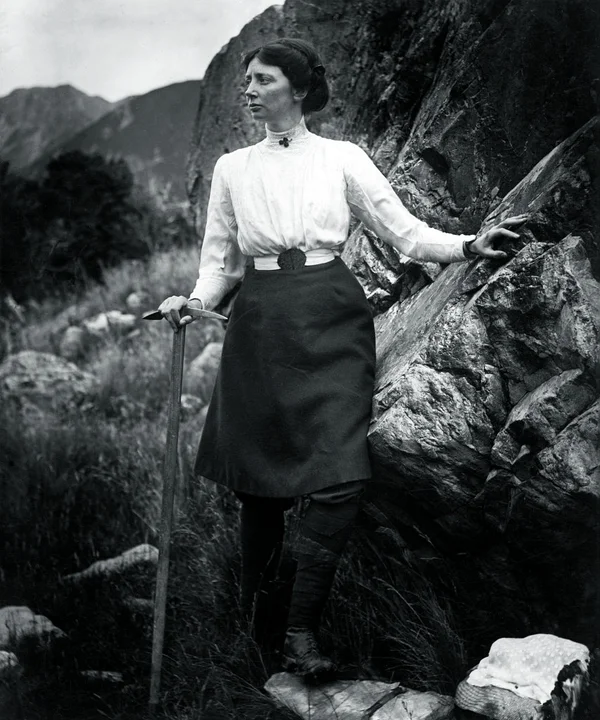
Freda Du Faur
Emmeline Freda Du Faur was born on September 16, 1882, in Croydon, Sydney, Australia. Drawn to open nature from an early age, she explored the sandstone gorges and cliffs of the Blue Mountains near her home in Ku-ring-gai Chase. In 1906, Du Faur visited the New Zealand International Exhibition in Christchurch, where photographs of the snowcapped Southern Alps ignited a passion that would redefine women's mountaineering. Traveling to Mount Cook in late 1909, Du Faur engaged chief guide Peter Graham. Graham immediately recognized her exceptional physical fitness, natural agility, and fearless mental composure. On December 3, 1910, Du Faur, accompanied by Peter Graham and Alec Graham, reached the summit of Aoraki / Mount Cook (3,724 m) in a record time of six hours, becoming the first woman to conquer New Zealand's highest peak. Facing intense societal pressure regarding Victorian modesty, Du Faur refused to climb in heavy skirts, designing a functional knee-length skirt over knickerbockers that revolutionized women's alpine attire. Over the next four seasons, Du Faur accomplished a series of audacious firsts, including the first ascents of Mount Dampier (3,440 m), Mount Nazomi, and the virgin Mount Sefton. Her crowning triumph came on January 3, 1913: together with Peter Graham and David Thomson, Du Faur completed the first-ever Grand Traverse of Aoraki / Mount Cook, traversing Low Peak, Middle Peak, and High Peak in a single day along razor-sharp corniced arêtes. In 1915, she published *The Conquest of Mount Cook and Other Climbs*, an international mountaineering classic. She passed away on September 11, 1935, revered globally as a fearless pioneer of female empowerment and high-altitude alpinism.
Associated Historical Chronicles & Stories
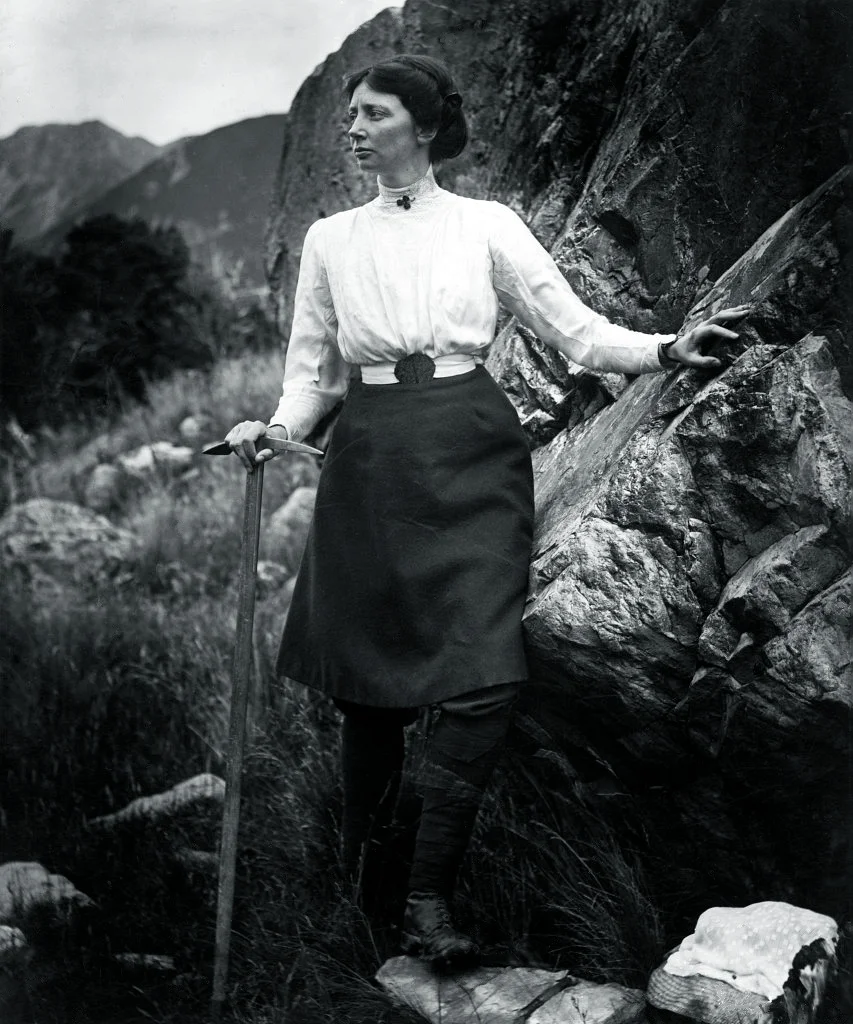
Skirts on the Summit: Freda Du Faur's 1910 Mount Cook Triumph
How an Australian woman broke Edwardian society's rules and conquered New Zealand's highest peak in record time.
Documented Sources & Archival Citations
- The Conquest of Mount Cook and Other Climbs(Freda Du Faur / George Allen & Unwin)
Supporting claim: Firsthand autobiographical narrative of the 1910 female first ascent
Accessed/Documented: 1915 - Peter Graham, Mountain Guide: An Autobiography(Peter Graham / A.H. & A.W. Reed)
Supporting claim: Guide's perspective on Du Faur's historic ascent and athletic prowess
Accessed/Documented: 1965