1929 James Wordie Cambridge East Greenland Expedition First Ascent of Petermann Peak
On August 15, 1929, Scottish polar geologist James Wordie and his Cambridge University team completed the historic maiden first ascent of Petermann Peak (2,943 m) in Northeast Greenland. Long presumed to be the highest mountain on the island, the nunatak was conquered via the heavily crevassed Gregory Glacier and a rugged mixed ridge in pristine Arctic weather.
Mountain Safety & Conditions Disclaimer: High-altitude climbing, glacial travel, and technical ascents entail severe objective risks including avalanches, serac collapses, rapid weather collapse, and altitude illness. Historical route descriptions and summit claims on Mountanity reflect documented archival sources and must not be used as live operational safety assessments. Local regulations, permits, and physical glacial topography change continuously.
Peer Review: Senior Editorial Board & Historical Reviewers • Editorial Standards
Official Expedition Narrative & Archival Record
In the summer of 1929, veteran polar geologist Sir James Mann Wordie—who had served as chief of scientific staff on Ernest Shackleton's Imperial Trans-Antarctic Expedition aboard the Endurance—organized the Cambridge East Greenland Expedition aboard the Norwegian sealer Heimland. Sailing into the ice-bound Kejser Franz Joseph Fjord, Wordie's team anchored near the head of the fjord in Fraenkel Land. The primary objective was Petermann Peak (2,943 m), an immense pyramid discovered in 1870 by Julius Payer and long reputed to be the highest mountain in Greenland. Accompanied by R.C. Wakefield, W.F. Whittard, and Gordon Manley, Wordie pioneered a route inland across the gorge of Knækdalen. Establishing camps along the lateral moraines, the party ascended the chaotic, heavily crevassed icefall of the Gregory Glacier. On August 15, 1929, under clear polar skies, Wordie and his companions scaled the steep snow slopes and shattered metamorphic rock buttresses of the Southwest Ridge to stand atop the 2,943-metre summit apex. From the summit, they obtained the first comprehensive panoramic views of the Greenland Inland Ice abutting the coastal nunataks, solving one of the Arctic's greatest geographical enigmas.
Documented Team Composition
- Sir James Mann Wordie (Expedition Leader & Geologist, UK)
- R. C. Wakefield (Surveyor & Climber, UK)
- W. F. Whittard (Geologist & Climber, UK)
- Gordon Manley (Meteorologist & Climber, UK)
Key Statistics & Topographic Figures
- Official Elevation
- 2,943 metres (9,656 ft)
- Summit Date
- August 15, 1929
- Expedition Leader
- Sir James Mann Wordie
- First Ascent Team
- Wordie, Wakefield, Whittard, Manley
- Geographic Setting
- Kejser Franz Joseph Fjord, Northeast Greenland
Archival Primary Source Quotations
“The panorama from the summit was overwhelming: to the west, stretching without interruption to the horizon, lay the immense white dome of the Inland Ice.”
Defined Alpine Terminology & Concepts
- Nunatak
- An exposed, rocky element of a ridge or mountain peak not covered with ice or snow within an ice field or glacier.
- Fjord Navigation
- Maritime maneuvering of ice-strengthened exploration ships through narrow glacial inlets bordered by steep cliffs.
Frequently Asked Questions: 1929 James Wordie Cambridge East Greenland Expedition First Ascent of Petermann Peak
Who made the first ascent of Petermann Peak in Greenland?
Sir James Mann Wordie led the Cambridge East Greenland Expedition to the maiden first ascent on August 15, 1929, accompanied by Wakefield, Whittard, and Manley.
Why was Petermann Peak historically significant in Arctic exploration?
Discovered in 1870, Petermann Peak was long believed to be the highest mountain in Greenland until the discovery of the Watkins Range in 1930.
What route was climbed on the 1929 first ascent of Petermann Peak?
Wordie and his team climbed the Southwest Ridge via the crevassed Gregory Glacier and Knækdalen gorge from Kejser Franz Joseph Fjord.
Ascent Route & Topography
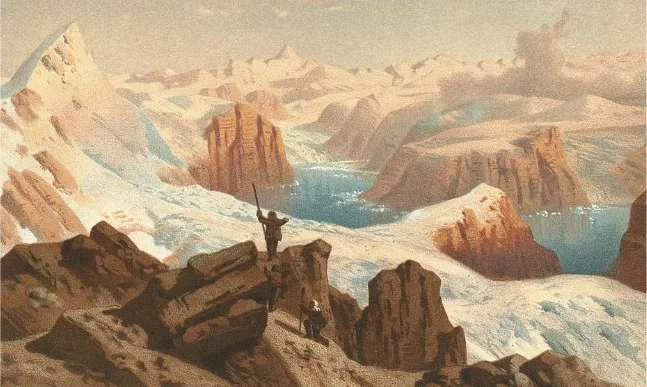
Southwest Ridge & Gregory Glacier Route of Petermann Peak
The Southwest Ridge via Gregory Glacier is the historic pioneering route on Petermann Peak, ascending from the fjords of Kejser Franz Joseph through the rugged Knækdalen gorge to the vast inland ice sheet before climbing the rock and snow crest of the nunatak. Pioneered in August 1929 by Scottish polar explorer James Wordie and his Cambridge University team, the route represents one of the classic epics of Arctic exploration, traversing heavily crevassed icefalls and exposed mixed rock bands to attain the summit.
Target Objective Peak
Petermann Peak
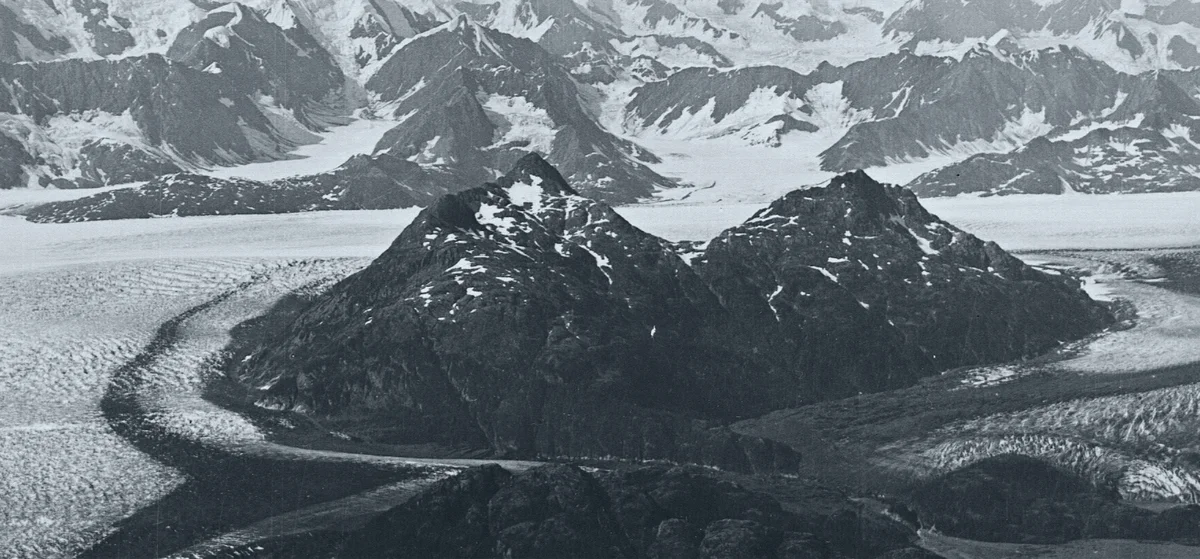
Petermann Peak is a dramatic 2,943-metre (9,656 ft) glaciated nunatak dominating western Fraenkel Land and the inner Kejser Franz Joseph Fjord in Northeast Greenland. Discovered in August 1870 by Julius Payer and named after German cartographer August Petermann, the mountain was long believed to be the highest summit in all of Greenland until the Watkins Range was surveyed. On August 15, 1929, Scottish polar geologist James Wordie led the Cambridge Expedition to its maiden first ascent via the Gregory Glacier. Standing within the Northeast Greenland National Park, Petermann Peak is an iconic monument of high-latitude Arctic mountaineering.
Featured Expedition Climber
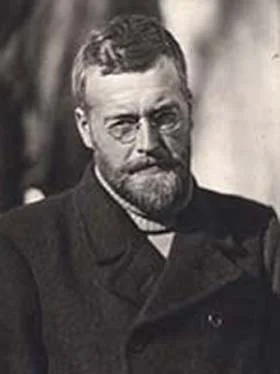
James Wordie
Sir James Mann Wordie was born on April 26, 1889, in Partick, Glasgow, Scotland. Educated at the Glasgow Academy, the University of Glasgow, and St John's College, Cambridge, Wordie demonstrated exceptional aptitude as a glacial geologist and petrologist. In 1914, at age 25, Wordie was selected by Sir Ernest Shackleton as chief of scientific staff and geologist for the Imperial Trans-Antarctic Expedition aboard the 'Endurance'. When the ship was crushed in the Weddell Sea pack ice, Wordie endured the harrowing drift on ice floes, the open-boat voyage to Elephant Island, and months stranded beneath overturned boats, sustaining the expedition with his scientific discipline and calm humor. Following World War I, Wordie turned his exploration expertise toward the High Arctic. Between 1919 and 1929, he organized and led a series of highly successful Cambridge research expeditions to Spitsbergen, Jan Mayen, and East Greenland. In 1921, he made the maiden first ascent of the volcanic peak Beerenberg (2,277 m) on Jan Mayen Island. In 1929, Wordie organized the Cambridge East Greenland Expedition aboard the Norwegian sealer 'Heimland', sailing into the magnificent, ice-choked fjords of Kejser Franz Joseph in King Christian X Land. Striking inland across the glaciers of western Fraenkel Land, Wordie and his party pioneered a route up the crevassed Gregory Glacier. On August 15, 1929, Wordie, R.C. Wakefield, W.F. Whittard, and Gordon Manley conquered the dramatic nunatak pyramid of Petermann Peak (2,943 m), claiming the first ascent of one of the Arctic's greatest natural landmarks. Wordie served as Master of St John's College, Cambridge, President of the Royal Geographical Society (1951–1954), and Chairman of the British National Committee for the International Geophysical Year. He was knighted in 1957 for his lifelong contributions to polar exploration and passed away on January 16, 1962, at age 72.
Associated Historical Chronicles & Stories
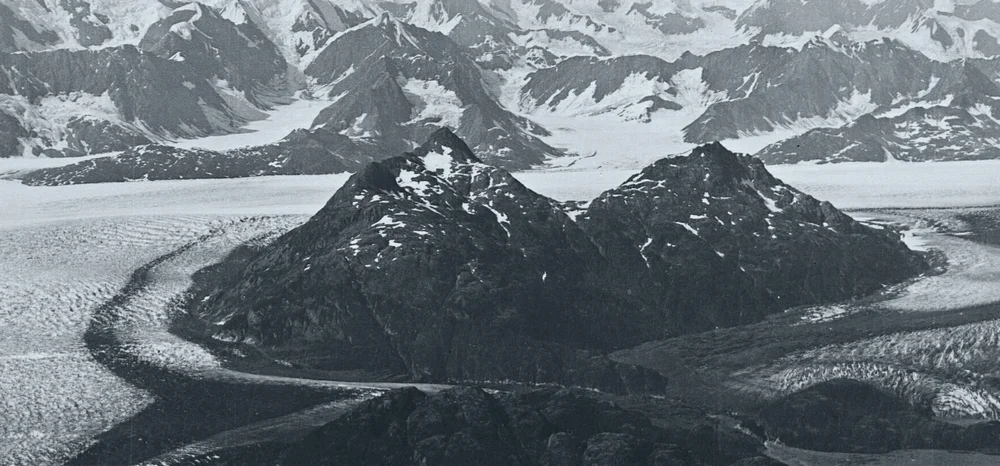
Crown of the Fjords: The 1929 First Ascent of Petermann Peak
Shackleton veteran James Wordie leads the Cambridge Expedition through Greenland's labyrinthine fjords to conquer Petermann Peak.
Documented Sources & Archival Citations
- Cambridge East Greenland Expedition, 1929: Ascent of Petermann Peak(J. M. Wordie / The Geographical Journal)
Supporting claim: Primary official expedition chronicle and route survey
Accessed/Documented: 1930