1933 Comici & Dimai Cima Grande North Face First Ascent
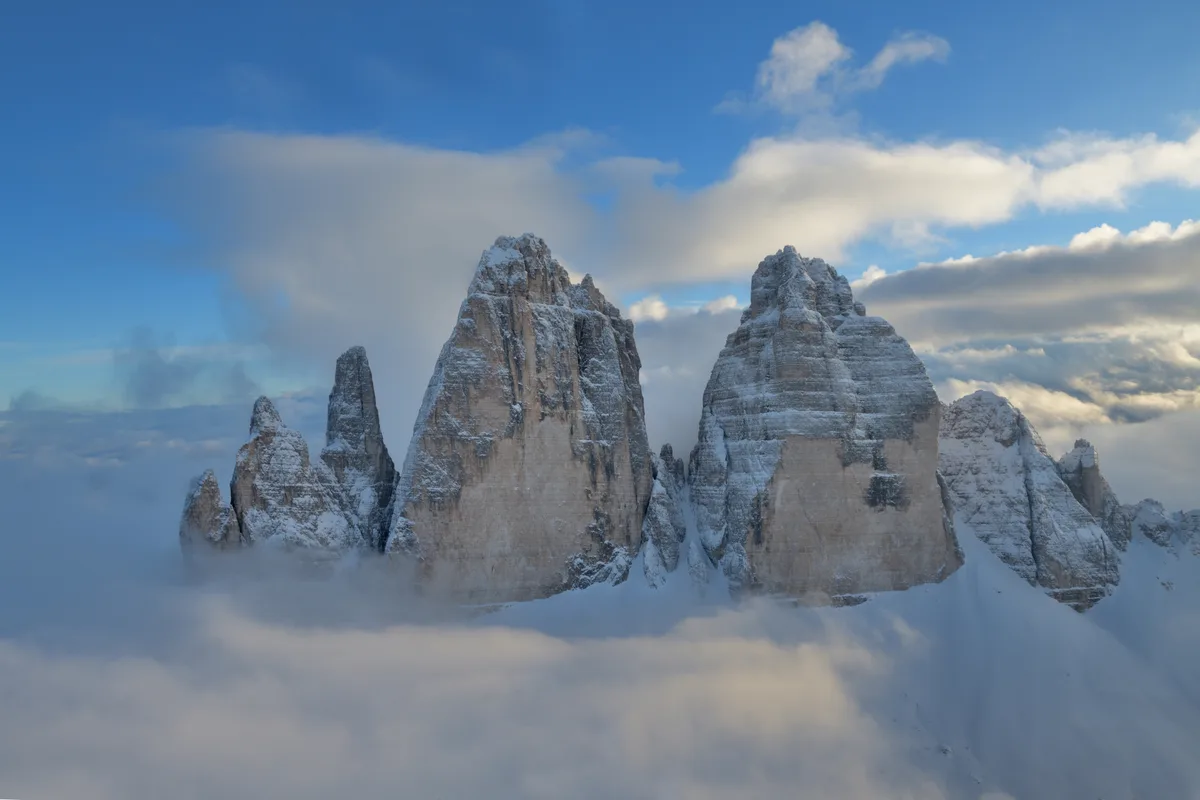
On August 12–14, 1933, Emilio Comici and Cortina guides Angelo and Giuseppe Dimai conquered the overhanging 550-metre North Face of Cima Grande di Lavaredo, heralding the golden era of sixth-grade big wall climbing.
Mountain Safety & Conditions Disclaimer: High-altitude climbing, glacial travel, and technical ascents entail severe objective risks including avalanches, serac collapses, rapid weather collapse, and altitude illness. Historical route descriptions and summit claims on Mountanity reflect documented archival sources and must not be used as live operational safety assessments. Local regulations, permits, and physical glacial topography change continuously.
Peer Review: Senior Editorial Board & Historical Reviewers • Editorial Standards
Official Expedition Narrative & Archival Record
In August 1933, Emilio Comici assembled with Cortina d'Ampezzo guides Angelo and Giuseppe Dimai at the foot of the 550-metre vertical and overhanging yellow limestone shield of the Cima Grande di Lavaredo North Face. The wall was regarded by traditionalists as utterly unscalable due to continuous overhangs and blank rock. Departing on August 12, Comici led into the yellow depression, using steel pitons and short rope stirrups to overcome vertical bulging roofs. Over three grueling days of extreme physical exertion, hanging in rope slings during exposed bivouacs beneath enormous overhangs, the three climbers breached the monumental wall. On August 14, 1933, the team emerged triumphant onto the summit of Cima Grande. The ascent electrified the European climbing community and established modern artificial and directissimas climbing ethics. Comici famously reaffirmed his mastery in 1937 by free soloing the same wall alone in a few hours.
Documented Team Composition
- Emilio Comici (Leader, Italy)
- Angelo Dimai (Guide, Italy)
- Giuseppe Dimai (Guide, Italy)
Key Statistics & Topographic Figures
- Expedition Dates
- August 12–14, 1933
- Wall Height
- 550 m vertical & overhanging limestone
- Bivouacs on Wall
- 2 hanging bivouacs suspended above the abyss
- Team
- Emilio Comici, Angelo Dimai, Giuseppe Dimai
- Historical Outcome
- First Grade VI big wall route in the Alps
Archival Primary Source Quotations
“For three days we hung between heaven and earth; the abyss was our floor, and the granite roofs our roof.”
Defined Alpine Terminology & Concepts
- Direttissima Ascent
- A climb that pursues the plumb-line path directly from the base of the wall to the summit cross.
- Piton Belay
- An anchor station constructed using multiple forged steel pitons hammered into rock fissures to secure the climbing team in vertical terrain.
Frequently Asked Questions: 1933 Comici & Dimai Cima Grande North Face First Ascent
What was the 1933 Comici-Dimai Cima Grande North Face Expedition?
The historic first ascent of the vertical 550-metre North Face of Cima Grande di Lavaredo from August 12–14, 1933, by Emilio Comici, Angelo Dimai, and Giuseppe Dimai.
Why was the ascent considered a turning point in rock climbing history?
It proved that seemingly impossible vertical and overhanging rock walls could be climbed directly using disciplined aid systems, hanging belays, and pitons.
How many days and bivouacs were required on the wall?
The party spent three days and endured two cold hanging bivouacs suspended in rope loops directly above the void.
How many pitons were driven during the first ascent?
Approximately 90 pitons were driven into cracks for protection and direct upward aid over the course of 17 pitches.
What summit did the expedition conquer?
Cima Grande di Lavaredo (2,999 m), the central and highest tower of the Tre Cime group in the Italian Dolomites.
Ascent Route & Topography
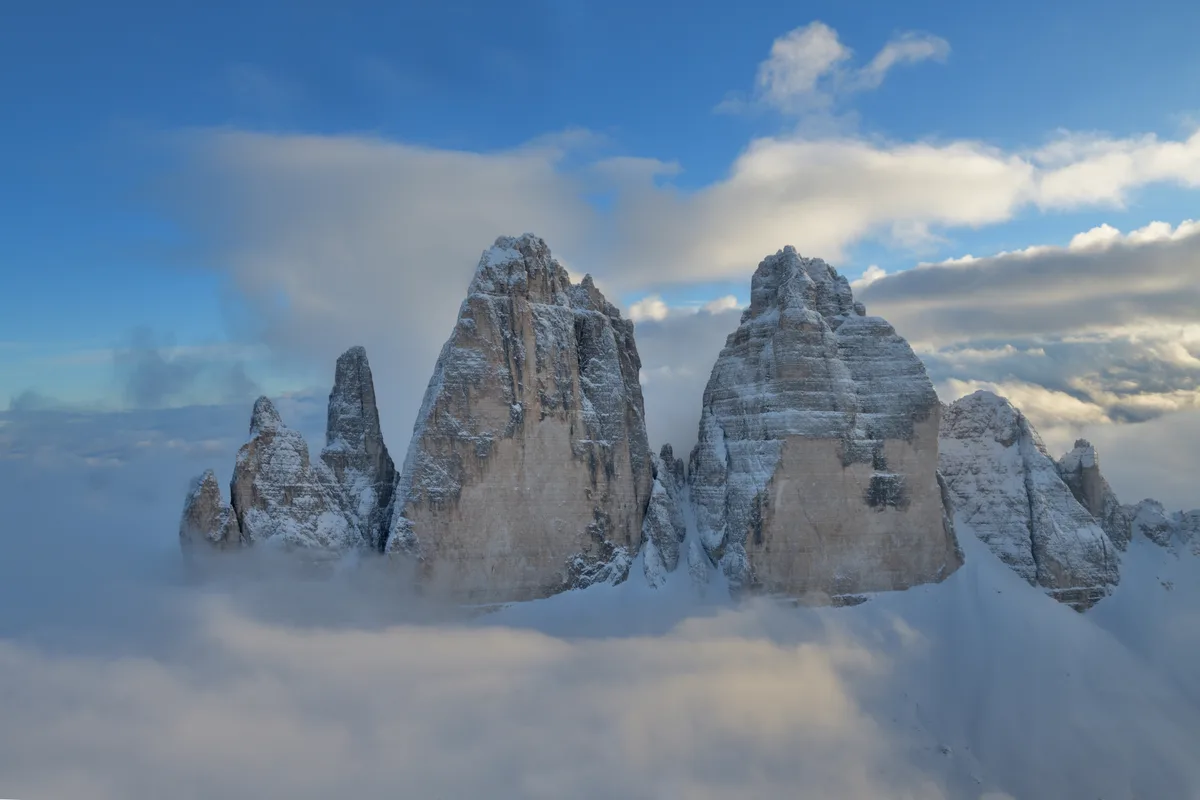
Cima Grande North Face (Via Comici-Dimai)
The Via Comici-Dimai on the North Face of Cima Grande di Lavaredo (2,999 m) is the world's quintessential extreme classic limestone rock climb. Pioneered over three days in August 1933 by Emilio Comici with brothers Angelo and Giuseppe Dimai, the route ascends 550 metres of yellow overhanging rock and steep chimneys graded UIAA VII / YDS 5.10d. Comici famously returned in 1937 to free solo the entire North Face alone.
Target Objective Peak
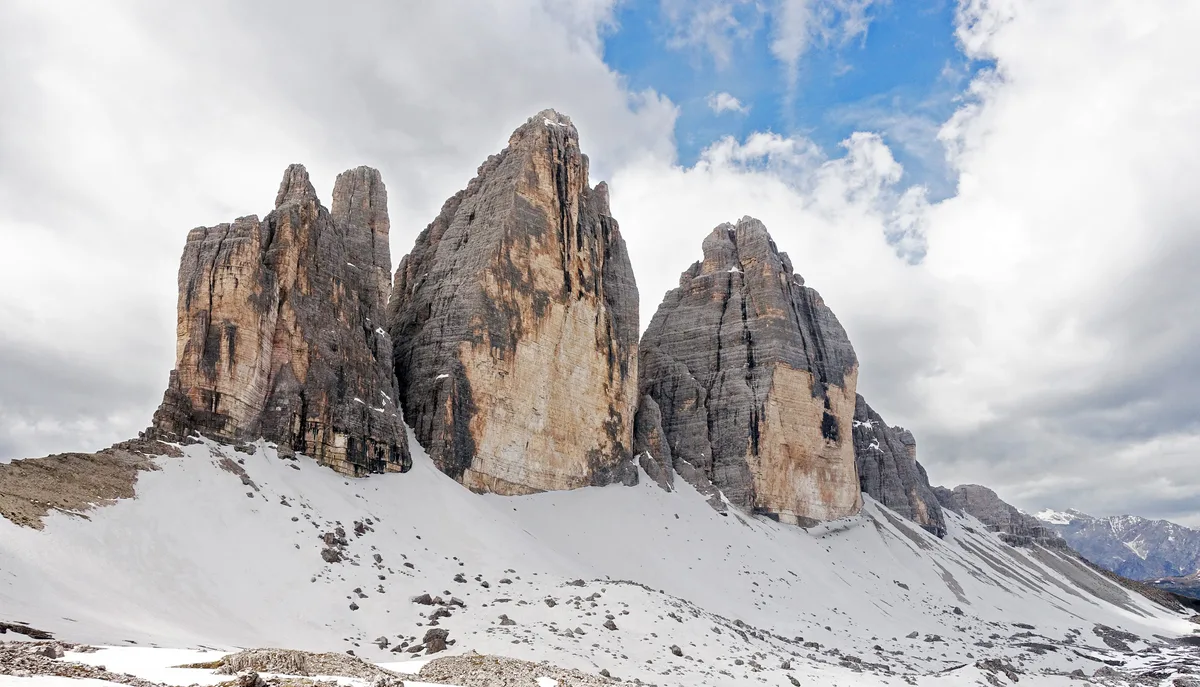

Tre Cime di Lavaredo
Tre Cime di Lavaredo (2,999 m / 9,839 ft) stands as the world-renowned emblem of the Dolomites in northeastern Italy. Rising in three isolated monoliths composed of Hauptdolomit limestone — Cima Piccola, Cima Grande, and Cima Ovest — the towers became the historic crucible of modern sixth-grade rock climbing. The 550-metre sheer northern face of Cima Grande was first conquered in 1933 by Emilio Comici with Angelo and Giuseppe Dimai.
Featured Expedition Climber
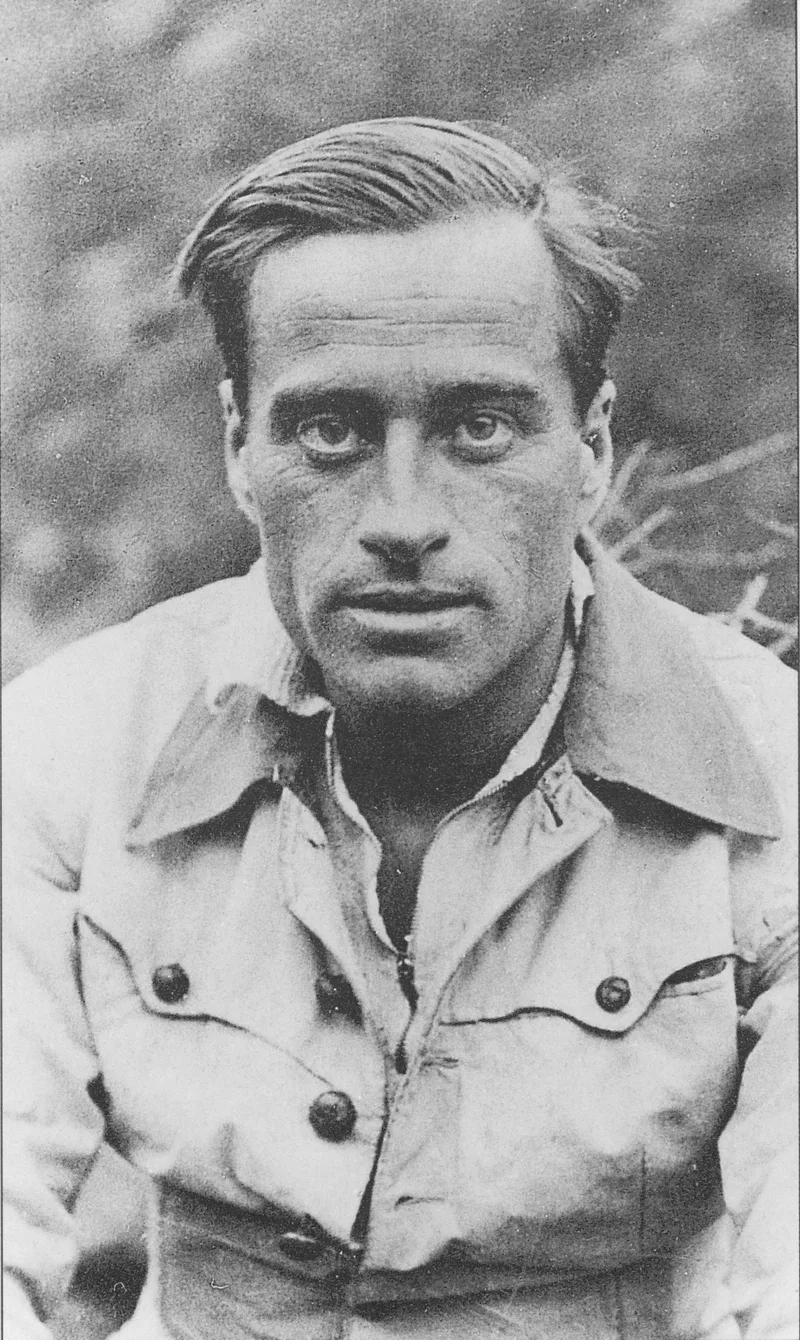
Emilio Comici
Born on February 21, 1901, in Trieste, Emilio Comici began his exploration in the limestone caves and abysses of the Carso plateau before turning his passion to the sheer rock walls of the Julian Alps and Dolomites. Possessed of remarkable gymnastic balance, balletic movement, and artistic vision, Comici revolutionized rock climbing by advocating for the direct line — ascending a wall along the path where a drop of water falls from the summit. In August 1933, Comici teamed with Cortina mountain guides Angelo and Giuseppe Dimai to tackle the fearsome, yellow, overhanging North Face of Cima Grande di Lavaredo in the Sexten Dolomites. Over three grueling days of artificial and free climbing on tiny iron pitons, the trio breached the colossal wall, achieving what was hailed across Europe as the pinnacle of modern sixth-grade alpinism. When critics alleged that the ascent had relied excessively on pitons and aid ropes, Comici answered with breathtaking finality: in 1937, he roped up alone and completed a pure solo ascent of the same 550-metre north wall, free climbing the route in just a few hours. Comici established over two hundred new routes across the Dolomites, founded the famous rock climbing school at Val Rosandra, and served as podestà of San Selva in Val Gardena. On October 19, 1940, while testing a climbing rope on the practice crags of Passo Sella, a cord snapped and Comici fell to his death at the age of thirty-nine.
Associated Historical Chronicles & Stories
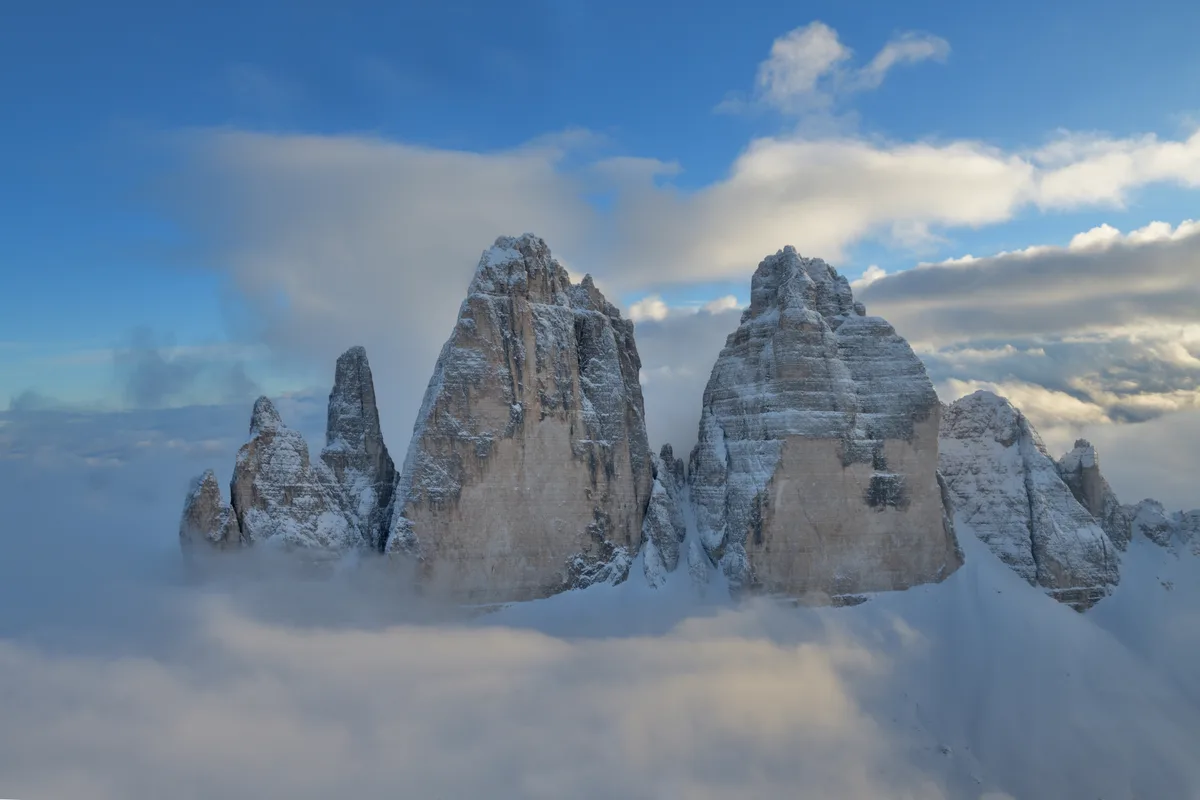
The Direct Line: Emilio Comici's 1933 Conquest of Cima Grande's Yellow Wall
On August 12–14, 1933, Emilio Comici and the Dimai brothers unlocked the terrifying overhanging North Face of Cima Grande di Lavaredo, pioneering sixth-grade big wall climbing and the aesthetic ideal of the direttissima.
Documented Sources & Archival Citations
- Alpinismo Eroico(Emilio Comici / Hoepli, Milan)
Supporting claim: Primary first-person account of the 1933 Cima Grande North Face climb
Accessed/Documented: 2026 - Emilio Comici: L'angelo delle Dolomiti(David Smart / Vertebrate Publishing)
Supporting claim: Detailed historical study of the 1933 expedition and its cultural impact on alpinism
Accessed/Documented: 2026