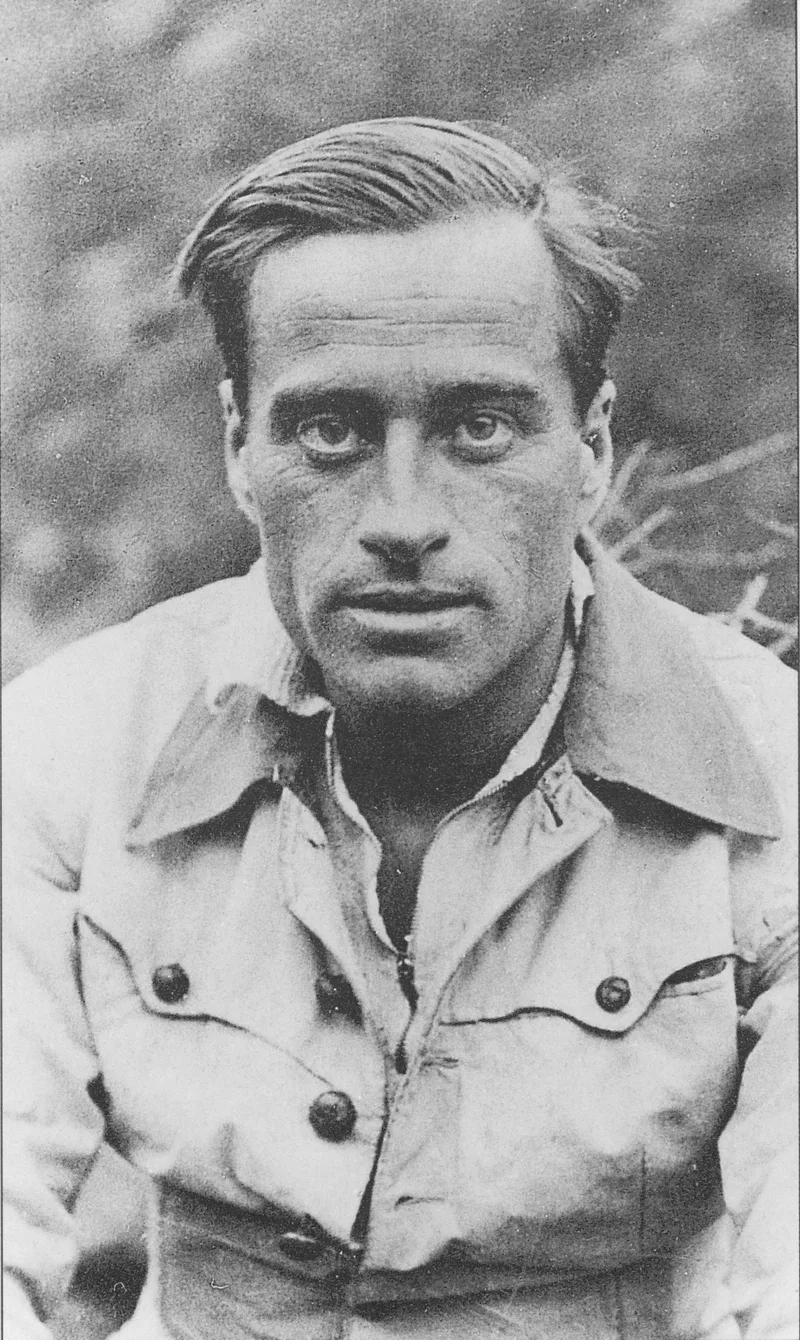
Emilio Comici
Emilio Comici was an Italian mountaineer and caver celebrated as the Angel of the Dolomites. Pioneering direct sixth-grade rock routes with poetic elegance, he led the historic 1933 first ascent of the overhanging North Face of Cima Grande di Lavaredo, returning in 1937 to free solo the 550-metre wall alone.
Mountain Safety & Conditions Disclaimer: High-altitude climbing, glacial travel, and technical ascents entail severe objective risks including avalanches, serac collapses, rapid weather collapse, and altitude illness. Historical route descriptions and summit claims on Mountanity reflect documented archival sources and must not be used as live operational safety assessments. Local regulations, permits, and physical glacial topography change continuously.
Peer Review: Senior Editorial Board & Historical Reviewers • Editorial Standards
Biographical Record & Archival Chronicle
Born on February 21, 1901, in Trieste, Emilio Comici began his exploration in the limestone caves and abysses of the Carso plateau before turning his passion to the sheer rock walls of the Julian Alps and Dolomites. Possessed of remarkable gymnastic balance, balletic movement, and artistic vision, Comici revolutionized rock climbing by advocating for the direct line — ascending a wall along the path where a drop of water falls from the summit. In August 1933, Comici teamed with Cortina mountain guides Angelo and Giuseppe Dimai to tackle the fearsome, yellow, overhanging North Face of Cima Grande di Lavaredo in the Sexten Dolomites. Over three grueling days of artificial and free climbing on tiny iron pitons, the trio breached the colossal wall, achieving what was hailed across Europe as the pinnacle of modern sixth-grade alpinism. When critics alleged that the ascent had relied excessively on pitons and aid ropes, Comici answered with breathtaking finality: in 1937, he roped up alone and completed a pure solo ascent of the same 550-metre north wall, free climbing the route in just a few hours. Comici established over two hundred new routes across the Dolomites, founded the famous rock climbing school at Val Rosandra, and served as podestà of San Selva in Val Gardena. On October 19, 1940, while testing a climbing rope on the practice crags of Passo Sella, a cord snapped and Comici fell to his death at the age of thirty-nine.
Notable Milestones & Ascents
- Pioneered the first ascent of the North Face of Cima Grande di Lavaredo (2,999 m) on August 12–14, 1933
- Completed a legendary free solo ascent of the 550-metre Cima Grande North Face in 1937
- First ascent of the Northwest Face of Civetta (Via Comici-Benedetti, 1931), one of the greatest big walls in the Alps
- Pioneered direct climbing routes on the Campanile Basso and Torre di Valgrande
- Authored the celebrated climbing philosophy work Alpinismo Eroico (1942)
- Invented multiple climbing rope handling, multi-pitch belay, and piton placement techniques
Key Statistics & Topographic Figures
- Lifespan
- February 21, 1901 – October 19, 1940 (aged 39)
- Pinnacle Ascent
- Cima Grande North Face (1933) & Solo (1937)
- Climbing Grade Pioneer
- First Grade VI big wall routes in Europe
- Key Innovation
- Direttissima philosophy, étriers, hanging bivouacs
- Primary Massifs
- Tre Cime di Lavaredo, Civetta, Brenta Dolomites
Archival Primary Source Quotations
“I wish one day to make a route, and from the summit let fall a drop of water, and that water shall touch the rock nowhere until it reaches the talus.”
Defined Alpine Terminology & Concepts
- Direttissima
- A climbing route that pursues the absolute direct vertical line from base to summit, tracing the path of a falling drop of water.
- Étriers (Stirrups)
- Short multi-rung webbing ladders connected to pitons to allow climbers to ascend blank, overhanging limestone walls.
Frequently Asked Questions: Emilio Comici
Who was Emilio Comici and what is his legacy in mountaineering?
Emilio Comici (1901–1940) was an Italian climber hailed as the father of modern big wall climbing, the Direttissima philosophy, and advanced aid techniques.
What is Emilio Comici's famous "drop of water" climbing philosophy?
Comici declared that a climber should follow the direct plumb-line path down which a drop of water falls from the summit, creating the Direttissima aesthetic.
What was Emilio Comici's most famous ascent in the Dolomites?
His 1933 first ascent of the vertical and overhanging 550-metre North Face of Cima Grande di Lavaredo with Angelo and Giuseppe Dimai revolutionized worldwide rock climbing.
What technical climbing innovations did Emilio Comici introduce?
Comici pioneered multi-step rope stirrups (étriers), systematic piton belay anchors, hanging bivouacs in harnesses, and the modern numbering of technical climbing grades.
Did Emilio Comici repeat the Cima Grande North Face solo?
Yes, in 1937 Comici completed an astonishing solo ascent of his Cima Grande North Face route in under four hours to prove his route was an aesthetic masterpiece of free climbing.
Where was Emilio Comici born and what were his early climbing areas?
Born in Trieste on February 21, 1901, Comici began as an avid spelunker in the Karst caves before mastering the sheer limestone walls of the Julian and Eastern Alps.
How did Emilio Comici die?
Comici died tragically on October 19, 1940, at age 39, when a frayed lanyard snapped during a casual practice climb on the practice crags of Val Gardena.
What classic book did Emilio Comici author?
Comici authored "Alpinismo Eroico" (Heroic Mountaineering), published posthumously in 1942, detailing his technical theories and poetic vision of verticality.
Associated Summits (1)
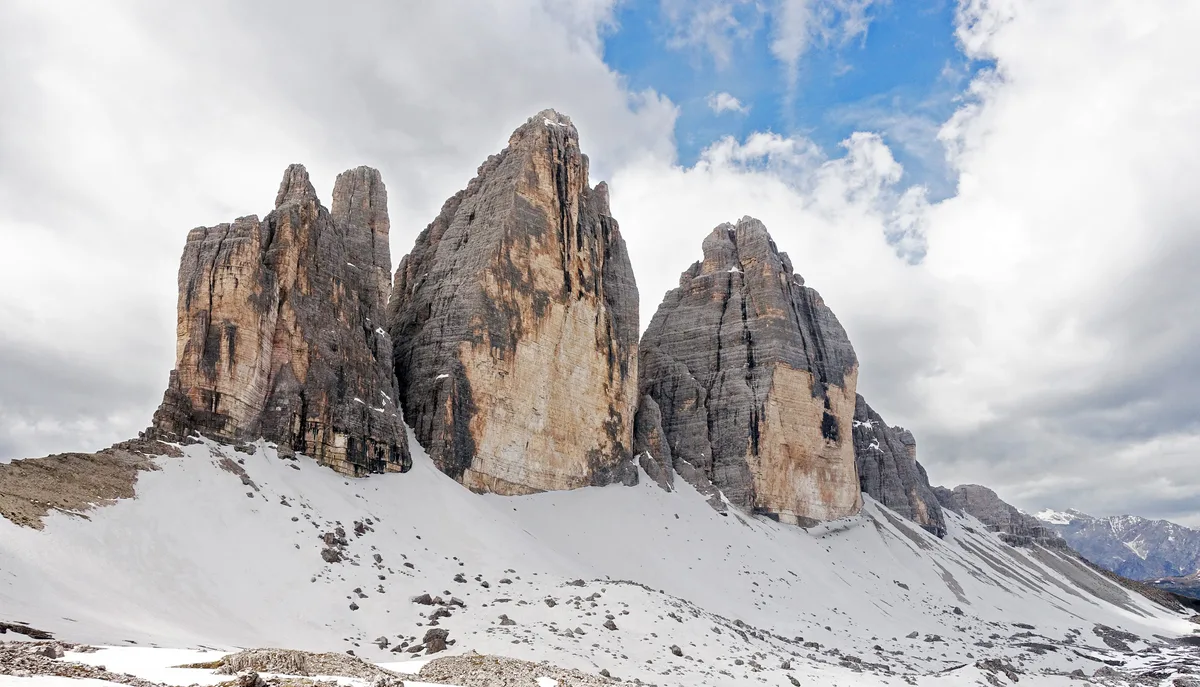

Tre Cime di Lavaredo
Tre Cime di Lavaredo (2,999 m / 9,839 ft) stands as the world-renowned emblem of the Dolomites in northeastern Italy. Rising in three isolated monoliths composed of Hauptdolomit limestone — Cima Piccola, Cima Grande, and Cima Ovest — the towers became the historic crucible of modern sixth-grade rock climbing. The 550-metre sheer northern face of Cima Grande was first conquered in 1933 by Emilio Comici with Angelo and Giuseppe Dimai.
Pioneered & Associated Routes (1)
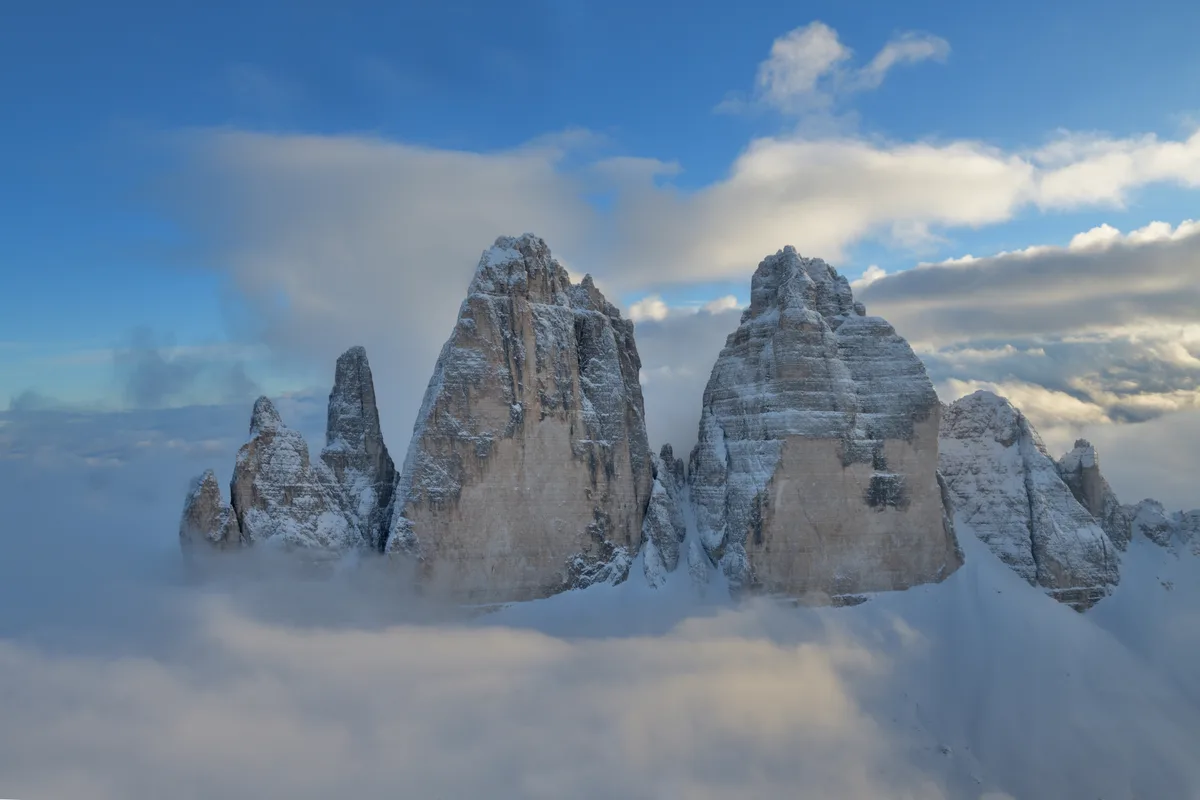
Cima Grande North Face (Via Comici-Dimai)
The Via Comici-Dimai on the North Face of Cima Grande di Lavaredo (2,999 m) is the world's quintessential extreme classic limestone rock climb. Pioneered over three days in August 1933 by Emilio Comici with brothers Angelo and Giuseppe Dimai, the route ascends 550 metres of yellow overhanging rock and steep chimneys graded UIAA VII / YDS 5.10d. Comici famously returned in 1937 to free solo the entire North Face alone.
Documented Expeditions (1)
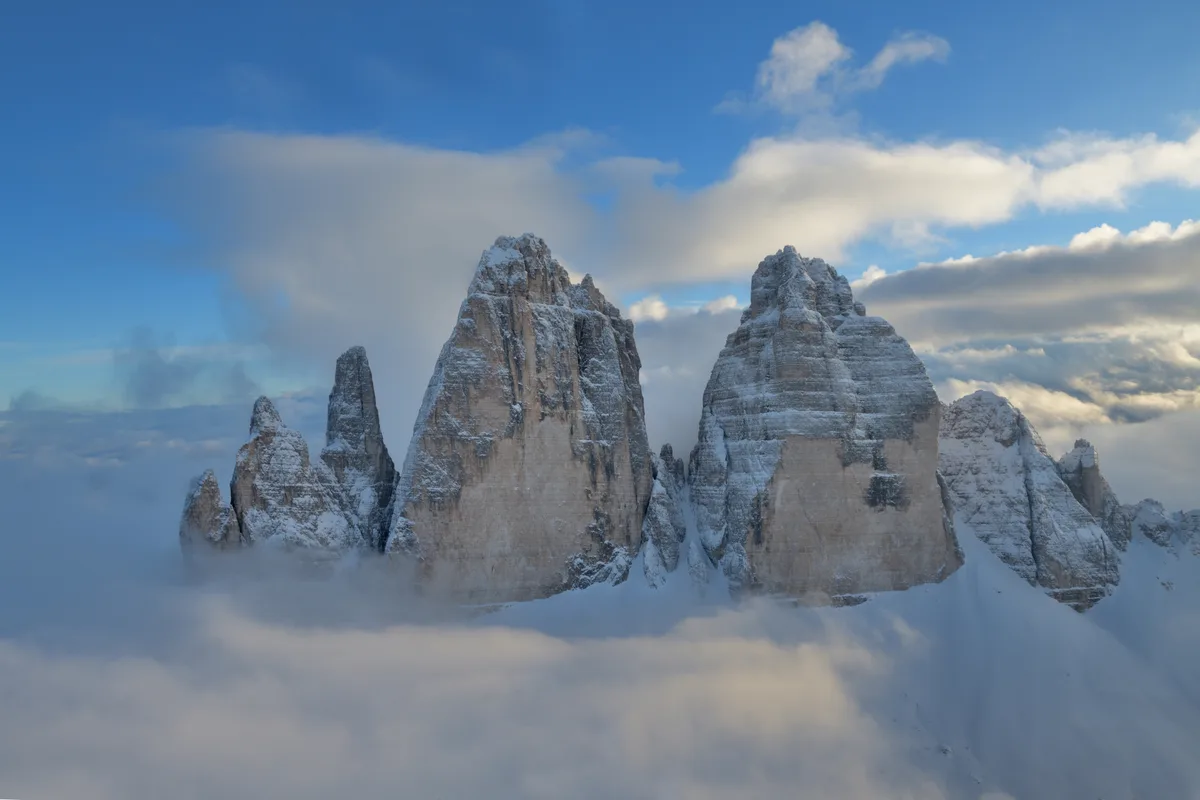
1933 Comici & Dimai Cima Grande North Face First Ascent
On August 12–14, 1933, Emilio Comici and Cortina guides Angelo and Giuseppe Dimai conquered the overhanging 550-metre North Face of Cima Grande di Lavaredo, heralding the golden era of sixth-grade big wall climbing.
Associated Chronicles & Stories (1)
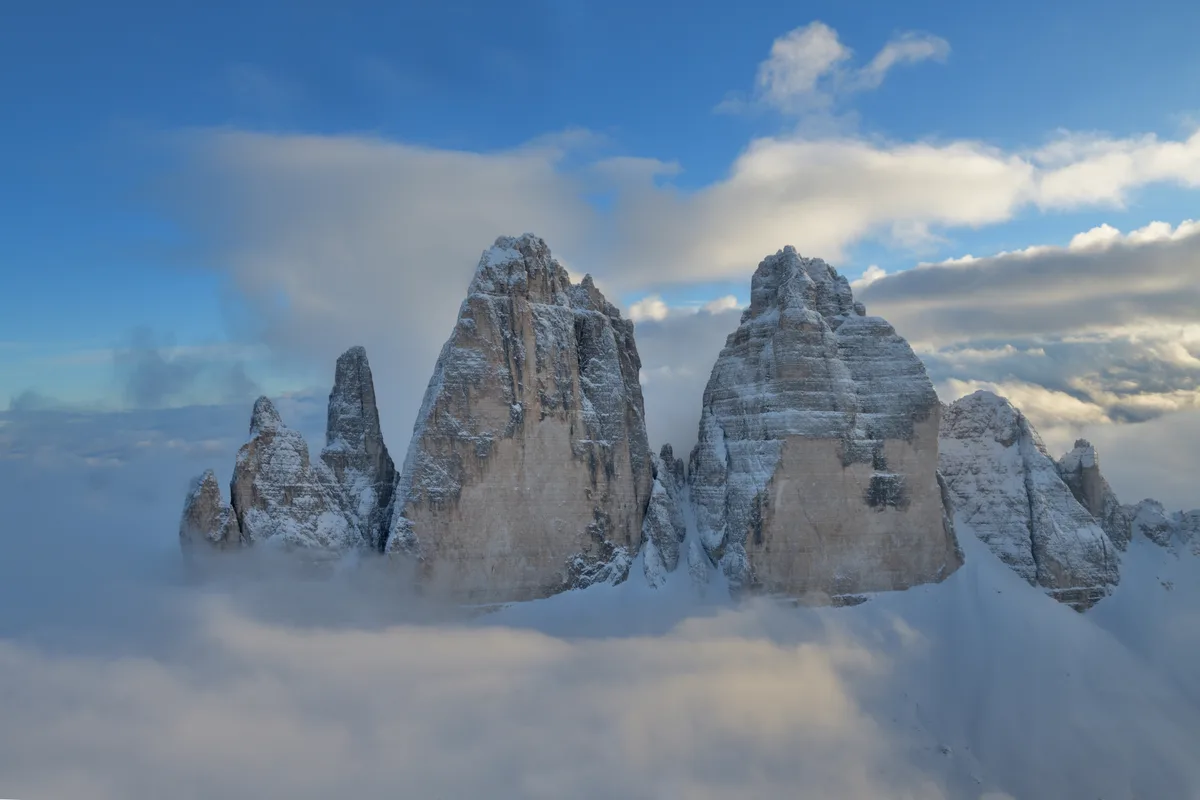
The Direct Line: Emilio Comici's 1933 Conquest of Cima Grande's Yellow Wall
On August 12–14, 1933, Emilio Comici and the Dimai brothers unlocked the terrifying overhanging North Face of Cima Grande di Lavaredo, pioneering sixth-grade big wall climbing and the aesthetic ideal of the direttissima.
Documented Sources & Archival Citations
- Alpinismo Eroico(Emilio Comici / Hoepli, Milan)
Supporting claim: Autobiographical climbing philosophy and technical journals of Comici's major ascents
Accessed/Documented: 2026 - Emilio Comici: L'angelo delle Dolomiti(David Smart / Vertebrate Publishing)
Supporting claim: Award-winning definitive biography of Comici's climbing career, style, and ethics
Accessed/Documented: 2026