1999 Tomaž Humar Dhaulagiri South Face Solo Expedition
In October and November 1999, Slovenian alpinist Tomaž Humar made world mountaineering history by completing an audacious solo first ascent of the terrifying 4,000-meter South Face of Dhaulagiri I (8,167m) without supplemental oxygen in a nine-day push.
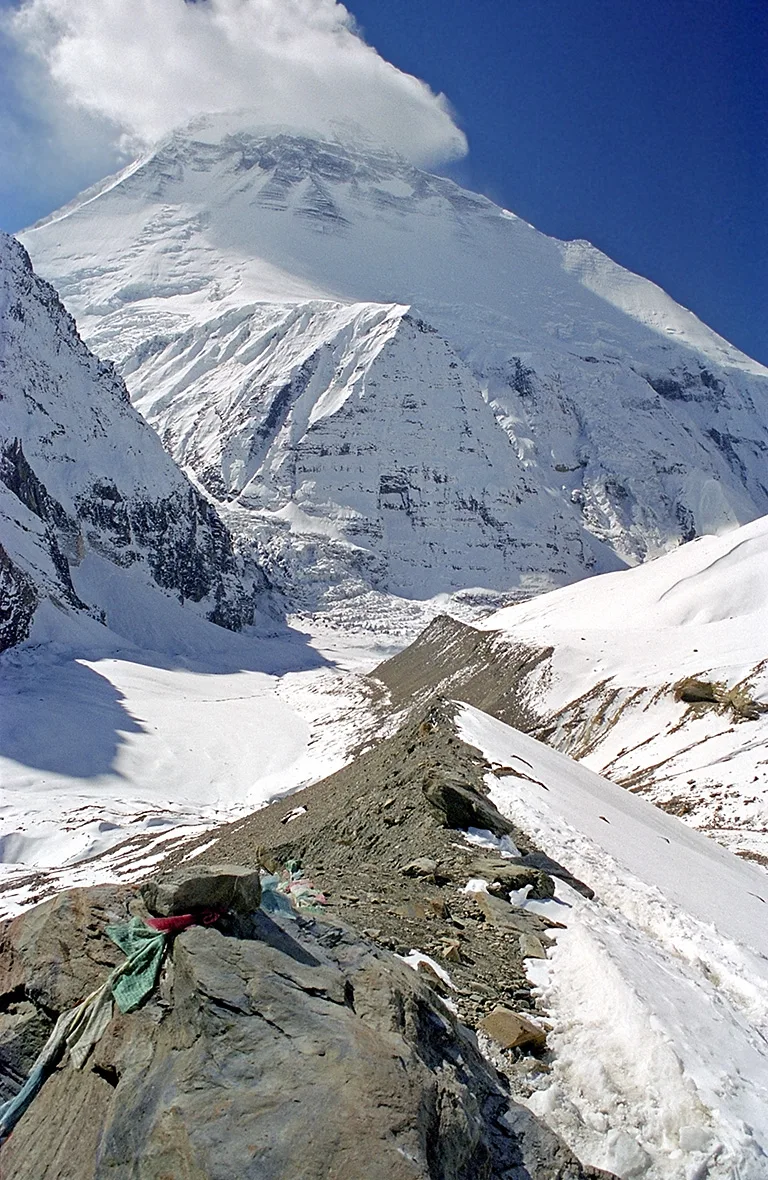
Mountain Safety & Conditions Disclaimer: High-altitude climbing, glacial travel, and technical ascents entail severe objective risks including avalanches, serac collapses, rapid weather collapse, and altitude illness. Historical route descriptions and summit claims on Mountanity reflect documented archival sources and must not be used as live operational safety assessments. Local regulations, permits, and physical glacial topography change continuously.
Peer Review: Senior Editorial Board & Historical Reviewers • Editorial Standards
Official Expedition Narrative & Archival Record
Rising 4,000 vertical meters of sheer vertical limestone, fluted ice, and hanging seracs, the South Face of Dhaulagiri I is one of the most fearsome and deadly precipices on Earth. In the autumn of 1999, 30-year-old Slovenian climber Tomaž Humar arrived alone at the foot of the wall, determined to attempt what many considered suicidal: a solo climb directly up the central face in pure alpine style. Carrying no radio for rescue, no fixed ropes, and no supplemental bottled oxygen, Humar stepped onto the frozen wall on October 24. For nine harrowing days, Humar negotiated sustained mixed pitches up to Grade V and WI5, sleeping in solitary hanging bivouacs under sub-zero blizzards and dodging massive spindrift avalanches that threatened to sweep him into the abyss. Traversing out of the lethal central couloir onto the upper headwall, Humar reached 8,000 meters before connecting with the upper Southeast Ridge. On November 2, 1999, he reached the 8,167-meter summit of Dhaulagiri I, completing what Reinhold Messner hailed as 'the climb of the decade'.
Documented Team Composition
- Tomaž Humar (Solo Alpinist, Slovenia)
Key Statistics & Topographic Figures
- Wall Height
- 4,000 Vertical Metres
South Face of Dhaulagiri I (8,167m)
- Ascent Style
- Solo Alpine Style
No Oxygen, No Fixed Ropes, No High Camp Support
- Climb Duration
- 9 Days (Oct 24 – Nov 2, 1999)
Nine Consecutive Solitary Hanging Bivouacs
- Summit Date
- November 2, 1999 (12:00 PM)
Reached 8,167m Summit via Southeast Ridge
- Historical Acclaim
- Climb of the Decade
Hailed by Reinhold Messner and International Media
Archival Primary Source Quotations
“I am not alone here on the wall; the mountain is speaking, and I have to listen to its every whisper.”
Defined Alpine Terminology & Concepts
- Alpine Style Solo
- A solo climb undertaken in a single continuous push carrying all gear, without pre-placed fixed ropes, high-altitude support climbers, or supplemental oxygen.
- Spindrift Avalanche
- Fine, powdery snow blown off high ridges that cascades down steep rock walls like a frozen waterfall, capable of suffocating climbers on hanging ledges.
Frequently Asked Questions: 1999 Tomaž Humar Dhaulagiri South Face Solo Expedition
What route did Tomaž Humar climb solo on Dhaulagiri in 1999?
Tomaž Humar opened a bold new direct route on the 4,000-metre South Face of Dhaulagiri I (8,167m), climbing solo in pure alpine style without supplemental oxygen.
How long did Tomaž Humar take to solo the South Face of Dhaulagiri?
Humar spent nine solitary days on the vertical wall between October 24 and November 2, 1999, enduring hanging bivouacs under sub-zero blizzards.
Did Tomaž Humar use supplemental oxygen on Dhaulagiri in 1999?
No, Humar climbed without supplemental bottled oxygen, without fixed ropes, and without high-altitude porter support in pure lightweight alpine style.
Why did Tomaž Humar traverse away from the central couloir on Dhaulagiri?
The central couloir was constantly swept by lethal avalanches and rockfall, forcing Humar to execute a delicate rightward traverse across 80-degree mixed rock slabs.
Where did Tomaž Humar bivouac during his Dhaulagiri South Face climb?
Humar carved tiny perches directly out of 70-degree blue ice every night, sleeping inside his frozen bivy sack suspended only by ice screws above thousands of metres of empty air.
How was Tomaž Humar’s 1999 Dhaulagiri climb broadcast to the world?
Using a lightweight satellite phone to transmit daily audio reports to Base Camp, Humar’s climb was followed live online by millions in Slovenia in an early digital media landmark.
What did Reinhold Messner say about Tomaž Humar’s Dhaulagiri solo?
Reinhold Messner celebrated Humar’s solo ascent of Dhaulagiri’s South Face as "the climb of the decade," praising his pure alpine vision and supreme courage.
What grade of technical difficulty did Humar overcome on Dhaulagiri?
Humar overcame sustained mixed pitches up to UIAA Grade V and water ice WI5 on shattered, unconsolidated limestone at altitudes above 7,500 metres.
Ascent Route & Topography
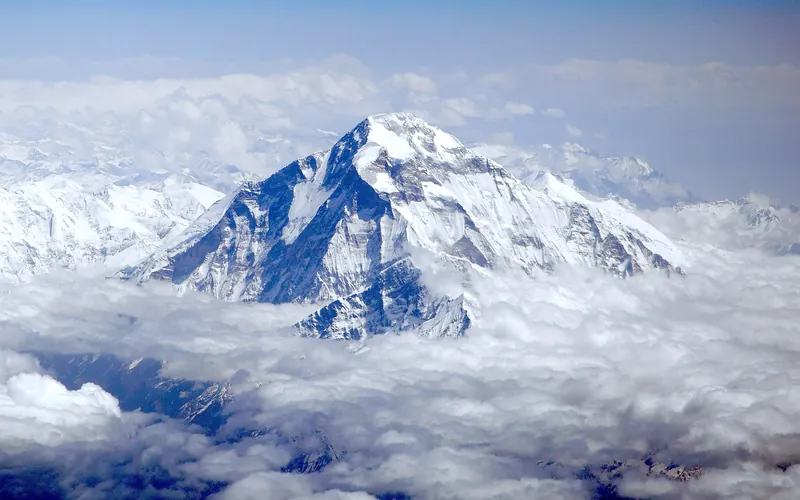
Dhaulagiri I Northeast Ridge (Normal Route)
The Northeast Ridge is the standard climbing route on Dhaulagiri I, first ascended in 1960 by a Swiss-Austrian team. The route begins on the glaciated Mayangdi Khola valley, climbs to the Northeast Col (5,700m), and works its way up the mountain's north-northeast face. The upper section traverses steep, wind-scoured blue ice shelves below the summit rocks and negotiates a final, exposed couloir leading directly to the 8,167m summit.
Target Objective Peak
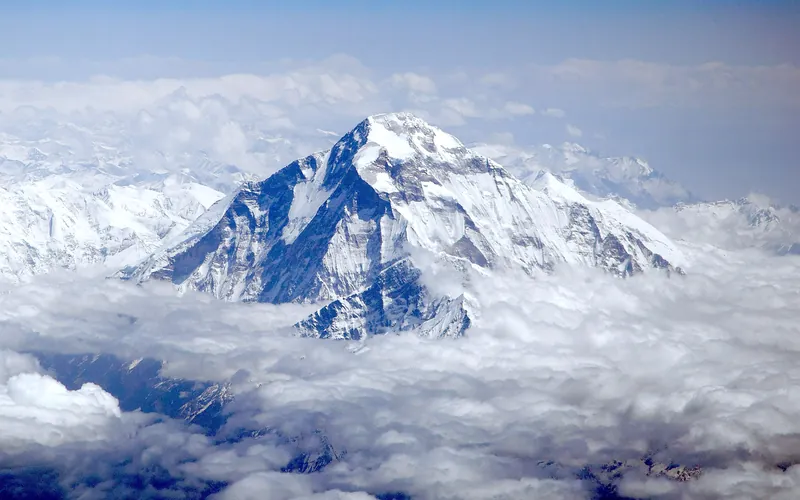

Dhaulagiri I
Dhaulagiri I, at 8,167 meters (26,795 ft), is the seventh-highest mountain on Earth and the highest peak situated entirely within Nepal. Rising steeply above the Kali Gandaki Gorge—the deepest gorge on Earth—opposite Annapurna, Dhaulagiri forms a staggering 7,000-meter vertical rise from the river valley.
Featured Expedition Climber
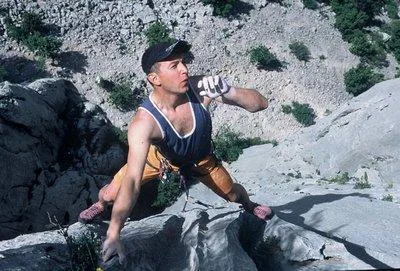
Tomaž Humar
Tomaž Humar was born on February 18, 1969, in Ljubljana, Slovenia (then Yugoslavia), and grew up in Kamnik beneath the sheer limestone towers of the Kamnik-Savinja Alps. A customs officer by training, Humar possessed volcanic physical energy, extraordinary technical agility on mixed rock and ice, and a spiritual, almost mystical devotion to extreme solo climbing. He completed over 1,500 ascents across the European Alps, specializing in committing, unassisted solo pushes. In 1996, Humar achieved international recognition alongside Vanja Furlan by opening a direct new route on the Northwest Face of Ama Dablam (6,812m), for which they were awarded the prestigious Piolet d'Or. In 1997, he summited Gasherbrum II (8,035m) and Gasherbrum I (8,080m) in a single season. But Humar's defining triumph came in October 1999 on Dhaulagiri I (8,167m). Climbing completely alone, without supplemental bottled oxygen, without pre-fixed ropes, and carrying only a light backpack, Humar pioneered an astounding direct route up the sheer 4,000-meter South Face—a wall that had claimed numerous elite lives. Reinhold Messner famously hailed Humar's nine-day solo ascent as 'the greatest climb of the decade'. In August 2005, Humar attempted a bold solo ascent of the colossal Rupal Face of Nanga Parbat (8,126m) in Pakistan. Trapped on a tiny ice ledge at 6,000 meters for six days in a blinding tempest with melting snow dripping onto his sleeping bag, Humar was saved in one of the most daring helicopter rescue operations in aviation history, plucked off the vertical wall on a long-line sling by Pakistan Army pilots Lieutenant Colonel Rashid Ullah Beg and Major Khalid Amir Rana. Undaunted, Humar continued to climb extreme peaks. In November 2009, while making a solo ascent of the South Face of Langtang Lirung (7,227m) in Nepal, Humar suffered a fatal fall at age 40, remembered forever as one of the most passionate and fearless figures in modern mountaineering.
Associated Historical Chronicles & Stories
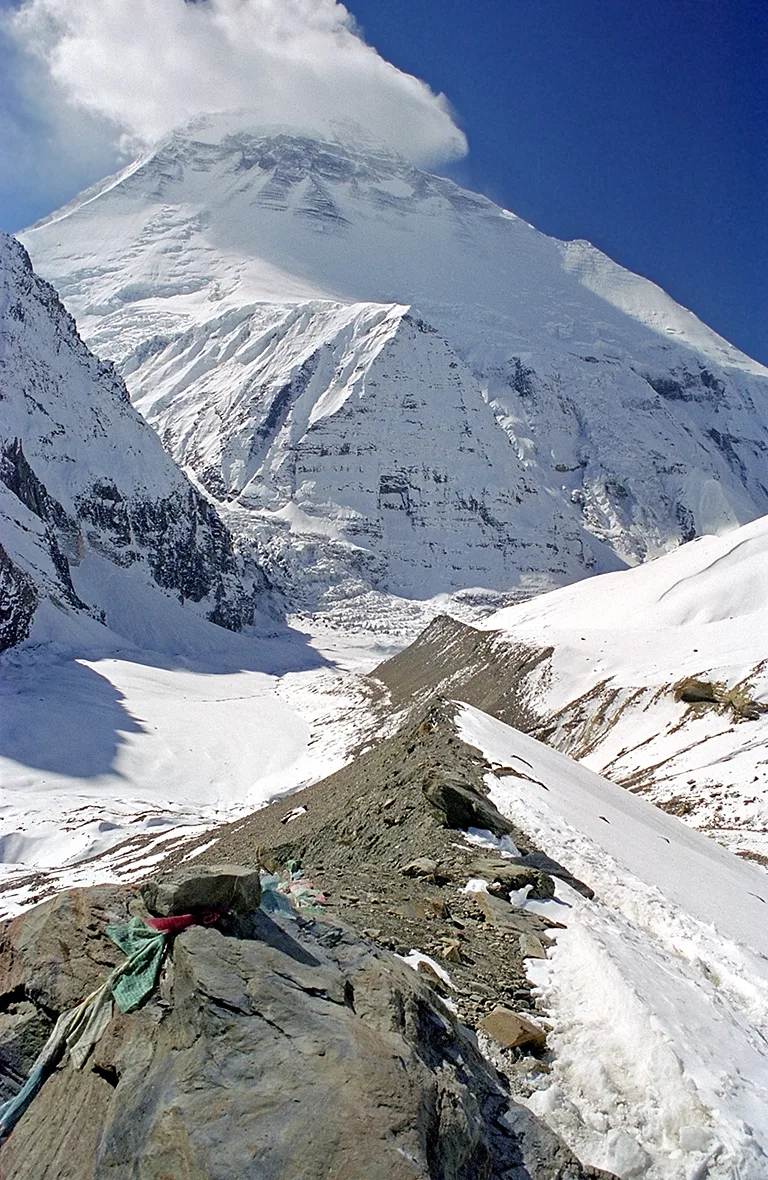
The Third Eye: Tomaž Humar's Audacious Solo of Dhaulagiri South Face
In October 1999, Slovenian visionary Tomaž Humar spent nine solitary days ascending the lethal 4,000-meter South Face of Dhaulagiri without oxygen or ropes, creating the climb of the decade.
Documented Sources & Archival Citations
- American Alpine Journal: Dhaulagiri South Face Solo by Tomaž Humar(American Alpine Club)
Supporting claim: Official verification of the 1999 Dhaulagiri South Face direct solo route
Accessed/Documented: 2000 - Alpinist Magazine: The Dhaulagiri Vision of Tomaž Humar(Alpinist)
Supporting claim: Comprehensive retrospective and technical analysis of the 4,000-meter South Face solo
Accessed/Documented: 2004