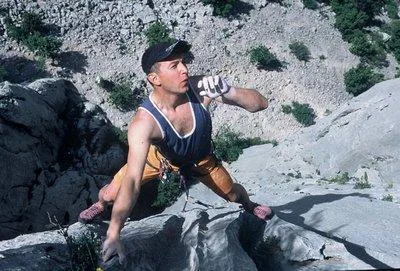
Tomaž Humar
Tomaž Humar (1969–2009) was an audacious Slovenian solo alpinist whose high-risk, lightweight ascents of extreme Himalayan walls captivated the global climbing community. In 1999, he stunned the mountaineering world with a solo first ascent of the 4,000-meter South Face of Dhaulagiri without supplemental oxygen, earning the Piolet d'Or and establishing his reputation as one of the boldest soloists in history.
Mountain Safety & Conditions Disclaimer: High-altitude climbing, glacial travel, and technical ascents entail severe objective risks including avalanches, serac collapses, rapid weather collapse, and altitude illness. Historical route descriptions and summit claims on Mountanity reflect documented archival sources and must not be used as live operational safety assessments. Local regulations, permits, and physical glacial topography change continuously.
Peer Review: Senior Editorial Board & Historical Reviewers • Editorial Standards
Biographical Record & Archival Chronicle
Tomaž Humar was born on February 18, 1969, in Ljubljana, Slovenia (then Yugoslavia), and grew up in Kamnik beneath the sheer limestone towers of the Kamnik-Savinja Alps. A customs officer by training, Humar possessed volcanic physical energy, extraordinary technical agility on mixed rock and ice, and a spiritual, almost mystical devotion to extreme solo climbing. He completed over 1,500 ascents across the European Alps, specializing in committing, unassisted solo pushes.
In 1996, Humar achieved international recognition alongside Vanja Furlan by opening a direct new route on the Northwest Face of Ama Dablam (6,812m), for which they were awarded the prestigious Piolet d'Or. In 1997, he summited Gasherbrum II (8,035m) and Gasherbrum I (8,080m) in a single season. But Humar's defining triumph came in October 1999 on Dhaulagiri I (8,167m). Climbing completely alone, without supplemental bottled oxygen, without pre-fixed ropes, and carrying only a light backpack, Humar pioneered an astounding direct route up the sheer 4,000-meter South Face—a wall that had claimed numerous elite lives. Reinhold Messner famously hailed Humar's nine-day solo ascent as 'the greatest climb of the decade'.
In August 2005, Humar attempted a bold solo ascent of the colossal Rupal Face of Nanga Parbat (8,126m) in Pakistan. Trapped on a tiny ice ledge at 6,000 meters for six days in a blinding tempest with melting snow dripping onto his sleeping bag, Humar was saved in one of the most daring helicopter rescue operations in aviation history, plucked off the vertical wall on a long-line sling by Pakistan Army pilots Lieutenant Colonel Rashid Ullah Beg and Major Khalid Amir Rana. Undaunted, Humar continued to climb extreme peaks. In November 2009, while making a solo ascent of the South Face of Langtang Lirung (7,227m) in Nepal, Humar suffered a fatal fall at age 40, remembered forever as one of the most passionate and fearless figures in modern mountaineering.
Notable Milestones & Ascents
- Completed a legendary solo first ascent of the 4,000-meter South Face of Dhaulagiri I (8,167m) without supplemental oxygen in October 1999
- Awarded the Piolet d'Or in 1996 with Vanja Furlan for the new route on the Northwest Face of Ama Dablam
- Summited Gasherbrum II (8,035m) and Gasherbrum I (8,080m) in rapid succession in 1997
- Survived six days trapped at 6,000 meters on Nanga Parbat's Rupal Face in 2005 before a historic Pakistan Army helicopter rescue
- Opened dozens of new mixed and ice routes in the Julian Alps, Kamnik Alps, and the Greater Ranges
- Conferred Slovenia's highest state decorations: the Golden Order for Services and the Bloudek Badge
Key Statistics & Topographic Figures
- Lifespan
- February 18, 1969 – November 10, 2009
Kamnik, Slovenia / Langtang Lirung, Nepal
- Dhaulagiri South Face Solo
- 4,000 Metres (9 Days, 1999)
Historic Solo First Ascent Without Oxygen
- Nanga Parbat Rescue Altitude
- 6,000 Metres (August 10, 2005)
Highest Long-Line Helicopter Rescue in History
- Piolet d’Or
- 1996 Winner
Awarded for Ama Dablam Northwest Face
- State Honors
- Golden Order for Services
Conferred by the President of the Republic of Slovenia
Archival Primary Source Quotations
“The mountain is not an enemy to be conquered; it is a mirror reflecting the deepest truth of who you are.”
Defined Alpine Terminology & Concepts
- Pure Alpine Style Solo
- Climbing a massive, technical high-altitude mountain face alone without pre-placed fixed ropes, high-altitude support climbers, or supplemental bottled oxygen.
- Long-Line Helicopter Rescue
- An aerial rescue technique where a helicopter hovers near a vertical cliff and lowers a weighted rope sling to extract a trapped climber without landing.
Frequently Asked Questions: Tomaž Humar
Who was Tomaž Humar and what were his greatest mountaineering accomplishments?
Tomaž Humar (1969–2009) was an iconic Slovenian solo alpinist famous for his nine-day solo first ascent of the 4,000-metre South Face of Dhaulagiri in 1999 without bottled oxygen.
How did Tomaž Humar climb the South Face of Dhaulagiri in 1999?
Humar climbed the terrifying 4,000-metre limestone and ice face completely alone, without fixed ropes, without support, and without bottled oxygen over nine days in October–November 1999.
Why did Reinhold Messner call Tomaž Humar’s Dhaulagiri climb the achievement of the decade?
Messner praised Humar because the solo ascent shattered traditional heavy siege tactics, proving an elite soloist could climb the largest Himalayan walls in lightweight alpine style.
What happened during Tomaž Humar’s dramatic 2005 rescue on Nanga Parbat?
In August 2005, Humar was trapped by avalanches at 6,000 metres on Nanga Parbat’s Rupal Face for six days before being rescued by Pakistan Army Aviation in a historic helicopter operation.
Who rescued Tomaž Humar from Nanga Parbat’s Rupal Face?
Pakistan Army Aviation pilots Lieutenant Colonel Rashid Ullah Beg and Major Khalid Amir Rana plucked Humar from the vertical wall using a weighted 25-metre long-line sling.
Did Tomaž Humar climb using supplemental bottled oxygen?
No, Tomaž Humar strictly adhered to alpine style ethics and never used supplemental bottled oxygen on any of his extreme high-altitude solo climbs.
Where and when did Tomaž Humar tragically die?
Humar died on November 10, 2009, after sustaining severe fractures while attempting a solo climb on the South Face of Langtang Lirung (7,227m) in Nepal.
What awards did Tomaž Humar win for his mountaineering achievements?
Humar won the prestigious Piolet d’Or in 1996 for the Northwest Face of Ama Dablam and was awarded Slovenia’s Golden Order for Services and the Bloudek Badge.
Associated Summits (5)
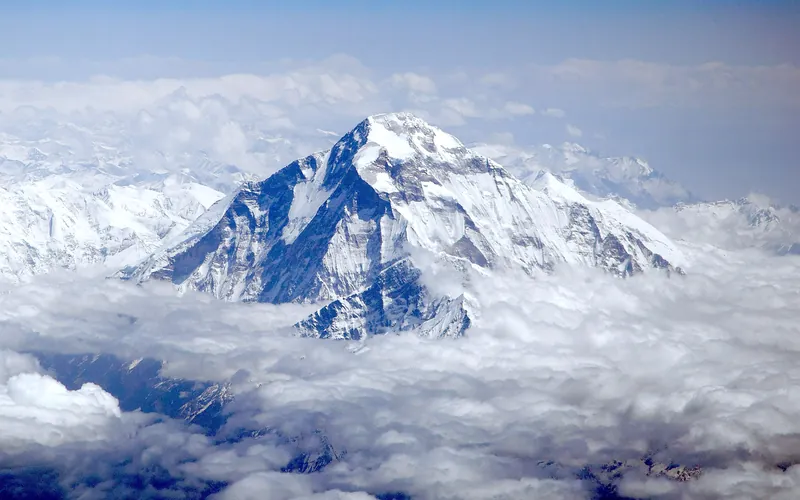

Dhaulagiri I
Dhaulagiri I, at 8,167 meters (26,795 ft), is the seventh-highest mountain on Earth and the highest peak situated entirely within Nepal. Rising steeply above the Kali Gandaki Gorge—the deepest gorge on Earth—opposite Annapurna, Dhaulagiri forms a staggering 7,000-meter vertical rise from the river valley.


Nanga Parbat
Nanga Parbat, at 8,126 meters (26,660 ft), is the ninth-highest mountain on Earth and the western anchor of the Himalayas in Pakistan. It boasts the Rupal Face, the highest vertical precipice in the world at 4,600 meters from valley floor to summit. Known for profound climbing history, highlighted by Hermann Buhl's legendary solo summit without supplemental oxygen in 1953.
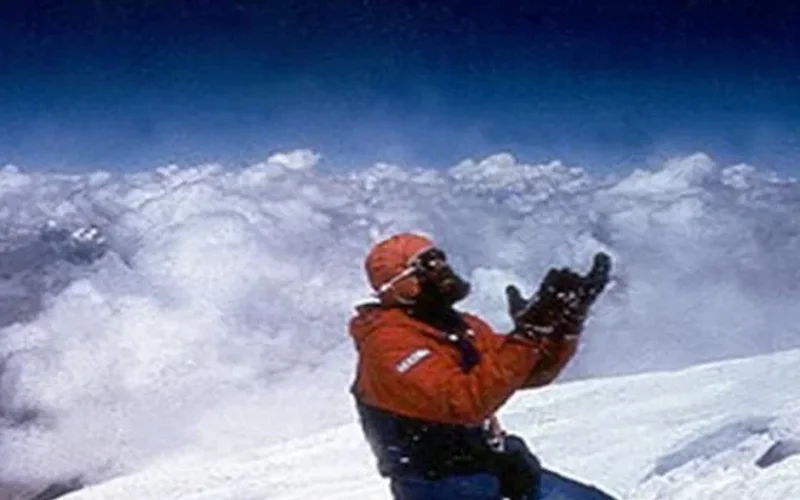

Gasherbrum I
Gasherbrum I, at 8,068 meters (26,470 ft), is the eleventh-highest mountain in the world. Named 'Hidden Peak' by explorer William Martin Conway due to its concealment behind surrounding Karakoram giants, it stands on the border between Pakistan and China. The peak was first climbed in 1958 by an American team led by Nick Clinch, and in 1992 Nazir Sabir summited it with Rajab Shah and Mehrban Shah, marking his fourth Pakistani eight-thousander.
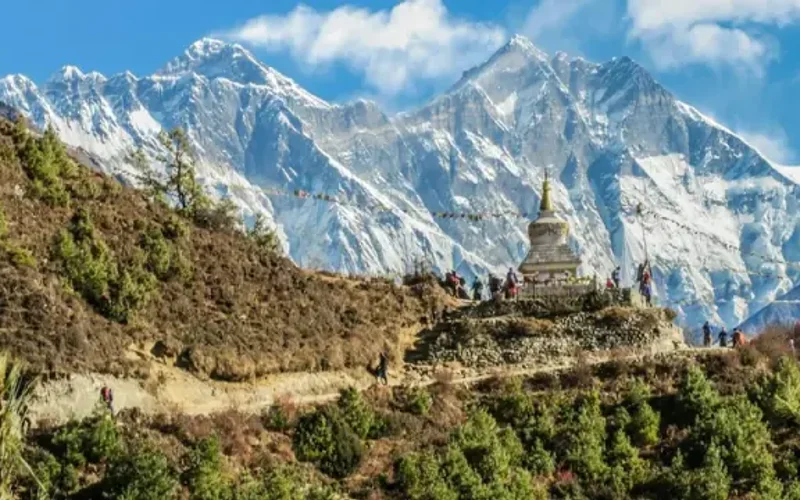
Gasherbrum II
Gasherbrum II, standing at 8,035 meters (26,362 ft), is the thirteenth-highest mountain on Earth and the third-highest peak of the Gasherbrum massif in the Karakoram. Located at the head of the Baltoro Glacier on the Pakistan-China frontier, it features a classic pyramidal profile with challenging ice couloirs. First summited in 1956 by an Austrian team, it was famously climbed in pure alpine style in 1982 by Reinhold Messner, Nazir Sabir, and Sher Khan.
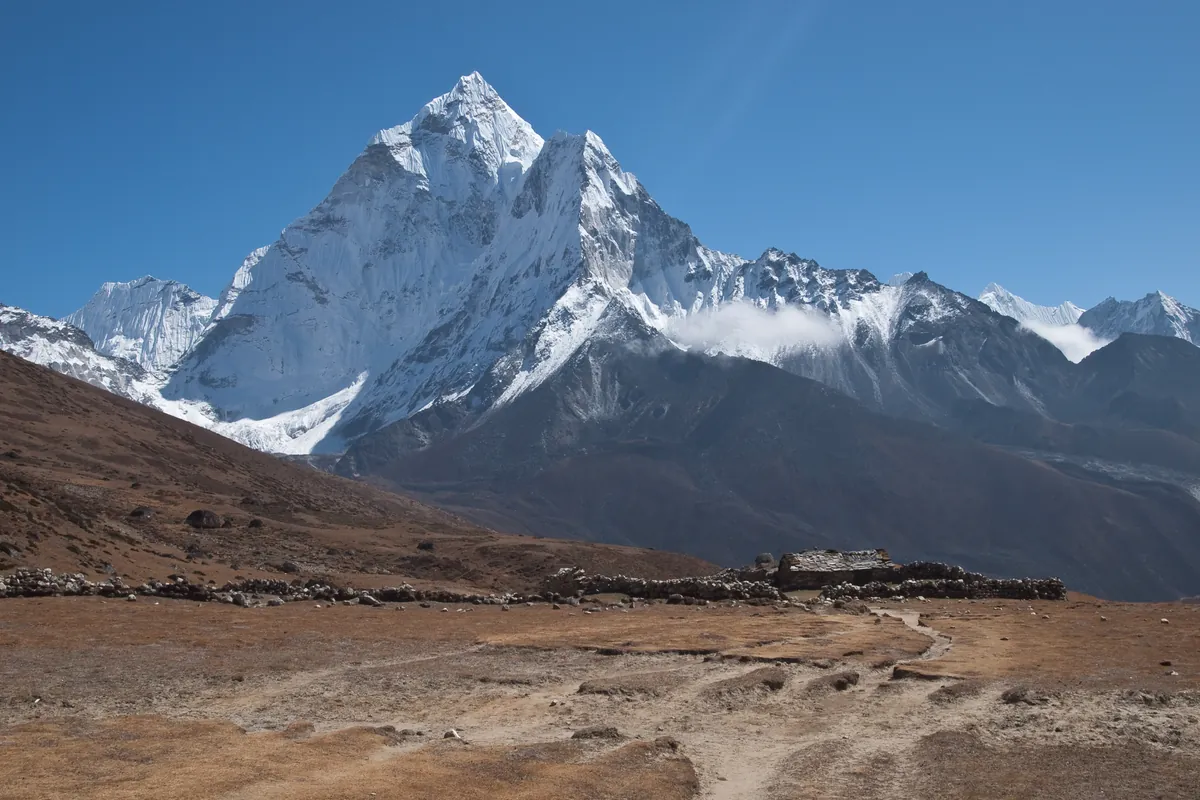
Ama Dablam
Ama Dablam is an iconic 6,812-meter (22,349 ft) mountain in the eastern Himalayan region of Nepal. Renowned worldwide for its soaring granite ridges and hanging glaciers, it is often called the Matterhorn of the Himalayas. Its name translates as 'Mother's Necklace', referring to the hanging serac resembling a traditional Sherpa pendant. Sir Edmund Hillary conceived and led the 1960–1961 Silver Hut Expedition that unlocked the mountain. On January 15, 1961, Hillary's assault team achieved the historic first ascent via the Southwest Ridge. It remains one of the most aesthetic and technically demanding alpine ascents in the world.
Pioneered & Associated Routes (8)
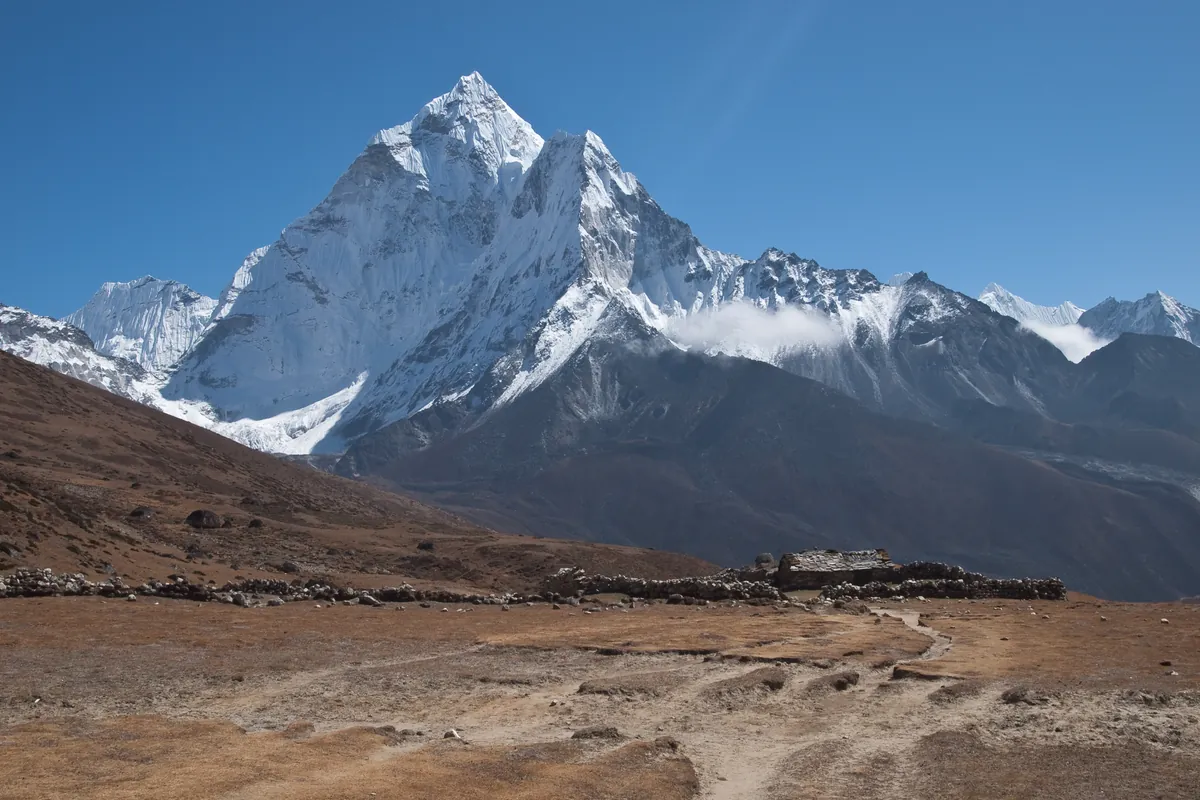
Southwest Ridge of Ama Dablam (Normal Route)
The Southwest Ridge is the iconic classic route on Ama Dablam and one of the finest technical ridge ascents in the Himalayas. First climbed on January 15, 1961, by Sir Edmund Hillary's Silver Hut Expedition team, the route climbs soaring granite towers, knife-edge snow flutings, and steep ice beneath the hanging Dablam glacier. The route features famous technical cruxes including the vertical granite Yellow Tower (UIAA 5.7), the breathtaking exposed Mushroom Ridge, and a steep final ice pitch to the 6,812-meter apex.
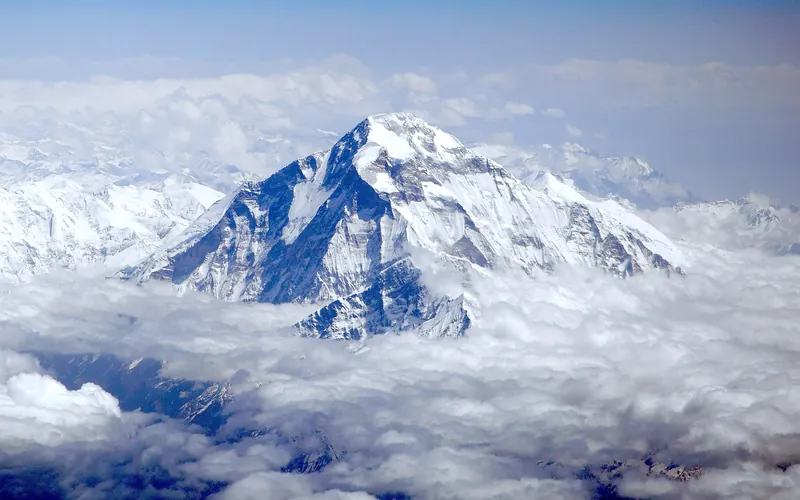
Dhaulagiri I Northeast Ridge (Normal Route)
The Northeast Ridge is the standard climbing route on Dhaulagiri I, first ascended in 1960 by a Swiss-Austrian team. The route begins on the glaciated Mayangdi Khola valley, climbs to the Northeast Col (5,700m), and works its way up the mountain's north-northeast face. The upper section traverses steep, wind-scoured blue ice shelves below the summit rocks and negotiates a final, exposed couloir leading directly to the 8,167m summit.
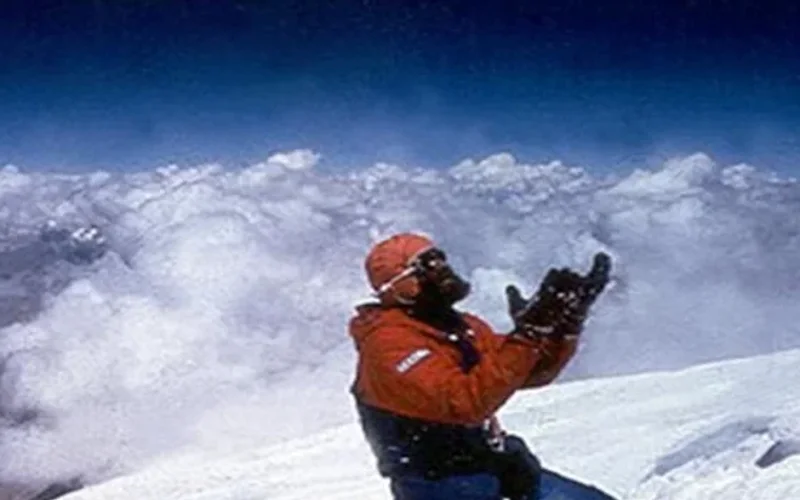
Northwest Face & Japanese Couloir (Normal Route)
The Northwest Face via the Japanese Couloir is the standard and most frequently climbed line on Gasherbrum I (8,068m / Hidden Peak). Starting from the South Gasherbrum Glacier, climbers traverse the shared lower icefall into the Gasherbrum Cwm, then branch southward toward the forbidding northwest wall. The technical centerpiece is the Japanese Couloir—a sustained 50 to 60-degree gully of hard blue ice and shattered rock leading to the high col and summit slopes. First ascended in 1958 by Americans Pete Schoening and Andy Kauffman via the South Ridge, the Japanese Couloir line became the modern benchmark, climbed rapidly in 1992 by Nazir Sabir, Rajab Shah, and Mehrban Shah.
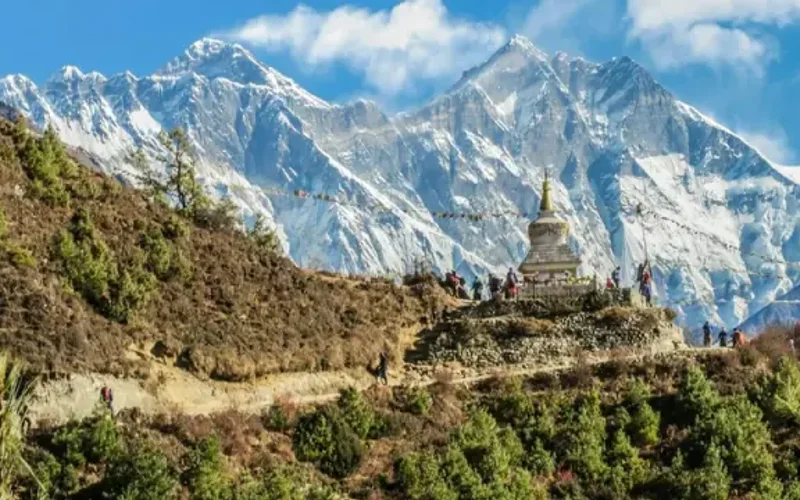
Southwest Ridge (Normal Route)
The Southwest Ridge is the standard and historically celebrated route on Gasherbrum II (8,035m). Starting from the South Gasherbrum Glacier, climbers navigate the heavily crevassed lower icefall into the Gasherbrum Cwm before tackling the technical crux of the route: the steep mixed snow and ice crest known as the Banana Ridge. Above Camp III, the route traverses expansive snow basins into the Death Zone, making a final push up a delicate diagonal couloir to the summit. First climbed in 1956 by an Austrian team, and completed in rapid alpine style in 1982 by Reinhold Messner, Nazir Sabir, and Sher Khan.
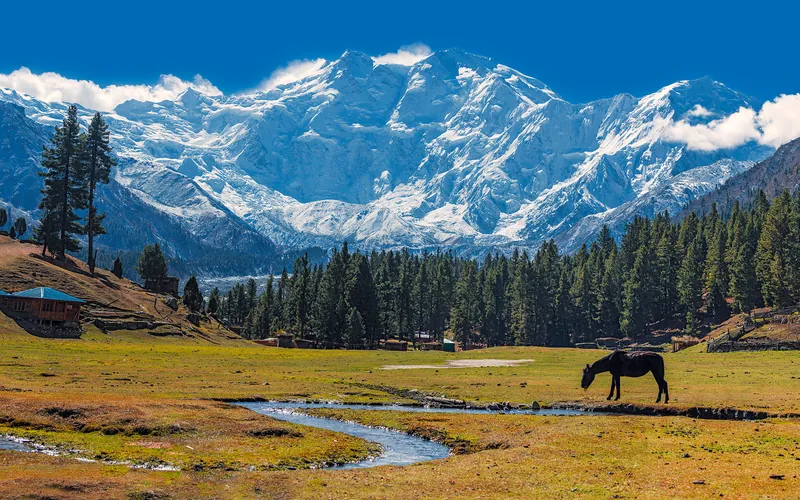
Kinshofer Route (Diamir Face)
The Kinshofer Route is the standard climbing route up the Diamir Face on Nanga Parbat's western side. First climbed in 1962 by German mountaineer Toni Kinshofer and his teammates, it is famous for its early vertical crux, the Kinshofer Wall, which sits low on the mountain between Camp I and Camp II. Once past the wall, climbers face a massive glaciated amphitheater leading up into the freezing upper Bazhin Basin and summit shoulder.
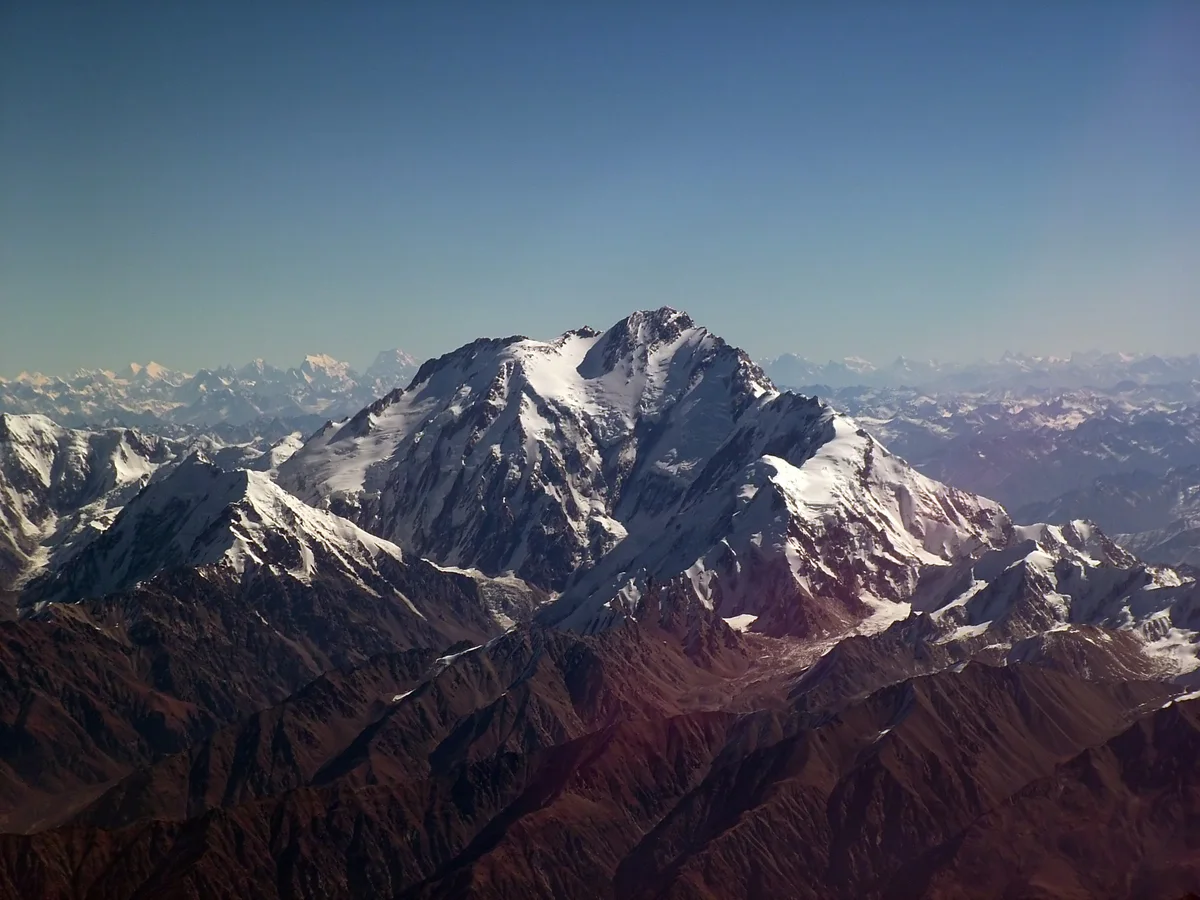
Mazeno Ridge Complete Traverse
The Mazeno Ridge of Nanga Parbat is widely considered the longest and most demanding high-altitude ridge on any eight-thousander, stretching an unbelievable 10 kilometres in length and traversing eight subsidiary peaks exceeding 7,000 metres before meeting the final summit pyramid. Long dubbed the last great problem of the Western Himalaya, it defeated numerous elite expeditions over three decades until British veterans Sandy Allan and Rick Allen completed the first full integral traverse and summit push in pure alpine style over eighteen heroic days in July 2012.
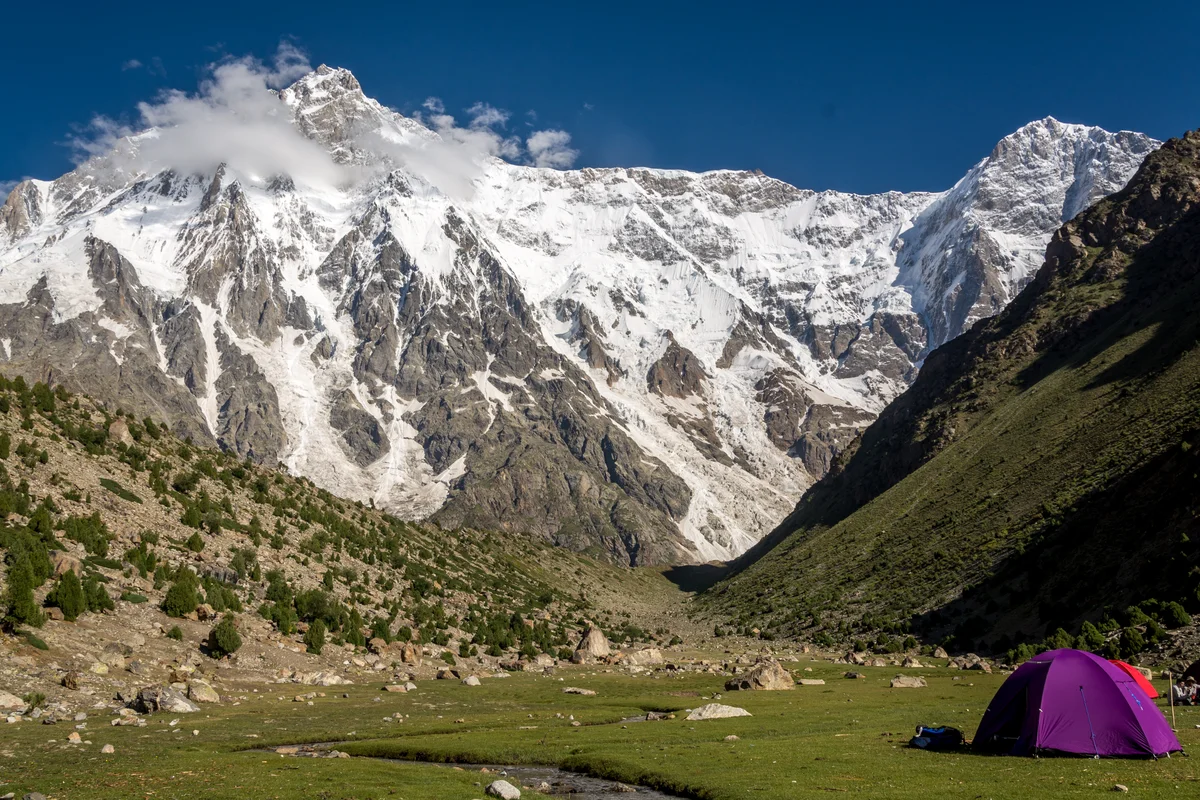
Central Pillar of the Rupal Face Direct
The Central Pillar of the Rupal Face on Nanga Parbat is the greatest vertical mountain wall on Earth, rising an astounding 4,100 metres from the Rupal Valley floor to the 8,126-metre summit. First attempted over decades, it was conquered in pure, lightweight alpine style between September 1 and 8, 2005, by American alpinists Steve House and Vince Anderson without fixed ropes, high camps, or supplemental oxygen, earning them the prestigious Piolet d'Or.
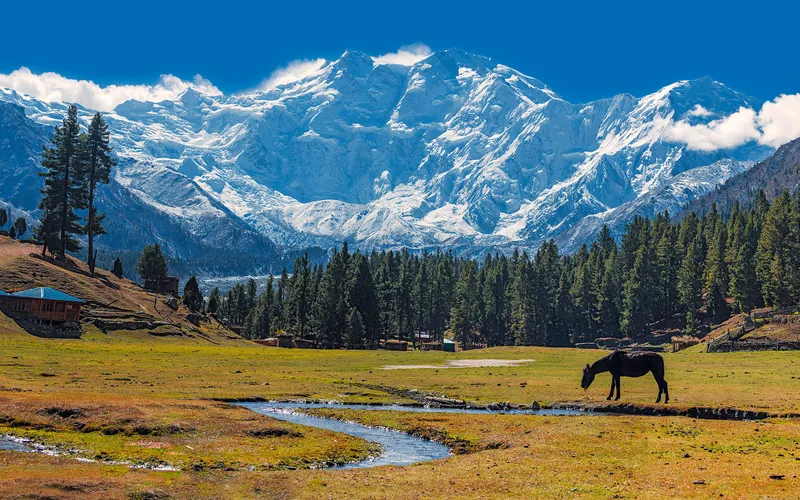
Rakhiot Flank & East Ridge (Original 1953 Route)
The historic original route on Nanga Parbat (8,126m), ascending from the Rakhiot Glacier over the heavily crevassed Rakhiot Icefall to reach the colossal Silbersattel (Silver Saddle) at 7,450 meters. From the saddle, the route traverses an immense high snow plateau for over three kilometers before negotiating the Bazhin Gap and climbing steep mixed rock ribs up the summit pyramid. Immortalized by Hermann Buhl's epic 41-hour solo summit without supplemental oxygen in July 1953.
Documented Expeditions (2)
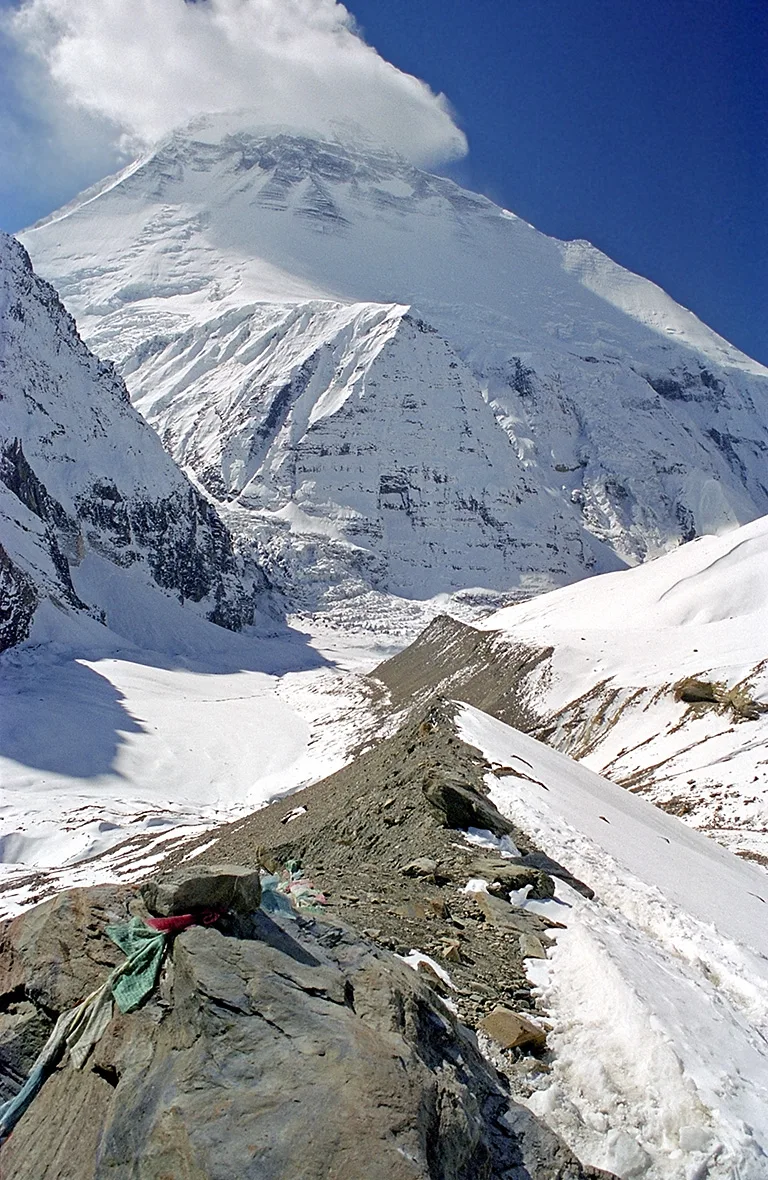
1999 Tomaž Humar Dhaulagiri South Face Solo Expedition
In October and November 1999, Slovenian alpinist Tomaž Humar made world mountaineering history by completing an audacious solo first ascent of the terrifying 4,000-meter South Face of Dhaulagiri I (8,167m) without supplemental oxygen in a nine-day push.
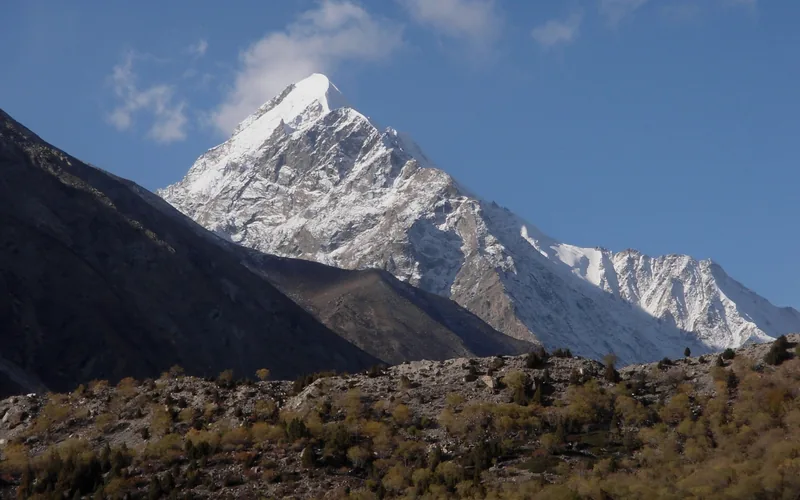
2005 Tomaž Humar Nanga Parbat Rupal Face Solo & Rescue Expedition
In August 2005, Slovenian solo alpinist Tomaž Humar was trapped by avalanches at 6,000 meters on the 4,500-meter Rupal Face of Nanga Parbat, surviving six days before being saved in one of the most daring helicopter rescues in aviation history by Pakistan Army pilots.
Associated Chronicles & Stories (2)
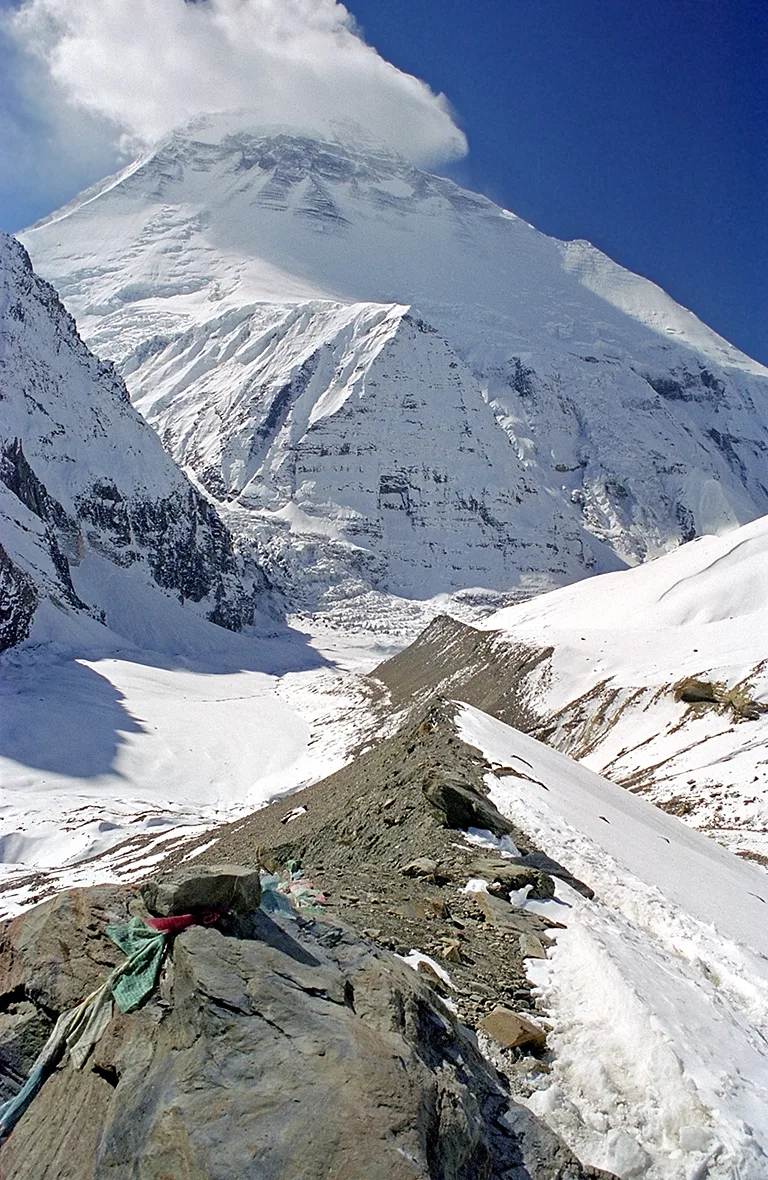
The Third Eye: Tomaž Humar's Audacious Solo of Dhaulagiri South Face
In October 1999, Slovenian visionary Tomaž Humar spent nine solitary days ascending the lethal 4,000-meter South Face of Dhaulagiri without oxygen or ropes, creating the climb of the decade.
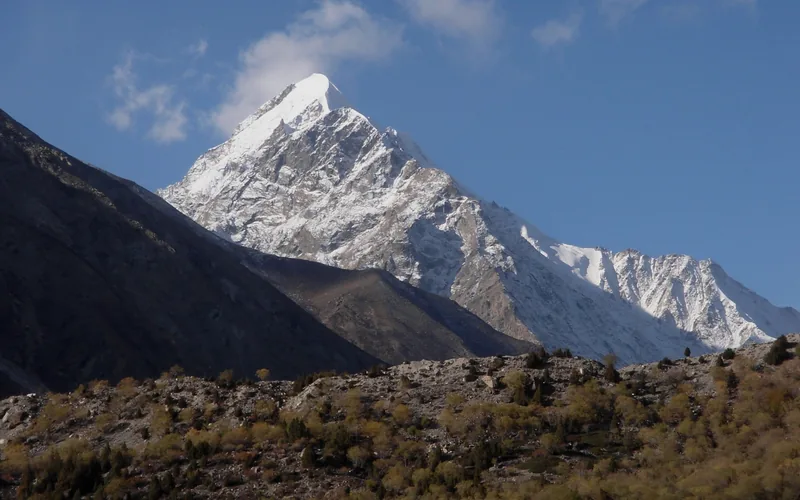
Trapped on the Rupal Wall: Tomaž Humar's Miracle Nanga Parbat Helicopter Rescue
In August 2005, Slovenian soloist Tomaž Humar was pinned by avalanches at 6,000 meters on Nanga Parbat's Rupal Face, surviving six days before a heroic Pakistan Army helicopter long-line rescue.
Documented Sources & Archival Citations
- American Alpine Journal: Dhaulagiri South Face Solo by Tomaž Humar(American Alpine Club)
Supporting claim: Official verification of the 1999 Dhaulagiri South Face direct solo route
Accessed/Documented: 2000 - National Geographic: Rescue on Nanga Parbat(National Geographic)
Supporting claim: Detailed documentation of the 2005 Rupal Face helicopter rescue by Pakistan Army Aviation
Accessed/Documented: 2005-09-01 - Tomaž Humar: Biography by Bernadette McDonald(Vertebrate Publishing)
Supporting claim: Comprehensive primary biography covering his climbing ethics, spirituality, and Himalayan ascents
Accessed/Documented: 2008