2005 Tomaž Humar Nanga Parbat Rupal Face Solo & Rescue Expedition
In August 2005, Slovenian solo alpinist Tomaž Humar was trapped by avalanches at 6,000 meters on the 4,500-meter Rupal Face of Nanga Parbat, surviving six days before being saved in one of the most daring helicopter rescues in aviation history by Pakistan Army pilots.
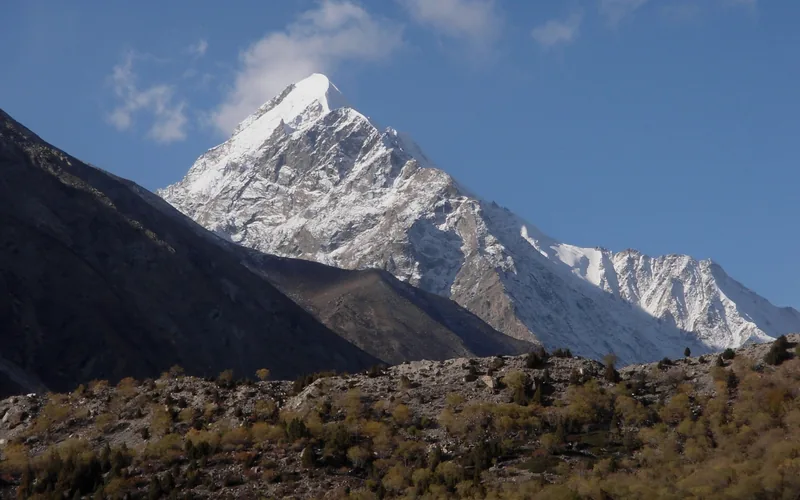
Mountain Safety & Conditions Disclaimer: High-altitude climbing, glacial travel, and technical ascents entail severe objective risks including avalanches, serac collapses, rapid weather collapse, and altitude illness. Historical route descriptions and summit claims on Mountanity reflect documented archival sources and must not be used as live operational safety assessments. Local regulations, permits, and physical glacial topography change continuously.
Peer Review: Senior Editorial Board & Historical Reviewers • Editorial Standards
Official Expedition Narrative & Archival Record
In late July 2005, renowned Slovenian soloist Tomaž Humar arrived beneath the colossal Rupal Face of Nanga Parbat (8,126m)—the tallest sheer rock and ice precipice on Earth, rising 4,500 vertical meters. Attempting a bold new direct line solo and in alpine style, Humar climbed swiftly to 6,000 meters before unseasonable warm weather triggered massive wet-snow avalanches that severed his retreat. Trapped on a tiny, ice-carved ledge barely wide enough to sit, Humar endured six days in a sodden sleeping bag as continuous spindrift cascaded over him. With frostbite setting in and battery power dwindling, international authorities and the Slovenian government appealed to the Government of Pakistan. In a breathtaking display of aviation courage on August 10, 2005, Pakistan Army Aviation pilots Lieutenant Colonel Rashid Ullah Beg and Major Khalid Amir Rana hovered an unarmed Eurocopter Lama helicopter into the turbulent updrafts inches from the vertical cliff, dropped a weighted long-line sling to Humar, and pulled him free into the sky, completing the highest long-line helicopter rescue from a mountain face in history.
Documented Team Composition
- Tomaž Humar (Solo Alpinist, Slovenia)
- Lt. Col. Rashid Ullah Beg (Rescue Pilot, Pakistan Army Aviation)
- Maj. Khalid Amir Rana (Rescue Co-Pilot, Pakistan Army Aviation)
Key Statistics & Topographic Figures
- Rescue Altitude
- 6,000 Vertical Metres
Rupal Face of Nanga Parbat (8,126m)
- Ordeal Duration
- 6 Days Trapped on Ledge
Sub-Zero Spindrift and Avalanches
- Rescue Date
- August 10, 2005
Historic 25m Long-Line Extraction
- Aircraft
- Eurocopter SA315B Lama
Stripped of All Non-Essential Weight for Maximum Lift
- Gallantry Award
- Sitara-i-Basalat
Conferred by the Government of Pakistan
Archival Primary Source Quotations
“This was not a flight into danger; this was a sacred duty to pull a fellow human being back from the abyss.”
Defined Alpine Terminology & Concepts
- Long-Line Helicopter Rescue
- An extreme aerial rescue method where a helicopter hovers near a cliff edge and drops a weighted rope with a harness to extract a person without landing.
- Rupal Face Escarpment
- The 4,500-metre south face of Nanga Parbat, recognized as the single highest continuous vertical rock and ice face on planet Earth.
Frequently Asked Questions: 2005 Tomaž Humar Nanga Parbat Rupal Face Solo & Rescue Expedition
Why was Tomaž Humar trapped on Nanga Parbat in August 2005?
Unseasonably warm temperatures triggered continuous wet-snow avalanches down the 4,500-metre Rupal Face, severing Humar’s climbing route and cutting off all descent.
How high on Nanga Parbat’s Rupal Face was Tomaž Humar stranded?
Humar was trapped at 6,000 metres on a tiny ice-carved ledge beneath an overhanging serac on the central Rupal Face.
How long did Tomaž Humar survive while trapped on Nanga Parbat?
Humar survived for six days and nights huddled in a sodden, freezing sleeping bag while continuous spindrift avalanches poured over his narrow perch.
Which helicopter unit performed the rescue of Tomaž Humar?
The 8th Squadron (the "Fearless") of the Pakistan Army Aviation Corps, flying a stripped-down Eurocopter SA315B Lama light helicopter, executed the rescue.
Who were the Pakistan Army pilots that rescued Tomaž Humar?
Lieutenant Colonel Rashid Ullah Beg and Major Khalid Amir Rana piloted the aircraft and guided the long-line extraction on August 10, 2005.
What rescue method was used to pluck Humar from the cliff?
The pilots lowered a 25-metre weighted long line with a rescue sling; Humar clipped into the carabiner and cut his anchors, flying suspended beneath the helicopter.
Why was the Nanga Parbat helicopter rescue considered near impossible?
At 6,000 metres, air density is critically low, pushing the helicopter beyond its normal flight ceiling while turbulent face downdrafts threatened to slam the rotors into the cliff.
What military honors were awarded to the Pakistan Army rescue pilots?
Lieutenant Colonel Rashid Ullah Beg and Major Khalid Amir Rana were awarded the Sitara-i-Basalat, Pakistan’s prestigious military gallantry decoration.
Ascent Route & Topography
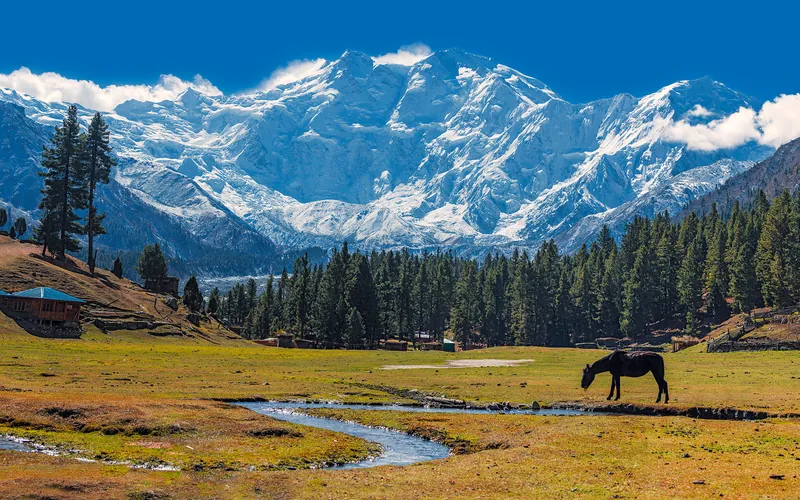
Kinshofer Route (Diamir Face)
The Kinshofer Route is the standard climbing route up the Diamir Face on Nanga Parbat's western side. First climbed in 1962 by German mountaineer Toni Kinshofer and his teammates, it is famous for its early vertical crux, the Kinshofer Wall, which sits low on the mountain between Camp I and Camp II. Once past the wall, climbers face a massive glaciated amphitheater leading up into the freezing upper Bazhin Basin and summit shoulder.
Target Objective Peak


Nanga Parbat
Nanga Parbat, at 8,126 meters (26,660 ft), is the ninth-highest mountain on Earth and the western anchor of the Himalayas in Pakistan. It boasts the Rupal Face, the highest vertical precipice in the world at 4,600 meters from valley floor to summit. Known for profound climbing history, highlighted by Hermann Buhl's legendary solo summit without supplemental oxygen in 1953.
Featured Expedition Climber
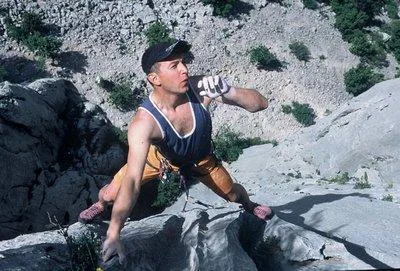
Tomaž Humar
Tomaž Humar was born on February 18, 1969, in Ljubljana, Slovenia (then Yugoslavia), and grew up in Kamnik beneath the sheer limestone towers of the Kamnik-Savinja Alps. A customs officer by training, Humar possessed volcanic physical energy, extraordinary technical agility on mixed rock and ice, and a spiritual, almost mystical devotion to extreme solo climbing. He completed over 1,500 ascents across the European Alps, specializing in committing, unassisted solo pushes. In 1996, Humar achieved international recognition alongside Vanja Furlan by opening a direct new route on the Northwest Face of Ama Dablam (6,812m), for which they were awarded the prestigious Piolet d'Or. In 1997, he summited Gasherbrum II (8,035m) and Gasherbrum I (8,080m) in a single season. But Humar's defining triumph came in October 1999 on Dhaulagiri I (8,167m). Climbing completely alone, without supplemental bottled oxygen, without pre-fixed ropes, and carrying only a light backpack, Humar pioneered an astounding direct route up the sheer 4,000-meter South Face—a wall that had claimed numerous elite lives. Reinhold Messner famously hailed Humar's nine-day solo ascent as 'the greatest climb of the decade'. In August 2005, Humar attempted a bold solo ascent of the colossal Rupal Face of Nanga Parbat (8,126m) in Pakistan. Trapped on a tiny ice ledge at 6,000 meters for six days in a blinding tempest with melting snow dripping onto his sleeping bag, Humar was saved in one of the most daring helicopter rescue operations in aviation history, plucked off the vertical wall on a long-line sling by Pakistan Army pilots Lieutenant Colonel Rashid Ullah Beg and Major Khalid Amir Rana. Undaunted, Humar continued to climb extreme peaks. In November 2009, while making a solo ascent of the South Face of Langtang Lirung (7,227m) in Nepal, Humar suffered a fatal fall at age 40, remembered forever as one of the most passionate and fearless figures in modern mountaineering.
Associated Historical Chronicles & Stories
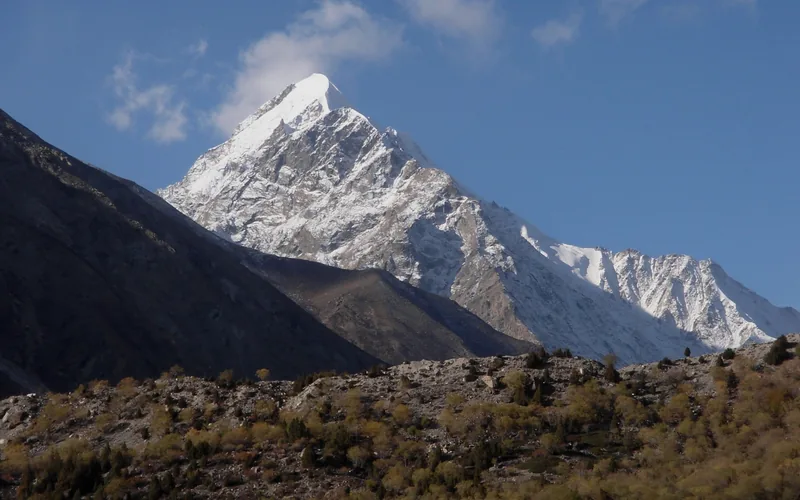
Trapped on the Rupal Wall: Tomaž Humar's Miracle Nanga Parbat Helicopter Rescue
In August 2005, Slovenian soloist Tomaž Humar was pinned by avalanches at 6,000 meters on Nanga Parbat's Rupal Face, surviving six days before a heroic Pakistan Army helicopter long-line rescue.
Documented Sources & Archival Citations
- National Geographic: Miracle Rescue on Nanga Parbat(National Geographic)
Supporting claim: Detailed investigative report on the 6,000-meter long-line helicopter rescue by Pakistan Army Aviation
Accessed/Documented: 2005-09-01 - Dawn: Pakistan Army Pilots Honored for Heroic Nanga Parbat Rescue(Dawn Newspaper)
Supporting claim: Official reporting on Sitara-i-Basalat military decorations conferred upon the rescue pilots
Accessed/Documented: 2005-08-12