2016 Nanga Parbat Historic First Winter Ascent Expedition
On February 26, 2016, Muhammad Ali Sadpara (Pakistan), Alex Txikon (Spain), and Simone Moro (Italy) achieved the historic first winter ascent of Nanga Parbat (8,126m) via the Kinshofer Route, ending decades of failed international winter attempts.
Mountain Safety & Conditions Disclaimer: High-altitude climbing, glacial travel, and technical ascents entail severe objective risks including avalanches, serac collapses, rapid weather collapse, and altitude illness. Historical route descriptions and summit claims on Mountanity reflect documented archival sources and must not be used as live operational safety assessments. Local regulations, permits, and physical glacial topography change continuously.
Peer Review: Senior Editorial Board & Historical Reviewers • Editorial Standards
Official Expedition Narrative & Archival Record
For over three decades and through more than thirty unsuccessful international expeditions, Nanga Parbat (8,126m) had fiercely resisted every attempt to climb it during the brutal Himalayan winter. In the winter of 2015–2016, Spanish mountaineer Alex Txikon and Pakistani master climber Muhammad Ali Sadpara joined forces at Diamir Base Camp, later joining forces with Italian winter alpinists Simone Moro and Tamara Lunger. With temperatures plunging below minus 45 degrees Celsius and hurricane-force winds lashing the mountain, Ali Sadpara's unparalleled knowledge of the terrain and legendary physical stamina proved decisive. Ali led the dangerous pitches through the vertical granite of the Kinshofer Wall, fixing lines across blue ice and guiding the team to Camp IV at 7,200 meters. On February 26, 2016, departing their high camp before dawn, the climbers endured brutal freezing conditions. Tamara Lunger was forced to turn back just meters below the summit due to extreme vomiting and fatigue. At 3:27 PM local time, Muhammad Ali Sadpara, Alex Txikon, and Simone Moro stepped onto the 8,126-meter summit of Nanga Parbat. The conquest represented the first winter ascent of Nanga Parbat in human history, leaving K2 as the sole remaining unclimbed 8,000-meter winter giant.
Documented Team Composition
- Muhammad Ali Sadpara (Summit Climber, Pakistan)
- Alex Txikon (Summit Climber, Spain)
- Simone Moro (Summit Climber, Italy)
- Tamara Lunger (Climbing Partner, Italy - Turned back near summit)
Key Statistics & Topographic Figures
- First Winter Summit Date
- February 26, 2016 (3:27 PM)
Historic First Winter Ascent
- Prior Failed Winter Expeditions
- 31 Expeditions (1988–2015)
31-year winter barrier broken
- Summit Temperature
- < -45°C (-49°F)
Extreme Himalayan Winter
- Climbing Route
- Kinshofer Route (Diamir Face)
Western Himalaya, Pakistan
- Lead Pakistani Alpinist
- Muhammad Ali Sadpara
Route Pioneer & Summit Lead
Archival Primary Source Quotations
“Without Ali Sadpara, this winter summit would never have happened. He was the machine, the heart, and the soul of this expedition.”
“Nanga Parbat in winter taught me that love for the mountain is stronger than the coldest wind on Earth.”
Defined Alpine Terminology & Concepts
- Kinshofer Wall
- A sheer 100-meter vertical rock-and-ice barrier at 6,000 meters on Nanga Parbat’s Diamir Face, representing the route’s technical crux.
- Winter 8,000er Ascent
- An expedition that takes place strictly within the astronomical or meteorological winter calendar (December 21 to March 20), characterized by extreme winds and cold.
- Bazhin Basin
- A high glacial hollow at 7,200 meters on Nanga Parbat where Camp IV is pitched before the final couloir to the summit crest.
Frequently Asked Questions: 2016 Nanga Parbat Historic First Winter Ascent Expedition
Who made the first winter ascent of Nanga Parbat?
Muhammad Ali Sadpara (Pakistan), Alex Txikon (Spain), and Simone Moro (Italy) made the historic first winter ascent of Nanga Parbat (8,126m) on February 26, 2016.
What route was used for the first winter ascent of Nanga Parbat?
The team climbed via the Kinshofer Route on the Diamir Face, overcoming the steep, frozen granite of the Kinshofer Wall at 6,000 meters in sub-zero winter conditions.
How cold was it during the 2016 Nanga Parbat winter summit push?
Temperatures on summit day dropped below -45°C, with wind chill factors reaching beneath -60°C across the upper Bazhin Basin.
Why had Nanga Parbat never been climbed in winter before 2016?
Over a span of 31 years, 31 separate international winter expeditions had failed due to ferocious jet stream winds, extreme avalanches, and temperatures that freeze exposed flesh within seconds.
What role did Muhammad Ali Sadpara play in the 2016 expedition?
Ali Sadpara was the primary powerhouse and route finder of the expedition, leading technical pitches up the Kinshofer Wall and fixing essential ropes across blue ice above Camp III.
What happened to Tamara Lunger during the 2016 summit bid?
Italian climber Tamara Lunger pushed to within approximately 100 meters of the summit before severe nausea and exhaustion forced her to make the courageous decision to turn back alone.
How many times has Muhammad Ali Sadpara climbed Nanga Parbat?
Ali Sadpara holds the world record as the only person in history to summit Nanga Parbat four times: in 2008, 2009, 2016 (winter first ascent), and 2017.
Why was the winter conquest of Nanga Parbat historic for global alpinism?
It conquered one of the two final unclimbed 8,000-meter winter summits in history, leaving K2 as the sole remaining winter challenge in the high mountains.
Ascent Route & Topography
Kinshofer Route (Diamir Face)
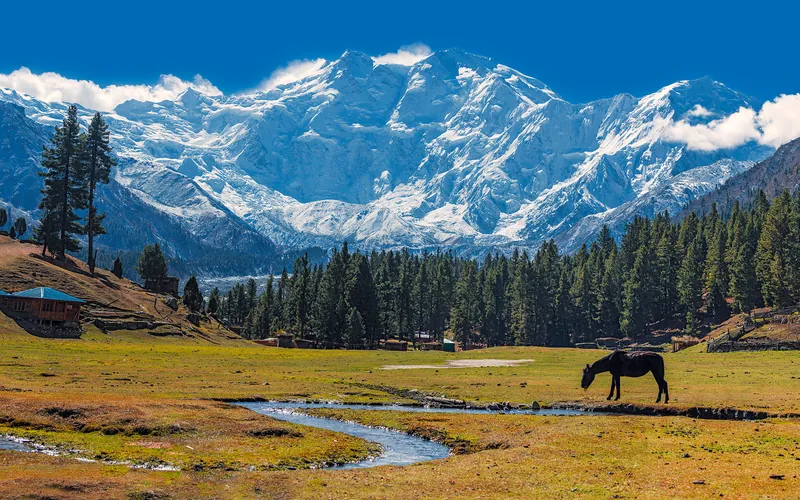
The Kinshofer Route is the standard climbing route up the Diamir Face on Nanga Parbat's western side. First climbed in 1962 by German mountaineer Toni Kinshofer and his teammates, it is famous for its early vertical crux, the Kinshofer Wall, which sits low on the mountain between Camp I and Camp II. Once past the wall, climbers face a massive glaciated amphitheater leading up into the freezing upper Bazhin Basin and summit shoulder.
Target Objective Peak

Nanga Parbat
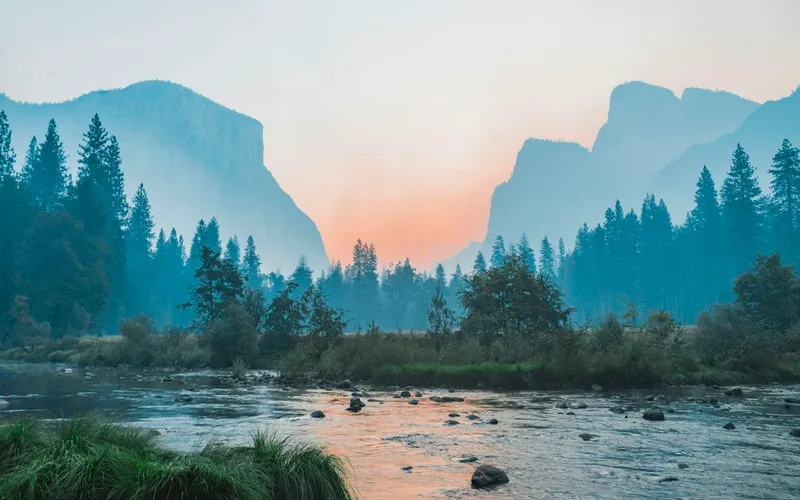
Nanga Parbat, at 8,126 meters (26,660 ft), is the ninth-highest mountain on Earth and the western anchor of the Himalayas in Pakistan. It boasts the Rupal Face, the highest vertical precipice in the world at 4,600 meters from valley floor to summit. Known for profound climbing history, highlighted by Hermann Buhl's legendary solo summit without supplemental oxygen in 1953.
Featured Expedition Climbers
Muhammad Ali Sadpara
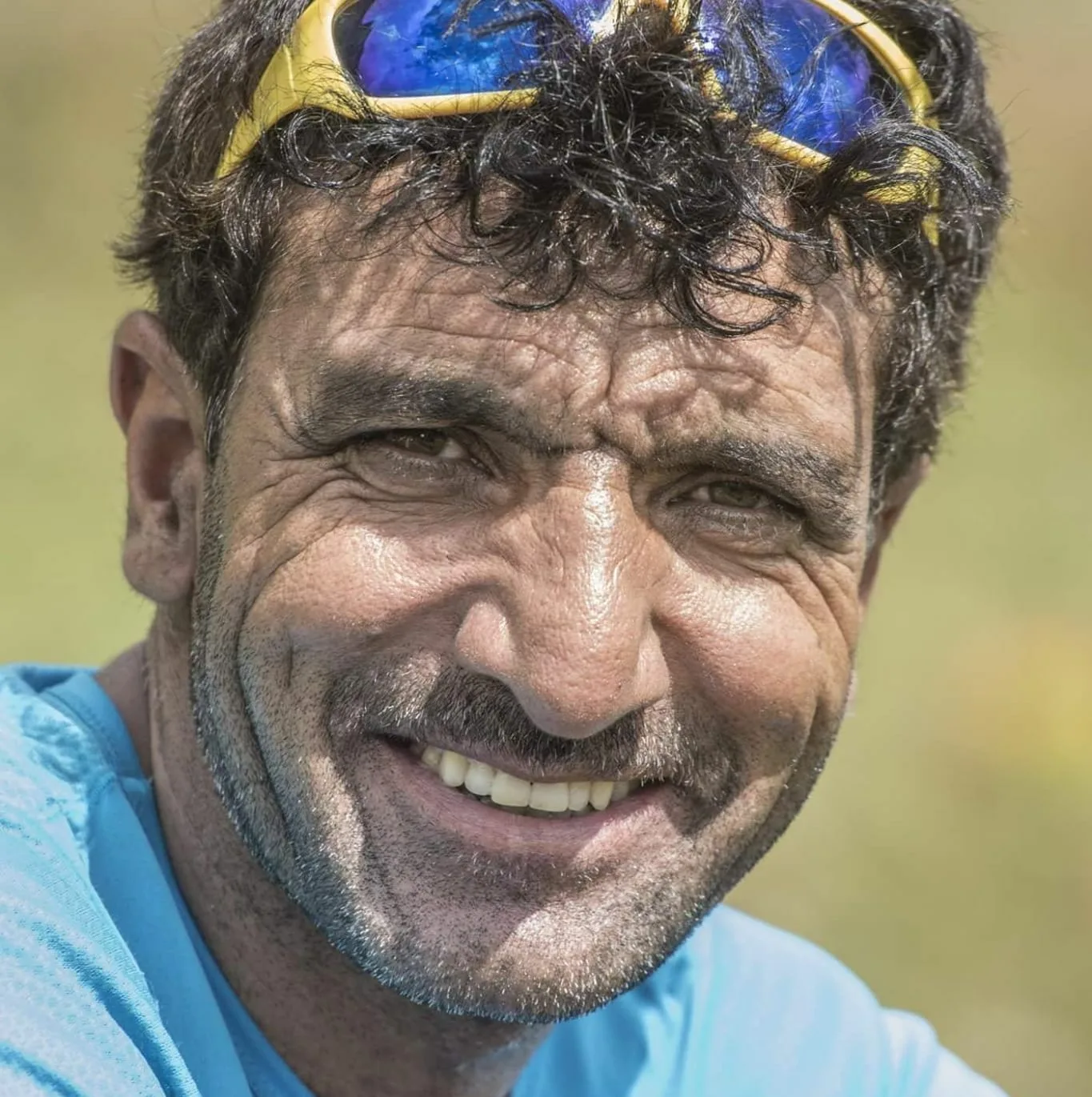
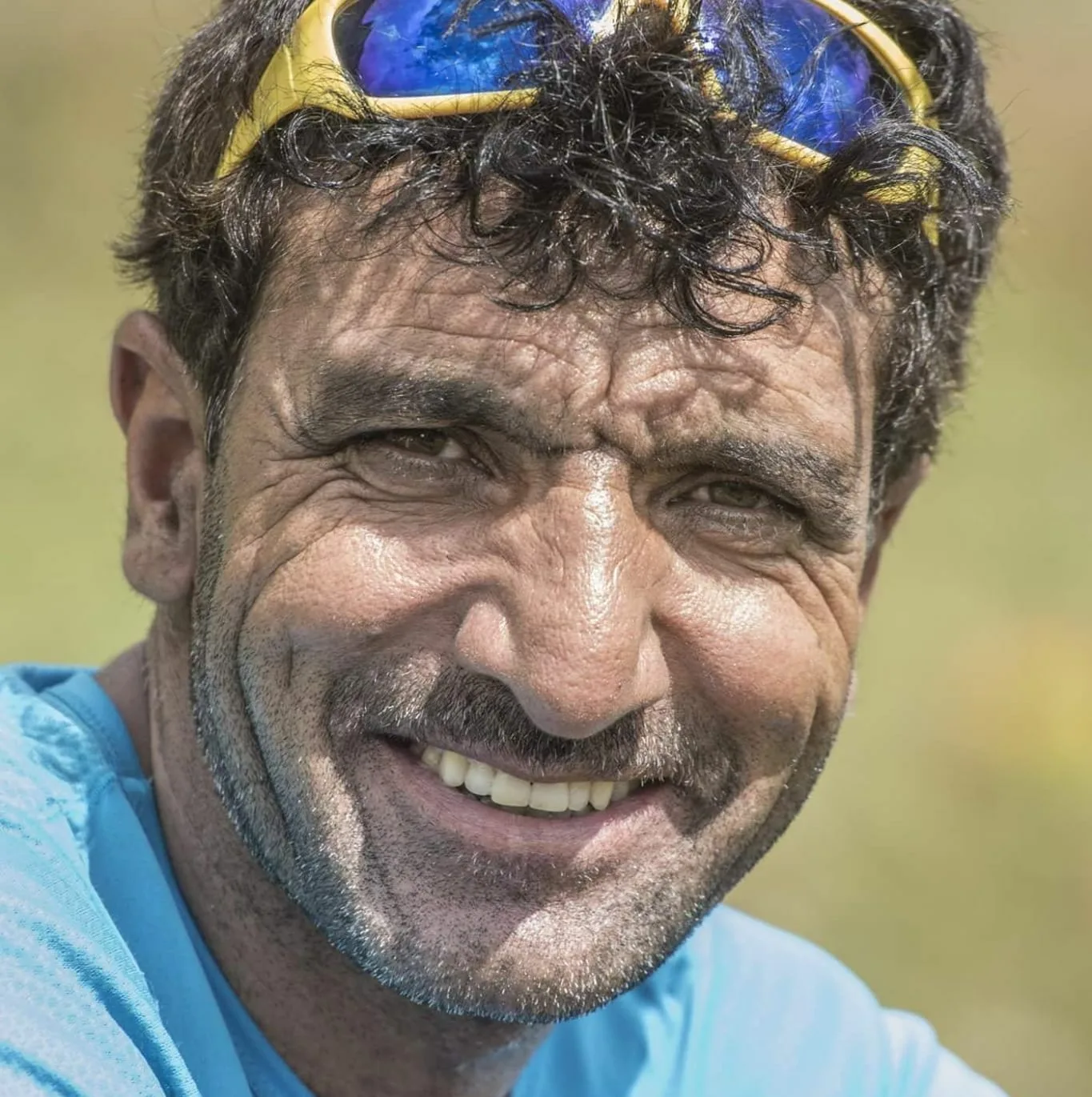
Muhammad Ali Sadpara was born on February 2, 1976, in Sadpara village near Skardu in Gilgit-Baltistan, Pakistan. Like his fellow villagers, Ali began his working life as a porter carrying expedition freight through the Baltoro Glacier. With a naturally joyous temperament, a legendary work ethic, and extraordinary lung capacity, Ali quickly stood out. By 2004, he had transitioned from low-altitude load carrying to professional high-altitude climbing, guiding international expeditions across the Karakoram. Ali Sadpara earned the title 'The King of Nanga Parbat' through an unmatched mastery of the 'Killer Mountain'. He summited Nanga Parbat (8,126m) four separate times: in 2008, 2009, 2016, and 2017. His crowning international achievement occurred on February 26, 2016. Alongside Spanish climber Alex Txikon and Italian alpinist Simone Moro, Ali completed the historic first winter ascent of Nanga Parbat via the Kinshofer Route, solving one of Himalayan mountaineering's greatest and most perilous winter riddles after decades of failed international attempts. Over his career, Ali summited eight 8,000-meter peaks: Gasherbrum II (2006), Nanga Parbat (four times: 2008, 2009, 2016 winter, 2017), Gasherbrum I (2013), Broad Peak (2017), K2 (2018), Lhotse (2019), Makalu (2019), and Manaslu (2019). Throughout these climbs, he was revered by international alpinists for fixing miles of dangerous ropes, rescuing distressed climbers, and singing Balti folk songs at 8,000 meters to keep morale high. In January and February 2021, Ali embarked on a daring winter ascent of K2 (8,611m) alongside his son Sajid Ali Sadpara, Icelandic climber John Snorri, and Chilean alpinist Juan Pablo Mohr. On February 5, 2021, after Sajid was forced to turn back from the Bottleneck due to an oxygen regulator failure, Ali, Snorri, and Mohr pushed into the high Death Zone toward the summit. They never returned. Following an extensive military aerial search in hurricane-force winds, the trio was declared deceased on February 18, 2021. In July 2021, Sajid Sadpara discovered their bodies above Camp IV near the Bottleneck and laid his father to rest in the high ice of K2. Muhammad Ali Sadpara was posthumously decorated with Pakistan's prestigious Sitara-i-Imtiaz and remains a beloved national hero whose fearlessness and radiant spirit inspire millions worldwide.
Simone Moro
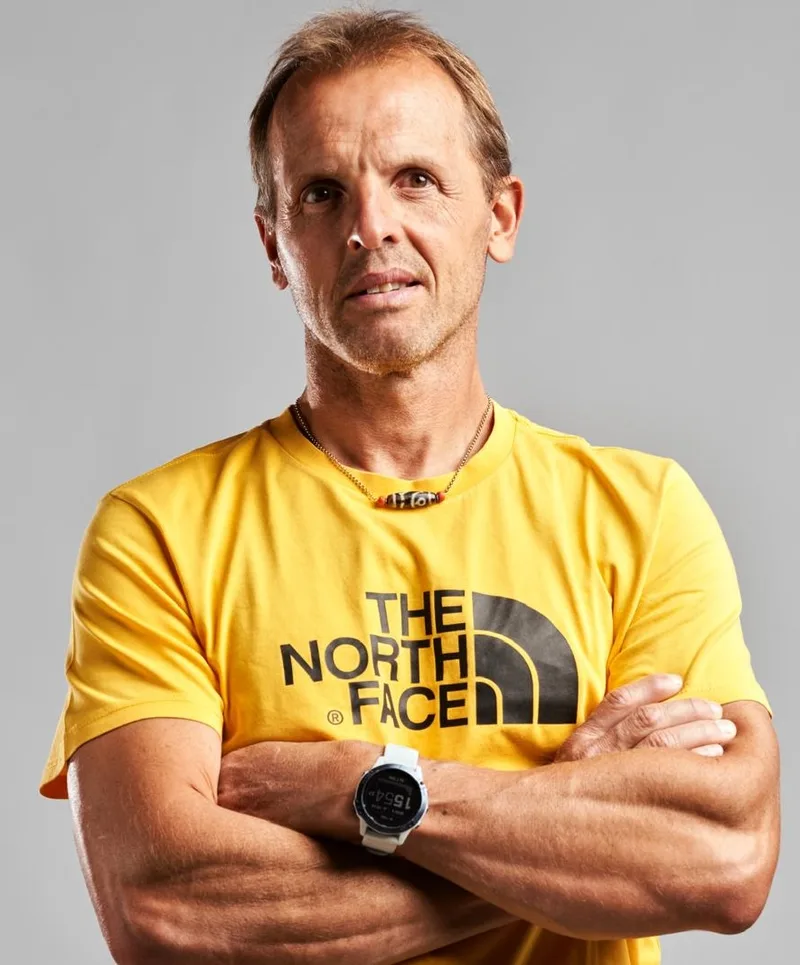
Born on October 27, 1967, in Bergamo, Italy, Simone Moro began rock climbing in the Bergamasque Alps at age thirteen. After qualifying as an instructor and mountain guide, he turned his focus to the Greater Ranges, pioneering lightweight alpine tactics on extreme Himalayan faces. In an era when most major high-altitude triumphs took place in pre-monsoon summer, Moro became the defining force behind the revival of winter eight-thousander expeditions. On January 14, 2005, Moro and Polish partner Piotr Morawski achieved the historic first winter ascent of Shishapangma (8,027m). He followed this triumph on February 9, 2009, by teaming with Denis Urubko to claim the first winter ascent of Makalu (8,485m), enduring temperatures lower than -40°C. In February 2011, Moro, Urubko, and Cory Richards completed the first winter ascent of Gasherbrum II (8,035m), surviving a catastrophic avalanche during their descent. On February 26, 2016, Moro etched his fourth winter summit into history by reaching the top of Nanga Parbat (8,126m) with Alex Txikon and Muhammad Ali Sadpara. In addition to his winter summits, Moro is an accomplished commercial helicopter pilot who has performed numerous record-breaking high-altitude rescues in the Himalayas, including the Fair Play Pierre de Coubertin World Trophy awarded after he aborted his 2001 Lhotse ascent at 8,000 metres to save British climber Tom Moores in darkness.
Associated Historical Chronicles & Stories
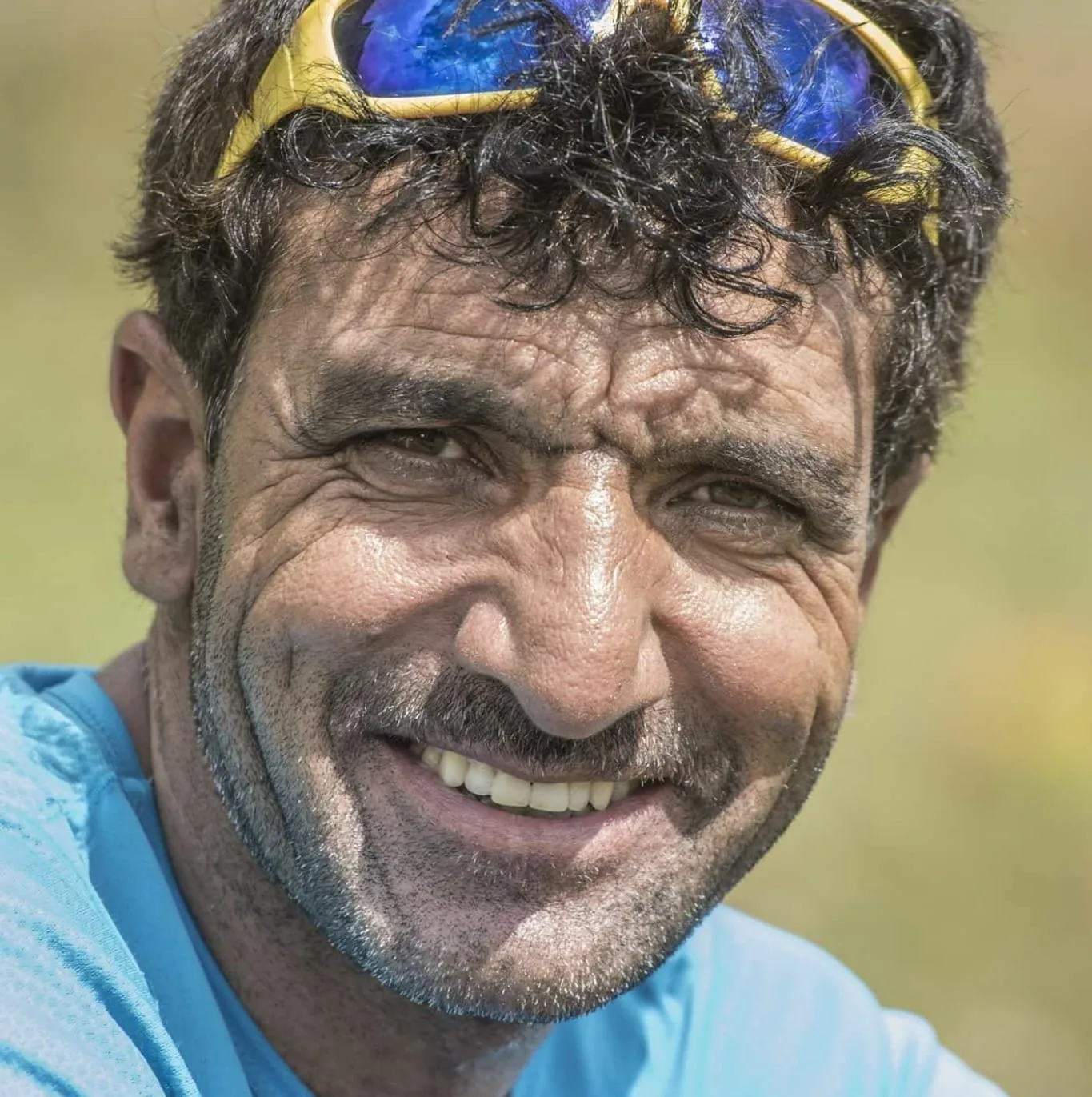
The Coldest Conquest: Muhammad Ali Sadpara and the Historic 2016 Winter Ascent of Nanga Parbat
On February 26, 2016, Muhammad Ali Sadpara, Alex Txikon, and Simone Moro made the first winter ascent of Nanga Parbat (8,126m) at -45°C, conquering one of mountaineering's greatest winter frontiers.
Documented Sources & Archival Citations
- American Alpine Journal: Nanga Parbat First Winter Ascent(American Alpine Club)
Supporting claim: Official verification of February 26, 2016 winter summit by Sadpara, Txikon, and Moro
Accessed/Documented: 2016 - National Geographic: Mountaineers Make First Winter Ascent of Nanga Parbat(National Geographic)
Supporting claim: Detailed journalistic coverage of the summit push, team members, and historic significance
Accessed/Documented: 2016-02-26 - Alpine Club of Pakistan Bulletin: Nanga Parbat Winter Conquest(Alpine Club of Pakistan)
Supporting claim: Official national recognition of Muhammad Ali Sadpara's leading role in the winter ascent
Accessed/Documented: 2016-03-01