2019 Nirmal Purja Dhaulagiri I Expedition
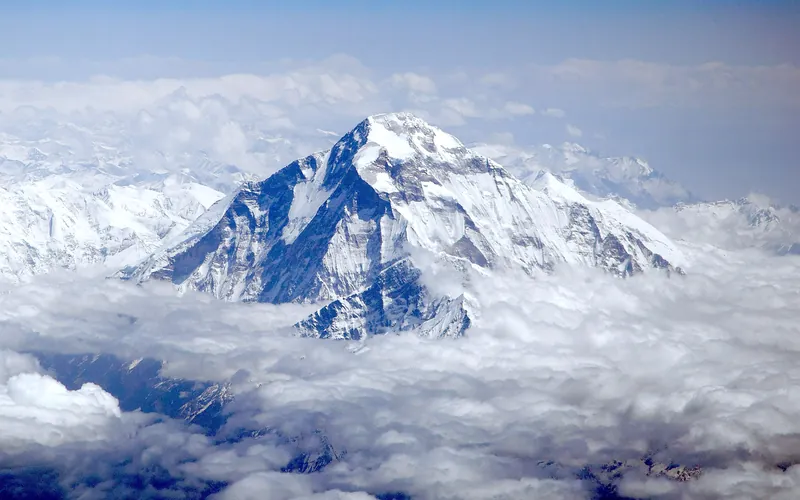
Nirmal Purja conquered Dhaulagiri I (8,167m) via the Northeast Ridge on May 12, 2019, battling sustained hurricane-force winds and complete whiteout conditions to secure the second summit of Project Possible.
Mountain Safety & Conditions Disclaimer: High-altitude climbing, glacial travel, and technical ascents entail severe objective risks including avalanches, serac collapses, rapid weather collapse, and altitude illness. Historical route descriptions and summit claims on Mountanity reflect documented archival sources and must not be used as live operational safety assessments. Local regulations, permits, and physical glacial topography change continuously.
Peer Review: Senior Editorial Board & Historical Reviewers • Editorial Standards
Official Expedition Narrative & Archival Record
Facing horrific weather patterns that forced all commercial teams to retreat to lower camps, Nirmal Purja and his core Nepali team launched a ferocious alpine-style push up Dhaulagiri's Northeast Ridge. Navigating blinding snowdrifts and sub-zero squalls with gusts topping 70 knots, Purja broke trail across the knife-edge upper ridge. On May 12, 2019, at 18:15 local time, the team reached the summit pyramid in pitch darkness, proving that Project Possible's speed strategy could conquer the most ferocious weather cycles.
Documented Team Composition
- Nirmal Purja MBE (Expedition Leader)
- Mingma David Sherpa
- Gesman Tamang
Key Statistics & Topographic Figures
- Official Outcome
- Summit Success in Severe 70-Knot Gales
Expedition Status
- Summit Date
- 2019-05-12
Ascent Timestamp
- Target Objective
- dhaulagiri
Mountain Peak
- Ascent Route
- dhaulagiri-northeast-ridge
Climbing Path
- Team Size
- 3 Climbers
High-Altitude Team
- Region / Country
- Nepal (Dhaulagiri Himal, Western Nepal)
Geography
Archival Primary Source Quotations
“Facing horrific weather patterns that forced all commercial teams to retreat to lower camps, Nirmal Purja and his core Nepali team launched a ferocious alpine-style push up Dhaulag...”
Defined Alpine Terminology & Concepts
- Alpine Expedition
- A planned, self-contained high-altitude mountaineering undertaking operating in remote mountain terrain subject to extreme objective hazards.
- Death Zone
- The high-altitude region above 8,000 meters where atmospheric oxygen pressure is inadequate for sustained human survival.
Frequently Asked Questions: 2019 Nirmal Purja Dhaulagiri I Expedition
What was the primary outcome and achievement of the 2019 Nirmal Purja Dhaulagiri I Expedition?
Summit Success in Severe 70-Knot Gales. Nirmal Purja conquered Dhaulagiri I (8,167m) via the Northeast Ridge on May 12, 2019, battling sustained hurricane-force winds and complete whiteout conditions to secure the second summit of Project Possible.
When did the 2019 Nirmal Purja Dhaulagiri I Expedition reach the summit?
The expedition officially reached the summit on 2019-05-12, operating between 2019-05-07 and 2019-05-13.
Who were the documented climbing team members on the 2019 Nirmal Purja Dhaulagiri I Expedition?
The documented climbing roster included: Nirmal Purja MBE (Expedition Leader), Mingma David Sherpa, Gesman Tamang.
What climbing route and mountain objective were tackled during the 2019 Nirmal Purja Dhaulagiri I Expedition?
The expedition tackled dhaulagiri via the dhaulagiri-northeast-ridge in Nepal (Dhaulagiri Himal, Western Nepal).
How are the records and summit claims of the 2019 Nirmal Purja Dhaulagiri I Expedition verified?
Summit claims, route topography, and timeline logs for the 2019 Nirmal Purja Dhaulagiri I Expedition are cross-referenced with official alpine registries, national mountaineering federations, and primary expedition journals.
Ascent Route & Topography
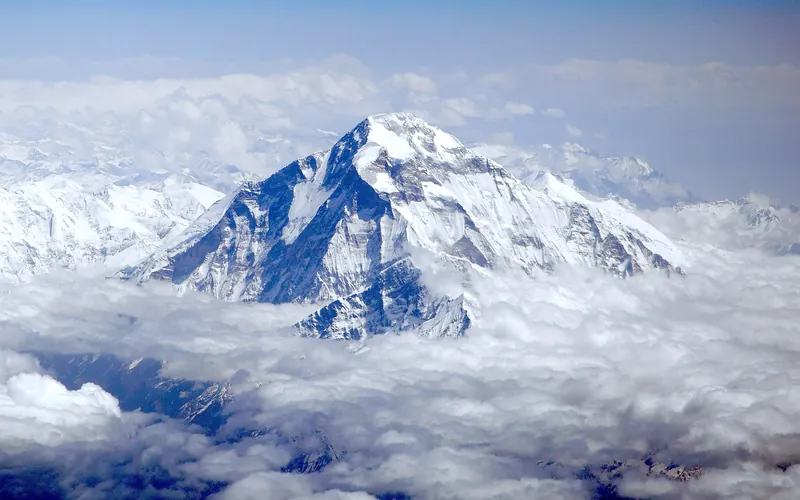
Dhaulagiri I Northeast Ridge (Normal Route)
The Northeast Ridge is the standard climbing route on Dhaulagiri I, first ascended in 1960 by a Swiss-Austrian team. The route begins on the glaciated Mayangdi Khola valley, climbs to the Northeast Col (5,700m), and works its way up the mountain's north-northeast face. The upper section traverses steep, wind-scoured blue ice shelves below the summit rocks and negotiates a final, exposed couloir leading directly to the 8,167m summit.
Target Objective Peak

Dhaulagiri I
Dhaulagiri I, at 8,167 meters (26,795 ft), is the seventh-highest mountain on Earth and the highest peak situated entirely within Nepal. Rising steeply above the Kali Gandaki Gorge—the deepest gorge on Earth—opposite Annapurna, Dhaulagiri forms a staggering 7,000-meter vertical rise from the river valley.
Featured Expedition Climber

Nirmal Purja
Nirmal 'Nimsdai' Purja was born on July 25, 1983, in Dana, a small village in the Myagdi District of western Nepal. Raised in Chitwan in the southern lowlands, he dreamed from childhood of military service. In 2003, at age nineteen, he joined the legendary British Brigade of Gurkhas, serving with distinction before becoming, in 2009, the first Gurkha to pass the grueling selection for the UK Special Forces' elite Special Boat Service (SBS). Across nearly a decade of classified combat operations as a cold-weather warfare specialist, Purja honed the extreme mental grit, physiological stamina, and high-stakes operational planning that would subsequently transform high-altitude mountaineering. Purja's climbing journey began during military leave in 2012 when, with zero prior mountaineering experience, he trekked to Everest Base Camp and summited Lobuche East (6,119m). In 2014, he achieved his first 8,000-meter summit on Dhaulagiri I after just fifteen days of acclimatization. In 2016 and 2017, he led Gurkha expeditions to Mount Everest, summiting twice and pioneering fast-rotation tactics. Recognising his extraordinary high-altitude physiology, Queen Elizabeth II appointed Purja a Member of the Most Excellent Order of the British Empire (MBE) in 2018 for outstanding achievements in extreme high-altitude mountaineering. Months later, he resigned from the Special Forces just years short of a guaranteed lifetime military pension to pursue a lifelong dream that seasoned alpine authorities deemed impossible. In 2019, Purja launched 'Project Possible 14/7'—a mission to summit all fourteen of the world's 8,000-meter 'death zone' peaks in just seven months, shattering the previous world record of seven years, ten months, and six days set by Kim Chang-ho. Starting on April 23 on the avalanche-prone north face of Annapurna I, Purja conquered Nepal's giants in rapid succession: Dhaulagiri, Kangchenjunga, Mount Everest, Lhotse, and Makalu. On Everest, Lhotse, and Makalu, he established a staggering record by summiting all three peaks in only 48 hours. Beyond speed, Purja gained global admiration for stopping his own climbs to lead life-saving high-altitude rescues, including the helicopter rescue of Dr. Chin Kin Wah on Annapurna and assisting stranded climbers on Kangchenjunga. Phase 2 of Project Possible swept through Pakistan's Karakoram in July 2019. In just twenty-three days, Purja summited Nanga Parbat, Gasherbrum I, Gasherbrum II, K2, and Broad Peak. On K2, when dozens of international teams were paralyzed by deep snow and severe avalanche danger in the Bottleneck, Purja and his team of Nepali climbers took charge of route-fixing, broke trail through the drifts, and spearheaded the successful team summit push. Moving to Tibet for Phase 3, he claimed Cho Oyu on September 23 and Manaslu on September 27. When China initially withheld permits for Shishapangma, international diplomatic appeals facilitated by the Nepali government led to special clearance. On October 29, 2019, Purja stood on Shishapangma's summit, completing all fourteen 8,000ers in just 189 days (6 months and 6 days). Fifteen months later, on January 16, 2021, Purja achieved high-altitude immortality by co-leading the historic first winter ascent of K2 (8,611m)—the last remaining 8,000-meter peak unclimbed in winter. In arctic temperatures of −65 °C, two Nepali teams unified their efforts. Purja chose to push for the summit entirely without supplemental oxygen, a feat of immense physiological defiance given his lack of high-camp acclimatization. Halting ten meters below the summit, all ten Nepali climbers linked arms, sang Nepal's national anthem, and stepped onto the summit together at 4:58 PM. Purja's career has redefined high-altitude mountaineering, shattered Western-centric historical paradigms, and brought rightful global recognition to Nepali and Sherpa climbers as supreme high-altitude masters.
Associated Historical Chronicles & Stories
Dhaulagiri I: Summiting the White Mountain in a Tempest
How Nirmal Purja and his Nepali team fought 70-knot summit winds and blinding whiteouts to conquer Dhaulagiri I.
Documented Sources & Archival Citations
- Beyond Possible: One Soldier, Fourteen Peaks(Hodder & Stoughton)
Supporting claim: Documentation of the May 12 summit push during sustained high-altitude storms
Accessed/Documented: 2020 - Himalayan Database Records(Elizabeth Hawley Archive)
Supporting claim: Official confirmation of Dhaulagiri Northeast Ridge summit timestamps
Accessed/Documented: 2026