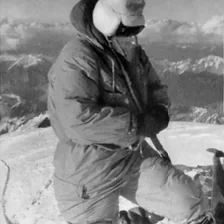
Achille Compagnoni
Achille Compagnoni was an Italian mountaineer and cross-country skier who, alongside Lino Lacedelli, achieved the historic first ascent of K2 (8,611m) on July 31, 1954. A veteran of the Italian military's Alpini ski corps, Compagnoni led the final summit assault via the Abruzzi Spur.
Mountain Safety & Conditions Disclaimer: High-altitude climbing, glacial travel, and technical ascents entail severe objective risks including avalanches, serac collapses, rapid weather collapse, and altitude illness. Historical route descriptions and summit claims on Mountanity reflect documented archival sources and must not be used as live operational safety assessments. Local regulations, permits, and physical glacial topography change continuously.
Peer Review: Senior Editorial Board & Historical Reviewers • Editorial Standards
Biographical Record & Archival Chronicle
Achille Compagnoni was born on September 26, 1914, in Santa Caterina di Valfurva, Lombardy, Italy. A gifted athlete with exceptional endurance in sub-zero snow conditions, he joined the Italian Army's elite mountain infantry (Alpini) in the 1930s. Stationed in the high Valtellina and Valle d'Aosta, Compagnoni became an Italian national cross-country skiing champion and an accomplished guide on the glaciers of the Ortles-Cevedale and Mont Blanc massifs.
In 1953, geologist Ardito Desio selected the 39-year-old Compagnoni as the senior climbing leader for the 1954 Italian National Karakoram Expedition to K2 (8,611m). Displaying fierce physical determination, Compagnoni established high camps along the formidable Abruzzi Spur. On July 30, paired with 28-year-old Lino Lacedelli at Camp IX, the summit push hung in the balance due to lack of oxygen. After Walter Bonatti and Hunza porter Amir Mehdi carried the heavy oxygen sets to 8,100 meters and survived a sub-zero open bivouac, Compagnoni and Lacedelli retrieved the bottles at dawn on July 31.
Navigating through the terrifying ice-threatened Bottleneck couloir and traversing beneath a massive overhanging serac barrier, the pair reached the crest of the summit ridge. At 6:00 PM on July 31, 1954, Compagnoni and Lacedelli stepped onto the 8,611-meter summit of K2, planting the Italian tricolour and Pakistani flags on the highest point of the Karakoram. During the descent, Compagnoni suffered severe frostbite that resulted in the amputation of several fingers.
In the decades following the climb, controversy surrounded the official expedition account authored by Desio and Compagnoni, which had accused Walter Bonatti of using summit oxygen during the night. In 2004, co-climber Lacedelli published his memoirs admitting the truth, and in 2007, the Italian Alpine Club officially corrected the historical record. Compagnoni operated a mountain hotel in Cervinia beneath the Matterhorn for many years. He passed away on May 13, 2009, in Aosta at age ninety-four, remembered as the man who first stood atop the Savage Mountain.
Notable Milestones & Ascents
- First human in history to summit K2 (8,611m), the second-highest peak on Earth, with Lino Lacedelli on July 31, 1954
- Successfully climbed the Abruzzi Spur and negotiated the fearsome K2 Bottleneck couloir (8,200m)
- Italian national military ski champion and decorated veteran of the elite Alpini mountain corps
- Awarded the Gold Medal of Military Valour (Medaglia d'Oro al Valor Civile) by the Italian Republic
- Knight Grand Cross of the Order of Merit of the Italian Republic (Cavaliere di Gran Croce OMRI)
Key Statistics & Topographic Figures
- Summit Timestamp
- 6:00 PM, July 31, 1954
First Confirmed Ascent of K2
- Ascent Route
- Abruzzi Spur (Southeast Ridge)
Normal Route Pioneer
- Military Service
- Italian Army Alpini Corps
Mountain Infantry Veteran
- Mountain Elevation
- 8,611 meters (28,251 ft)
Second Highest Peak on Earth
Archival Primary Source Quotations
“At six in the evening we stood on the summit of K2. We had conquered the Savage Mountain, but the price was etched into our flesh.”
Defined Alpine Terminology & Concepts
- Abruzzi Spur
- The classic southeast ridge route of K2, pioneered by the Duke of the Abruzzi in 1909 and first climbed to the summit in 1954.
- Bottleneck (K2)
- A narrow, steep 100-meter ice gully at 8,200 meters on K2, directly exposed to deadly avalanches from an overhanging serac wall.
Frequently Asked Questions: Achille Compagnoni
Who was Achille Compagnoni?
Achille Compagnoni was an Italian mountaineer and cross-country skier from Valfurva who, alongside Lino Lacedelli, achieved the historic first ascent of K2 (8,611m) on July 31, 1954, via the Abruzzi Spur.
When did Achille Compagnoni reach the summit of K2?
Compagnoni and Lino Lacedelli reached the summit of K2 at 6:00 PM on July 31, 1954, planting the flags of Italy and Pakistan on the highest point in the Karakoram.
What route did Compagnoni and Lacedelli climb on K2?
They climbed the Southeast Ridge, famously known as the Abruzzi Spur, overcoming the technical cruxes of House’s Chimney and the notorious Bottleneck ice couloir beneath the Great Serac.
Did Achille Compagnoni suffer frostbite on K2?
Yes. During the descent from the summit in darkness, Compagnoni suffered severe frostbite that resulted in the amputation of several fingers.
Associated Summits (1)
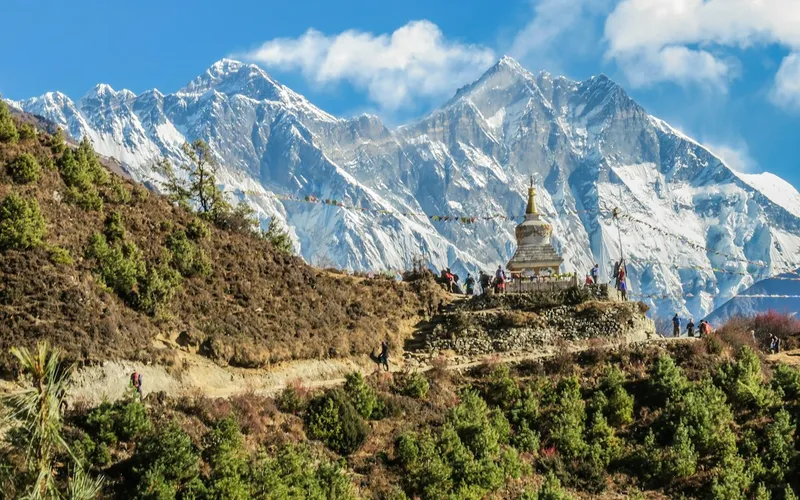


K2
K2, at 8,611 meters (28,251 ft), is the second-highest mountain on Earth and widely regarded as the most technically demanding and lethal 8,000-meter peak. Located in the heart of the Karakoram on the border between Pakistan and China, K2 is characterized by sheer relief, severe weather anomalies, and persistent objective hazards including the notorious Bottleneck couloir.
Pioneered & Associated Routes (3)
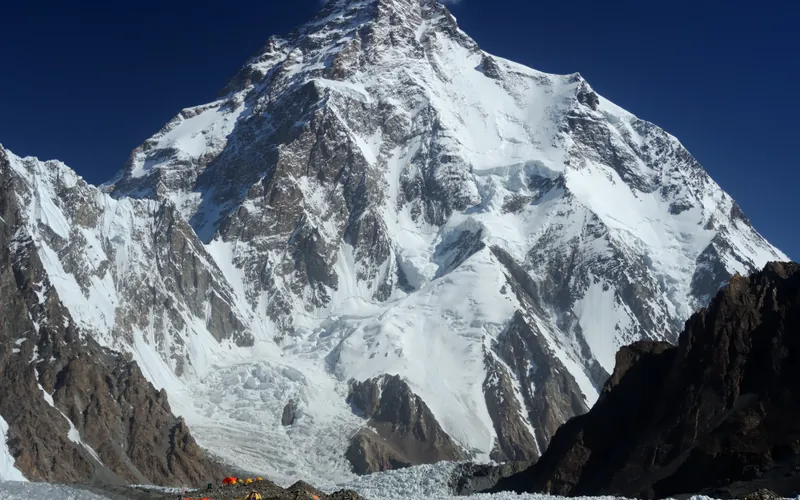
Abruzzi Spur (Southeast Ridge)
The Abruzzi Spur is the most famous and frequently climbed route on K2, tracing the mountain's steep southeast ridge from the Godwin-Austen Glacier to the summit. First explored in 1909 by Prince Luigi Amedeo, Duke of the Abruzzi, it was successfully climbed to the summit in 1954 by an Italian team. The route requires extreme physical endurance and high-grade technical climbing on rock, ice, and mixed terrain through legendary cruxes like House's Chimney, the Black Pyramid, and the Bottleneck couloir.
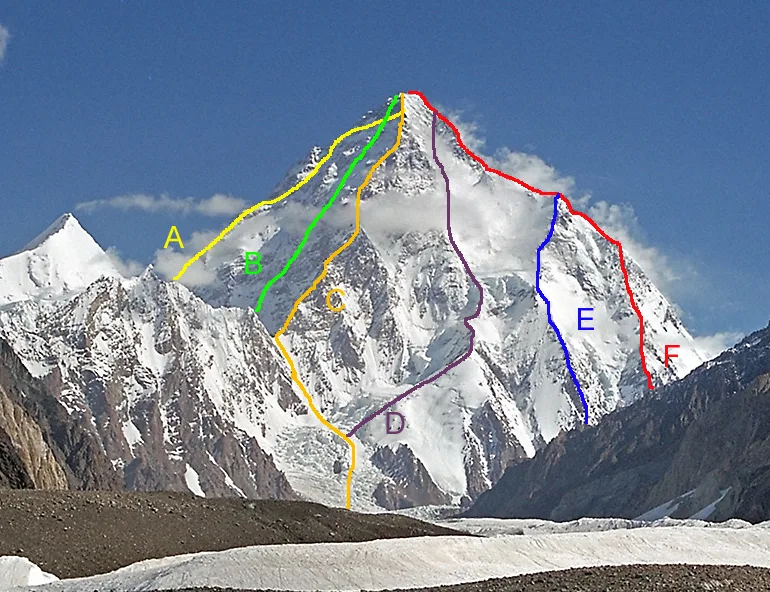
K2 South Face (The Polish Line)
The Polish Line on the South Face of K2 (8,611m) is widely regarded as one of the most perilous and audacious routes ever climbed in high-altitude mountaineering history. Tackling the direct 3,200-meter wall between the Abruzzi Spur and the Magic Line (South-Southwest Pillar), the route ascends through a chaotic labyrinth of hanging seracs, avalanche funnels, and vertical rock bands. Pioneered in alpine style over five harrowing days in July 1986 by Jerzy Kukuczka and Tadeusz Piotrowski without supplemental oxygen, Reinhold Messner famously dubbed it 'suicidal'. Kukuczka and Piotrowski reached the summit on July 8, but tragedy struck during their desperate descent via the Abruzzi Spur when Piotrowski lost both crampons and plunged to his death. To this day, the Polish Line remains unrepeated.
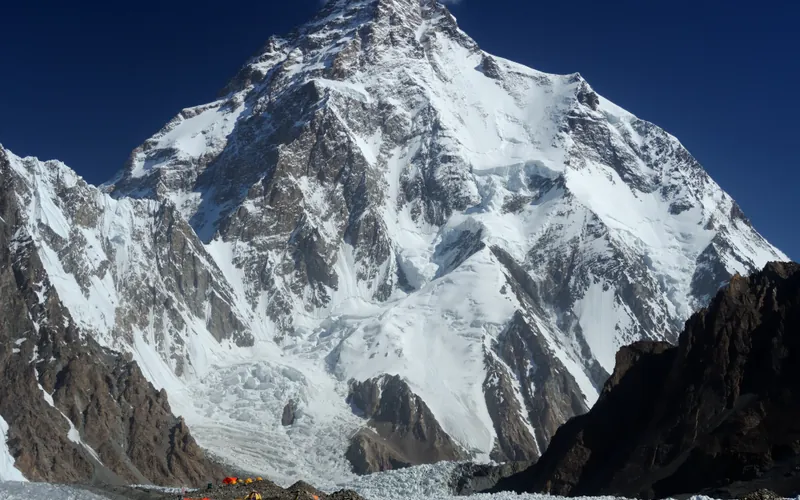
West Ridge (Japanese Route)
The West Ridge of K2 is one of the most formidable and sustained technical lines in high-altitude mountaineering. Pioneered in August 1981 by a joint Japanese-Pakistani expedition, it ascends directly from the Savoia Glacier along the exposed western crest before negotiating the severe Southwest Face directly into the Death Zone. Demanding immense commitment, it was first completed by Pakistani mountaineer Nazir Sabir and Japanese climber Eiho Ohtani after an epic bivouac near 8,500 meters.
Documented Expeditions (1)
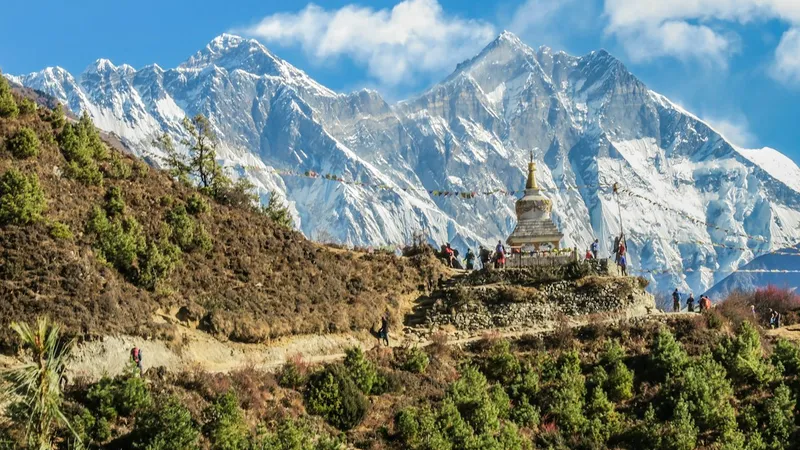
1954 Italian Karakoram Expedition to K2
Led by geologist Ardito Desio, this national expedition achieved the momentous first ascent of K2 on July 31, 1954, via the Southeast Abruzzi Spur.
Documented Sources & Archival Citations
- Uomini sul K2 (Men on K2)(Achille Compagnoni / Veronelli)
Supporting claim: Autobiographical account of the 1954 K2 summit push and descent
Accessed/Documented: 1958 - K2: The Story of the Savage Mountain(Jim Curran / Mountaineers Books)
Supporting claim: Historical analysis of Compagnoni and Lacedelli's 1954 first ascent
Accessed/Documented: 2004 - Official K2 Historical Commission Report(Club Alpino Italiano (CAI))
Supporting claim: Official CAI historical analysis of the summit ascent timeline and oxygen usage
Accessed/Documented: 2007