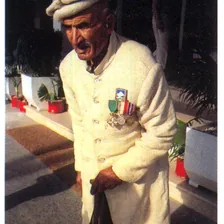
Amir Mehdi
Amir Mehdi was a legendary Pakistani high-altitude mountaineer and Hunza porter whose endurance was decisive in the 1954 first ascent of K2. On July 30, 1954, Mehdi and 24-year-old Walter Bonatti survived an unprecedented open-air survival bivouac at 8,100 meters without a tent or sleeping bag, delivering the vital oxygen cylinders that enabled the summit conquest.
Mountain Safety & Conditions Disclaimer: High-altitude climbing, glacial travel, and technical ascents entail severe objective risks including avalanches, serac collapses, rapid weather collapse, and altitude illness. Historical route descriptions and summit claims on Mountanity reflect documented archival sources and must not be used as live operational safety assessments. Local regulations, permits, and physical glacial topography change continuously.
Peer Review: Senior Editorial Board & Historical Reviewers • Editorial Standards
Biographical Record & Archival Chronicle
Amir Mehdi was born around 1913 in the picturesque mountain village of Hasanabad, Hunza, in the princely state of Hunza (now Gilgit-Baltistan, Pakistan). Like many men of the Karakoram, Mehdi possessed innate physiological adaptation to extreme altitudes, formidable physical stamina, and profound mountain sense. In his youth, he worked as a high-altitude porter and shikari across the Karakoram ranges, earning an outstanding reputation among international climbing expeditions.
In 1953, Mehdi was recruited by Dr. Karl Maria Herrligkoffer for the Austro-German Nanga Parbat Expedition. His exceptional strength on the ice slopes of the Rakhiot Flank caught the attention of leading European climbers. In early 1954, Professor Ardito Desio selected Mehdi as the senior indigenous high-altitude porter for the prestigious Italian National Expedition to K2 (8,611m)—the second-highest and most technically lethal mountain on Earth.
On July 30, 1954, Italian assault climbers Achille Compagnoni and Lino Lacedelli were poised at Camp IX for their summit bid but were critically short of oxygen. At Camp VIII, the youngest Italian climber, 24-year-old Walter Bonatti, volunteered to carry two heavy oxygen sets (each weighing nearly 19 kg) up through the Death Zone. Amir Mehdi was the only porter who stepped forward to accompany Bonatti into the freezing gale. Ascending steep ice couloirs in fading light, the duo reached the agreed coordinates for Camp IX at 8,100 meters (26,575 ft) at nightfall, only to discover that Compagnoni and Lacedelli had moved the tent higher and hidden it across a treacherous icy traverse.
Trapped on a vertical, storm-swept mountain face in temperatures plummeting below -30°C, Bonatti and Mehdi could neither find the camp in the darkness nor safely descend through the Bottleneck. Bonatti carved a narrow shelf in the hard snow with his ice axe. Mehdi, who was not provided with insulated high-altitude climbing boots equal to the Europeans, huddled beside Bonatti through eight agonizing hours of wind and darkness. Bonatti kept Mehdi conscious and moving through sheer willpower, surviving the highest open-air bivouac in human history.
At dawn on July 31, Mehdi and Bonatti left the vital oxygen cylinders on the snow for Compagnoni and Lacedelli, who retrieved them hours later to complete the first ascent of K2. Mehdi crawled down the Abruzzi Spur with blackened, severely frostbitten feet. Upon reaching the Military Hospital in Rawalpindi, surgeons were forced to amputate all his toes and parts of his feet to save his life. While Italian leaders initially suppressed the truth to construct a romanticized national triumph, the Government of Pakistan recognized Mehdi's valor, awarding him the prestigious Tamgha-i-Khidmat (Medal of Service). In 2007, the Italian Alpine Club (CAI) officially revised its historical records, formally acknowledging that without Amir Mehdi and Walter Bonatti's heroic bivouac, K2 would never have been conquered in 1954. Mehdi passed away in Hunza in 1999, honored worldwide as a towering hero of Pakistani mountaineering.
Notable Milestones & Ascents
- Endured the legendary 8,100-meter open-air survival bivouac on K2 without tent or sleeping bag alongside Walter Bonatti on July 30–31, 1954
- Carried essential summit oxygen cylinders to Camp IX, directly enabling the first human ascent of K2 (8,611m)
- Highest altitude open survival bivouac ever survived in mountaineering history at that time
- Decorated with the Tamgha-i-Khidmat (Medal of Services) by the Government of Pakistan for supreme national valor
- High-altitude veteran of the historic 1953 Austro-German Nanga Parbat Expedition and 1954 Italian K2 Expedition
- Officially exonerated and recognized by the Italian Alpine Club (CAI) in 2007 as a decisive co-conqueror of K2
Key Statistics & Topographic Figures
- Survival Bivouac
- 8,100 meters (26,575 ft)
Highest Open Bivouac in 1954
- Historic Role
- Delivered Summit Oxygen Sets
Decisive Breakthrough on K2
- National Honor
- Tamgha-i-Khidmat (Medal of Service)
State of Pakistan
- Origin
- Hasanabad, Hunza, Pakistan
Karakoram Indigenous Pioneer
Archival Primary Source Quotations
“Without Amir Mehdi and Walter Bonatti carrying those oxygen bottles to 8,100 meters, K2 would not have been climbed in 1954.”
Defined Alpine Terminology & Concepts
- High-Altitude Porter (HAP)
- Elite indigenous mountain climbers from northern Pakistan (Hunza, Baltistan) hired to carry heavy expedition gear through the high Death Zone.
- Tamgha-i-Khidmat
- A prestigious civilian award established by the Government of Pakistan to recognize meritorious service, gallantry, and national contributions.
Frequently Asked Questions: Amir Mehdi
Who was Amir Mehdi and why is he a hero of K2?
Amir Mehdi was a Pakistani high-altitude porter from Hasanabad, Hunza, who carried vital oxygen bottles to 8,100 meters on K2 on July 30, 1954, and survived an open-air night bivouac with Walter Bonatti in sub-zero hurricane winds, directly enabling the first ascent of K2.
How did Amir Mehdi and Walter Bonatti survive the night on K2 at 8,100 meters?
Bonatti hacked a tiny shelf out of hard snow on a steep slope. Mehdi and Bonatti sat huddled together through eight hours of -30°C blizzard winds without a tent, sleeping bags, or food, surviving through sheer willpower before descending at dawn.
Why did Amir Mehdi lose his toes on K2?
Unlike the European climbers who wore specialized insulated boots, Mehdi was supplied with standard military climbing boots. The extreme exposure during the 8,100m survival bivouac caused severe frostbite, requiring the amputation of all his toes in Rawalpindi.
What national honor did Pakistan bestow upon Amir Mehdi?
The Government of Pakistan decorated Amir Mehdi with the prestigious Tamgha-i-Khidmat (Medal of Services) in recognition of his supreme courage and decisive role in the 1954 conquest of K2.
When did the Italian Alpine Club officially recognize Amir Mehdi?
In 2007, the Club Alpino Italiano (CAI) officially accepted the historical inquiry report that fully validated Walter Bonatti and Amir Mehdi’s accounts, recognizing Mehdi as a decisive hero of the 1954 first ascent.
Associated Summits (2)
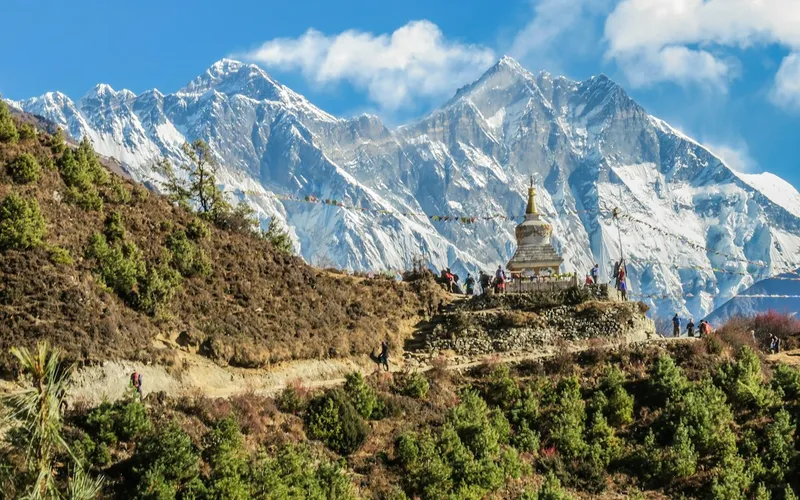


K2
K2, at 8,611 meters (28,251 ft), is the second-highest mountain on Earth and widely regarded as the most technically demanding and lethal 8,000-meter peak. Located in the heart of the Karakoram on the border between Pakistan and China, K2 is characterized by sheer relief, severe weather anomalies, and persistent objective hazards including the notorious Bottleneck couloir.

Nanga Parbat
Nanga Parbat, at 8,126 meters (26,660 ft), is the ninth-highest mountain on Earth and the western anchor of the Himalayas in Pakistan. It boasts the Rupal Face, the highest vertical precipice in the world at 4,600 meters from valley floor to summit. Known for profound climbing history, highlighted by Hermann Buhl's legendary solo summit without supplemental oxygen in 1953.
Pioneered & Associated Routes (7)
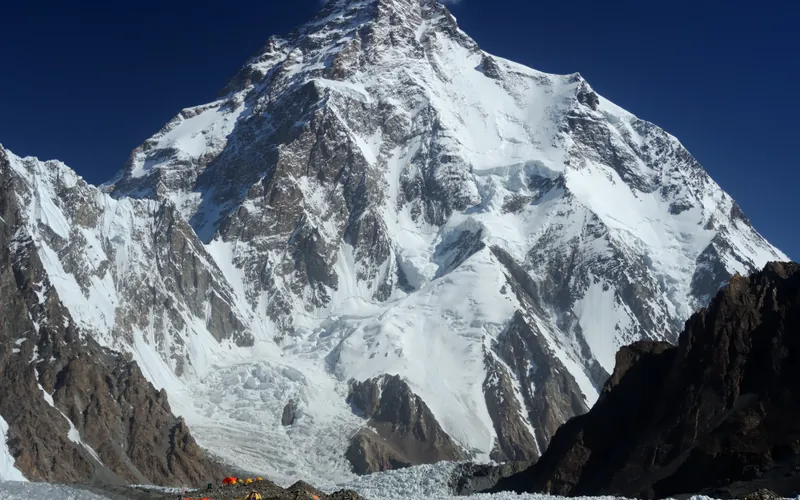
Abruzzi Spur (Southeast Ridge)
The Abruzzi Spur is the most famous and frequently climbed route on K2, tracing the mountain's steep southeast ridge from the Godwin-Austen Glacier to the summit. First explored in 1909 by Prince Luigi Amedeo, Duke of the Abruzzi, it was successfully climbed to the summit in 1954 by an Italian team. The route requires extreme physical endurance and high-grade technical climbing on rock, ice, and mixed terrain through legendary cruxes like House's Chimney, the Black Pyramid, and the Bottleneck couloir.
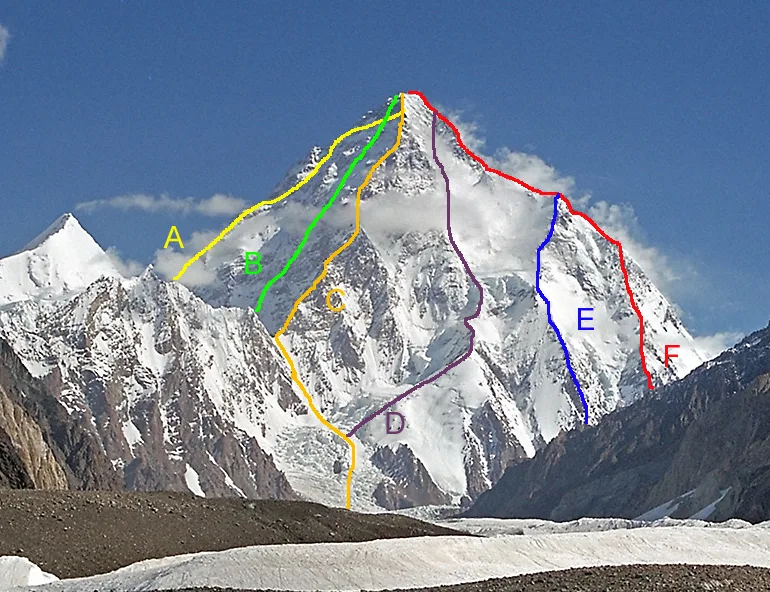
K2 South Face (The Polish Line)
The Polish Line on the South Face of K2 (8,611m) is widely regarded as one of the most perilous and audacious routes ever climbed in high-altitude mountaineering history. Tackling the direct 3,200-meter wall between the Abruzzi Spur and the Magic Line (South-Southwest Pillar), the route ascends through a chaotic labyrinth of hanging seracs, avalanche funnels, and vertical rock bands. Pioneered in alpine style over five harrowing days in July 1986 by Jerzy Kukuczka and Tadeusz Piotrowski without supplemental oxygen, Reinhold Messner famously dubbed it 'suicidal'. Kukuczka and Piotrowski reached the summit on July 8, but tragedy struck during their desperate descent via the Abruzzi Spur when Piotrowski lost both crampons and plunged to his death. To this day, the Polish Line remains unrepeated.
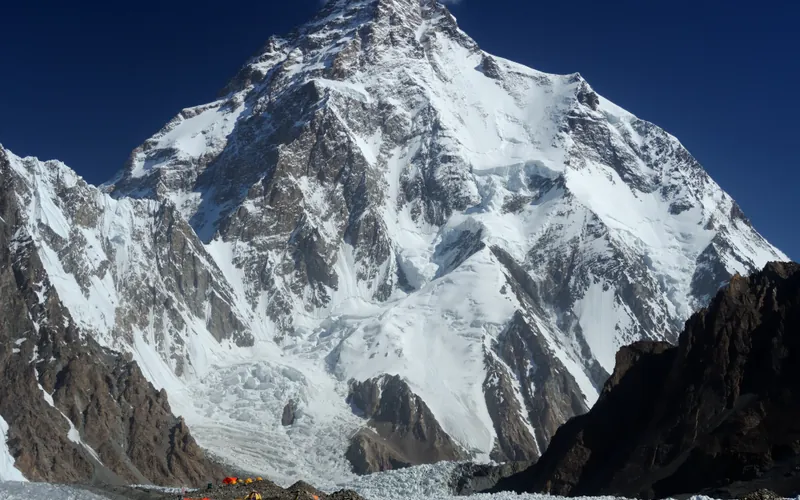
West Ridge (Japanese Route)
The West Ridge of K2 is one of the most formidable and sustained technical lines in high-altitude mountaineering. Pioneered in August 1981 by a joint Japanese-Pakistani expedition, it ascends directly from the Savoia Glacier along the exposed western crest before negotiating the severe Southwest Face directly into the Death Zone. Demanding immense commitment, it was first completed by Pakistani mountaineer Nazir Sabir and Japanese climber Eiho Ohtani after an epic bivouac near 8,500 meters.
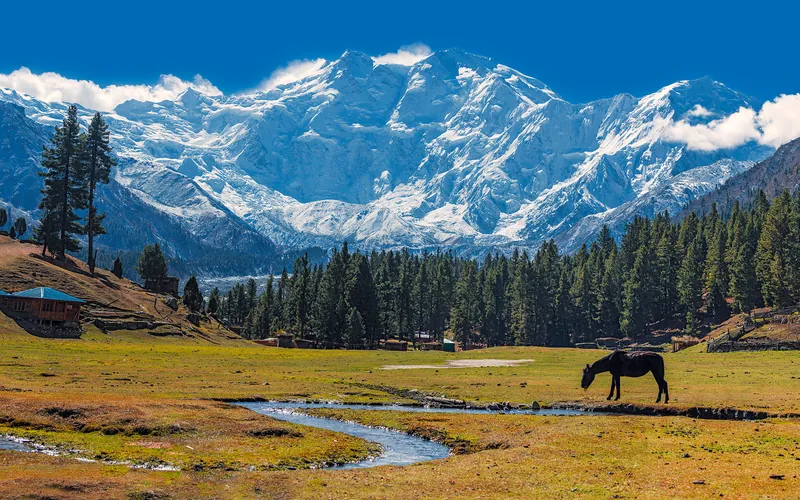
Kinshofer Route (Diamir Face)
The Kinshofer Route is the standard climbing route up the Diamir Face on Nanga Parbat's western side. First climbed in 1962 by German mountaineer Toni Kinshofer and his teammates, it is famous for its early vertical crux, the Kinshofer Wall, which sits low on the mountain between Camp I and Camp II. Once past the wall, climbers face a massive glaciated amphitheater leading up into the freezing upper Bazhin Basin and summit shoulder.
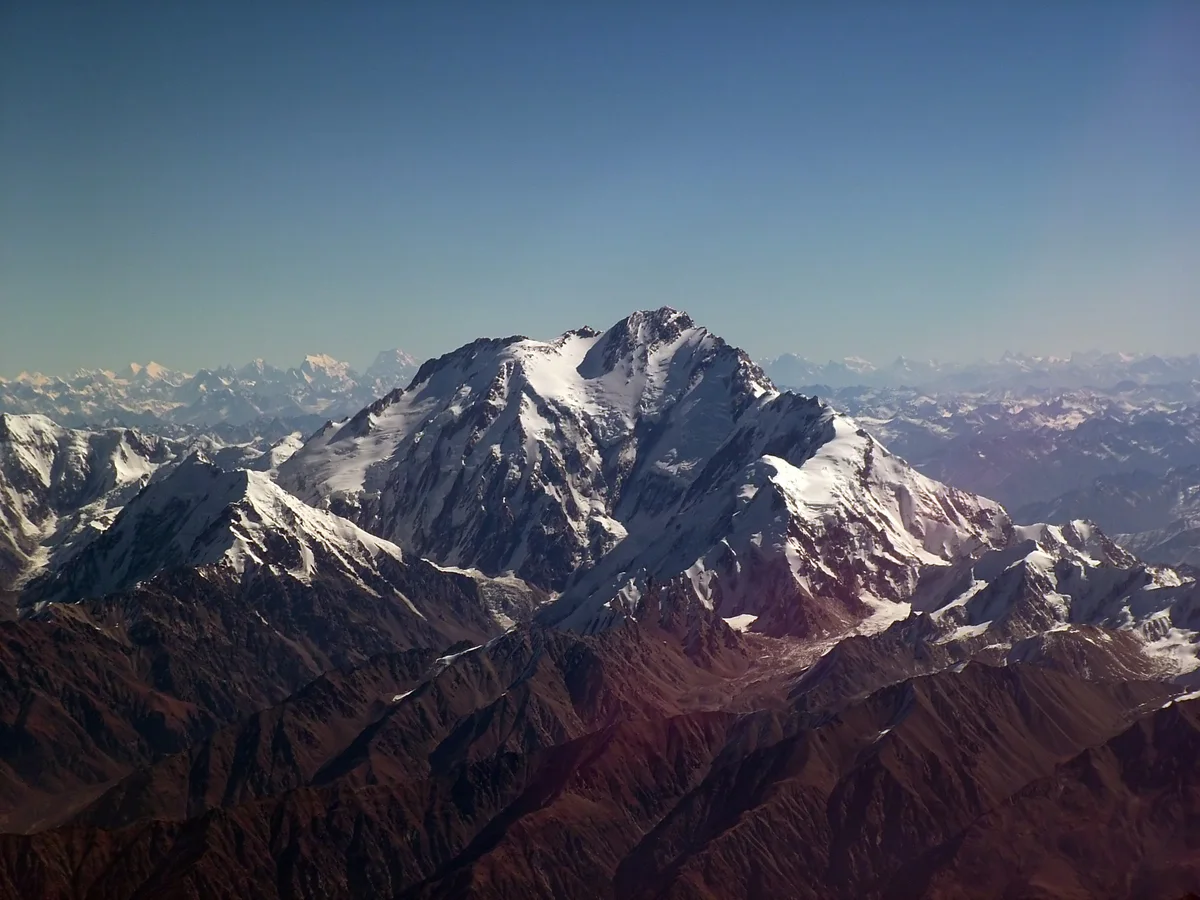
Mazeno Ridge Complete Traverse
The Mazeno Ridge of Nanga Parbat is widely considered the longest and most demanding high-altitude ridge on any eight-thousander, stretching an unbelievable 10 kilometres in length and traversing eight subsidiary peaks exceeding 7,000 metres before meeting the final summit pyramid. Long dubbed the last great problem of the Western Himalaya, it defeated numerous elite expeditions over three decades until British veterans Sandy Allan and Rick Allen completed the first full integral traverse and summit push in pure alpine style over eighteen heroic days in July 2012.
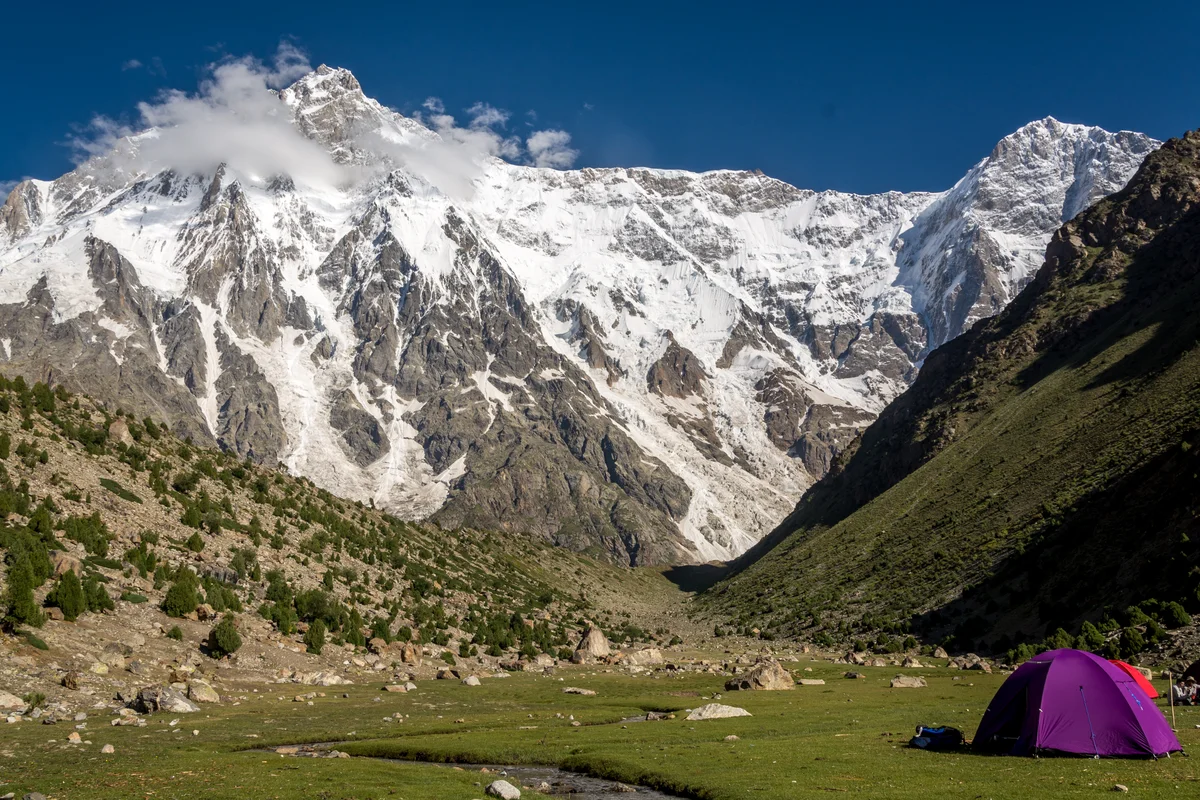
Central Pillar of the Rupal Face Direct
The Central Pillar of the Rupal Face on Nanga Parbat is the greatest vertical mountain wall on Earth, rising an astounding 4,100 metres from the Rupal Valley floor to the 8,126-metre summit. First attempted over decades, it was conquered in pure, lightweight alpine style between September 1 and 8, 2005, by American alpinists Steve House and Vince Anderson without fixed ropes, high camps, or supplemental oxygen, earning them the prestigious Piolet d'Or.
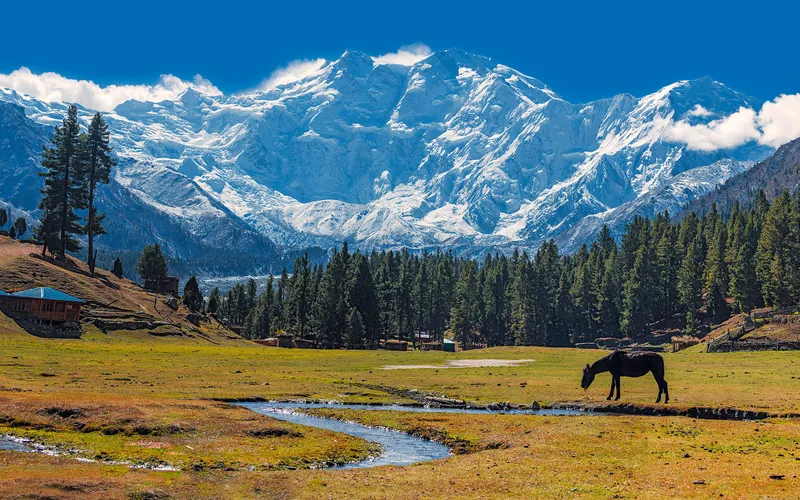
Rakhiot Flank & East Ridge (Original 1953 Route)
The historic original route on Nanga Parbat (8,126m), ascending from the Rakhiot Glacier over the heavily crevassed Rakhiot Icefall to reach the colossal Silbersattel (Silver Saddle) at 7,450 meters. From the saddle, the route traverses an immense high snow plateau for over three kilometers before negotiating the Bazhin Gap and climbing steep mixed rock ribs up the summit pyramid. Immortalized by Hermann Buhl's epic 41-hour solo summit without supplemental oxygen in July 1953.
Documented Expeditions (1)
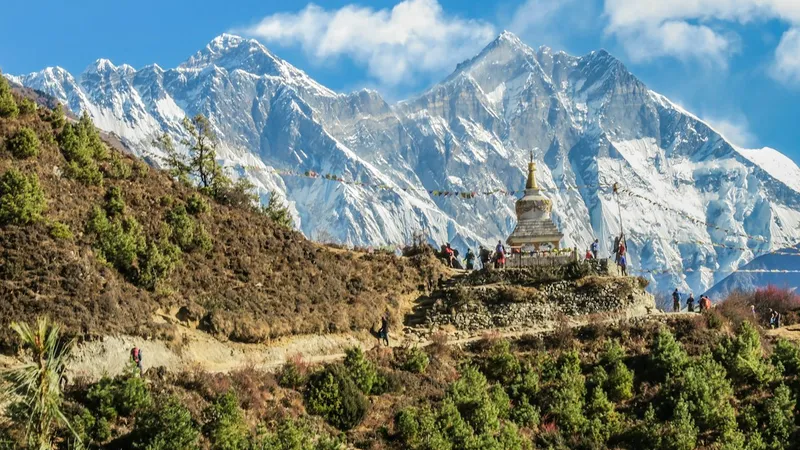
1954 Italian Karakoram Expedition to K2
Led by geologist Ardito Desio, this national expedition achieved the momentous first ascent of K2 on July 31, 1954, via the Southeast Abruzzi Spur.
Associated Chronicles & Stories (1)
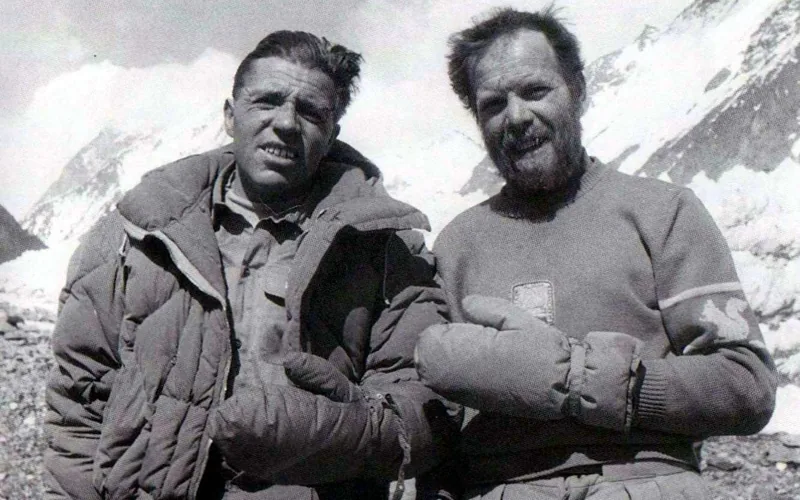
The Night at 8,100 Meters: Amir Mehdi and the Unsung Heroism of K2
On July 30, 1954, Hunza climber Amir Mehdi and 24-year-old Walter Bonatti survived an 8,100-meter open bivouac on K2, carrying the oxygen that made the first summit possible.
Documented Sources & Archival Citations
- K2: The Story of the Savage Mountain(Jim Curran / Mountaineers Books)
Supporting claim: Detailed historical analysis of the 8,100m survival bivouac and Amir Mehdi's sacrifice
Accessed/Documented: 2004 - The Mountains of My Life(Walter Bonatti / Penguin Classics)
Supporting claim: Bonatti's firsthand eyewitness account of keeping Mehdi alive during the K2 night
Accessed/Documented: 2001 - K2: The Price of Conquest(Lino Lacedelli & Giovanni Cenacchi / Carreg)
Supporting claim: Lacedelli's confession acknowledging Mehdi and Bonatti's decisive role on K2
Accessed/Documented: 2006 - Official K2 Historical Commission Report(Club Alpino Italiano (CAI))
Supporting claim: Official CAI resolution recognizing Amir Mehdi's decisive contribution and heroism on K2
Accessed/Documented: 2007 - Pakistan Alpine Journal: Amir Mehdi - The Unsung Hero of K2(Alpine Club of Pakistan)
Supporting claim: Biographical records and state honors (Tamgha-i-Khidmat) of Amir Mehdi
Accessed/Documented: 2026