
Charles Evans
Sir Charles Evans was a distinguished British mountaineer and surgeon who was deputy leader of the 1953 Everest expedition and led the 1955 first ascent of Kangchenjunga.
Mountain Safety & Conditions Disclaimer: High-altitude climbing, glacial travel, and technical ascents entail severe objective risks including avalanches, serac collapses, rapid weather collapse, and altitude illness. Historical route descriptions and summit claims on Mountainity reflect documented archival sources and must not be used as live operational safety assessments. Local regulations, permits, and physical glacial topography change continuously.
Peer Review: Senior Editorial Board & Historical Reviewers • Editorial Standards
Biographical Record & Archival Chronicle
Robert Charles Evans was a pioneering British mountaineer and neurosurgeon. In 1953, Evans served as deputy leader of the historic British Mount Everest Expedition led by John Hunt. On May 26, 1953, Evans and Tom Bourdillon made the first summit assault using experimental closed-circuit oxygen apparatus. They reached the South Summit at 8,750m—the highest altitude yet reached by human beings—before oxygen failure forced them to retreat, leaving vital track and cache information that enabled Hillary and Norgay to reach the true summit three days later. In 1955, Evans led the celebrated British expedition to Kangchenjunga (8,586m), which succeeded in making the first ascent of the world's third highest mountain on May 25, 1955, while strictly honoring the Chogyal of Sikkim's request to stop short of the sacred summit.
Notable Milestones & Key Ascents (4)
Expedition Leader of the historic first ascent of Kangchenjunga (8,586m) in 1955
First human beings to reach the South Summit of Mount Everest (8,750m, May 26, 1953)
Deputy leader of the 1953 British Mount Everest Expedition
President of the Alpine Club (1967-1970) and recipient of the Royal Geographical Society Patron's Medal
Key Statistics & Topographic Figures
- Archive Classification
- MOUNTAINEERS
Mountainity Knowledge Corpus
- Verification Status
- Editorially Verified
Archival Standards
- Citation Standard
- Primary Source Verified
Alpine Research Desk
Defined Alpine Terminology & Concepts
- Archival Integrity
- The standard of verifying historical mountain facts, summit claims, and altitudes using primary expeditions journals and geodetic measurements.
Frequently Asked Questions: Charles Evans
What historical significance does this mountaineer hold?
Charles Evans represents an essential chapter in global mountaineering heritage, verified through contemporary expedition journals and archival sources.
How are the facts and records for Charles Evans verified?
All records are checked against peer-reviewed journals, national alpine clubs, geodetic surveys, and the Mountainity Archival Integrity Policy.
Death Zone Summits (2 of 14)
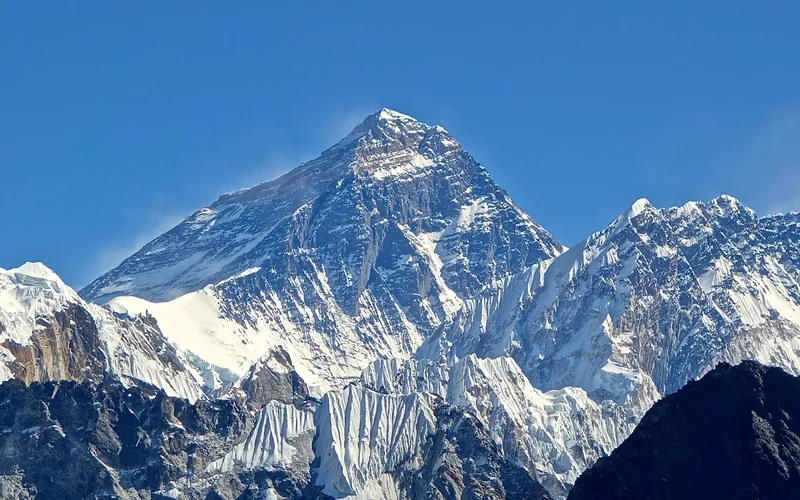


Mount Everest
Mount Everest is the highest mountain above sea level on Earth, standing at an official elevation of 8,848.86 meters (29,031.7 ft). Straddling the international frontier between Nepal and China, it is known locally as Sagarmatha in Nepali ('Goddess of the Sky') and Chomolungma in Tibetan ('Mother Goddess of the World'). The peak rises into the extreme upper troposphere, where oxygen levels drop to barely one-third of sea-level pressure. Climbers face hurricane-force jet stream winds, severe frostbite conditions, shifting ice crevasses in the Khumbu Icefall, and the dangerous Death Zone above 8,000 meters.
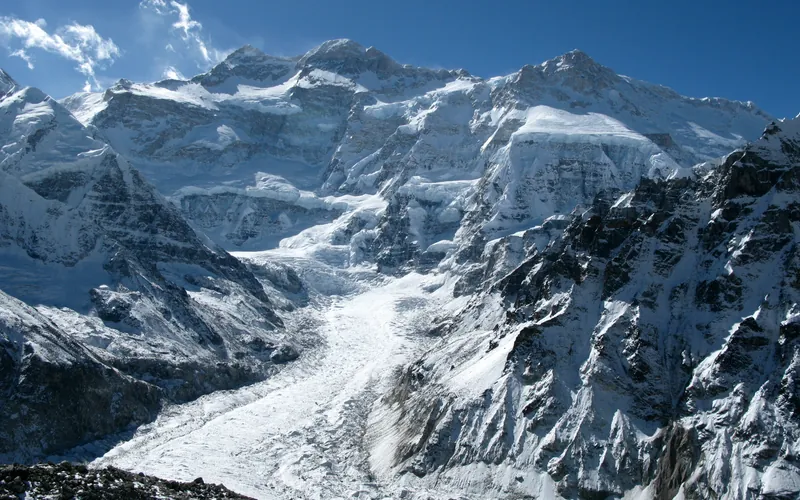
Kangchenjunga
Kangchenjunga, at 8,586 meters (28,169 ft), is the third-highest mountain on Earth, rising on the border between Nepal and Sikkim, India. Honored as sacred by locals, early ascent teams respected local beliefs by stopping short of the actual highest crest. It features immense vertical relief and notorious storm cycles.
Associated Mountain Peaks (1)
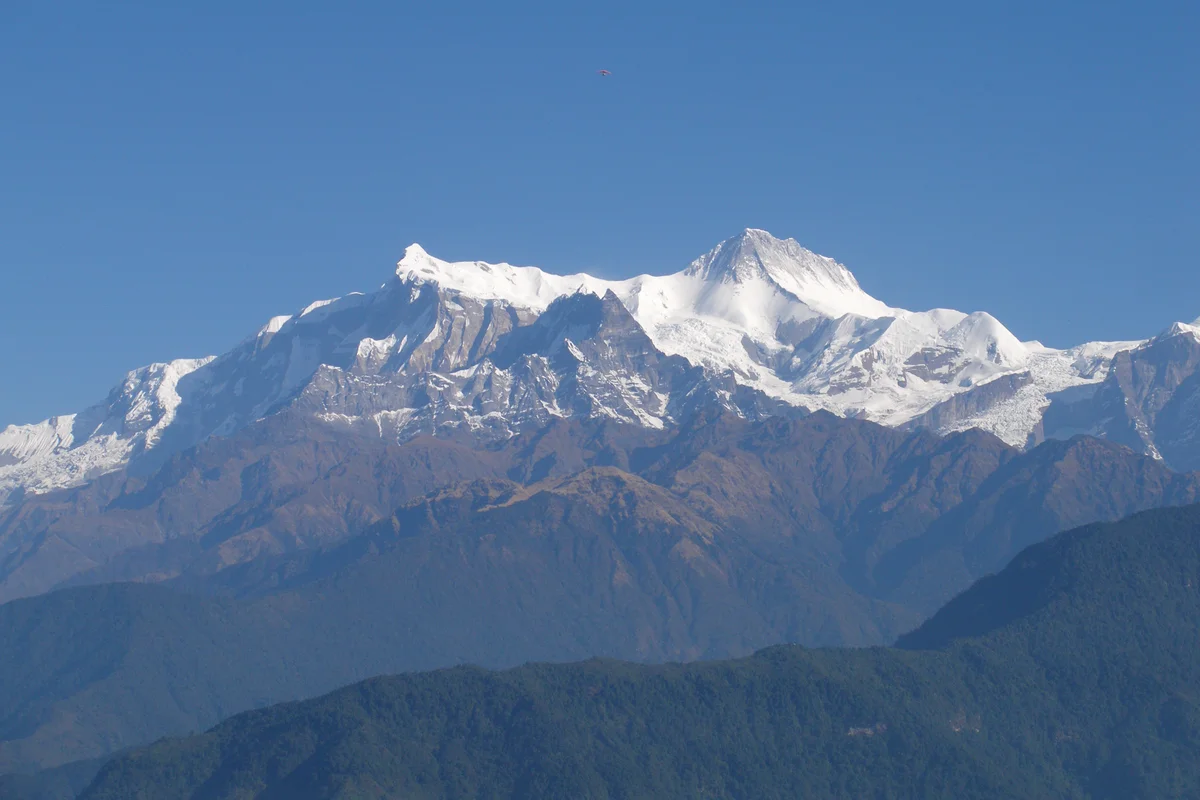
Annapurna IV
Annapurna IV rises to an official surveyed elevation of 7525 meters (24,688 feet) above sea level in the rugged Himalayas. Characterized by steep rock headwalls, complex icefalls, and prominent ridgelines, it is positioned among the dramatic high-altitude peaks of Nepal. The mountain's geography features severe glaciated flanks feeding local glacier systems. Climbers approaching Annapurna IV typically establish remote base camps across high moraines before tackling mixed snow and rock buttresses. Modern expeditions require complete self-sufficiency, careful acclimatization schedules, and navigation through active serac zones. Annapurna IV (Nepali: अन्नपूर्ण ४) is a mountain in the eastern wing of the Annapurna mountain range in the Himalayas in Gandaki Province, Nepal. It has an elevation of 7,525 metres (24,688 ft), making it the 38th highest peak in Nepal. Documented ascents and attempts on Annapurna IV highlight the technical difficulty and sustained exposure typical of 7,000-meter peaks in this subrange. Variable weather systems, combined with sudden wind shifts and avalanche hazards, make summit pushes demanding undertakings that require seasoned alpine judgment.
Geographical Footprint & Mountain Ranges (1)
Associated Chronicles & Stories (2)
Kangchenjunga 1955: Sacred Summit and Alpine Respect
In May 1955, Joe Brown and George Band pioneered the first ascent of Kangchenjunga (8,586m), deliberately stopping short of the true summit to honor the religious beliefs of Sikkim.
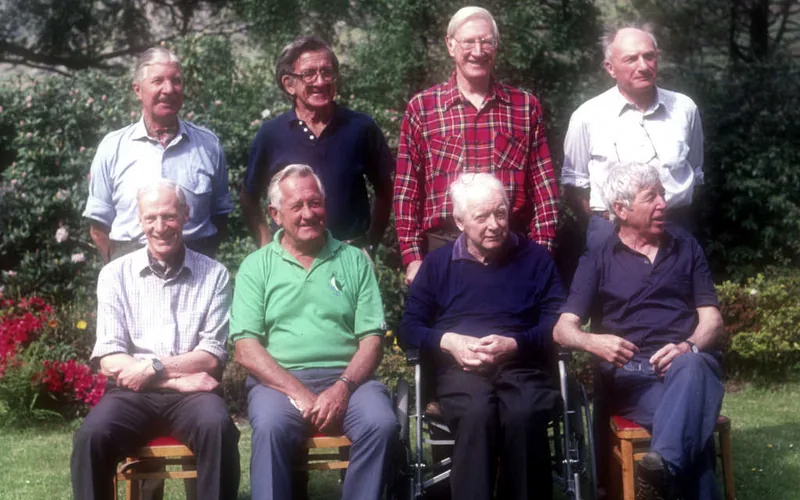
Kangchenjunga 1955: The Sacred Summit and the Human Fly
On May 25, 1955, Joe Brown and George Band achieved the first ascent of Kangchenjunga (8,586m), overcoming a vertical rock wall at 8,500 meters while keeping their promise to leave the sacred summit crest untrodden.
Contemporary Alpinists & Regional Peers (6)
Notable climbers sharing United Kingdom alpine heritage or active during contemporary climbing epochs.
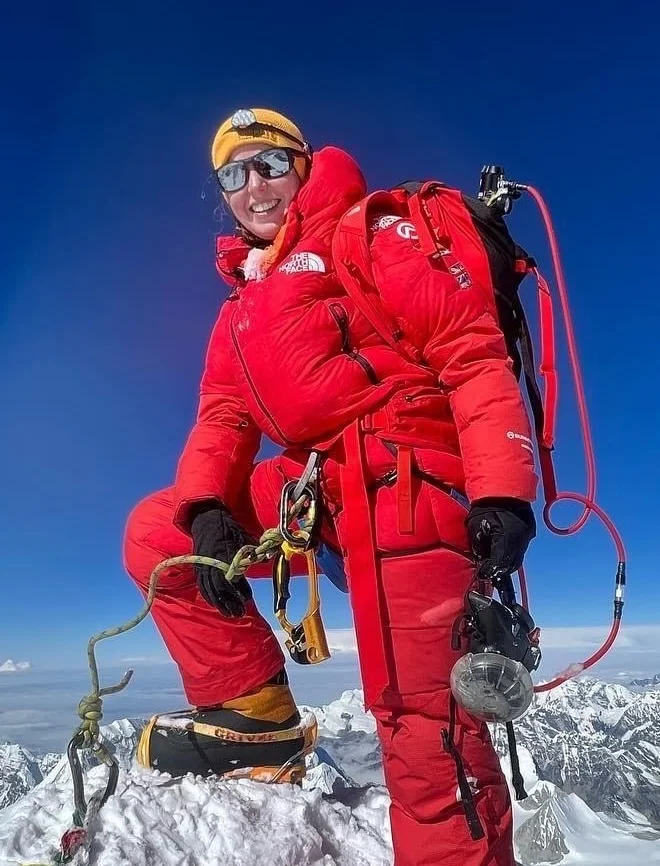
Adriana Brownlee
After summiting Mount Everest at age 20 in May 2021, British climber Adriana Brownlee teamed repeatedly with Nepali guide Gelje Sherpa across the world's highest ranges. Scaling K2 and Nanga Parbat without relying on...
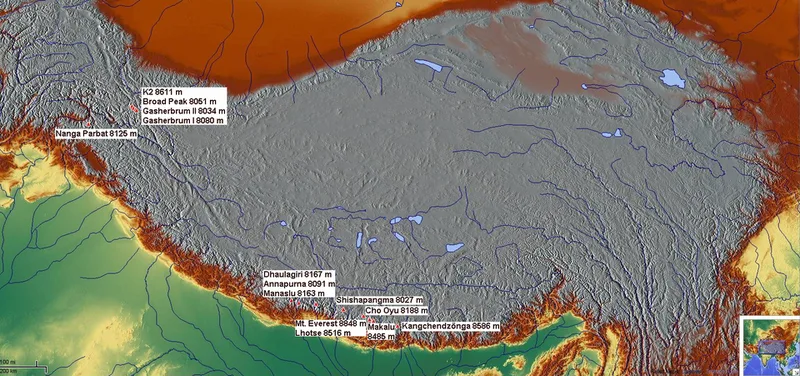
Alan Hinkes
Alan Hinkes began climbing on the cliffs of Yorkshire and the Lake District before establishing difficult routes in the European Alps. Beginning his 8,000-metre quest in 1987 with Shishapangma, Hinkes pursued the...
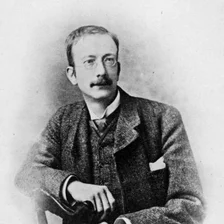
Albert F. Mummery
Albert Frederick Mummery was born on September 10, 1855, in Dover, England. An accomplished political economist and tanner by trade, Mummery completely revolutionized European mountaineering in the late 19th century....
Alex MacIntyre
Alex MacIntyre was among the most brilliant and uncompromising high-altitude climbers of his generation, passionately rejecting heavy siege tactics in favor of lightweight, alpine-style ascents without fixed ropes or...
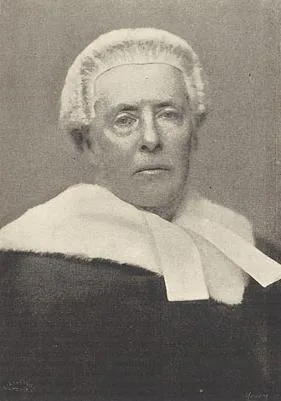
Alfred Wills
Educated at University College London, Alfred Wills developed an abiding reverence for the Swiss Alps during walking tours in the 1840s and 1850s. In September 1854, Wills engaged Chamonix and Bernese guides, including...
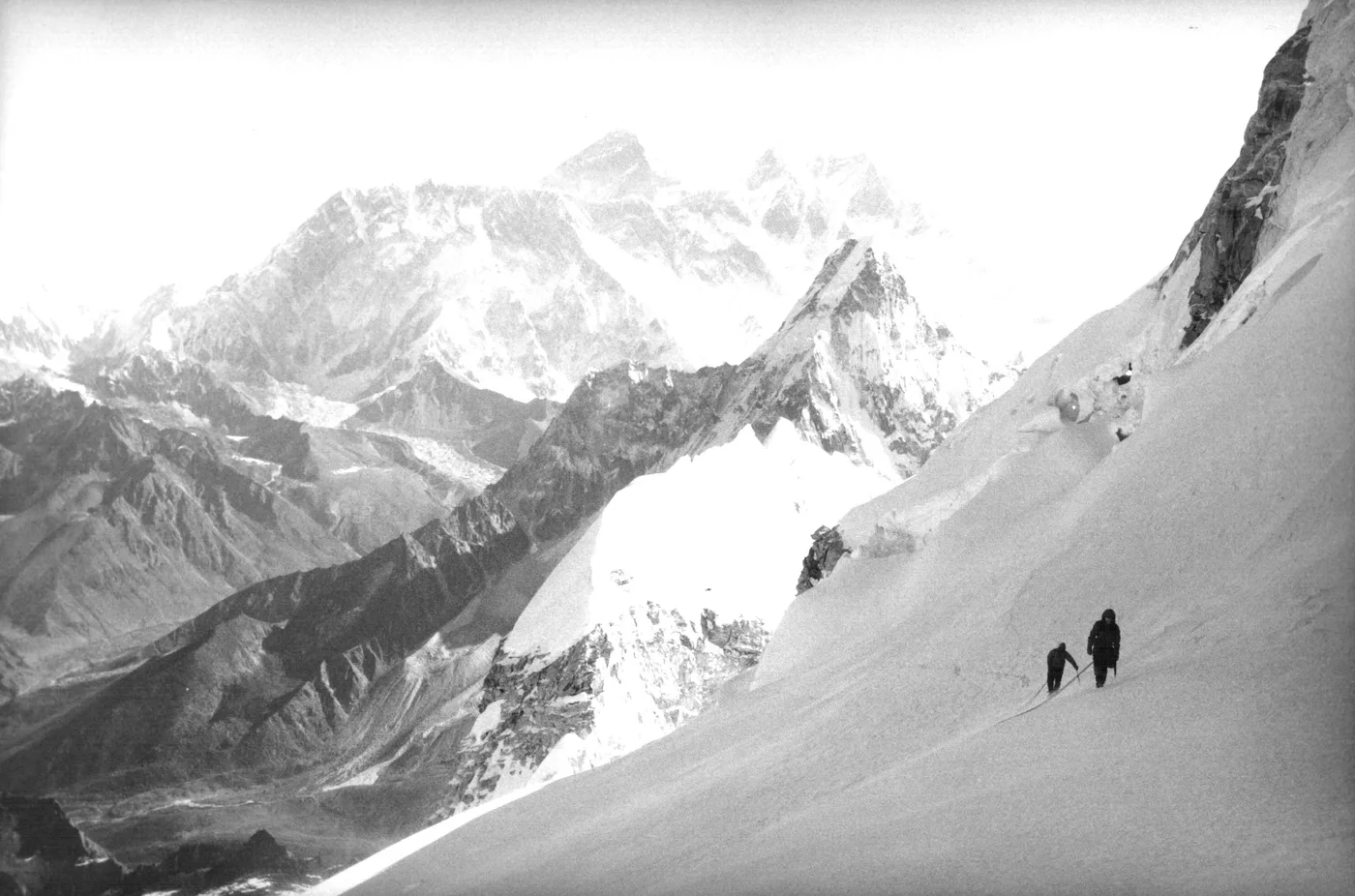
Alison Hargreaves
Alison Jane Hargreaves was born on February 17, 1962, in Mickleover, Derby, England, and raised in Belper, Derbyshire. Drawn to the outdoors from early childhood, she began scrambling on the gritstone edges of the Peak...
Documented Sources & Archival Citations
- Reference OverviewKangchenjunga: The Untrodden Peak— by Charles Evans(Hodder & Stoughton)
Supporting claim: Official narrative of the 1955 Kangchenjunga first ascent expedition
Share Exploration
Global Mountain Intelligence
✓ Link copied to clipboard!