
Sirbaz Khan
Sirbaz Khan is a pioneering Pakistani high-altitude climber from Hunza who completed all 14 eight-thousanders in October 2024 and became the first Pakistani to climb all 14 entirely without supplemental oxygen upon re-climbing Kangchenjunga in May 2025.
Mountain Safety & Conditions Disclaimer: High-altitude climbing, glacial travel, and technical ascents entail severe objective risks including avalanches, serac collapses, rapid weather collapse, and altitude illness. Historical route descriptions and summit claims on Mountainity reflect documented archival sources and must not be used as live operational safety assessments. Local regulations, permits, and physical glacial topography change continuously.
Peer Review: Senior Editorial Board & Historical Reviewers • Editorial Standards
Biographical Record & Archival Chronicle
Born in Aliabad in Pakistan's Hunza Valley, Sirbaz Khan rose through domestic rock and alpine routes in northern Pakistan to lead Pakistan's modern 8,000-meter golden era alongside Ali Sadpara.
Summiting Nanga Parbat without bottled oxygen in 2017 and K2 without oxygen in 2018, Khan steadily ticked off all fourteen 8,000-meter true summits—reaching Shishapangma on October 4, 2024 as the first Pakistani to climb all fourteen 8,000ers. Determined to complete every peak in pure oxygen-free style, he returned to Annapurna I in April 2025 and summited Kangchenjunga without supplemental oxygen on May 18, 2025, becoming the first Pakistani to finish all fourteen 8,000-meter mountains completely without bottled oxygen.
Notable Milestones & Key Ascents (3)
First Pakistani climber to summit all 14 8,000m peaks entirely without supplemental oxygen (completed May 18, 2025 on Kangchenjunga)
First Pakistani to complete all 14 8,000m true summits (October 4, 2024 on Shishapangma)
Oxygen-free summits of K2 (2018), Nanga Parbat (2017), Lhotse, Broad Peak, Manaslu, Dhaulagiri, and Gasherbrum I & II
Key Statistics & Topographic Figures
- Archive Classification
- MOUNTAINEERS
Mountainity Knowledge Corpus
- Verification Status
- Editorially Verified
Archival Standards
- Citation Standard
- Primary Source Verified
Alpine Research Desk
Defined Alpine Terminology & Concepts
- Archival Integrity
- The standard of verifying historical mountain facts, summit claims, and altitudes using primary expeditions journals and geodetic measurements.
Frequently Asked Questions: Sirbaz Khan
What historical significance does this mountaineer hold?
Sirbaz Khan represents an essential chapter in global mountaineering heritage, verified through contemporary expedition journals and archival sources.
How are the facts and records for Sirbaz Khan verified?
All records are checked against peer-reviewed journals, national alpine clubs, geodetic surveys, and the Mountainity Archival Integrity Policy.
Death Zone Summits (13 of 14)


Mount Everest
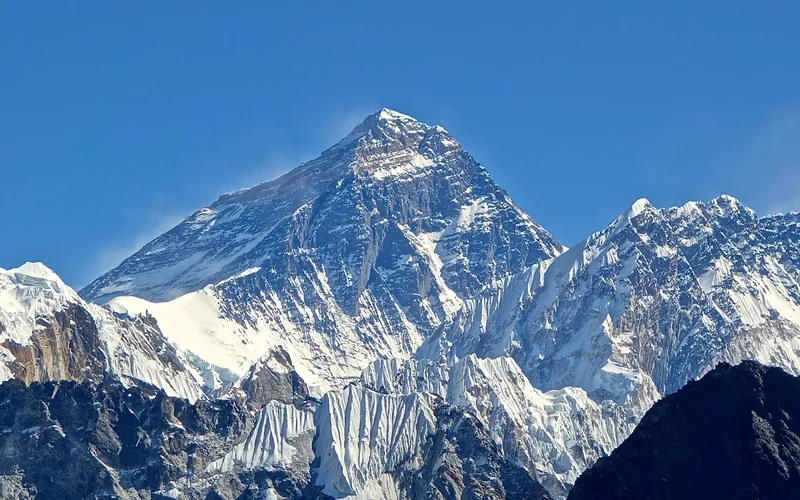
Mount Everest is the highest mountain above sea level on Earth, standing at an official elevation of 8,848.86 meters (29,031.7 ft). Straddling the international frontier between Nepal and China, it is known locally as Sagarmatha in Nepali ('Goddess of the Sky') and Chomolungma in Tibetan ('Mother Goddess of the World'). The peak rises into the extreme upper troposphere, where oxygen levels drop to barely one-third of sea-level pressure. Climbers face hurricane-force jet stream winds, severe frostbite conditions, shifting ice crevasses in the Khumbu Icefall, and the dangerous Death Zone above 8,000 meters.
K2
K2, at 8,611 meters (28,251 ft), is the second-highest mountain on Earth and widely regarded as the most technically demanding and lethal 8,000-meter peak. Located in the heart of the Karakoram on the border between Pakistan and China, K2 is characterized by sheer relief, severe weather anomalies, and persistent objective hazards including the notorious Bottleneck couloir.
Kangchenjunga
Kangchenjunga, at 8,586 meters (28,169 ft), is the third-highest mountain on Earth, rising on the border between Nepal and Sikkim, India. Honored as sacred by locals, early ascent teams respected local beliefs by stopping short of the actual highest crest. It features immense vertical relief and notorious storm cycles.
Lhotse
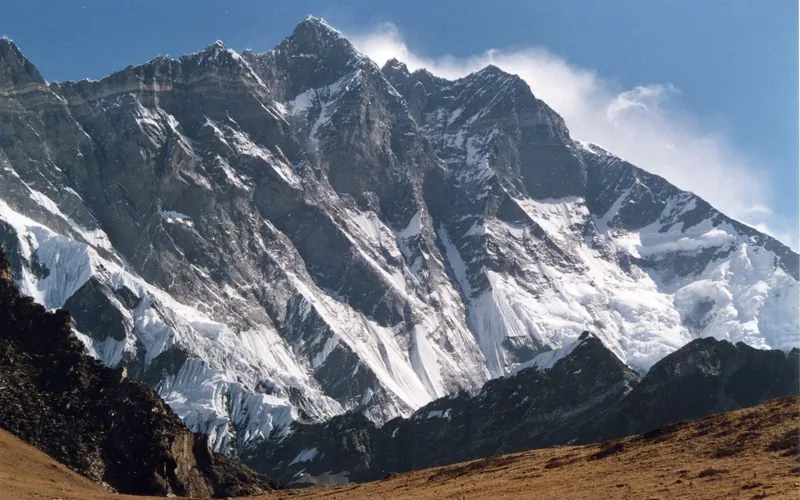
Lhotse, at 8,516 meters (27,940 ft), is the fourth-highest mountain on Earth, connected directly to Mount Everest via the South Col. Renowned for its sheer 3,200-meter South Face, one of the most imposing rock and ice walls in alpinism, the standard route tackles the grueling Lhotse Couloir from the Western Cwm.
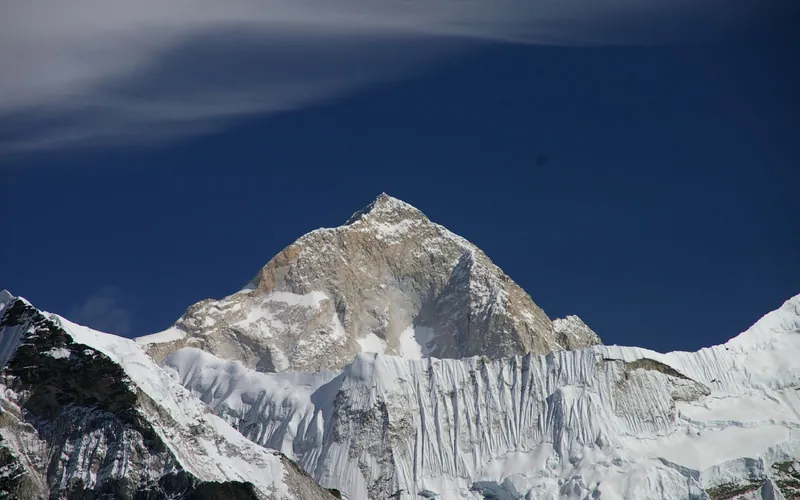
Makalu
Makalu, at 8,485 meters (27,838 ft), is the fifth-highest mountain on Earth, located 19 km southeast of Mount Everest. An isolated four-sided granite pyramid, it is known for technical knife-edge ridges, severe exposure, and punishing weather, making it one of the most challenging eight-thousanders.
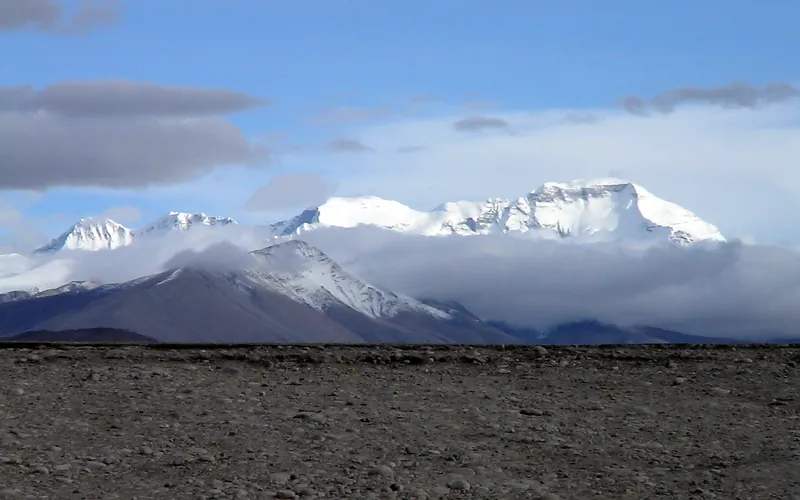
Cho Oyu
Cho Oyu, at 8,188 meters (26,864 ft), is the sixth-highest mountain in the world, situated 20 km west of Mount Everest. Meaning 'Turquoise Goddess' in Tibetan, it stands on the glaciated Nangpa La trade route between Nepal and Tibet. Its moderate northwest slopes make it the most accessible 8,000-meter peak.
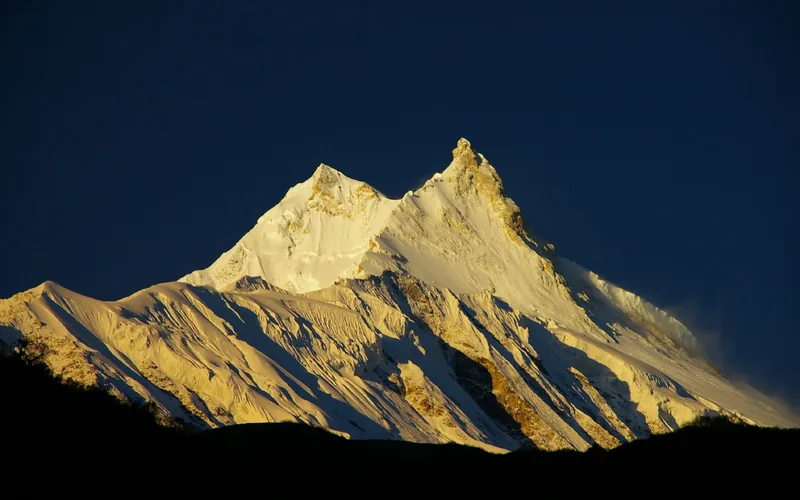
Manaslu
Manaslu, at 8,163 meters (26,781 ft), is the eighth-highest mountain in the world, situated in the Mansiri Himal of west-central Nepal. Known as the 'Mountain of the Spirit', its long ridges and valley glaciers offer dramatic topography culminating in a delicate, exposed knife-edge summit crest.
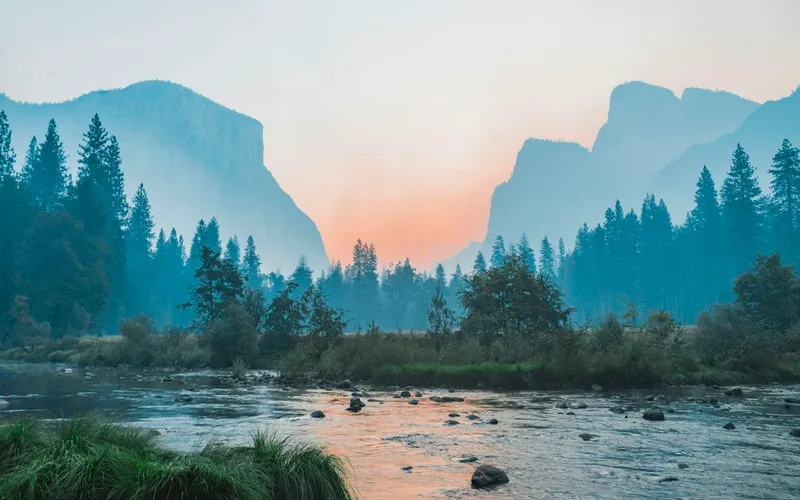
Nanga Parbat
Nanga Parbat, at 8,126 meters (26,660 ft), is the ninth-highest mountain on Earth and the western anchor of the Himalayas in Pakistan. It boasts the Rupal Face, the highest vertical precipice in the world at 4,600 meters from valley floor to summit. Known for profound climbing history, highlighted by Hermann Buhl's legendary solo summit without supplemental oxygen in 1953.
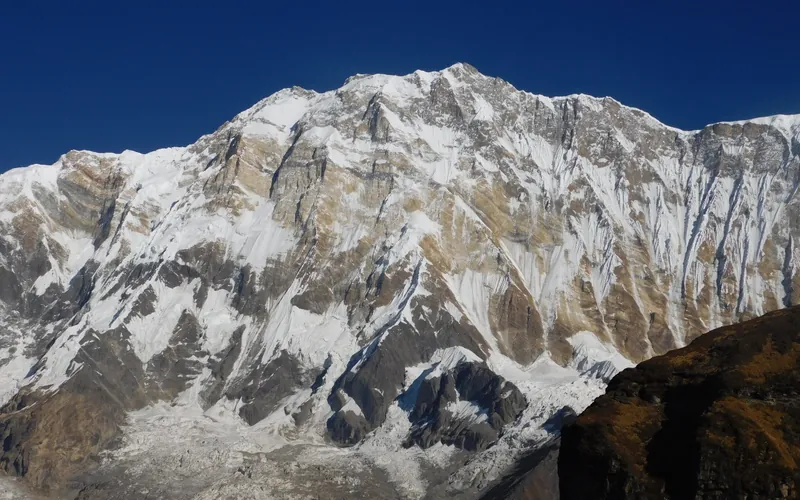
Annapurna I
Annapurna I, at 8,091 meters (26,545 ft), is the tenth-highest mountain in the world and historically the first 8,000-meter peak ever summited (June 3, 1950 by Maurice Herzog and Louis Lachenal). Rising above the Annapurna Sanctuary, its north and south walls present extreme avalanche and serac fall hazards.
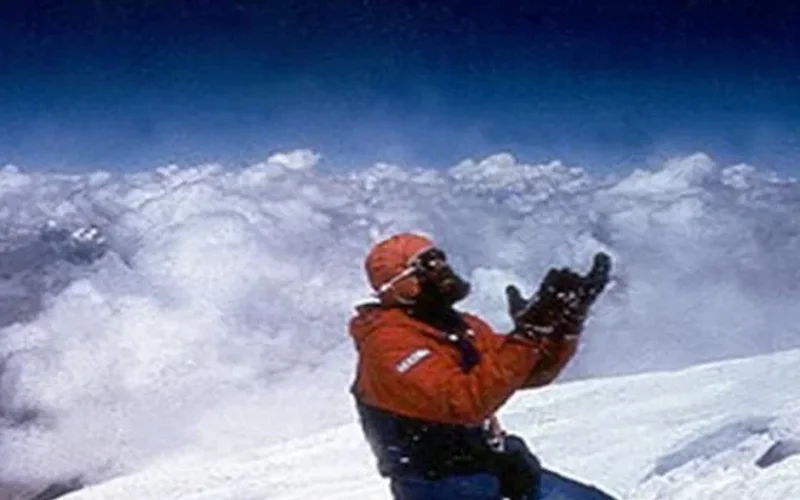
Gasherbrum I
Gasherbrum I, at 8,080 meters (26,510 ft), is the eleventh-highest mountain on Earth, also known as Hidden Peak or K5. Named by William Martin Conway in 1892 due to its extreme seclusion behind the Gasherbrum ridge, it stands on the border between Pakistan and China. First summited in 1958 by an American expedition led by Nicholas Clinch, it was also the scene of Reinhold Messner and Peter Habeler's historic 1975 alpine-style ascent without supplemental oxygen.
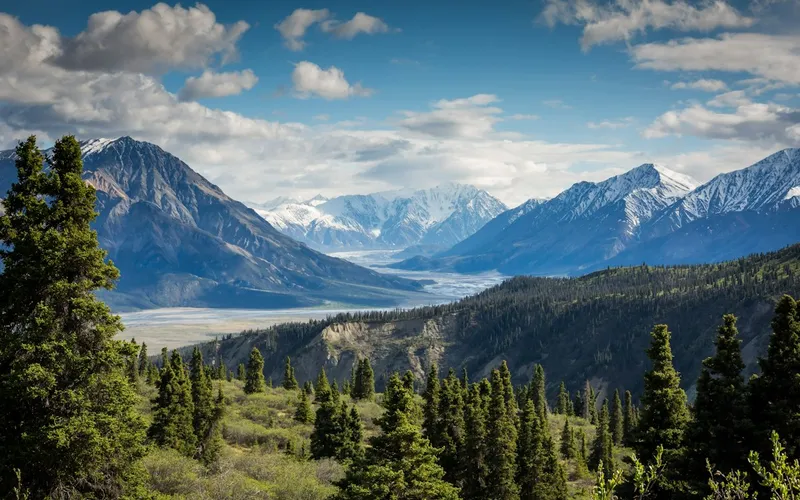
Broad Peak
Broad Peak, at 8,051 meters (26,414 ft), is the twelfth-highest mountain in the world. Located in the Karakoram directly across the Godwin-Austen Glacier from K2, it is famous for its 1.5-kilometre-long summit crest. First climbed in lightweight alpine style without supplemental oxygen or high-altitude porters in 1957 by an Austrian team.
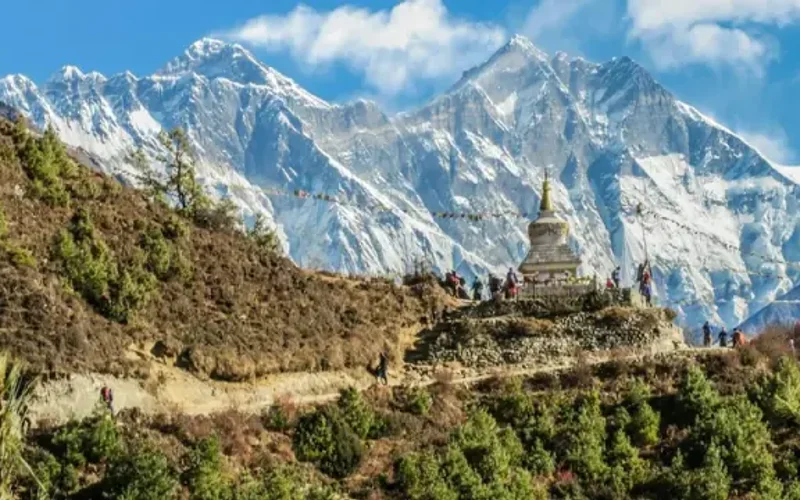
Gasherbrum II
Gasherbrum II, standing at 8,035 meters (26,362 ft), is the thirteenth-highest mountain on Earth and the third-highest peak of the Gasherbrum massif in the Karakoram. Located at the head of the Baltoro Glacier on the Pakistan-China frontier, it features a classic pyramidal profile with challenging ice couloirs. First summited in 1956 by an Austrian team, it was famously climbed in pure alpine style in 1982 by Reinhold Messner, Nazir Sabir, and Sher Khan.
Shishapangma
Shishapangma, at 8,027 meters (26,335 ft), is the fourteenth-highest mountain on Earth and the only 8,000-meter peak situated entirely within Tibetan/Chinese territory. Due to geopolitical restrictions, it was the final eight-thousander to be climbed, summited by a Chinese expedition on May 2, 1964.
Geographical Footprint & Mountain Ranges (2)
Documented Ascent Routes (2)
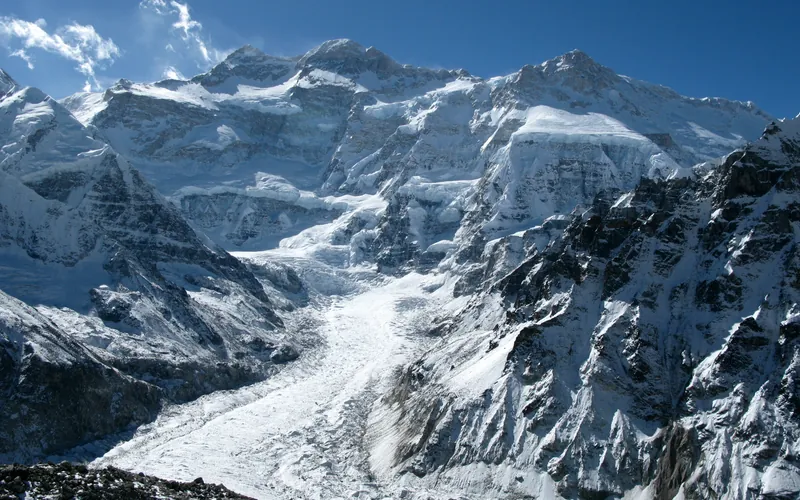
Kangchenjunga Southwest Face (Normal Route)
The Southwest Face route is the classic line of ascent on Kangchenjunga, climbing out of the Yalung Glacier cirque in eastern Nepal. First forged in 1955 by British mountaineers Joe Brown and George...
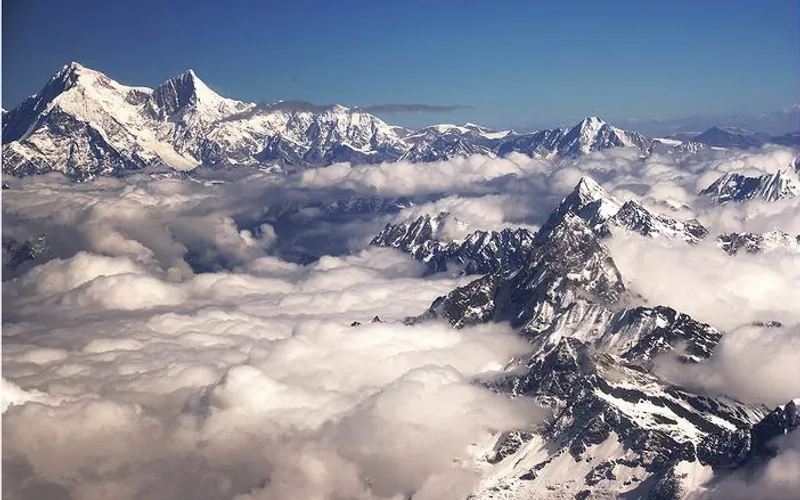
Shishapangma Northwest Ridge (Normal Route)
The Northwest Ridge is the standard route on Shishapangma, situated entirely in Tibet and first ascended by a Chinese expedition in 1964. Approached from the dry, high-altitude plateau of southern...
Documented Expeditions (2)
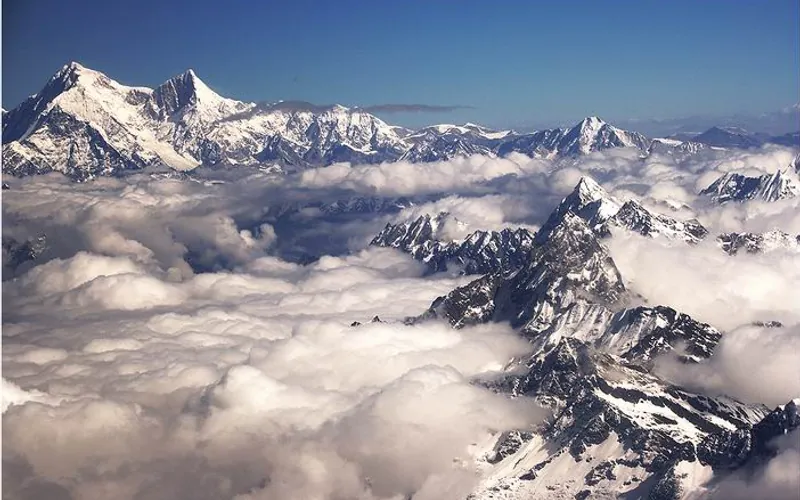
2024 October 9 Shishapangma Historic 14×8000m Day
Following autumn 2024 Tibet permit reopening, Tracee Metcalfe and Sirbaz Khan completed their 14th peaks on October 4, followed on October 9 by Nima Rinji Sherpa (age 18), Shehroze Kashif (22), Dawa Yangzum Sherpa, and Adriana Brownlee (23).
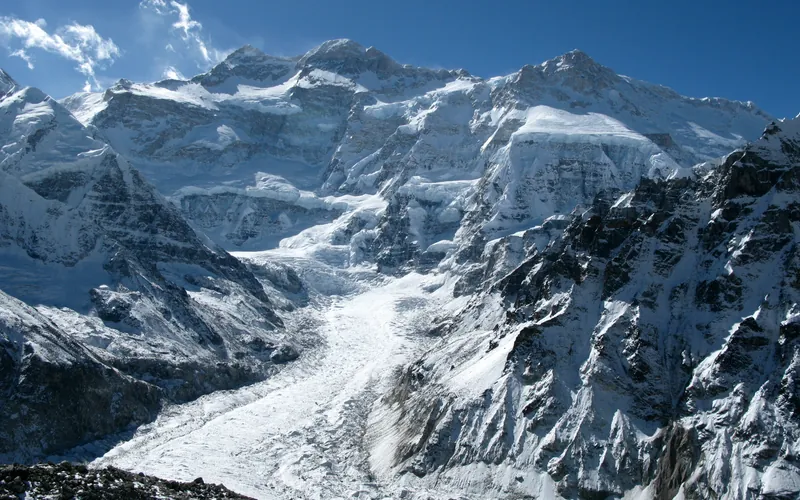
2025 Sirbaz Khan Kangchenjunga No-Oxygen 14×8000m
Summiting Kangchenjunga without bottled oxygen on May 18, 2025—weeks after re-climbing Annapurna I without oxygen—Sirbaz Khan became the first Pakistani climber to conquer all 14 eight-thousanders completely oxygen-free.
Documented Expedition Partners (11)
Alpinists with documented shared expedition rosters, co-ascents, or collaborative high-altitude campaigns alongside Sirbaz Khan.
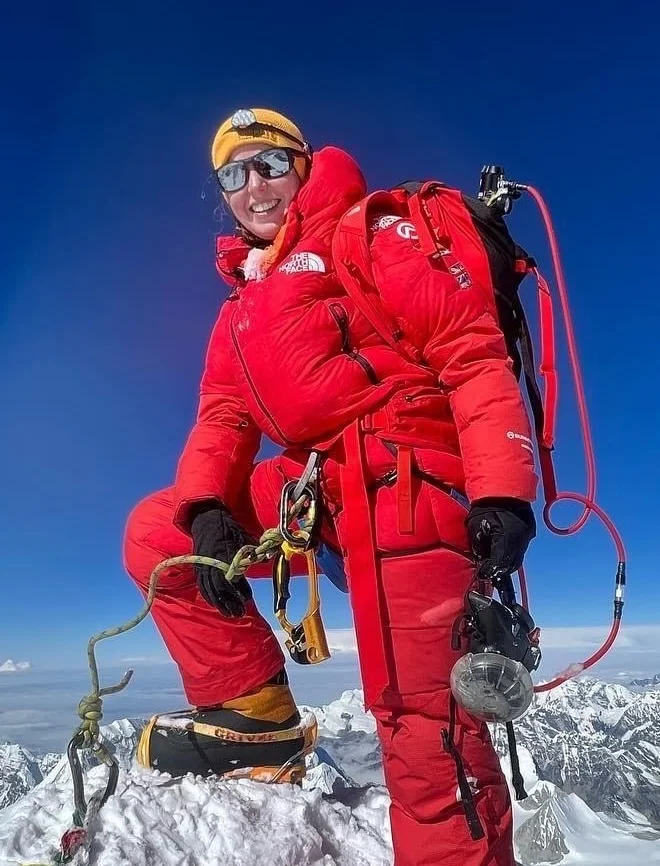
Adriana Brownlee
After summiting Mount Everest at age 20 in May 2021, British climber Adriana Brownlee teamed repeatedly with Nepali guide Gelje Sherpa across the world's highest ranges. Scaling K2 and Nanga Parbat without relying on...
Alasdair McKenzie
Raised in the French alpine resort of Tignes with British and French citizenship, Alasdair McKenzie developed elite physical conditioning through competitive ski racing. Embarking on Himalayan climbing in 2022 at age...
Dawa Finzok Sherpa
Originating from the Makalu region of Sankhuwasabha, Dawa Finzok Sherpa is renowned across international expedition teams as an exceptional high-altitude load carrier and master route rigger. Serving on frontline safety...
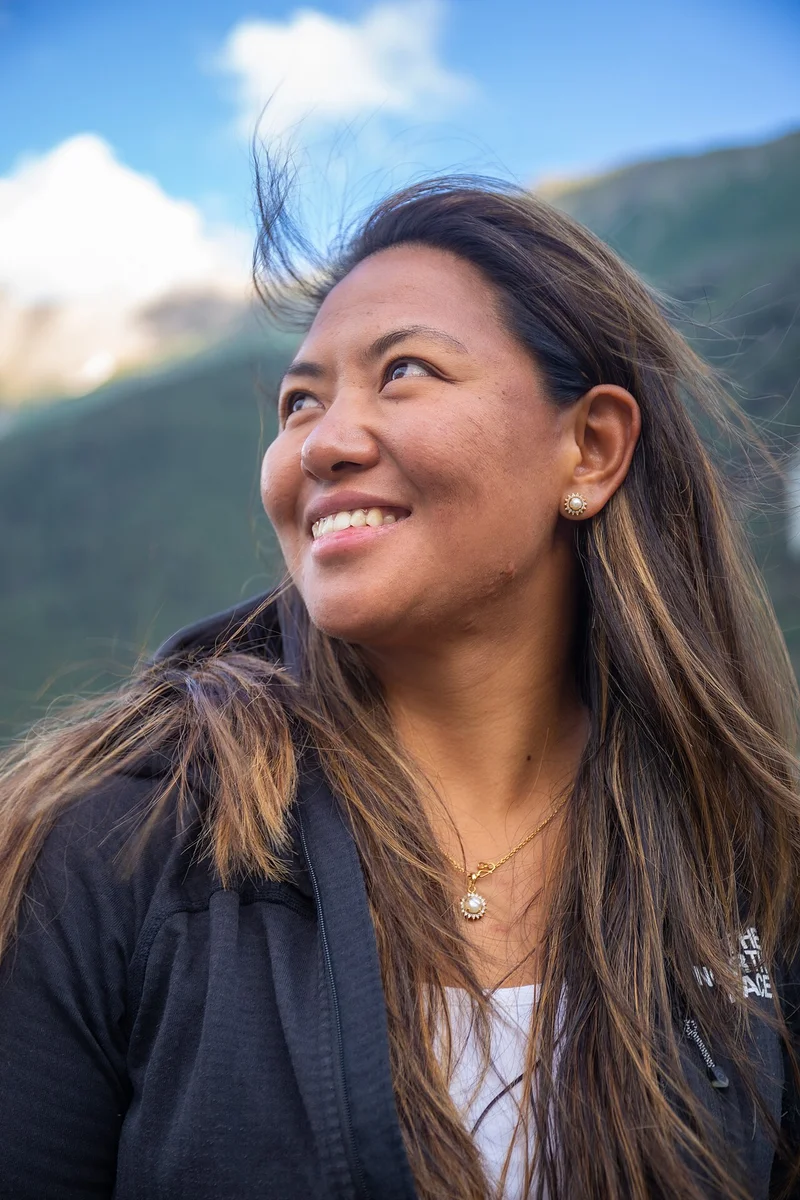
Dawa Yangzum Sherpa
Raised in remote Rolwaling Valley under Gaurishankar, Dawa Yangzum Sherpa broke cultural barriers to become Nepal's first female IFMGA (International Federation of Mountain Guides Associations) certified guide in 2017....
Mario Vielmo
An enduring figure of northeastern Italian alpinism, Mario Vielmo dedicated over 25 years to climbing the highest peaks on Earth. Commencing with Dhaulagiri in 1998, Vielmo climbed twelve 8,000ers without supplemental...
Naoko Watanabe
Born in Fukuoka, Naoko Watanabe began high-altitude Himalayan climbing in the mid-2000s, steadily establishing a reputation for stamina and endurance on the highest mountains in the world. Summited Everest, K2, and the...
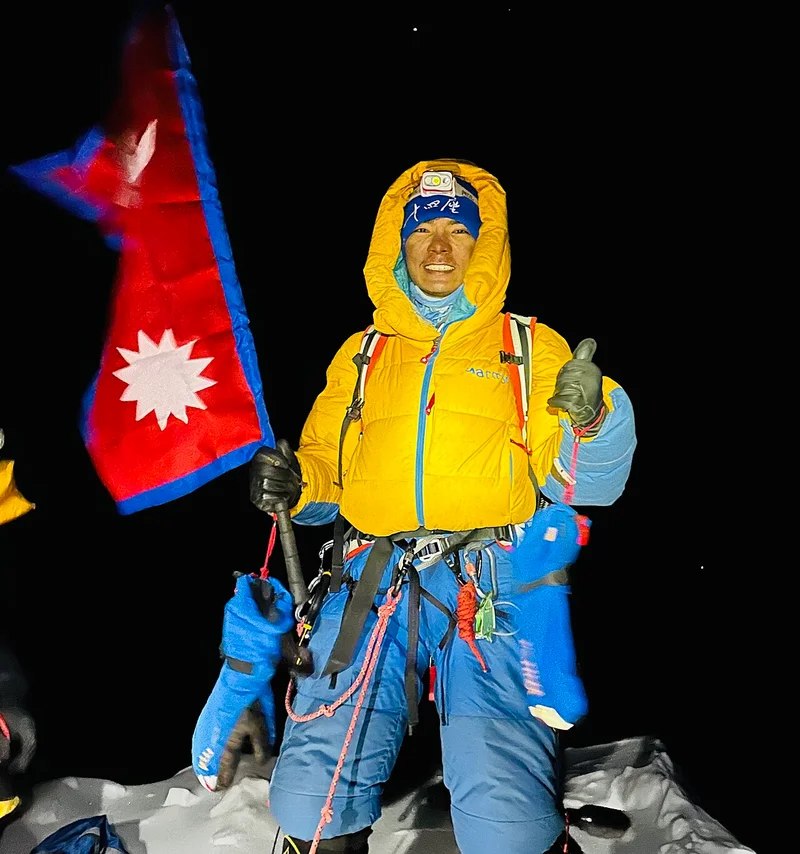
Nima Rinji Sherpa
Son of veteran Seven Summit Treks mountaineer Tashi Lakpa Sherpa, Nima Rinji Sherpa began climbing major Himalayan peaks as a teenager with remarkable stamina and technical composure. Summiting Manaslu in 2022 at age...
Pasang Nurbu Sherpa
With dozens of successful expeditions across Nepal, Pakistan, and Tibet, Pasang Nurbu Sherpa represents the veteran core of Nepal's high-altitude mountaineering excellence. Specializing in fixing lines through dangerous...
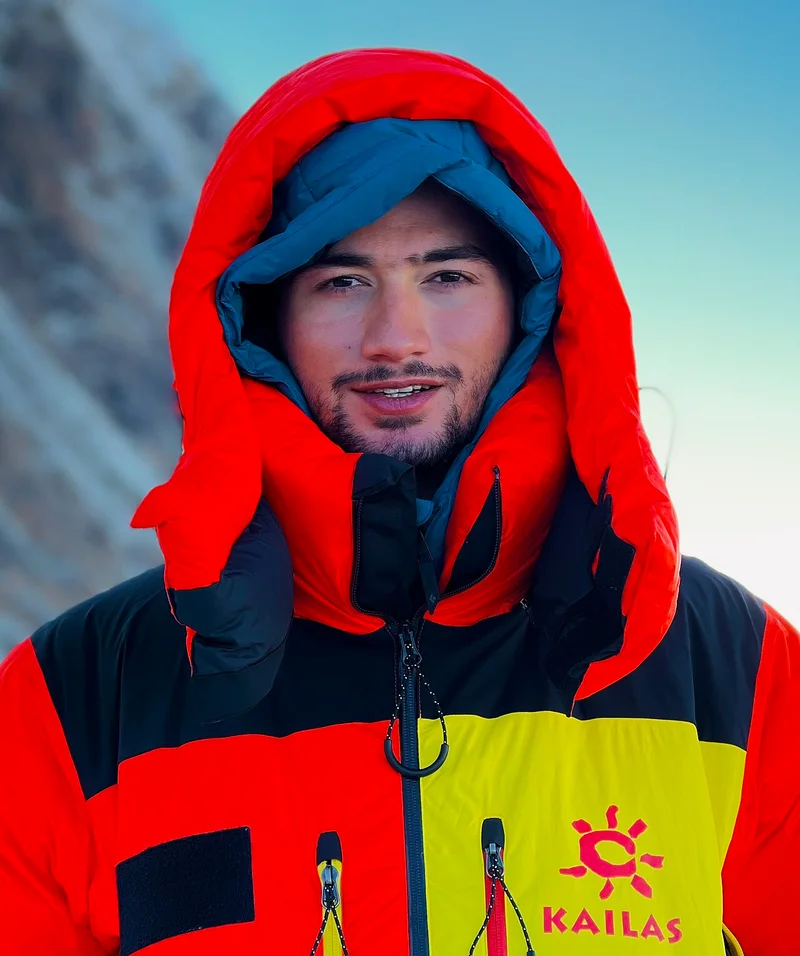
Shehroze Kashif
Nicknamed 'Broad Boy' after climbing Broad Peak (8,051 m) at age 17 in 2019, Lahore-born Shehroze Kashif progressed rapidly across the world's highest ranges. In 2021 he became the youngest Pakistani on Mount Everest...
Tejan Gurung
Hailing from Gorkha, Nepal, Tejan Gurung established himself as one of the most reliable and formidable lead climbing guides in the Himalayas. Guiding clients and fixing lines across Pakistan, Nepal, and Tibet with...
Tracee Metcalfe
Balancing hospitalist work in Colorado with Himalayan seasons, physician Dr. Tracee Metcalfe also served as high-altitude expedition doctor across multiple Nepal and Karakoram teams. Following true-summit ascents...
Contemporary Alpinists & Regional Peers (6)
Notable climbers sharing Pakistan alpine heritage or active during contemporary climbing epochs.
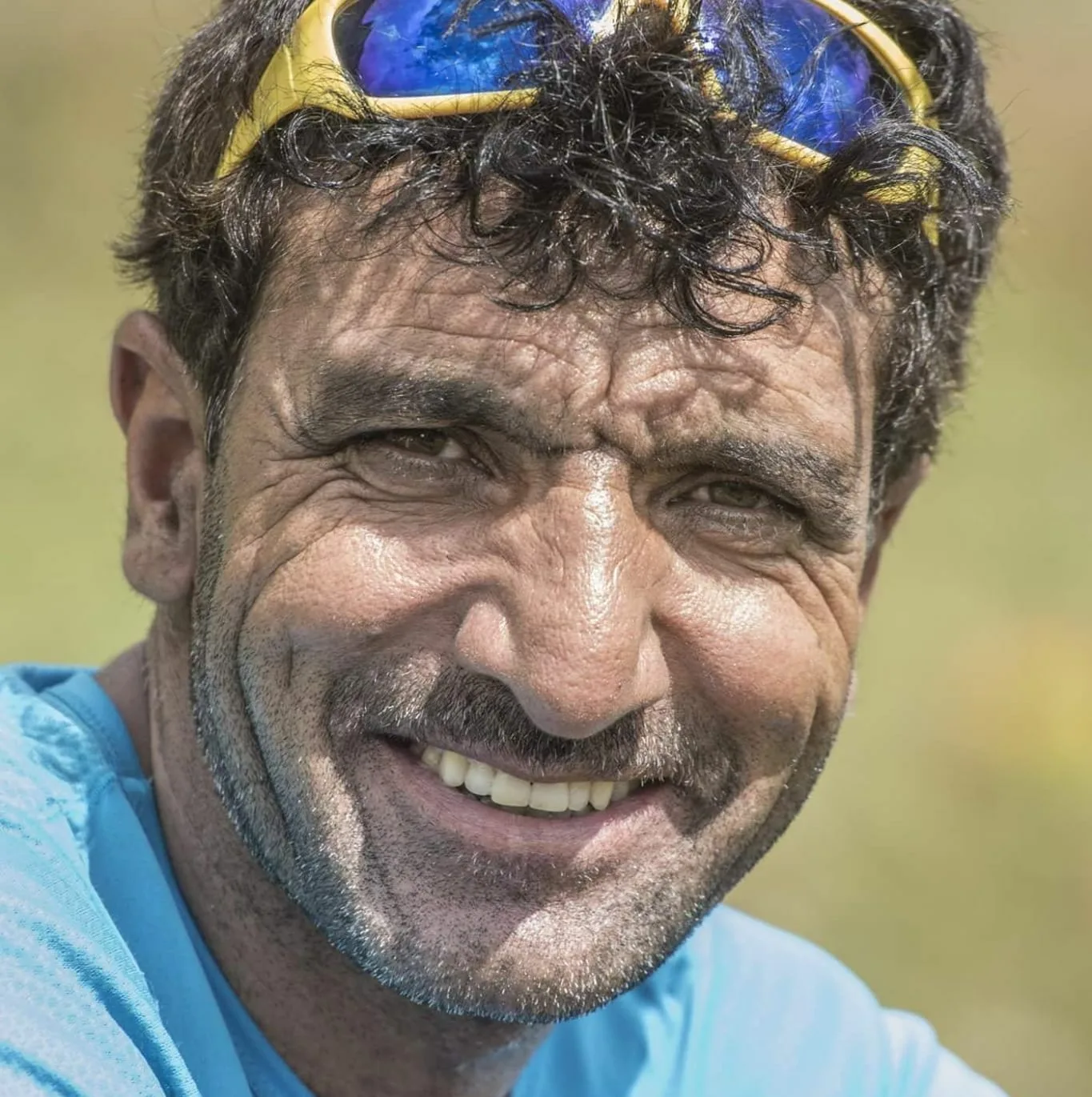
Muhammad Ali Sadpara
Muhammad Ali Sadpara was born on February 2, 1976, in Sadpara village near Skardu in Gilgit-Baltistan, Pakistan. Like his fellow villagers, Ali began his working life as a porter carrying expedition freight through the...
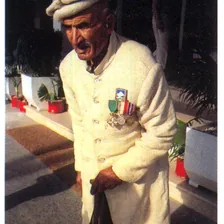
Amir Mehdi
Amir Mehdi was born around 1913 in the picturesque mountain village of Hasanabad, Hunza, in the princely state of Hunza (now Gilgit-Baltistan, Pakistan). Like many men of the Karakoram, Mehdi possessed innate...
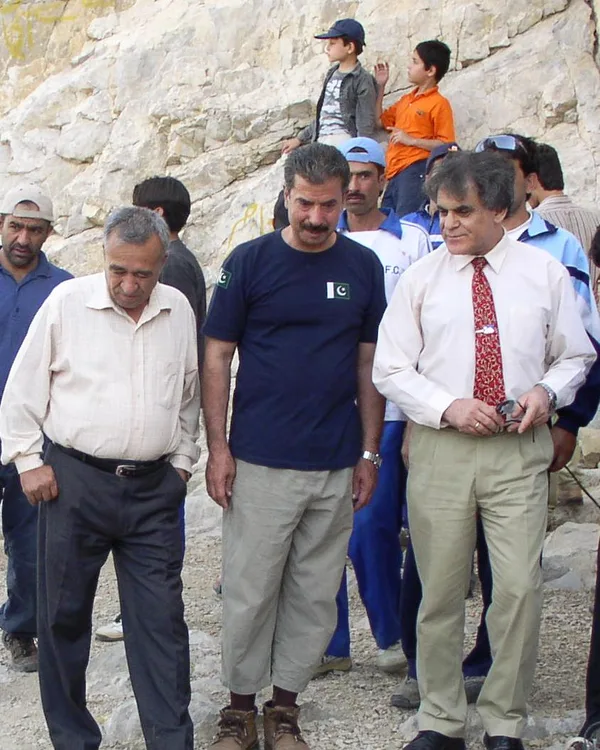
Ashraf Aman
Ashraf Aman was born on January 15, 1938, in Aliabad, Hunza, in what is now Gilgit-Baltistan, Pakistan. Growing up surrounded by the towering, vertical granite spires of the Karakoram, Aman pursued technical training in...
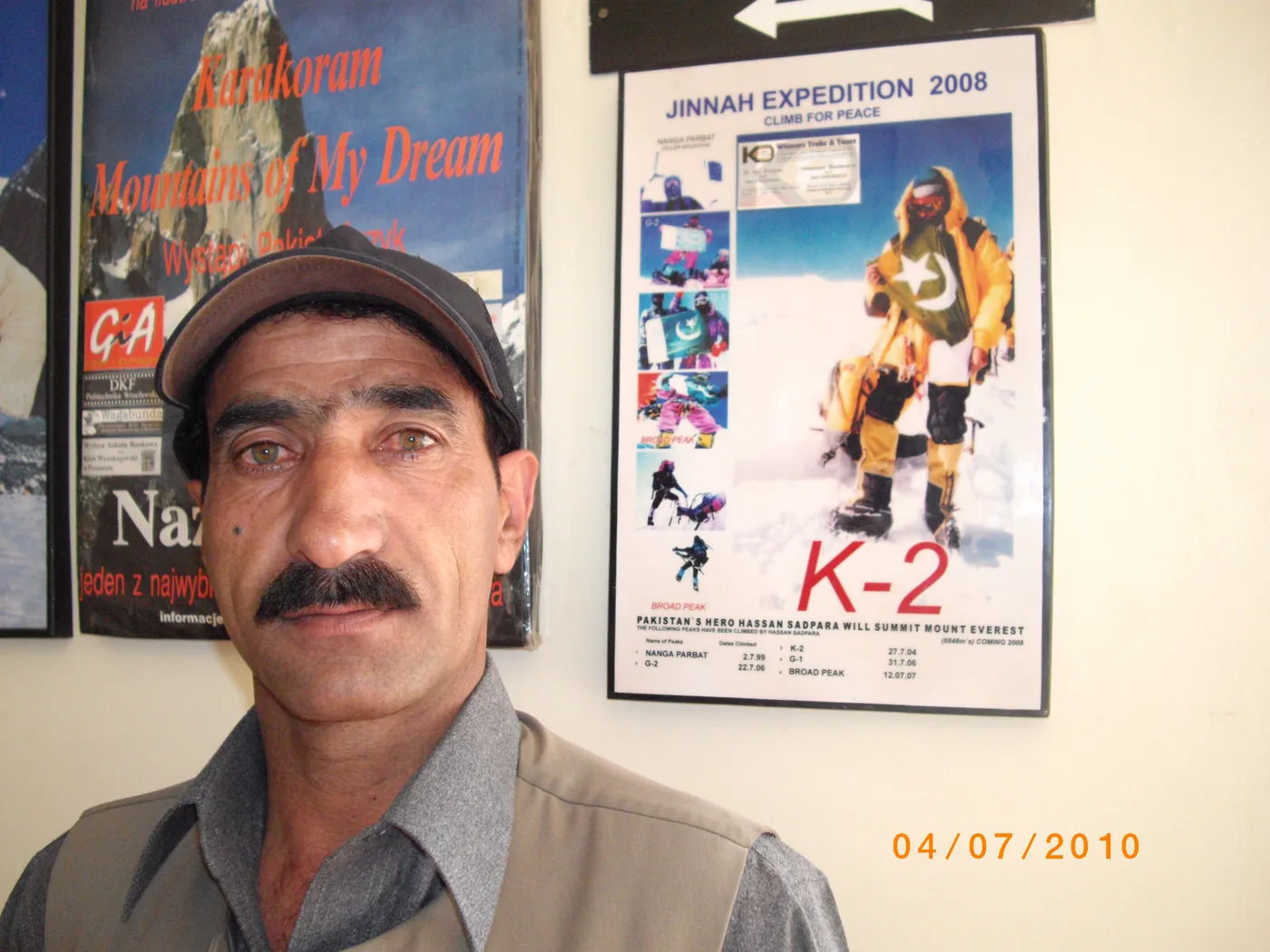
Hassan Sadpara
Hassan Sadpara (born Hassan Asad) was born on January 15, 1963, in the mountain village of Sadpara, perched beside the turquoise waters of Sadpara Lake near Skardu in Gilgit-Baltistan, Pakistan. Growing up surrounded by...
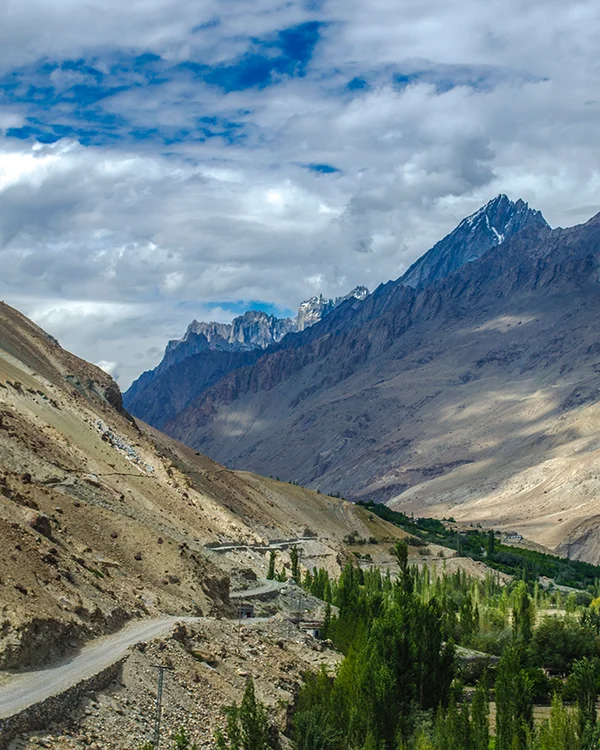
Little Karim
Mohammad Karim was born around 1951 in the high mountain hamlet of Hushe in the Ghangche District of Baltistan, Pakistan. Standing barely five feet tall (under 150cm) and weighing under fifty kilograms, Karim entered...
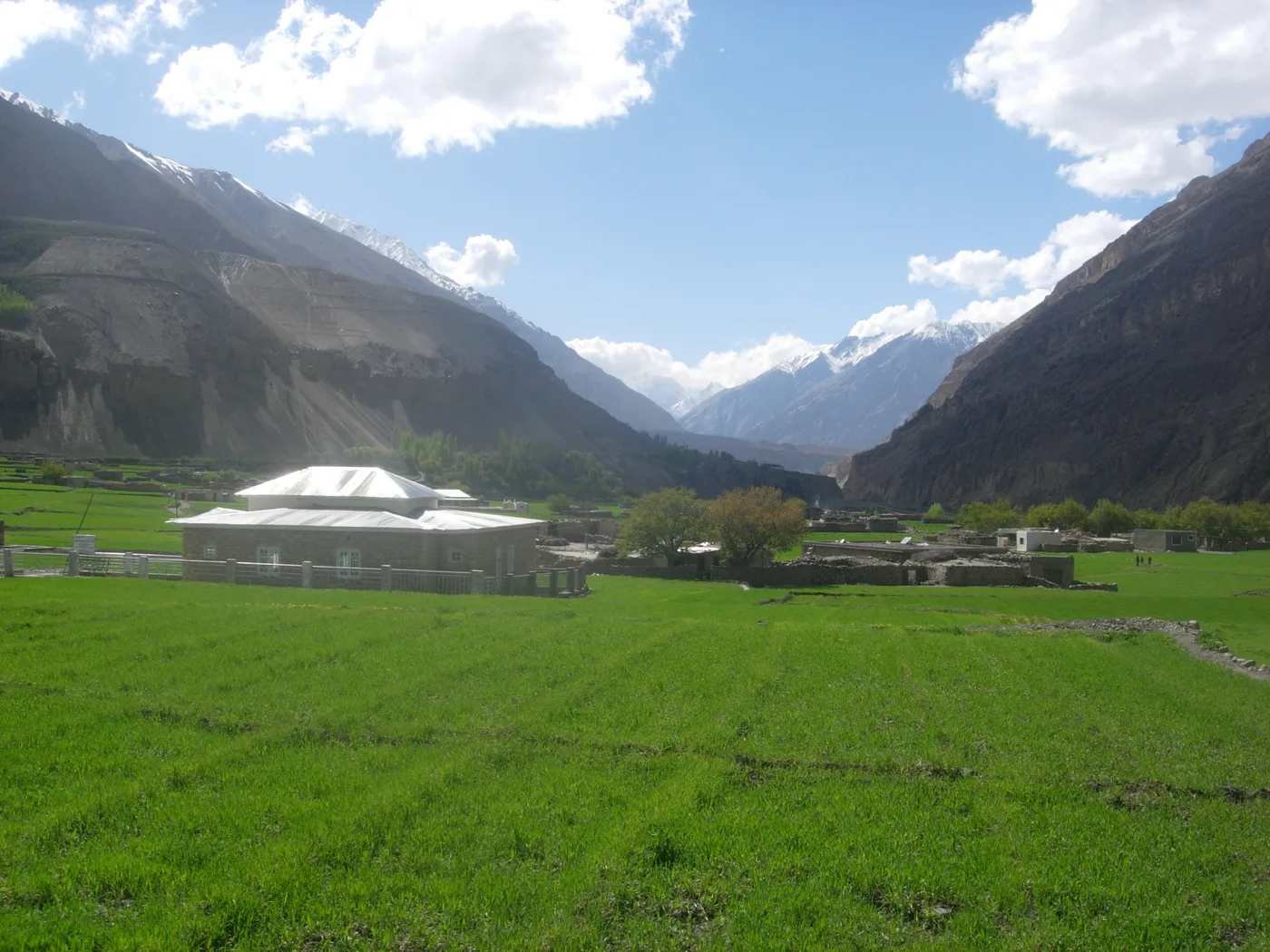
Mehrban Shah
Mehrban Shah was born in 1956 in the high alpine village of Shimshal in upper Gojal, Hunza, Pakistan. Like his village kinsman and lifelong climbing companion Rajab Shah, Mehrban was raised in the severe, high-altitude...
Documented Sources & Archival Citations
- Archival DatabaseSirbaz Khan Becomes First Pakistani to Climb All 14 8,000ers Without Oxygen ↗(ExplorersWeb / Alpine Club of Pakistan)
Supporting claim: May 18, 2025 no-O2 Kangchenjunga summit completing Sirbaz Khan’s 14x8000m no-oxygen campaign.
Share Exploration
Global Mountain Intelligence
✓ Link copied to clipboard!