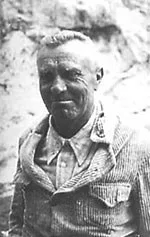
Tita Piaz
Tita Piaz was an audacious Italian mountain guide and political activist known as the Devil of the Dolomites. Revered for his acrobatic rope maneuvers, bold tension traverses, and solo ascents on sheer limestone towers, he completed over fifty pioneering first ascents across the Catinaccio, Sella, and Marmolada massifs.
Mountain Safety & Conditions Disclaimer: High-altitude climbing, glacial travel, and technical ascents entail severe objective risks including avalanches, serac collapses, rapid weather collapse, and altitude illness. Historical route descriptions and summit claims on Mountanity reflect documented archival sources and must not be used as live operational safety assessments. Local regulations, permits, and physical glacial topography change continuously.
Peer Review: Senior Editorial Board & Historical Reviewers • Editorial Standards
Biographical Record & Archival Chronicle
Born on October 13, 1879, in Pera di Fassa in the Ladin-speaking heart of the Dolomites, Giovanni Battista 'Tita' Piaz began climbing the vertical spires of the Catinaccio (Rosengarten) as a teenager without formal instruction. Combining volcanic physical strength with a daring, theatrical charisma, Piaz became one of the most famous alpine guides of the Belle Époque. In 1898, at the age of nineteen, he climbed the Torre Delago solo, establishing his reputation for ice-cold nerve on vertical ground. Piaz perfected the art of the Seilquergang — throwing and tensioning ropes across chasms to traverse otherwise impassable blank slabs. In 1900, he made the audacious first ascent of the Punta Emma via the Piaz Crack (Fessura Piaz), an extreme vertical fissure that pushed the technical standards of free climbing to the limit. Piaz participated in the historic 1901 exploration of the 800-metre South Face of Marmolada, completed daring first ascents on the Vajolet Towers and Campanile di Val Montanaia, and climbed the south face of the Schiefe Turm. A passionate anti-fascist, Piaz suffered imprisonment during World War II for his outspoken defiance of Mussolini's regime. After the war, he was elected mayor of his beloved village of Pozza di Fassa. On August 6, 1948, the legendary climber survived a fall while bicycling near his home, but succumbed to head injuries at the age of sixty-eight.
Notable Milestones & Ascents
- First ascent of the Punta Emma via the extreme Fessura Piaz (UIAA V) in August 1900
- Solo first ascent of the Torre Delago in 1898, demonstrating masterclass exposure tolerance
- Exploration and opening of pioneering routes on the Marmolada South Face and Campanile di Val Montanaia
- Pioneered aerial rope tension techniques and pendulum maneuvers across blank limestone cliffs
- Established more than fifty first ascents across the Dolomites during an active career spanning four decades
- Authored celebrated alpine memoirs including Mezzo secolo d'alpinismo (1947)
Key Statistics & Topographic Figures
- Lifespan
- October 13, 1879 – August 6, 1948 (aged 68)
- Moniker
- Il Diavolo delle Dolomiti (The Devil of the Dolomites)
- Key Ascents
- Campanile Toro, Torre Delago, Punta Emma
- Home Valley
- Val di Fassa, Trentino, Dolomites
- Documented Ascents
- Over 1,000 Dolomite summits guided and soloed
Archival Primary Source Quotations
“The rock is alive; it speaks to those who approach it with courage in their hearts and honesty in their soles.”
Defined Alpine Terminology & Concepts
- Tension Traverse
- A climbing technique where the leader relies on rope tension from a secure anchor to lean across a blank, holdless rock wall.
- Catinaccio (Rosengarten)
- The dramatic pink Dolomite massif rising above Val di Fassa where Piaz pioneered dozens of historic rock routes.
Frequently Asked Questions: Tita Piaz
Who was Tita Piaz and why was he called "The Devil of the Dolomites"?
Giovanni Battista "Tita" Piaz (1879–1948) was a legendary Trentino guide nicknamed "Il Diavolo delle Dolomiti" for his daring free climbs, speed, and audacious rope maneuvers.
What are Tita Piaz's most famous first ascents?
His landmarks include the daring first ascent of Campanile Toro (1908), the sheer Torre Delago North Ridge (1911), Punta Emma, and the Marmolada South Face traverse.
What role did Tita Piaz play on the Marmolada South Face in 1901?
Piaz joined Michele Bettega and Beatrice Tomasson in reconnoitering the colossal 1,000-metre south precipice of the Marmolada, proving its viability.
What technical rope maneuver did Tita Piaz invent?
Piaz perfected tension traverses and daring rope pendulums across blank vertical slabs that unlocked previously impassable limestone buttresses.
Where was Tita Piaz based and which hut did he build?
Piaz lived in Pera di Fassa in the Dolomites and constructed the celebrated Rifugio Preuss and Rifugio Passo Pordoi to shelter generations of mountaineers.
What were Tita Piaz's political convictions during the World Wars?
A passionate anti-fascist and democratic socialist, Piaz was imprisoned during World War II by Nazi authorities for his courageous opposition to totalitarianism.
How did Tita Piaz die?
Having survived hundreds of deadly alpine precipices, Piaz died on August 6, 1948, following a tragic bicycle accident in his home village in the Val di Fassa.
What autobiography did Tita Piaz leave behind?
He authored "Mezzo Secolo d'Alpinismo" (Half a Century of Mountaineering), a colorful memoir recounting the golden age of Dolomite exploration.
Associated Summits (1)


Marmolada
Marmolada (3,343 m / 10,968 ft) is the highest peak in the Dolomites, celebrated as the Queen of the Dolomites. Presiding over the Trentino and Veneto regions of northern Italy, its glaciated northern slopes contrast dramatically with its formidable 800-metre south face (Parete d'Argento). First summited via the north side in 1864 by Paul Grohmann, the mountain later witnessed fierce high-altitude combat during World War I and legendary rock routes by Béatrice Tomasson and Tita Piaz.
Pioneered & Associated Routes (1)
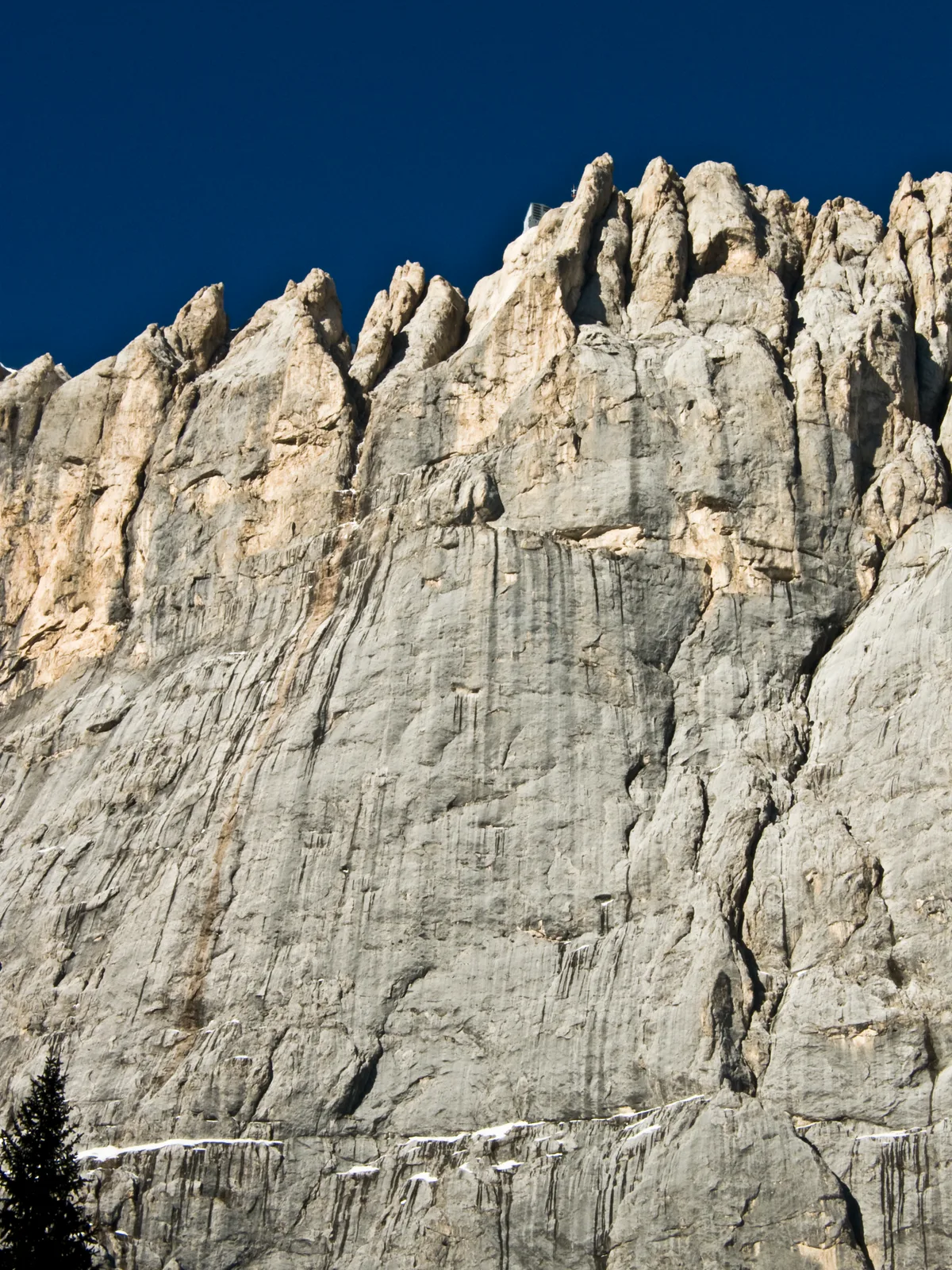
Marmolada South Face (Via Tomasson-Bettega-Zagonel)
The Via Tomasson-Bettega-Zagonel on the South Face of Marmolada (3,343 m) is revered as the Silver Wall (Parete d'Argento) masterwork. Opened on July 1, 1901, by British climber Beatrice Tomasson with legendary Primiero guides Michele Bettega and Bortolo Zagonel, the 800-metre route scales over thirty pitches of compact, polished limestone graded UIAA V, standing as one of the boldest pre-World War I ascents in Europe.
Documented Expeditions (1)
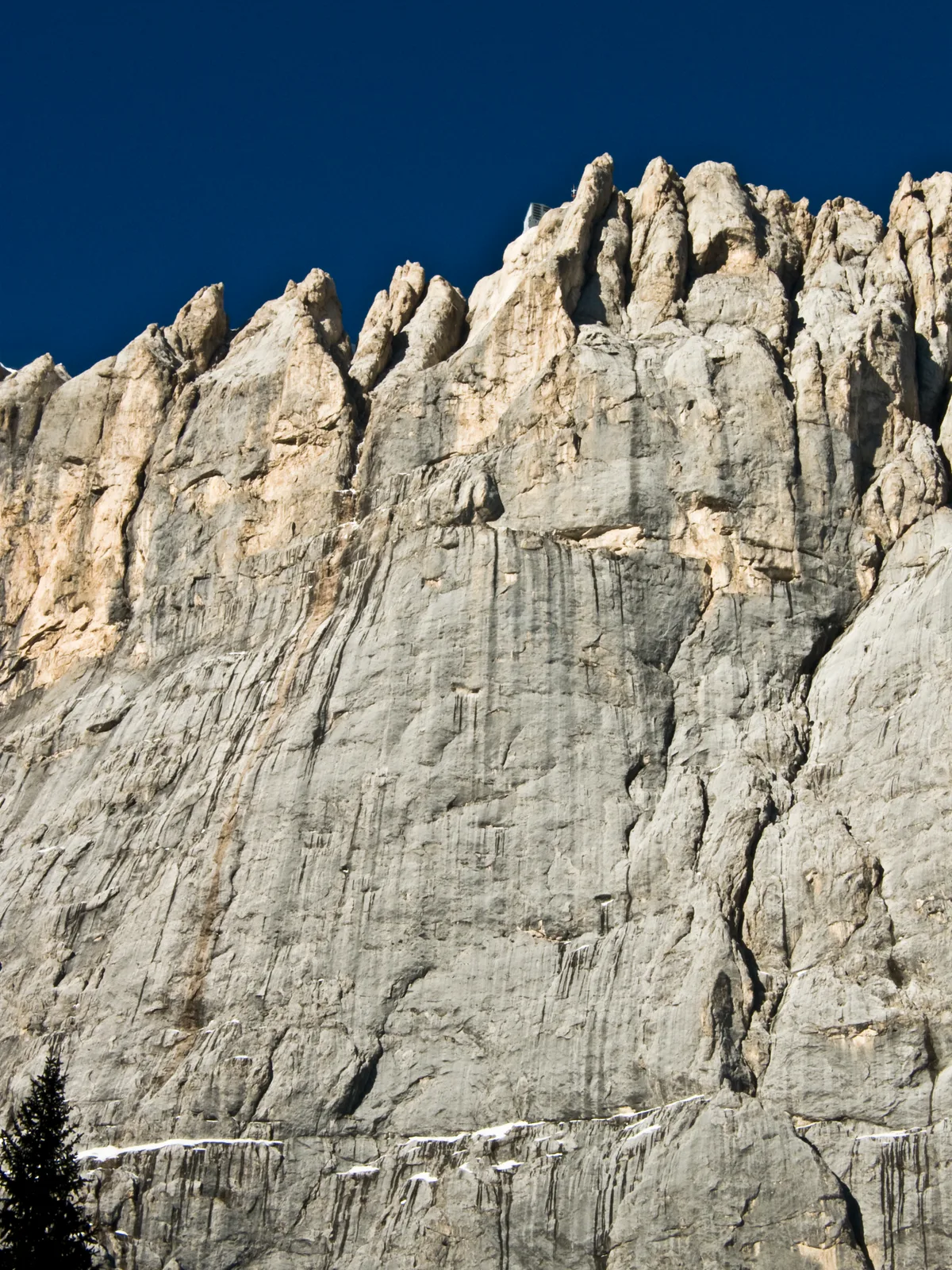
1901 Tomasson & Bettega Marmolada South Face First Ascent
On July 1, 1901, British female mountaineer Beatrice Tomasson with guides Michele Bettega and Bortolo Zagonel conquered the formidable 800-metre Silver Wall (South Face) of Marmolada, the Queen of the Dolomites.
Associated Chronicles & Stories (1)
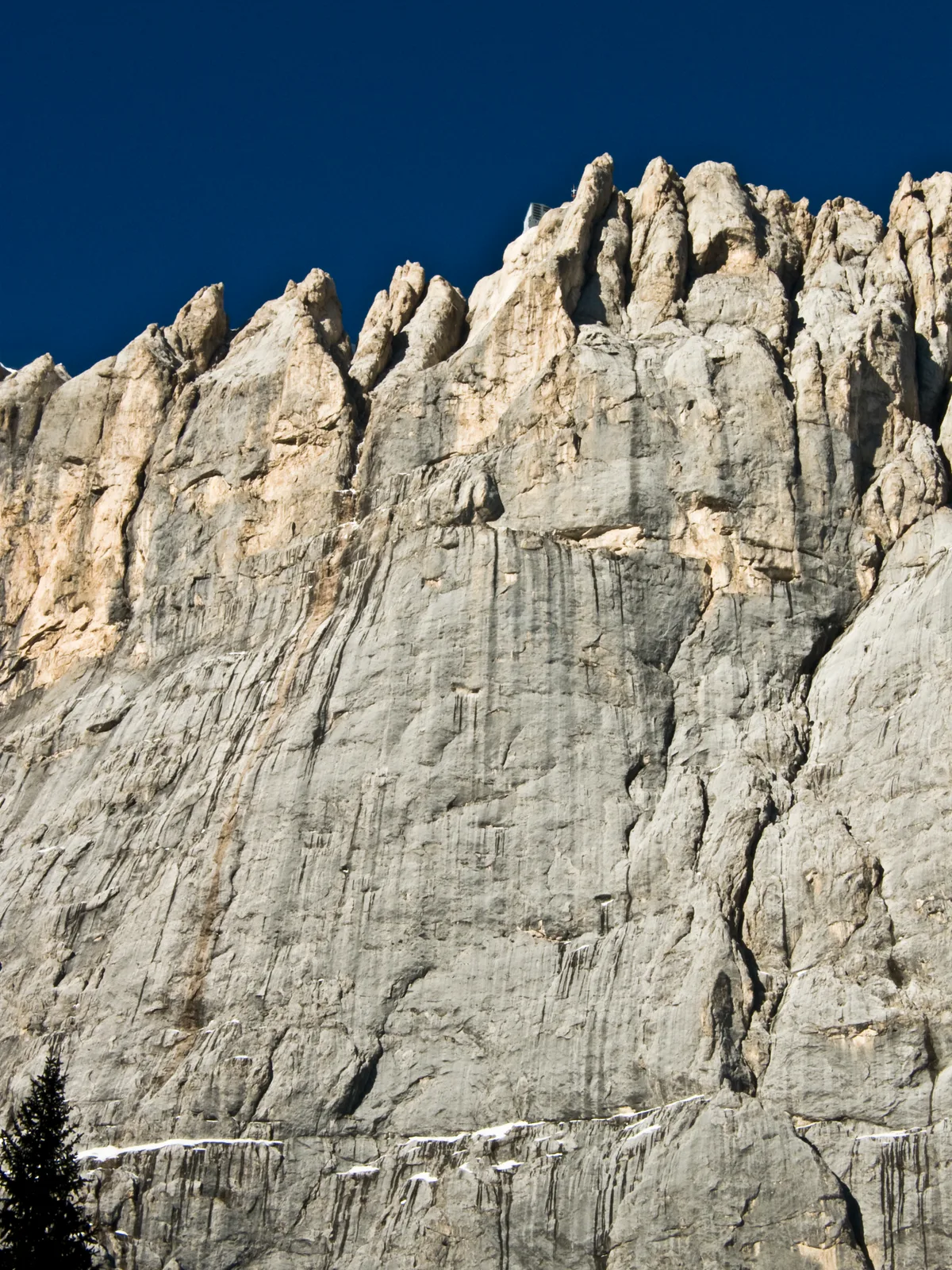
The Silver Wall Conquered: Beatrice Tomasson's 1901 Marmolada South Face Epic
On July 1, 1901, British climber Beatrice Tomasson and guides Michele Bettega and Bortolo Zagonel climbed the 800-metre South Face of Marmolada, establishing one of the greatest pre-WWI big wall ascents in Europe.
Documented Sources & Archival Citations
- Mezzo secolo d'alpinismo(Tita Piaz / Melograno, Milan)
Supporting claim: Primary first-person memoirs of Piaz's climbing exploits, ethics, and Dolomite first ascents
Accessed/Documented: 2026 - Il diavolo delle Dolomiti: Tita Piaz(Luciano Reis / Priuli & Verlucca)
Supporting claim: Comprehensive biographical chronicle of Piaz's mountaineering achievements and political activism
Accessed/Documented: 2026