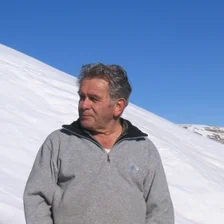
Peter Diener
Peter Diener was an acclaimed German-Swiss mountaineer who achieved the historic maiden first ascent of Dhaulagiri I (8,167m) on May 13, 1960. Climbing as a lead member of the Swiss Dhaulagiri Expedition, Diener reached the summit without bottled oxygen, claiming the first ascent of the 'White Mountain' of Nepal.
Mountain Safety & Conditions Disclaimer: High-altitude climbing, glacial travel, and technical ascents entail severe objective risks including avalanches, serac collapses, rapid weather collapse, and altitude illness. Historical route descriptions and summit claims on Mountanity reflect documented archival sources and must not be used as live operational safety assessments. Local regulations, permits, and physical glacial topography change continuously.
Peer Review: Senior Editorial Board & Historical Reviewers • Editorial Standards
Biographical Record & Archival Chronicle
Peter Diener was born on January 29, 1934, in Zittau, Saxony (Germany). Developing an early passion for rock climbing in the sandstone towers of the Zittau Mountains and the Elbe Sandstone, Diener escaped East Germany in 1952, seeking alpine freedom in Switzerland. Settling in the Bernese Oberland and later in Winterthur, he quickly joined the vanguard of extreme European alpinists, mastering the Grandes Jorasses Walker Spur, the Petit Dru Bonatti Pillar, and severe routes on the Eiger.
In 1960, Swiss expedition organizer Max Eiselin recruited Diener for the international Swiss-Austrian expedition to Dhaulagiri I (8,167m)—the formidable peak that had repulsed seven prior expeditions from France, Switzerland, Argentina, and Austria. The 1960 expedition made aviation history by using a prototype ski-equipped Pilatus PC-6 Porter airplane named 'Yeti' to airlift supplies to the Northeast Col at 5,700 meters before the plane crashed during takeoff (with no fatalities).
Moving up the rugged Northeast Ridge, Diener, alongside Ernst Forrer, Albin Schelbert, Kurt Diemberger, and Sherpas Nawang Dorje and Nyima Dorje, established the high assault camp at 7,800 meters. On May 13, 1960, battling extreme sub-zero winds and without supplemental oxygen, Diener reached the 8,167-meter summit of Dhaulagiri I, completing the first ascent of the world's seventh-highest peak.
Following his Himalayan triumph, Diener worked for decades in the Swiss mountain sports industry, designing advanced mountaineering equipment and safety harnesses. He remained an active climber and lecturer well into his eighties before passing away on October 19, 2021, at age 87 in Switzerland.
Notable Milestones & Ascents
- Historic maiden first ascent of Dhaulagiri I (8,167m) on May 13, 1960, without supplemental oxygen
- Pioneered the Northeast Ridge normal route on Dhaulagiri I from the Mayangdi Glacier
- Ascents of the Walker Spur on the Grandes Jorasses and the Bonatti Pillar on the Petit Dru
- Key innovator in modern technical climbing harnesses and mountain safety equipment
Key Statistics & Topographic Figures
- Dhaulagiri First Ascent
- May 13, 1960 (8,167m)
Oxygen-Free Summit
- Grandes Jorasses Walker Spur
- 1957
Alpine Master
- Petit Dru Bonatti Pillar
- 1958
Extreme Rock Climber
- Life Span
- 1934–2021
Swiss Alpine Pioneer
Archival Primary Source Quotations
“To stand on Dhaulagiri was to realize that freedom and climbing are one and the same.”
Defined Alpine Terminology & Concepts
- Northeast Ridge
- The aesthetic and demanding normal route on Dhaulagiri I first climbed by Diener and companions in 1960.
Frequently Asked Questions: Peter Diener
Who was Peter Diener?
Peter Diener was an acclaimed German-Swiss mountaineer who achieved the maiden first ascent of Dhaulagiri I (8,167m) on May 13, 1960, climbing without supplemental oxygen via the Northeast Ridge.
How did Peter Diener start his climbing career in Switzerland?
Escaping East Germany in 1952, Diener settled in Switzerland where he climbed the Walker Spur on the Grandes Jorasses and the Bonatti Pillar on the Petit Dru before being selected for Dhaulagiri.
Associated Summits (1)
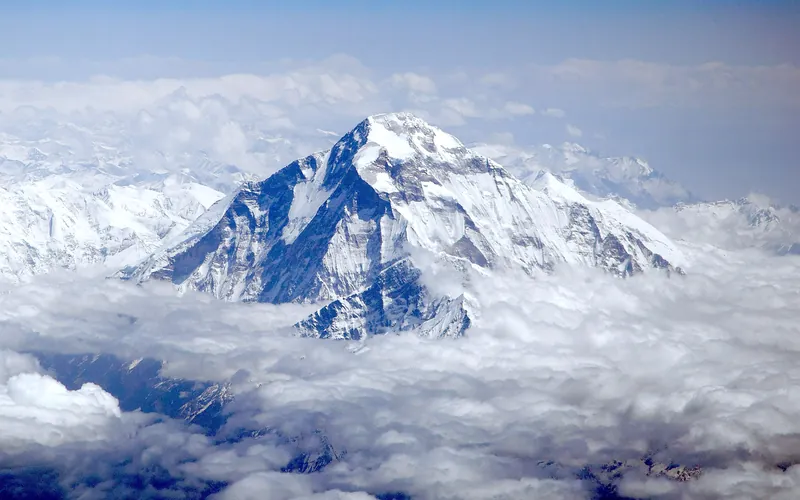

Dhaulagiri I
Dhaulagiri I, at 8,167 meters (26,795 ft), is the seventh-highest mountain on Earth and the highest peak situated entirely within Nepal. Rising steeply above the Kali Gandaki Gorge—the deepest gorge on Earth—opposite Annapurna, Dhaulagiri forms a staggering 7,000-meter vertical rise from the river valley.
Pioneered & Associated Routes (1)
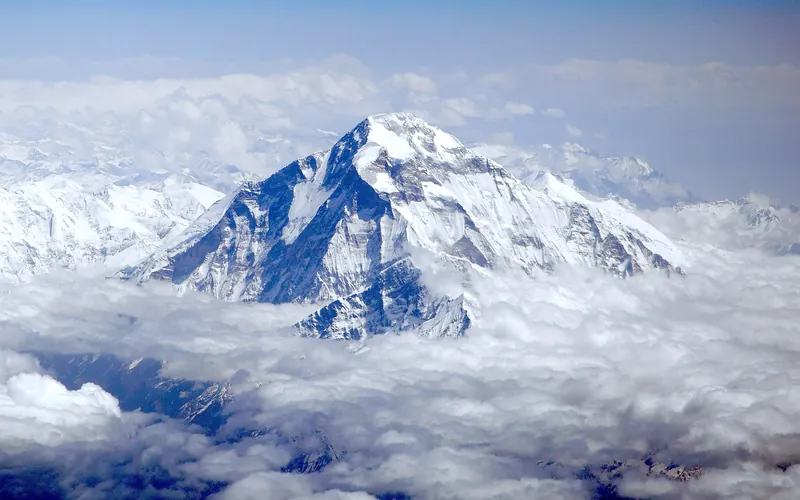
Dhaulagiri I Northeast Ridge (Normal Route)
The Northeast Ridge is the standard climbing route on Dhaulagiri I, first ascended in 1960 by a Swiss-Austrian team. The route begins on the glaciated Mayangdi Khola valley, climbs to the Northeast Col (5,700m), and works its way up the mountain's north-northeast face. The upper section traverses steep, wind-scoured blue ice shelves below the summit rocks and negotiates a final, exposed couloir leading directly to the 8,167m summit.
Documented Expeditions (1)
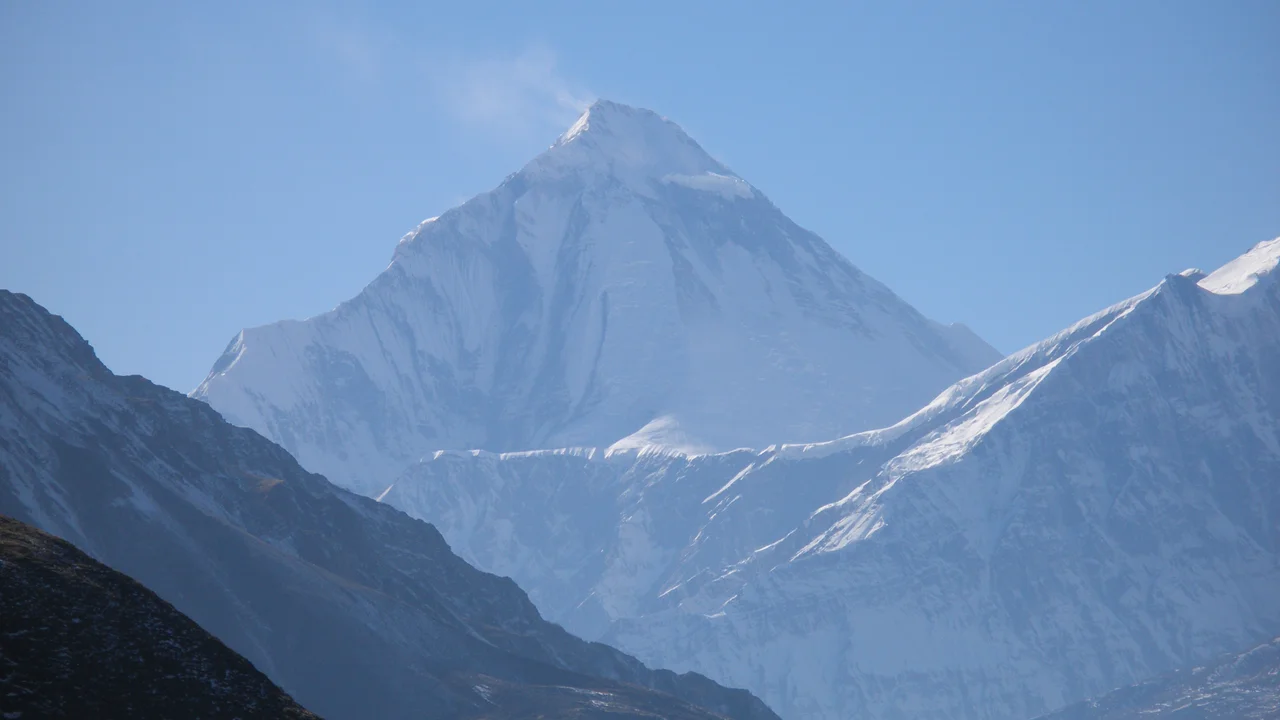
1960 Swiss Dhaulagiri Expedition
The landmark Swiss-Austrian expedition led by Max Eiselin that achieved the maiden first ascent of Dhaulagiri I (8,167m) via the Northeast Ridge without bottled oxygen on May 13, 1960.
Associated Chronicles & Stories (1)
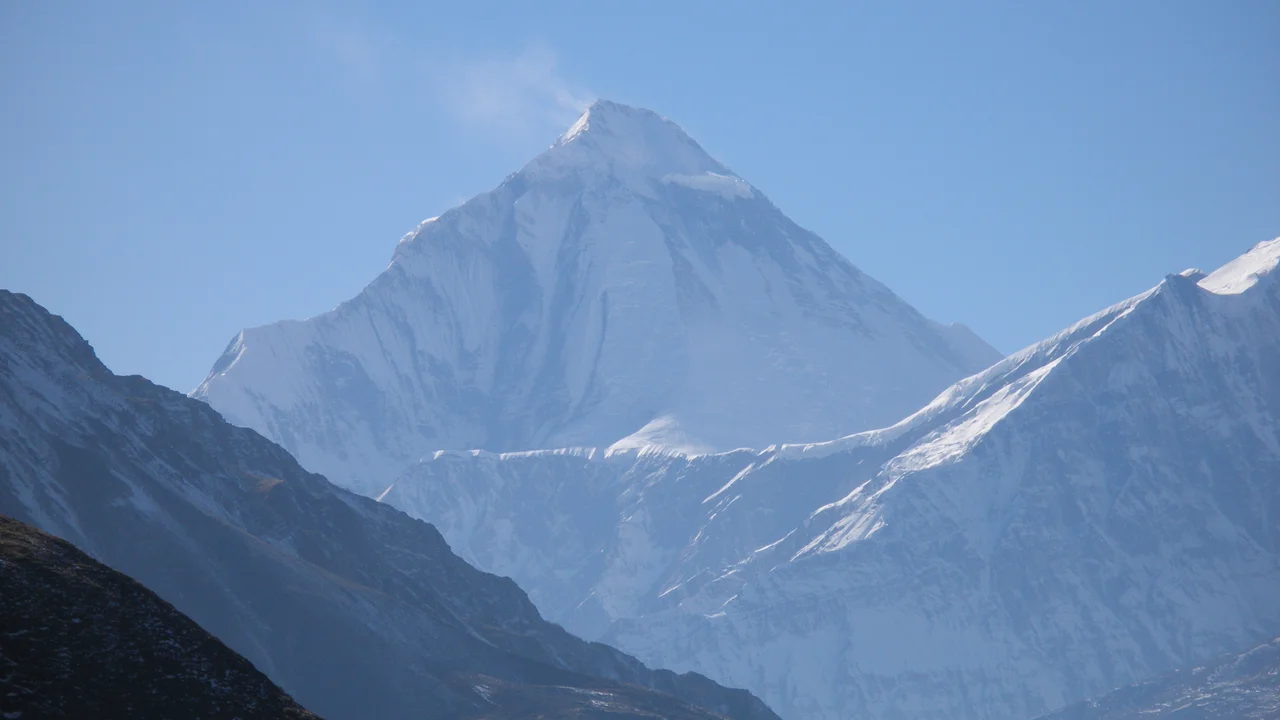
Dhaulagiri 1960: The Swiss-Austrian Conquest of the White Mountain
On May 13, 1960, Kurt Diemberger, Peter Diener, Ernst Forrer, Albin Schelbert, and Sherpas Nyima Dorje and Nawang Dorje conquered Dhaulagiri I (8,167m) via the Northeast Ridge without bottled oxygen, following the crash of their legendary glacier airplane 'Yeti'.
Documented Sources & Archival Citations
- Erfolg am Dhaulagiri(Max Eiselin / Orell Füssli Verlag)
Supporting claim: Official Swiss expedition report detailing Diener's role and the summit push
Accessed/Documented: 1960 - The Himalayan Database: Dhaulagiri 1960 Records(Elizabeth Hawley Archive)
Supporting claim: Official verification of summit timestamps and oxygen-free ascent
Accessed/Documented: 2026 - Die Alpen: Peter Diener zum Gedenken(Schweizer Alpen-Club (SAC))
Supporting claim: Obituary and historical tribute by the Swiss Alpine Club
Accessed/Documented: 2022