1909 Duke of the Abruzzi Karakoram Expedition
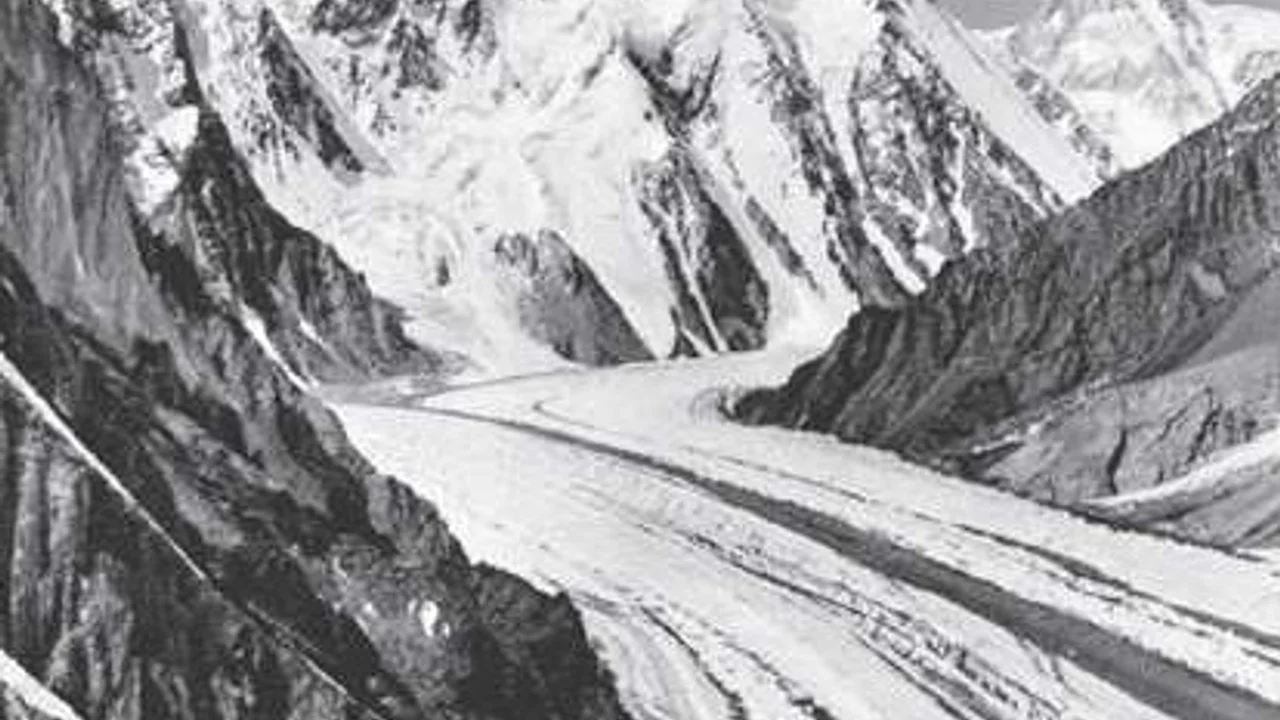
The monumental 1909 Italian expedition led by Prince Luigi Amedeo, Duke of the Abruzzi, accompanied by master photographer Vittorio Sella, that surveyed K2, discovered and pioneered the Abruzzi Spur, and established a world altitude record of 7,498 meters on Chogolisa.
Mountain Safety & Conditions Disclaimer: High-altitude climbing, glacial travel, and technical ascents entail severe objective risks including avalanches, serac collapses, rapid weather collapse, and altitude illness. Historical route descriptions and summit claims on Mountanity reflect documented archival sources and must not be used as live operational safety assessments. Local regulations, permits, and physical glacial topography change continuously.
Peer Review: Senior Editorial Board & Historical Reviewers • Editorial Standards
Official Expedition Narrative & Archival Record
In May 1909, Prince Luigi Amedeo of Savoy, Duke of the Abruzzi, led a masterfully organized expedition into the uncharted heart of the Central Karakoram. Accompanied by topographer Filippo De Filippi, the peerless mountain photographer Vittorio Sella, and four elite alpine guides from Courmayeur led by Joseph Petigax, the Duke sought to explore the approaches to K2 (8,611m) and test human physiological endurance at extreme elevations. Marching over 200 kilometers through Baltistan and up the immense 62-kilometer Baltoro Glacier with 260 local porters, the expedition established base camp at the foot of K2 in late May. Over several weeks of meticulous reconnaissance, the Duke inspected K2's west, northeast, and southeast flanks, determining that the sheer 3,200-meter southeast rock pillar represented the sole viable path to the summit. Climbing in fierce weather, the Duke and his guides established advanced camps on the lower crest, pushing to an elevation of approximately 6,250 meters. Although forced down by impassable knife-edge rock towers, lack of technical siege ropes, and altitude sickness among their porters, the Duke permanently christened the line the 'Abruzzi Spur'—the route by which K2 was finally conquered in 1954 and which remains the standard highway today. Turning his attention to neighboring Chogolisa (Bride Peak, 7,665m), the Duke made an astonishing assault on its Southeast Ridge. Fighting dense clouds, driving sleet, and bitter cold, the Duke, Petigax, and the Brocherel brothers climbed to a knife-edge snow cornice at 7,498 meters (24,600 ft)—only 167 meters beneath Chogolisa's summit—before blinding whiteout forced a halt. Their high point stood as the world mountaineering altitude record for thirteen years until the 1922 British Everest expedition. Vittorio Sella's magnificent 30x40 cm glass-plate photographs of K2, Concordia, and the Baltoro provided the world with its first authentic visual survey of the highest mountains in the Karakoram.
Documented Team Composition
- Prince Luigi Amedeo, Duke of the Abruzzi (Expedition Leader)
- Vittorio Sella (Expedition Photographer)
- Dr. Filippo De Filippi (Physician & Scientific Chronicler)
- Joseph Petigax (Chief Courmayeur Guide)
- Alexis Brocherel (Courmayeur Mountain Guide)
- Enrico Brocherel (Courmayeur Mountain Guide)
- Emilio Botta (Photographic Assistant & Guide)
Key Statistics & Topographic Figures
- Expedition Year
- 1909 (May–August)
Royal Karakoram Expedition
- World Altitude Record
- 7,498 meters (24,600 ft)
Chogolisa Ridge
- High Point on K2
- ~6,250 meters (20,500 ft)
Abruzzi Spur
- Photographic Archive
- 30x40 cm Glass Plates
Vittorio Sella
Archival Primary Source Quotations
“The incredible grandeur of Sella’s photographs of the Karakoram inspires a quality of religious awe.”
Defined Alpine Terminology & Concepts
- Abruzzi Spur
- The formidable southeast ridge of K2, discovered and named by the Duke of the Abruzzi in 1909, which remains the standard normal route for over 85% of summit attempts.
- Concordia
- The monumental glacial amphitheater where the Baltoro, Godwin-Austen, and Upper Baltoro glaciers intersect beneath K2, Broad Peak, and Gasherbrum IV.
Frequently Asked Questions: 1909 Duke of the Abruzzi Karakoram Expedition
Who discovered and named the Abruzzi Spur on K2?
Prince Luigi Amedeo of Savoy, Duke of the Abruzzi, discovered and named the Abruzzi Spur (Southeast Ridge) during his landmark 1909 Karakoram expedition, identifying it as the sole viable route up K2.
What was the Duke of the Abruzzi’s 1909 Karakoram expedition?
The 1909 expedition was an Italian royal expedition to K2 and the Central Karakoram led by the Duke of the Abruzzi, featuring master photographer Vittorio Sella, topographer Filippo De Filippi, and Courmayeur guides led by Joseph Petigax.
What world altitude record was set during the 1909 Abruzzi expedition?
On July 18, 1909, the Duke of the Abruzzi and his Courmayeur guides reached 7,498 meters (24,600 ft) on Chogolisa (Bride Peak) without supplemental oxygen, setting an altitude world record that stood for 13 years.
Who was the photographer on the 1909 K2 expedition?
Vittorio Sella, universally recognized as the greatest high-altitude mountain photographer in history, captured monumental 30x40 cm glass-plate negatives documenting K2, Broad Peak, and the Baltoro Glacier.
How high did the Duke of the Abruzzi climb on K2 in 1909?
The Duke and his guides climbed the lower sections of the Abruzzi Spur to an elevation of approximately 6,250 meters (20,500 ft) before being halted by steep rock towers and porters’ exhaustion.
What equipment did Vittorio Sella use to photograph K2 in 1909?
Sella hauled massive custom wooden view cameras, darkroom tents, and hundreds of heavy, fragile 30x40 cm collodion glass plates across the Baltoro Glacier, developing them in sub-zero alpine conditions.
Why did the Duke of the Abruzzi choose the Southeast Ridge of K2?
After surveying K2 from all sides, the Duke realized that the North, West, and East faces were suicidal due to ice avalanches and sheer rock overhangs, whereas the Southeast Ridge offered a sheltered structural spine to the shoulder.
Which mountain did the Duke climb after turning back on K2?
After reaching 6,250m on K2, the Duke turned his attention to Chogolisa (Bride Peak, 7,665m), pushing to 7,498m—just 167 meters below the summit—before blinding whiteout forced a halt.
Ascent Route & Topography
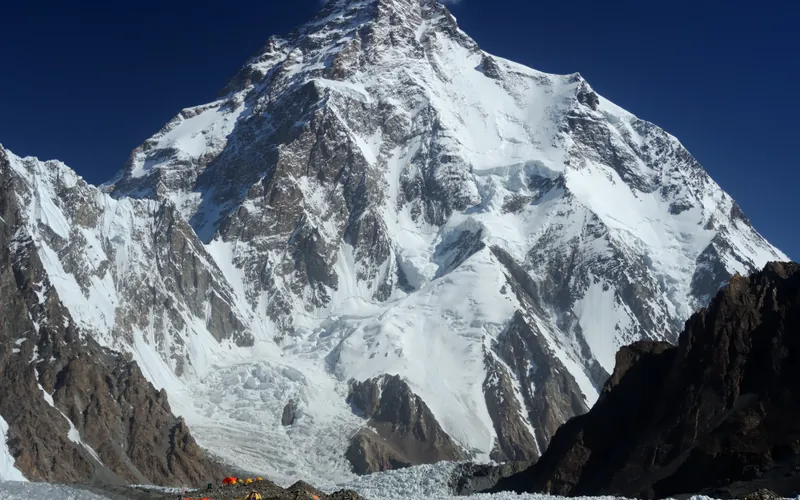
Abruzzi Spur (Southeast Ridge)
The Abruzzi Spur is the most famous and frequently climbed route on K2, tracing the mountain's steep southeast ridge from the Godwin-Austen Glacier to the summit. First explored in 1909 by Prince Luigi Amedeo, Duke of the Abruzzi, it was successfully climbed to the summit in 1954 by an Italian team. The route requires extreme physical endurance and high-grade technical climbing on rock, ice, and mixed terrain through legendary cruxes like House's Chimney, the Black Pyramid, and the Bottleneck couloir.
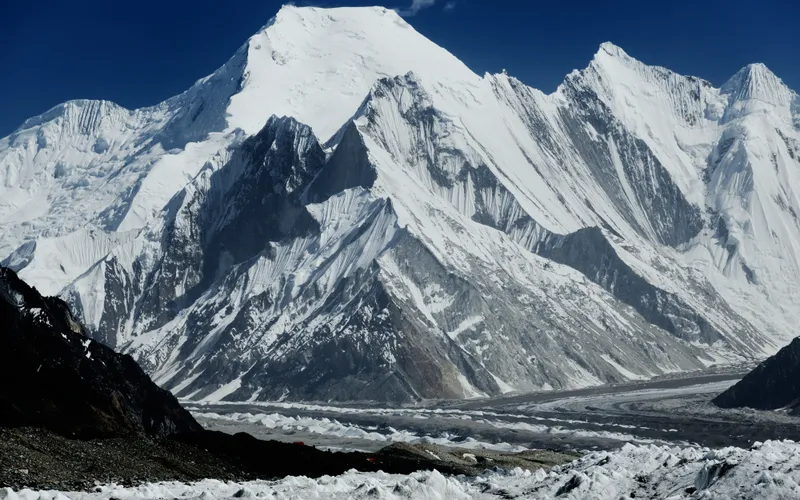
Southeast Ridge (Standard Route)
The Southeast Ridge of Chogolisa (7,665m) ascends from the upper Chogolisa Glacier, scaling steep ice couloirs to gain the elegant, wind-sculpted snow arête leading toward the summit. First explored in 1909 by the Duke of the Abruzzi to 7,498 meters, attempted in alpine style in 1957 by Hermann Buhl and Kurt Diemberger, and first summited on August 4, 1958, by Fred Pressl and Adolf Bräunlich.
Target Objective Peaks
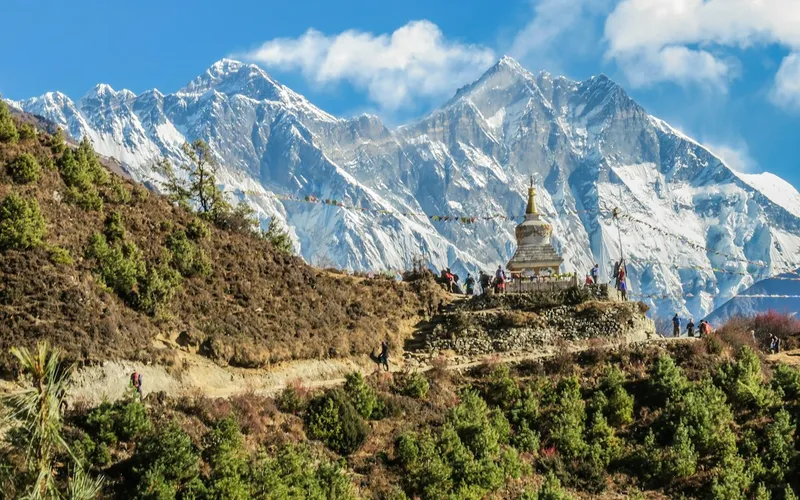


K2
K2, at 8,611 meters (28,251 ft), is the second-highest mountain on Earth and widely regarded as the most technically demanding and lethal 8,000-meter peak. Located in the heart of the Karakoram on the border between Pakistan and China, K2 is characterized by sheer relief, severe weather anomalies, and persistent objective hazards including the notorious Bottleneck couloir.
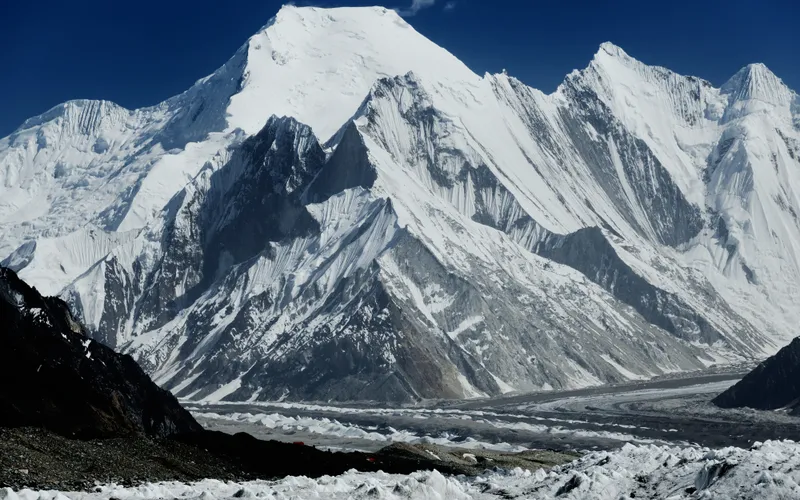
Chogolisa
Chogolisa, standing at 7,665 meters (25,148 ft) in the Karakoram range of Pakistan, is renowned as Bride Peak for its broad, graceful snow-draped profile. Located south of Concordia and the Baltoro Glacier, it features two prominent summits connected by a sweeping knife-edge snow ridge. In 1909, the Duke of the Abruzzi set a world altitude record on its slopes, and in 1957, it became the site of alpine pioneer Hermann Buhl's fatal cornice fall.
Featured Expedition Climbers
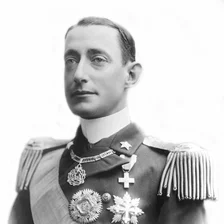
Prince Luigi Amedeo, Duke of the Abruzzi
Prince Luigi Amedeo Giuseppe Maria Ferdinando Francesco di Savoia, Duke of the Abruzzi, was born on January 29, 1873, in Madrid, Spain, son of King Amadeo I of Spain and a scion of the Italian Royal House of Savoy. An admiral in the Italian Royal Navy, the Duke dedicated his immense intellect, discipline, and personal fortune to geographic and polar exploration. In 1897, the Duke led an expedition to Alaska, achieving the historic first ascent of Mount Saint Elias (5,489m) across eighty miles of uncharted ice. In 1899–1900, he mounted an expedition to the Arctic Ocean, setting a new 'Farthest North' world record at latitude 86°34′ N. In 1906, he turned to equatorial Africa, achieving the first ascents of all major glaciated summits of the Rwenzori range (the 'Mountains of the Moon'), including Mount Stanley (Margherita Peak, 5,109m). In 1909, the Duke organized the definitive pioneering expedition to K2 (8,611m) in the Karakoram, accompanied by brilliant mountain photographer Vittorio Sella, topographer Filippo De Filippi, and Courmayeur guides led by Joseph Petigax. Approaching up the Baltoro Glacier, the Duke surveyed K2 from all flanks and identified the southeast ridge as the mountain's only viable climbing route—christening it the 'Abruzzi Spur'. The team climbed the lower ridge to approximately 6,250 meters before being stopped by severe technical terrain and porters' exhaustion. Turning to neighboring Chogolisa (7,665m), the Duke pushed up the Southeast Ridge to 7,498 meters in dense fog, establishing a human altitude world record that remained unbroken until the 1922 British Everest expedition. The Duke's 1909 expedition produced the first accurate topographical maps and panoramic photographic surveys of the Central Karakoram, laying the foundational blueprint for every subsequent expedition on K2. He passed away on March 18, 1933, in Italian Somaliland, revered as one of the greatest expedition commanders in world history.
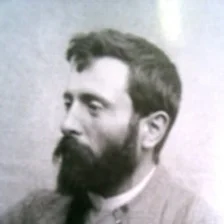
Vittorio Sella
Vittorio Sella was born on August 28, 1859, in Biella, Piedmont, Italy. The nephew of Quintino Sella (founder of the Italian Alpine Club), Vittorio inherited a profound passion for both alpinism and the emerging science of photography. In the 1880s, Sella established himself as an elite alpinist, achieving the first winter ascent of the Matterhorn (1882), the first winter ascent of Monte Rosa (1884), and the first winter traverse of Mont Blanc (1888). Dissatisfied with standard photographic methods, Sella developed customized large-format wooden cameras capable of exposing enormous 30x40 cm collodion wet-plate and dry-plate glass negatives above 5,000 meters. Carrying hundreds of pounds of fragile glass plates, darkroom tents, and chemical baths up untracked glaciers with specialized porters, Sella traveled to the Central Caucasus in 1889, 1890, and 1896, and accompanied Douglas Freshfield on the famous circuit of Kangchenjunga in 1899. Between 1897 and 1909, Sella served as official expedition photographer for Prince Luigi Amedeo, Duke of the Abruzzi, capturing legendary panoramas of Mount Saint Elias in Alaska, the cloud-shrouded peaks of the African Rwenzori, and the Karakoram giants in 1909. Standing at Concordia and upon the slopes of K2, Broad Peak, and Chogolisa, Sella produced breathtaking, razor-sharp black-and-white plates of K2, Muztagh Tower, and the Baltoro Glacier that remain unequaled in aesthetic perfection and scientific clarity. Renowned American photographer Ansel Adams famously remarked that Sella’s mountain imagery possessed 'a quality of religious awe.' Sella’s photographic archive laid the indispensable topographical foundation for every major 20th-century expedition to K2 and the Karakoram. He passed away on August 12, 1943, in Biella at age 83, his vast collection of glass plates preserved in the Fondazione Sella as one of the world's greatest cultural treasures.
Associated Historical Chronicles & Stories
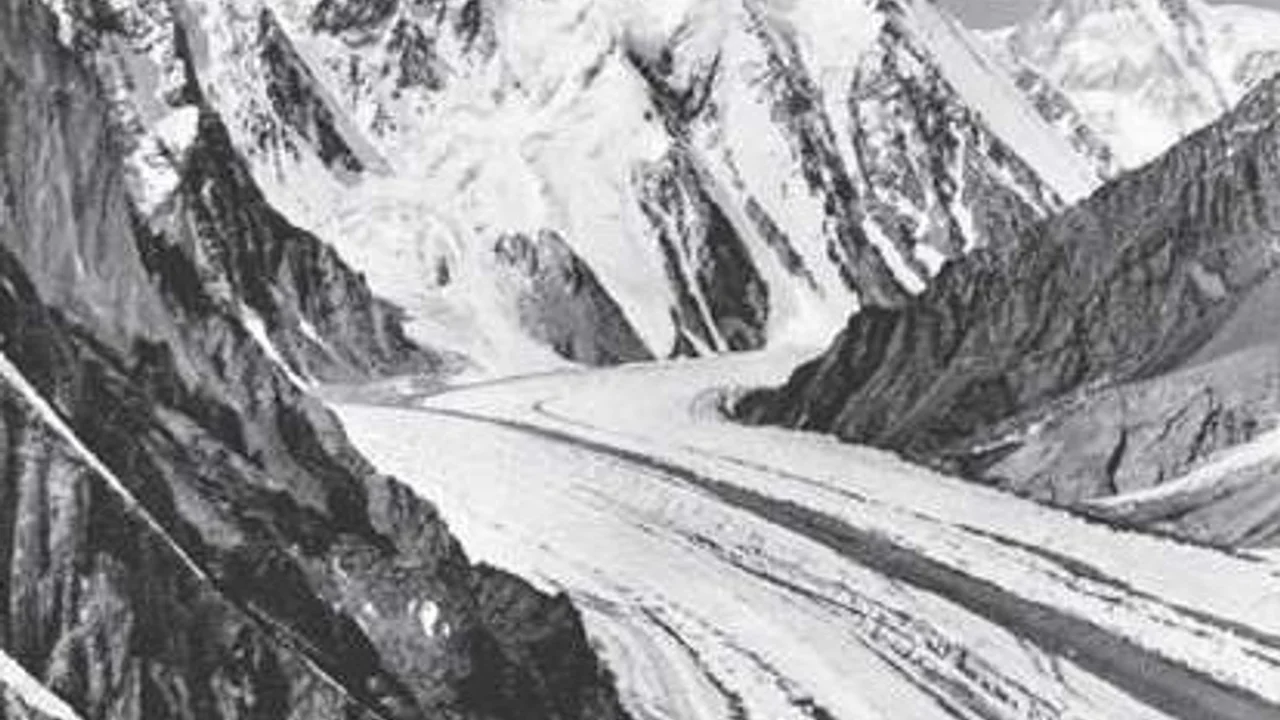
K2 1909: The Duke of the Abruzzi, Vittorio Sella, and the Genesis of the Abruzzi Spur
In 1909, Prince Luigi Amedeo, Duke of the Abruzzi, and master photographer Vittorio Sella mounted a monumental expedition into the Karakoram, unlocking the secrets of K2, naming the Abruzzi Spur, and setting a world altitude record of 7,498m on Chogolisa.
Documented Sources & Archival Citations
- Karakoram and Western Himalaya 1909: An Account of the Expedition of H.R.H. Prince Luigi Amedeo of Savoy(Filippo De Filippi and Vittorio Sella / Edward Arnold)
Supporting claim: Official expedition narrative, cartographic surveys, and meteorological logs of the K2 and Chogolisa ascents
Accessed/Documented: 1912 - The Alpine Journal: The Karakoram Expedition of the Duke of the Abruzzi(The Alpine Club UK)
Supporting claim: Contemporary assessment of the 7,498m world altitude record on Chogolisa and discovery of the Abruzzi Spur
Accessed/Documented: 1910