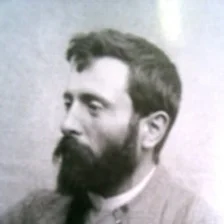
Vittorio Sella
Vittorio Sella was a peerless Italian mountaineer and pioneer of high-altitude photography, universally revered as the greatest mountain photographer in human history. Hauling massive glass-plate cameras across the Alps, Caucasus, Rwenzori, and Karakoram, Sella's iconic 1909 photographs of K2 revealed the great giants of Asia to the world.
Mountain Safety & Conditions Disclaimer: High-altitude climbing, glacial travel, and technical ascents entail severe objective risks including avalanches, serac collapses, rapid weather collapse, and altitude illness. Historical route descriptions and summit claims on Mountanity reflect documented archival sources and must not be used as live operational safety assessments. Local regulations, permits, and physical glacial topography change continuously.
Peer Review: Senior Editorial Board & Historical Reviewers • Editorial Standards
Biographical Record & Archival Chronicle
Vittorio Sella was born on August 28, 1859, in Biella, Piedmont, Italy. The nephew of Quintino Sella (founder of the Italian Alpine Club), Vittorio inherited a profound passion for both alpinism and the emerging science of photography. In the 1880s, Sella established himself as an elite alpinist, achieving the first winter ascent of the Matterhorn (1882), the first winter ascent of Monte Rosa (1884), and the first winter traverse of Mont Blanc (1888).
Dissatisfied with standard photographic methods, Sella developed customized large-format wooden cameras capable of exposing enormous 30x40 cm collodion wet-plate and dry-plate glass negatives above 5,000 meters. Carrying hundreds of pounds of fragile glass plates, darkroom tents, and chemical baths up untracked glaciers with specialized porters, Sella traveled to the Central Caucasus in 1889, 1890, and 1896, and accompanied Douglas Freshfield on the famous circuit of Kangchenjunga in 1899.
Between 1897 and 1909, Sella served as official expedition photographer for Prince Luigi Amedeo, Duke of the Abruzzi, capturing legendary panoramas of Mount Saint Elias in Alaska, the cloud-shrouded peaks of the African Rwenzori, and the Karakoram giants in 1909. Standing at Concordia and upon the slopes of K2, Broad Peak, and Chogolisa, Sella produced breathtaking, razor-sharp black-and-white plates of K2, Muztagh Tower, and the Baltoro Glacier that remain unequaled in aesthetic perfection and scientific clarity.
Renowned American photographer Ansel Adams famously remarked that Sella’s mountain imagery possessed 'a quality of religious awe.' Sella’s photographic archive laid the indispensable topographical foundation for every major 20th-century expedition to K2 and the Karakoram. He passed away on August 12, 1943, in Biella at age 83, his vast collection of glass plates preserved in the Fondazione Sella as one of the world's greatest cultural treasures.
Notable Milestones & Ascents
- Captured the historic 1909 glass-plate photographic surveys of K2, Muztagh Tower, and the Baltoro Glacier
- First winter ascent of the Matterhorn (March 1882) via the Italian Lion Ridge
- First winter ascent of Monte Rosa (January 1884) and first winter traverse of Mont Blanc (January 1888)
- Documented the maiden exploration of Mount Saint Elias (1897) and the Rwenzori Mountains (1906)
- Pioneered large-format 30x40 cm glass-plate photography under extreme sub-zero conditions up to 6,000 meters
Key Statistics & Topographic Figures
- Lifespan
- 1859–1943
Biella, Italy
- Camera Format
- 30x40 cm Glass Plates
Collodion & Dry Plate
- Alpine Winter Firsts
- Matterhorn (1882) & Monte Rosa (1884)
Extreme Winter Alpinism
- Major Ranges Documented
- Alps, Caucasus, Alaska, Rwenzori, Karakoram
Photographic Archive
Archival Primary Source Quotations
“The incredible grandeur of Sella’s photographs of the Karakoram inspires a quality of religious awe.”
Defined Alpine Terminology & Concepts
- Glass-Plate Photography
- An early photographic technique where light-sensitive emulsion was coated directly onto heavy glass plates, producing exceptionally detailed negatives.
- Fondazione Sella
- The cultural foundation in Biella, Italy, that houses and curates Vittorio Sella’s priceless photographic archives, glass plates, and alpine expedition logs.
Frequently Asked Questions: Vittorio Sella
Who was Vittorio Sella?
Vittorio Sella (1859–1943) was an Italian alpinist and high-altitude photography pioneer, universally regarded as the greatest mountain photographer in history, famous for his 1909 glass-plate documentation of K2 and the Karakoram.
Why are Vittorio Sella’s photographs of the Karakoram legendary?
Sella hauled massive 30x40 cm glass-plate view cameras across the Baltoro Glacier, exposing razor-sharp images of K2, Muztagh Tower, and Concordia that provided the first visual cartography of the Central Karakoram.
What photographic equipment did Vittorio Sella use at high altitude?
Sella used custom-built large-format wooden cameras taking 30x40 cm glass negatives, carrying darkroom tents and chemical solutions above 5,000 meters to coat and develop plates in freezing conditions.
What major winter first ascents did Vittorio Sella achieve in the Alps?
In the 1880s, Sella made the first winter ascent of the Matterhorn (1882), the first winter ascent of Monte Rosa (1884), and the first winter traverse of Mont Blanc (1888).
Which expeditions did Vittorio Sella accompany the Duke of the Abruzzi on?
Sella served as official expedition photographer on the Duke’s expeditions to Mount Saint Elias in Alaska (1897), the Rwenzori Mountains in Africa (1906), and K2 in the Karakoram (1909).
What did Ansel Adams say about Vittorio Sella’s photography?
Famous American landscape photographer Ansel Adams said: "The incredible grandeur of Sella’s photographs of the Karakoram inspires a quality of religious awe. They are documents of supreme historic and aesthetic importance."
What is the Fondazione Sella?
The Fondazione Sella, based in Biella, Italy, is the official historical institute and archive that preserves Vittorio Sella’s collection of over one million photographic glass plates, negatives, and diaries.
When did Vittorio Sella live?
Vittorio Sella was born in Biella, Piedmont, Italy, in 1859 and passed away there in 1943 at the age of 83.
Associated Summits (3)
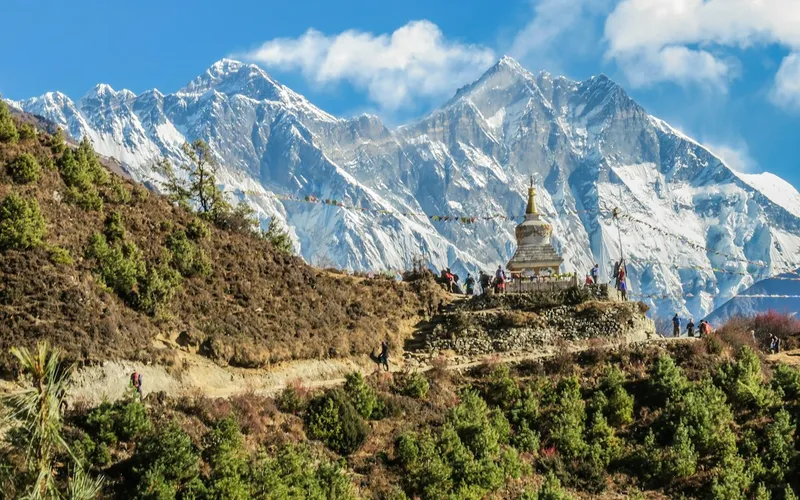


K2
K2, at 8,611 meters (28,251 ft), is the second-highest mountain on Earth and widely regarded as the most technically demanding and lethal 8,000-meter peak. Located in the heart of the Karakoram on the border between Pakistan and China, K2 is characterized by sheer relief, severe weather anomalies, and persistent objective hazards including the notorious Bottleneck couloir.
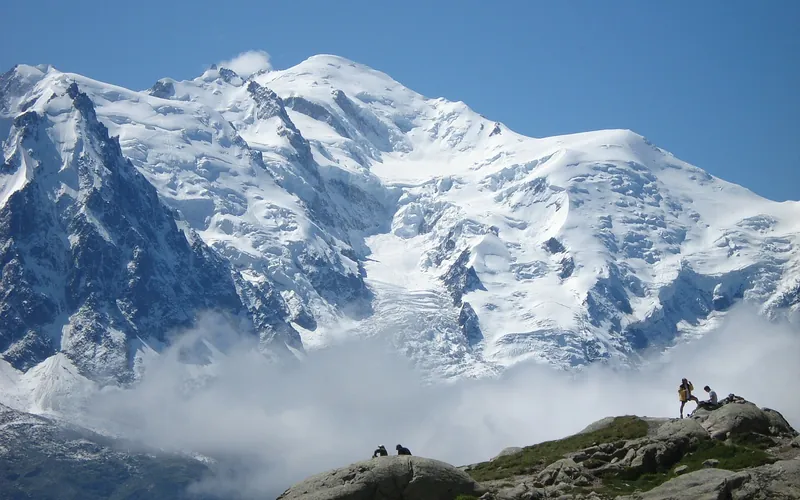


Mont Blanc
Mont Blanc (Monte Bianco), at 4,808 meters (15,774 ft), is the highest mountain in the Alps and Western Europe. Rising on the Franco-Italian watershed, this iconic glacier-draped granite massif is revered as the historic cradle of modern mountaineering following its celebrated first ascent in 1786. Featuring towering seracs, complex crevasse systems, and classic ridges like the Goûter and Bosses, it attracts climbers from around the globe.
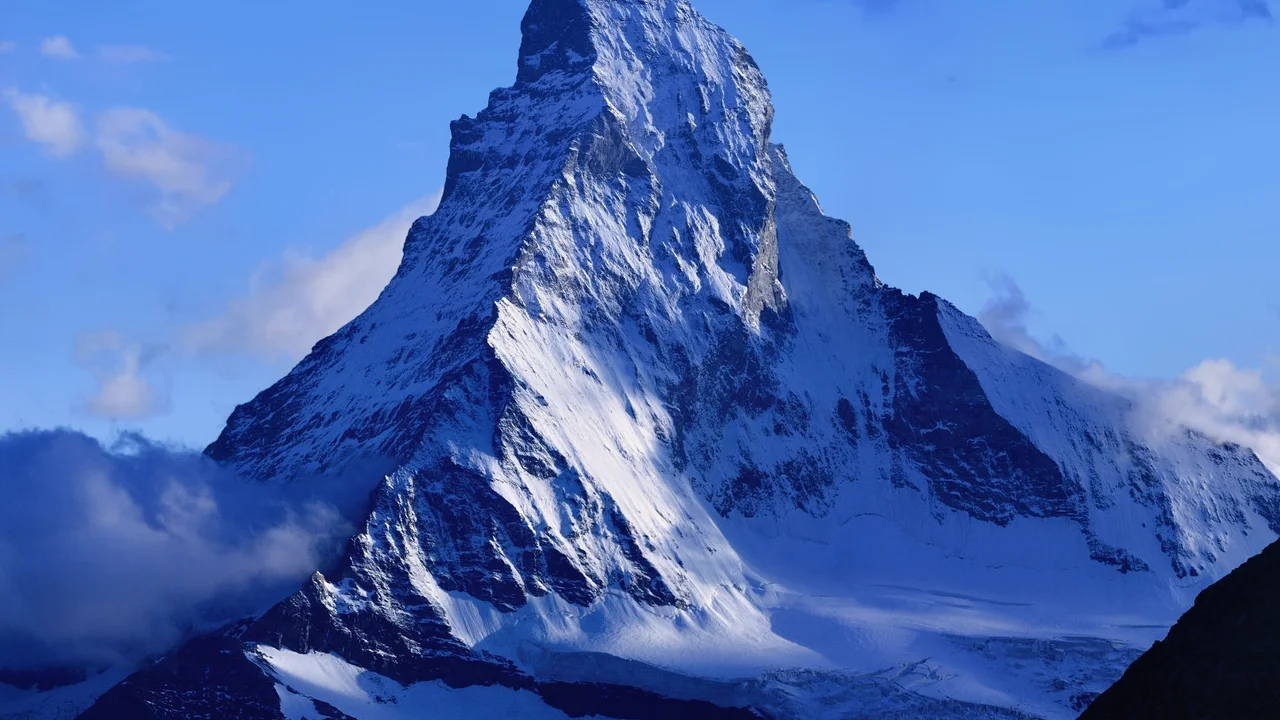

Matterhorn
The Matterhorn (Monte Cervino), at 4,478 meters (14,692 ft), is one of the most recognizable and dramatic pyramidal peaks in the world. Straddling the border between Zermatt, Switzerland, and Breuil-Cervinia, Italy, its four triangular faces match the cardinal points of the compass. Its historic first ascent by Edward Whymper on July 14, 1865, and the tragic fall of four teammates on the descent marked the end of the Golden Age of Alpinism.
Pioneered & Associated Routes (6)
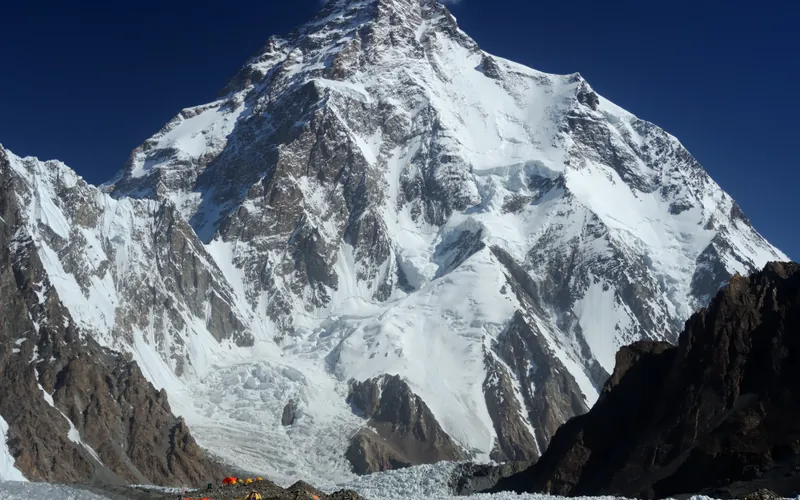
Abruzzi Spur (Southeast Ridge)
The Abruzzi Spur is the most famous and frequently climbed route on K2, tracing the mountain's steep southeast ridge from the Godwin-Austen Glacier to the summit. First explored in 1909 by Prince Luigi Amedeo, Duke of the Abruzzi, it was successfully climbed to the summit in 1954 by an Italian team. The route requires extreme physical endurance and high-grade technical climbing on rock, ice, and mixed terrain through legendary cruxes like House's Chimney, the Black Pyramid, and the Bottleneck couloir.
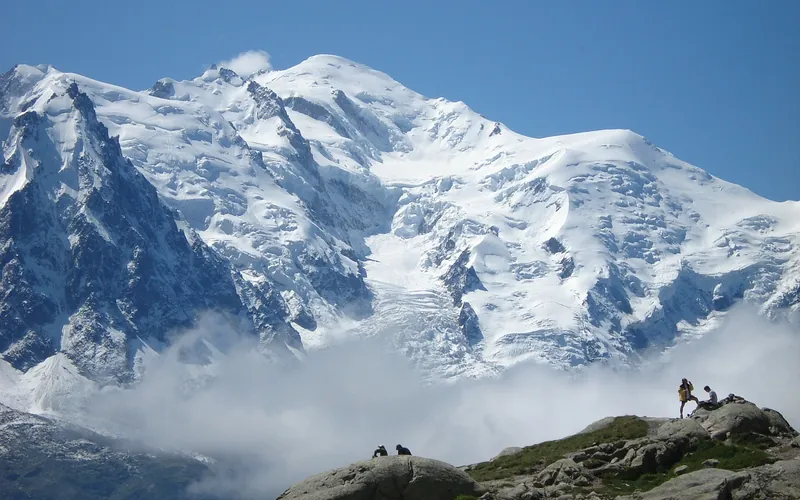
Goûter Route (Voie Royale / Normal Route)
The Goûter Route, often called the Voie Royale, is the most frequented and classic line to the summit of Mont Blanc (4,808 m). Starting from the Tramway du Mont-Blanc terminus at Nid d'Aigle (2,372 m), climbers ascend past the Tête Rousse Glacier, traverse the notorious Grand Couloir, scramble up the steep Aiguille du Goûter to the Goûter Refuge (3,835 m), and complete the dawn push across the Dôme du Goûter and the exposed knife-edge Arête des Bosses to the summit dome.
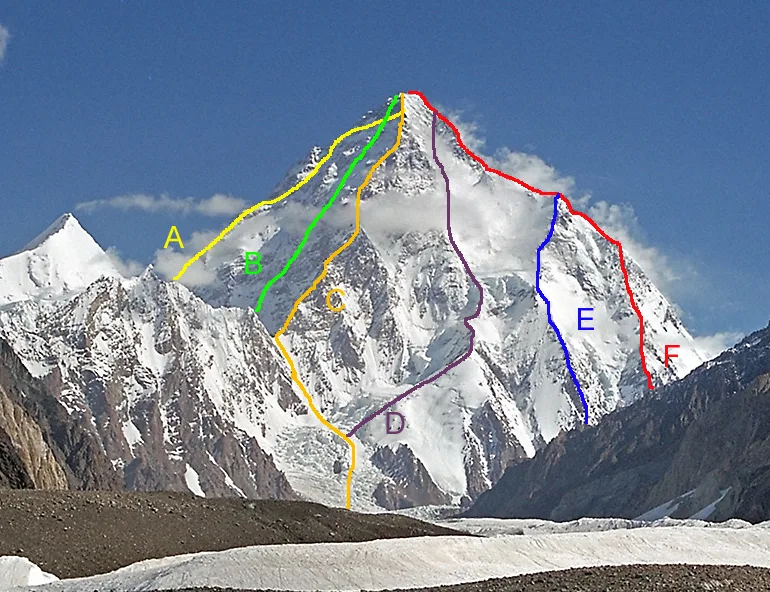
K2 South Face (The Polish Line)
The Polish Line on the South Face of K2 (8,611m) is widely regarded as one of the most perilous and audacious routes ever climbed in high-altitude mountaineering history. Tackling the direct 3,200-meter wall between the Abruzzi Spur and the Magic Line (South-Southwest Pillar), the route ascends through a chaotic labyrinth of hanging seracs, avalanche funnels, and vertical rock bands. Pioneered in alpine style over five harrowing days in July 1986 by Jerzy Kukuczka and Tadeusz Piotrowski without supplemental oxygen, Reinhold Messner famously dubbed it 'suicidal'. Kukuczka and Piotrowski reached the summit on July 8, but tragedy struck during their desperate descent via the Abruzzi Spur when Piotrowski lost both crampons and plunged to his death. To this day, the Polish Line remains unrepeated.
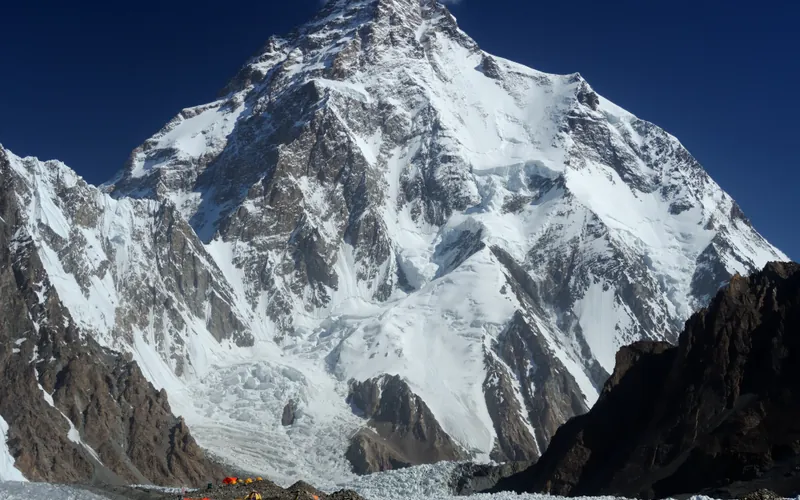
West Ridge (Japanese Route)
The West Ridge of K2 is one of the most formidable and sustained technical lines in high-altitude mountaineering. Pioneered in August 1981 by a joint Japanese-Pakistani expedition, it ascends directly from the Savoia Glacier along the exposed western crest before negotiating the severe Southwest Face directly into the Death Zone. Demanding immense commitment, it was first completed by Pakistani mountaineer Nazir Sabir and Japanese climber Eiho Ohtani after an epic bivouac near 8,500 meters.
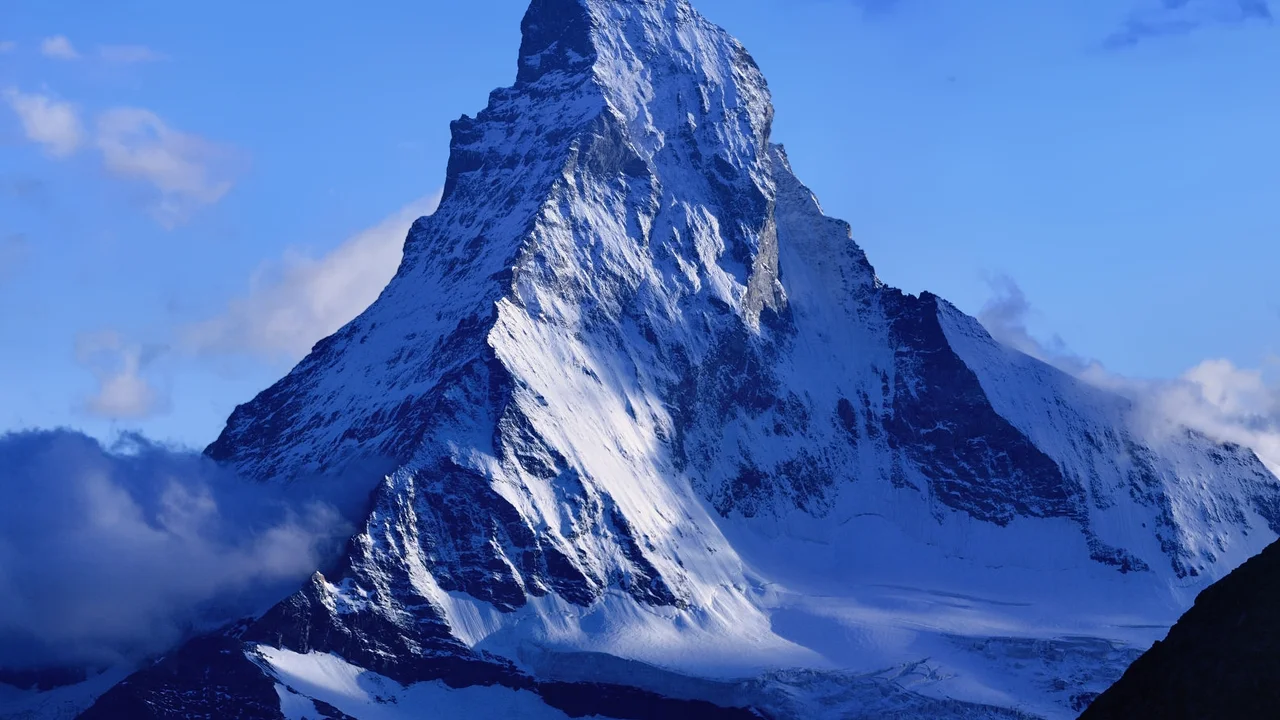
Hörnli Ridge (Normal Route)
The Hörnli Ridge (Hörnligrat) is the northeast ridge of the Matterhorn and the standard normal route from Zermatt. Starting from the Hörnli Hut (3,260m), the route follows the sharp, crumbling crystalline schist ridge, traversing steep rock steps, the Solvay emergency refuge (4,003m), and the steep upper Moseley Slabs. Fixed ropes assist climbers over the steep summit headwall (the Shoulder) before reaching the knife-edge Swiss summit crest at 4,478 meters. First climbed on July 14, 1865, by Edward Whymper's party.
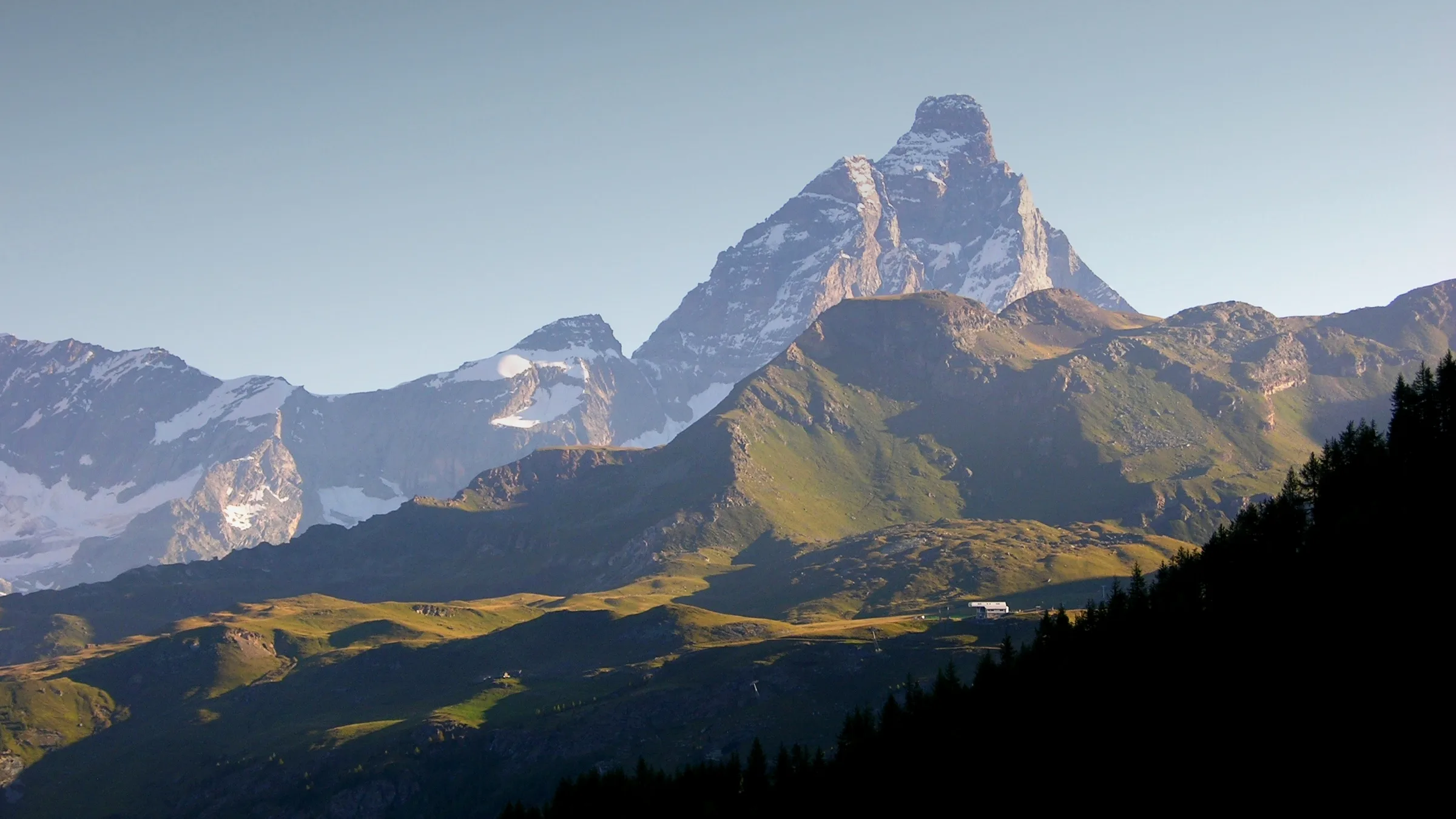
Matterhorn Lion Ridge (Cresta del Leone)
The Matterhorn Lion Ridge (Cresta del Leone / Italian Normal Route) is the historic Italian line to the Matterhorn summit, ascending from the Rifugio Theodul and Breuil-Cervinia on the Italian south-west face via the Col du Lion, the Tête du Lion, and the Great Tower. Pioneered by Jean-Antoine Carrel on July 17, 1865 — three days after Whymper's Hörnli ascent — the Lion Ridge remains the longer, more exposed, and more technically demanding of the two standard Matterhorn routes, graded AD+/D with sustained UIAA IV passages and dramatic 3,000-metre drops into the Valtournenche.
Documented Expeditions (1)
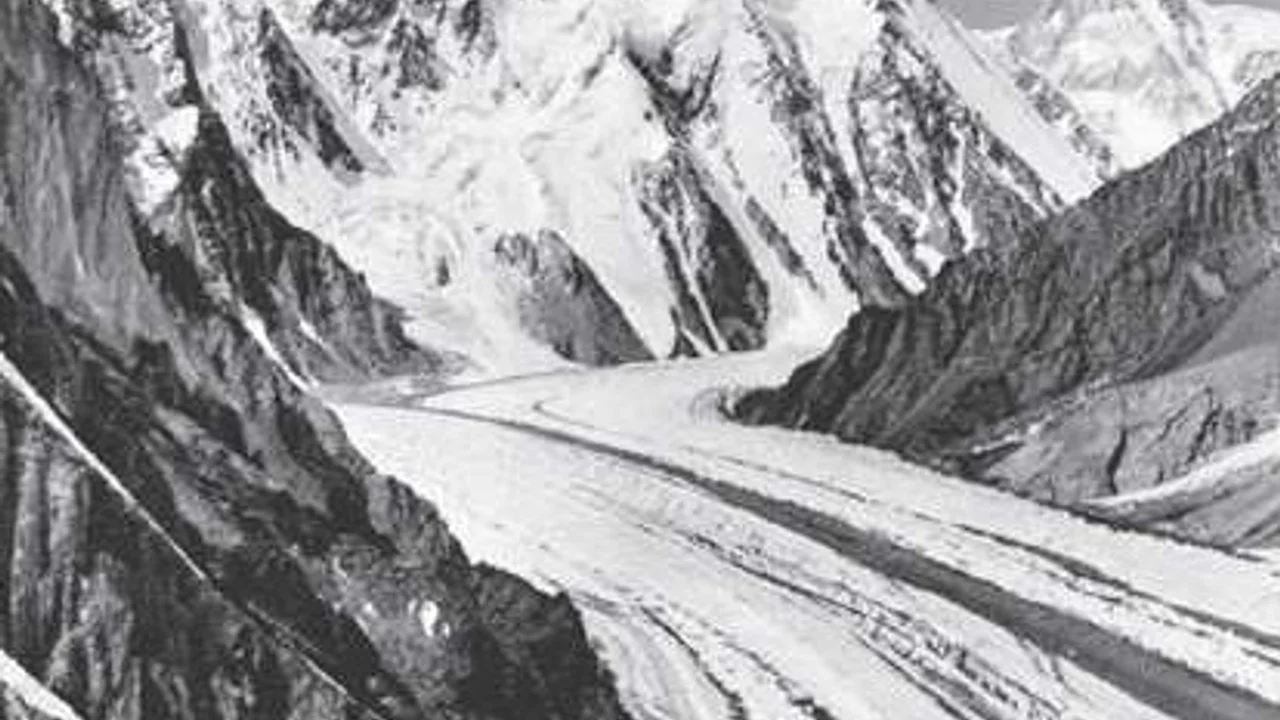
1909 Duke of the Abruzzi Karakoram Expedition
The monumental 1909 Italian expedition led by Prince Luigi Amedeo, Duke of the Abruzzi, accompanied by master photographer Vittorio Sella, that surveyed K2, discovered and pioneered the Abruzzi Spur, and established a world altitude record of 7,498 meters on Chogolisa.
Associated Chronicles & Stories (1)
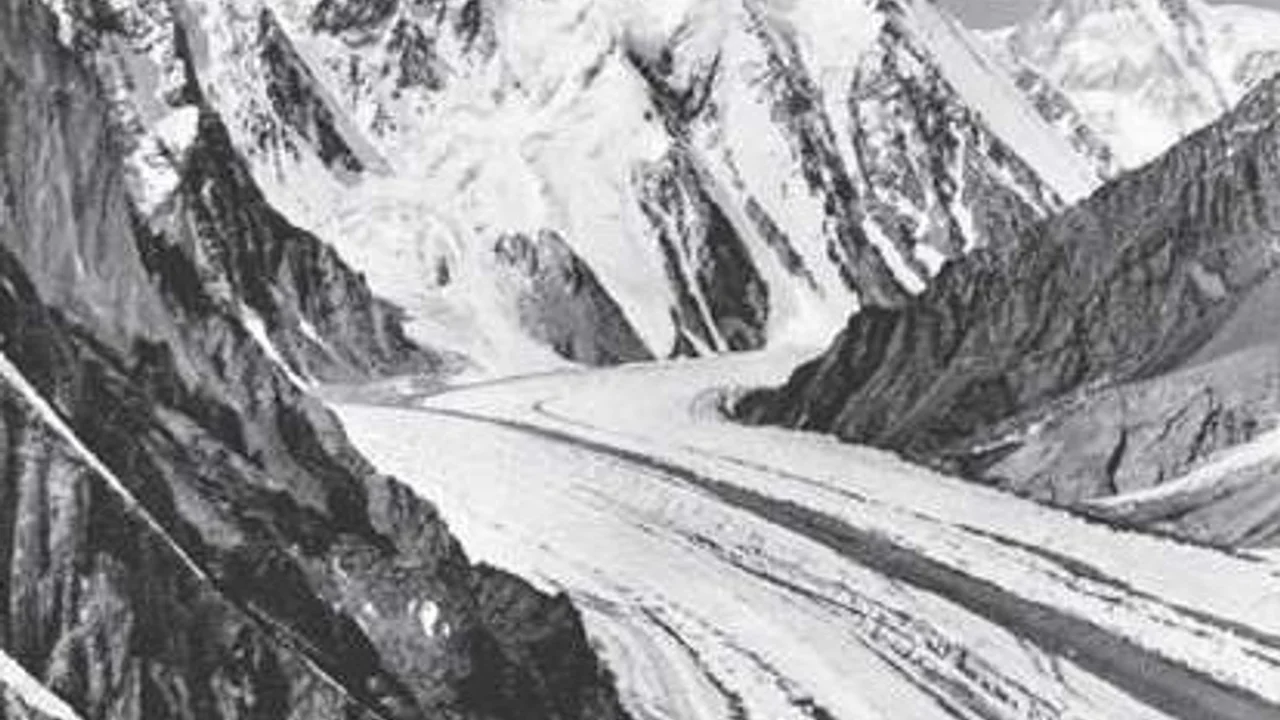
K2 1909: The Duke of the Abruzzi, Vittorio Sella, and the Genesis of the Abruzzi Spur
In 1909, Prince Luigi Amedeo, Duke of the Abruzzi, and master photographer Vittorio Sella mounted a monumental expedition into the Karakoram, unlocking the secrets of K2, naming the Abruzzi Spur, and setting a world altitude record of 7,498m on Chogolisa.
Documented Sources & Archival Citations
- Summit: Vittorio Sella - Pioneer Mountain Photographer(Aperture Foundation)
Supporting claim: Comprehensive retrospective of Sella's photographic technique, cameras, and expeditions
Accessed/Documented: 1999 - Karakoram and Western Himalaya 1909(Filippo De Filippi and Vittorio Sella / Edward Arnold)
Supporting claim: Official expedition chronicle featuring Sella's definitive Karakoram panoramas
Accessed/Documented: 1912 - Round Kangchenjunga: A Narrative of Mountain Travel and Exploration(Douglas Freshfield / Edward Arnold)
Supporting claim: Documentation of Sella's 1899 circumnavigation and photography of Kangchenjunga
Accessed/Documented: 1903