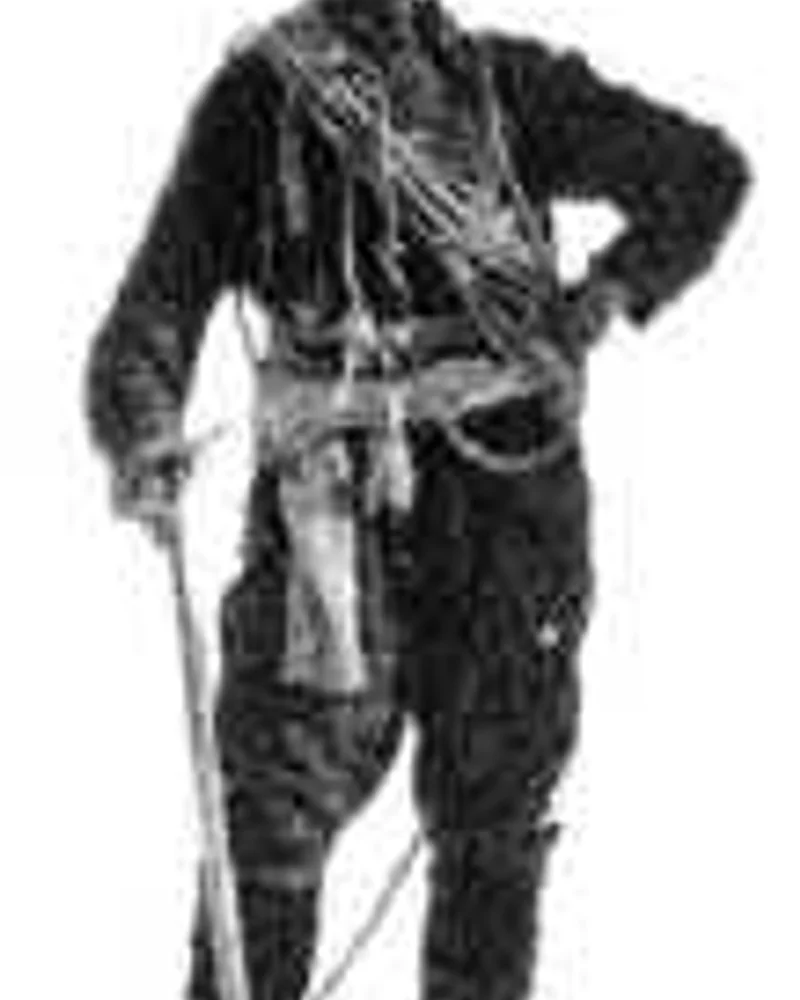
Conrad Kain
Conrad Kain was an Austrian-born Canadian mountain guide and pioneer alpinist celebrated as the greatest climber in Canadian history. In July 1913, he achieved the historic first ascent of Mount Robson via the Kain Face, chopping hundreds of ice steps with a hand axe. In 1916, he achieved the landmark first ascent of the sheer granite monolith Bugaboo Spire.
Mountain Safety & Conditions Disclaimer: High-altitude climbing, glacial travel, and technical ascents entail severe objective risks including avalanches, serac collapses, rapid weather collapse, and altitude illness. Historical route descriptions and summit claims on Mountanity reflect documented archival sources and must not be used as live operational safety assessments. Local regulations, permits, and physical glacial topography change continuously.
Peer Review: Senior Editorial Board & Historical Reviewers • Editorial Standards
Biographical Record & Archival Chronicle
Born on August 10, 1883, in Nasswald, Lower Austria, Conrad Kain grew up in poverty following his father's early death, working as a quarry boy and goat herder before discovering a profound natural talent for rock climbing in the Rax Alps. Earning his official Austrian mountain guide certificate, Kain was recruited in 1909 by Arthur Oliver Wheeler to serve as the first official climbing guide for the newly formed Alpine Club of Canada. Emigrating to Canada, Kain transformed North American mountaineering with his unmatched speed, fearless route-finding, and masterful step-cutting technique. Over the next two decades, Kain completed more than sixty pioneering first ascents across the Canadian Rockies, the Selkirks, and the Purcells. His crowning achievement came on July 31, 1913, when he guided Albert MacCarthy and William Foster up the icy northeast face of Mount Robson, hand-hewing hundreds of steps into hard blue ice on what became known as the Kain Face before uttering his legendary words on the summit: Gentlemen, that's so far as I can take you. Three years later, in 1916, Kain shattered existing technical rock standards by making the historic first ascent of the sheer, terrifying granite needle of Bugaboo Spire in the Purcell Range, climbing the exposed Gendarme pitch without pitons or modern protection. Kain also explored New Zealand's Southern Alps during northern winters. Kain passed away in Cranbrook, British Columbia, in February 1934, immortalized through his posthumous autobiography Where the Clouds Can Go as one of the purest and most beloved mountain guides of all time.
Notable Milestones & Ascents
- Historic first ascent of Mount Robson (3,954 m) on July 31, 1913, pioneering the 55-degree Kain Face
- Historic first ascent of Bugaboo Spire (3,204 m) in 1916, establishing the most difficult rock climb in Canada
- Historic first ascent of Mount Louis (2,682 m) near Banff in 1916, opening modern steep limestone climbing
- Completed more than sixty major first ascents across the Canadian Rockies, Purcells, and Selkirks
- Authored the celebrated mountaineering autobiography Where the Clouds Can Go
- Conrad Kain Hut in the Bugaboos and Mount Kain in Mount Robson Provincial Park named in his eternal honor
Key Statistics & Topographic Figures
- Robson First Ascent
- July 31, 1913 (Mount Robson, 3,954 m)
- Bugaboo Spire Ascent
- August 28, 1916 (Purcell Range)
- Total First Ascents
- Over 60 major peaks across Canada
- Lifespan
- 1883 – 1934
- Club Role
- First Chief Guide, Alpine Club of Canada
Archival Primary Source Quotations
“My home is where the clouds can go, and my joy is the wild freedom of the peaks.”
Defined Alpine Terminology & Concepts
- Gendarme Pitch
- A steep, isolated rock tower along a mountain ridge requiring technical free-climbing maneuvering to bypass or surmount.
- Alpine Club of Canada (ACC)
- Canada's national mountaineering organization, founded in 1906 to promote alpine exploration, conservation, and mountain safety.
Frequently Asked Questions: Conrad Kain
Who was Conrad Kain?
Conrad Kain was an Austrian-born Canadian mountain guide and pioneer alpinist celebrated as the greatest mountain guide in Canadian history.
What were Conrad Kain's most famous first ascents in Canada?
His landmark triumphs include Mount Robson (1913), Bugaboo Spire (1916), Mount Louis (1916), and Mount Farnham (1914).
How did Conrad Kain arrive in Canada?
Recruited from Austria in 1909 by Arthur Oliver Wheeler, Kain became the first official climbing guide for the newly established Alpine Club of Canada.
What classic book recounts Conrad Kain's life and climbs?
Where the Clouds Can Go, his posthumous autobiography edited by J. Monroe Thorington and published by the American Alpine Club.
What was Conrad Kain's famous quote on the summit of Mount Robson?
Gentlemen, that's so far as I can take you; there's nowhere higher to go, spoken to clients Albert MacCarthy and William Foster in 1913.
How did Conrad Kain overcome the Gendarme on Bugaboo Spire in 1916?
He took off his heavy mountaineering boots and scaled the sheer, near-featureless granite slab in stockinged feet without piton protection.
Did Conrad Kain guide outside North America?
Yes, Kain guided extensively in the Austrian and Italian Alps and made exploratory first ascents in New Zealand's Southern Alps during northern winters.
How is Conrad Kain honored today in Canada?
He is honored by the Conrad Kain Hut in the Bugaboos, Mount Kain in Mount Robson Provincial Park, and the Conrad Kain Centennial Society.
Associated Summits (1)
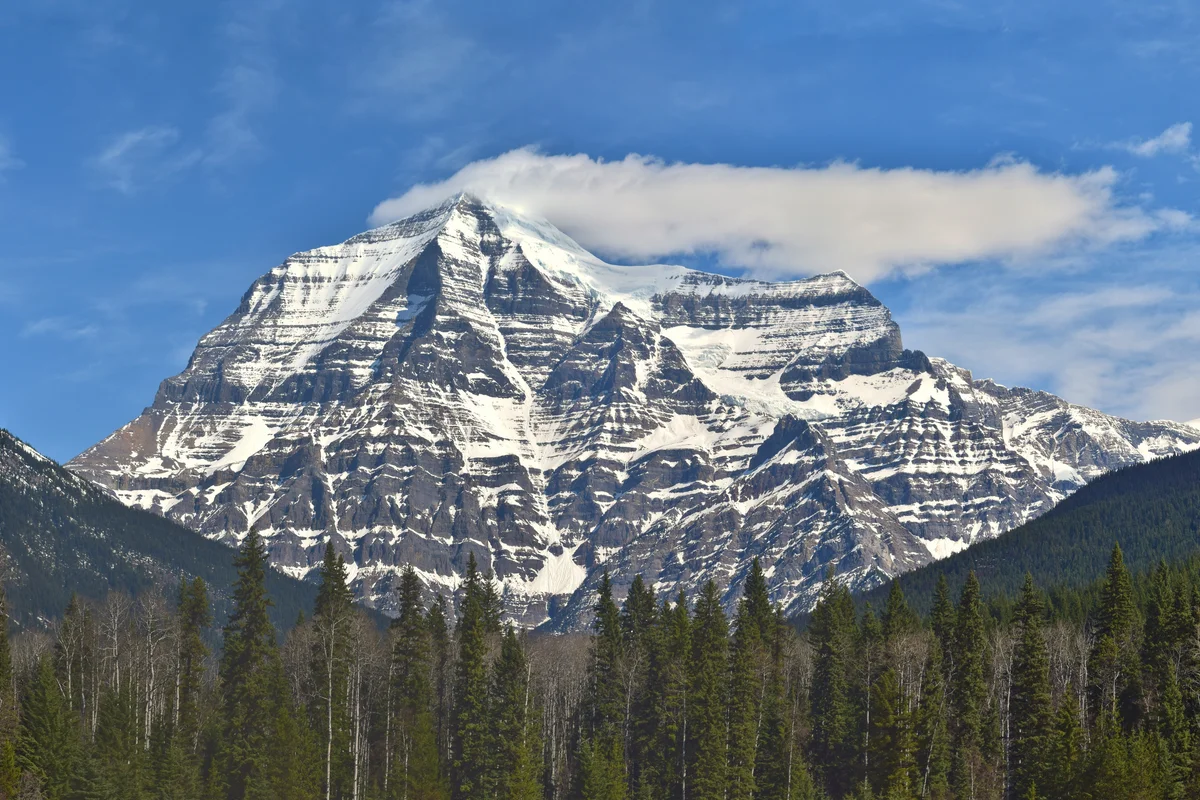

Mount Robson
Mount Robson is the highest mountain peak in the Canadian Rocky Mountains, soaring to an elevation of 3,954 metres in east-central British Columbia. Rising almost 3,000 vertical metres above Berg Lake with tremendous topographic prominence, it is celebrated as the monarch of the Canadian Rockies, featuring immense glaciated ramparts, unpredictable Pacific storms, and historic alpine routes including the Kain Face and the Emperor Face.
Pioneered & Associated Routes (1)
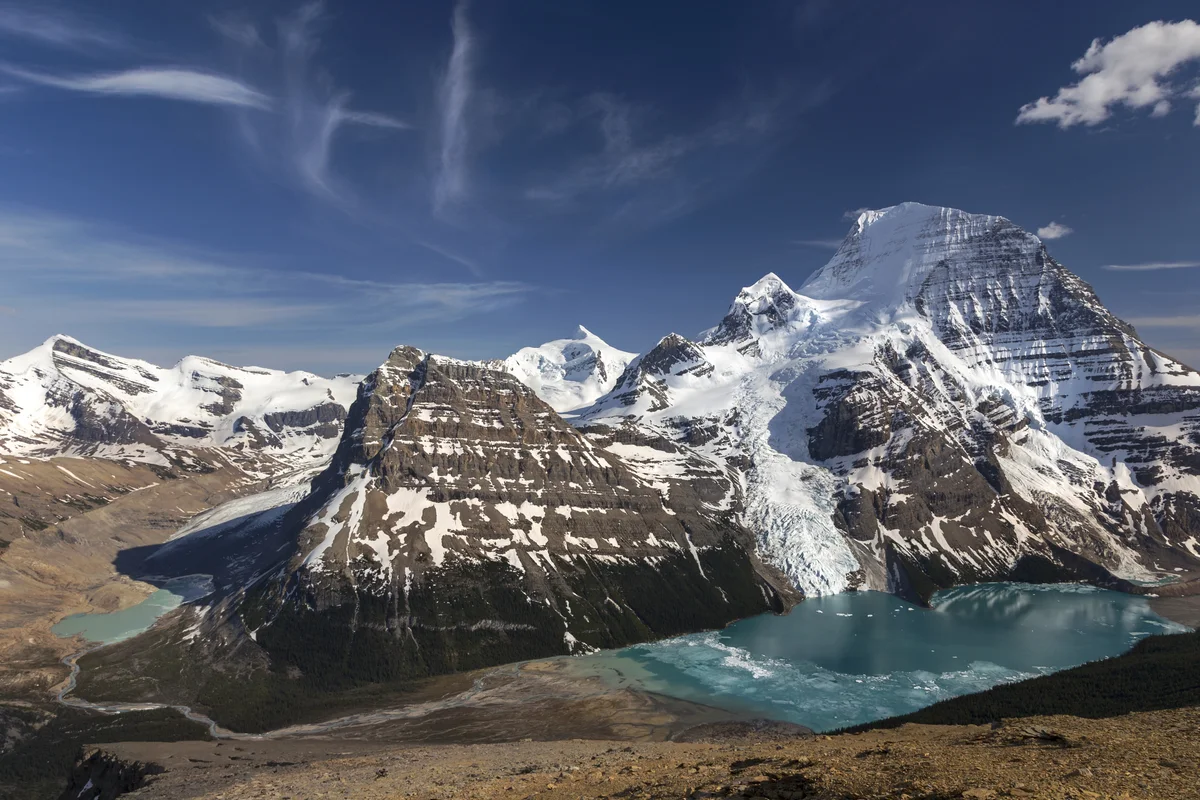
Kain Face (Mount Robson)
The Kain Face is the historic first-ascent route on Mount Robson, ascending the sweeping 500-metre northeast hanging glacier face above the Robson Cirque. Graded French D with sustained 50° to 55° hard alpine ice, it is celebrated in world mountaineering lore for Conrad Kain's extraordinary 1913 feat of hand-hewing hundreds of ice steps up the face to lead his clients to the highest summit in the Canadian Rockies.
Documented Expeditions (2)
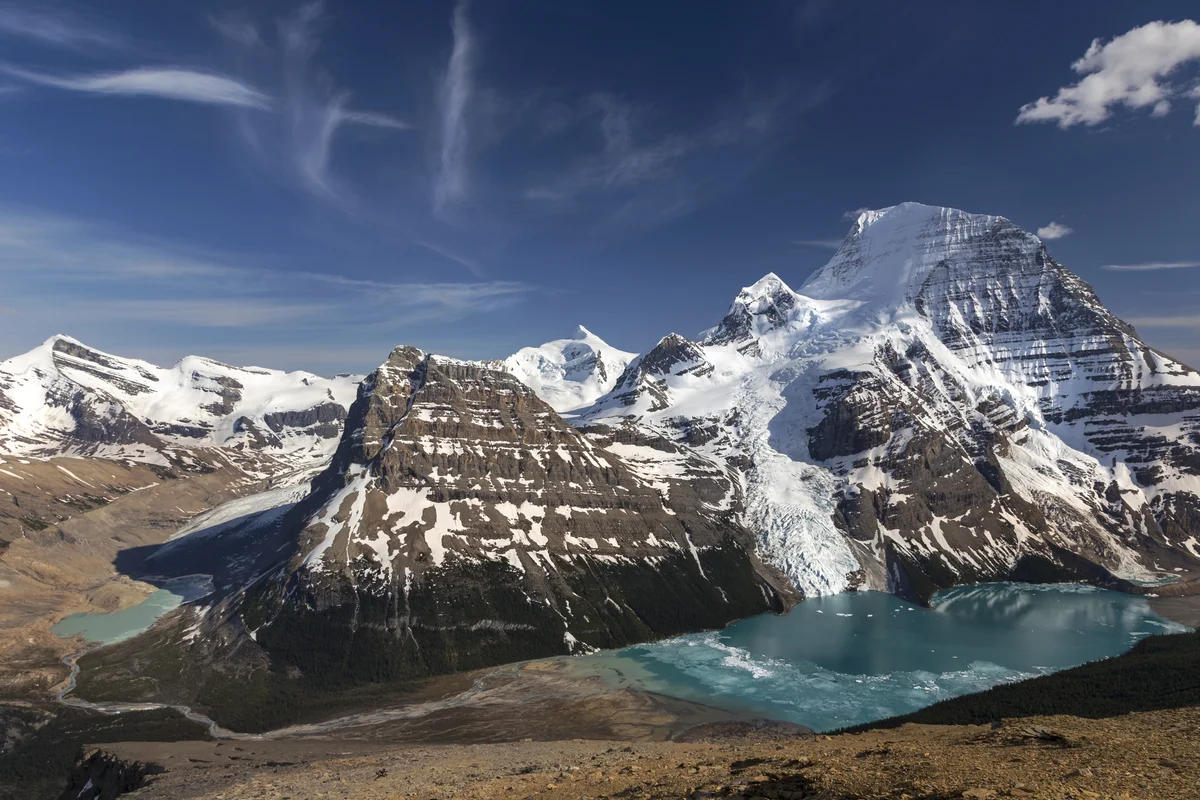
1913 Historic First Ascent of Mount Robson by Conrad Kain
On July 31, 1913, Austrian-Canadian guide Conrad Kain led Albert MacCarthy and William Foster to the summit of Mount Robson, hand-hewing hundreds of steps up a 55-degree hanging ice wall in one of the greatest feats in alpine history.
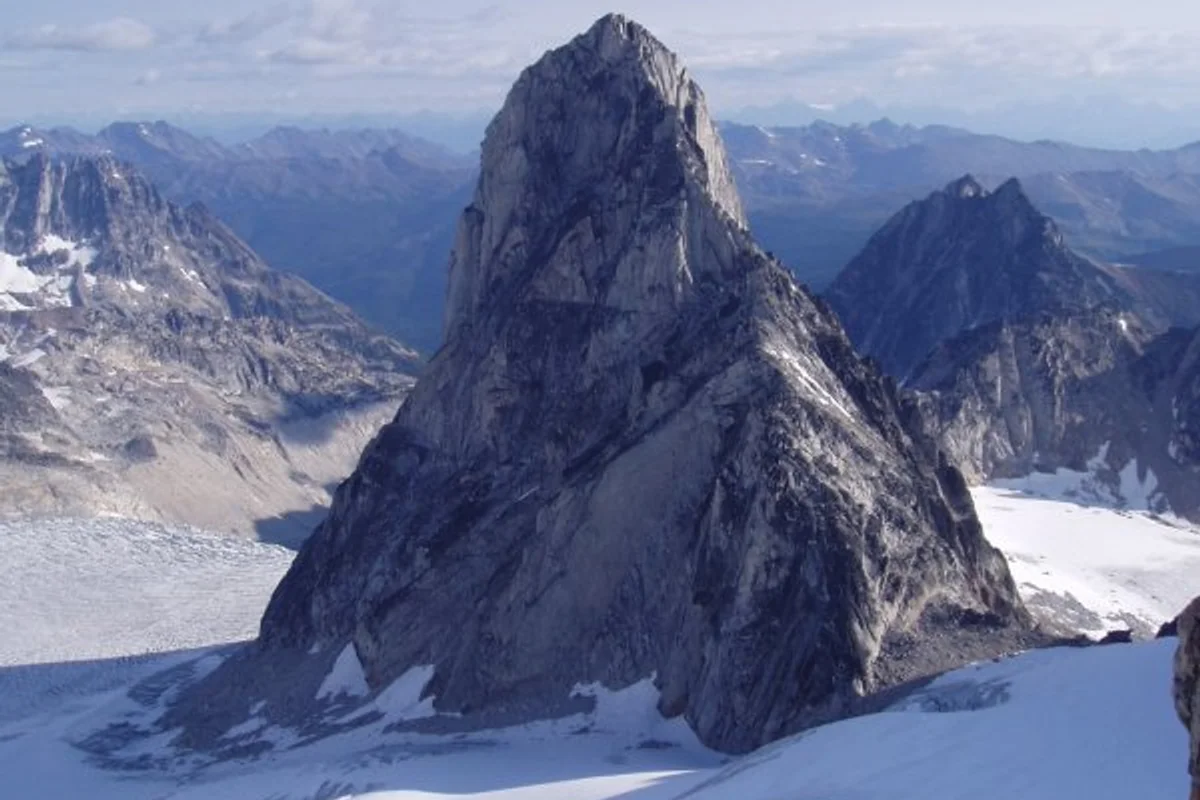
1916 Historic First Ascent of Bugaboo Spire by Conrad Kain
On August 28, 1916, Conrad Kain guided Albert and Bess MacCarthy to the summit of Bugaboo Spire in the Purcell Mountains, overcoming the terrifying vertical granite Gendarme pitch in the most difficult rock climb achieved in North America at that time.
Associated Chronicles & Stories (2)
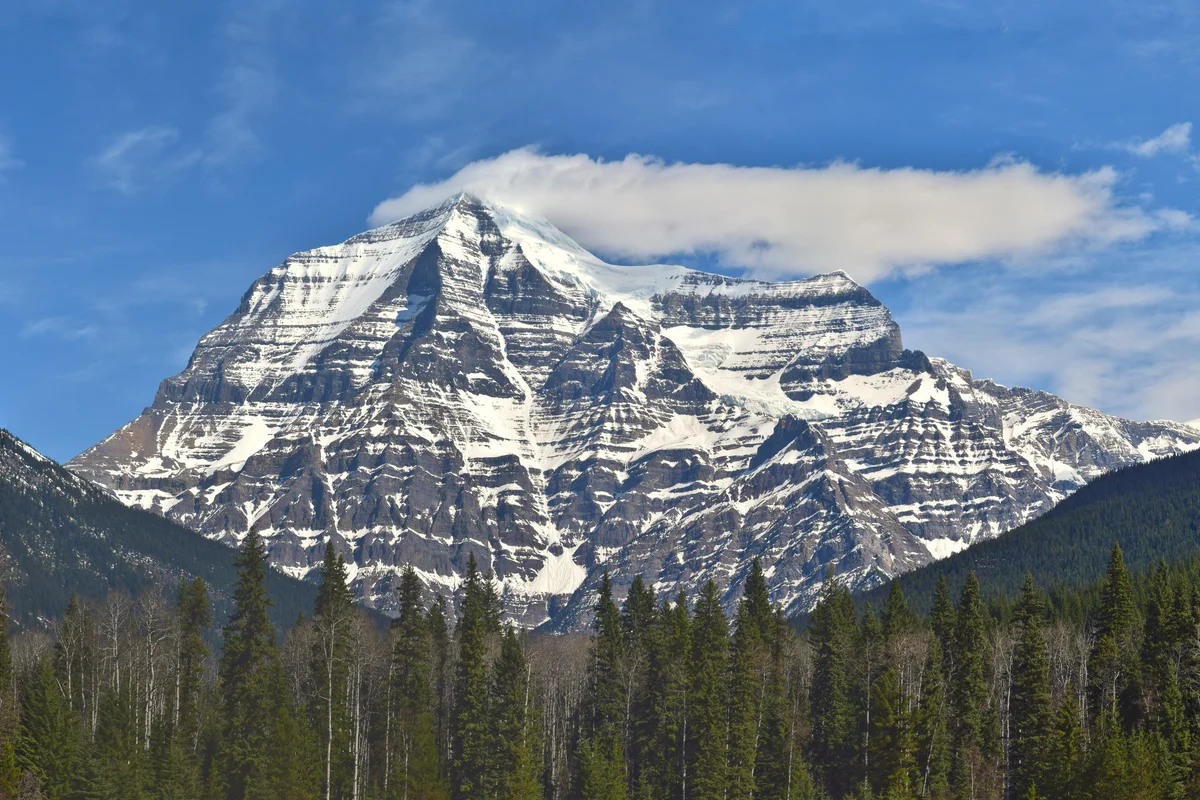
Gentlemen, That's So Far as I Can Take You: Conrad Kain on Mount Robson
On July 31, 1913, Austrian-Canadian guide Conrad Kain led Albert MacCarthy and William Foster up a 55-degree hanging ice face on Mount Robson, carving hundreds of steps by hand to conquer the monarch of the Canadian Rockies.
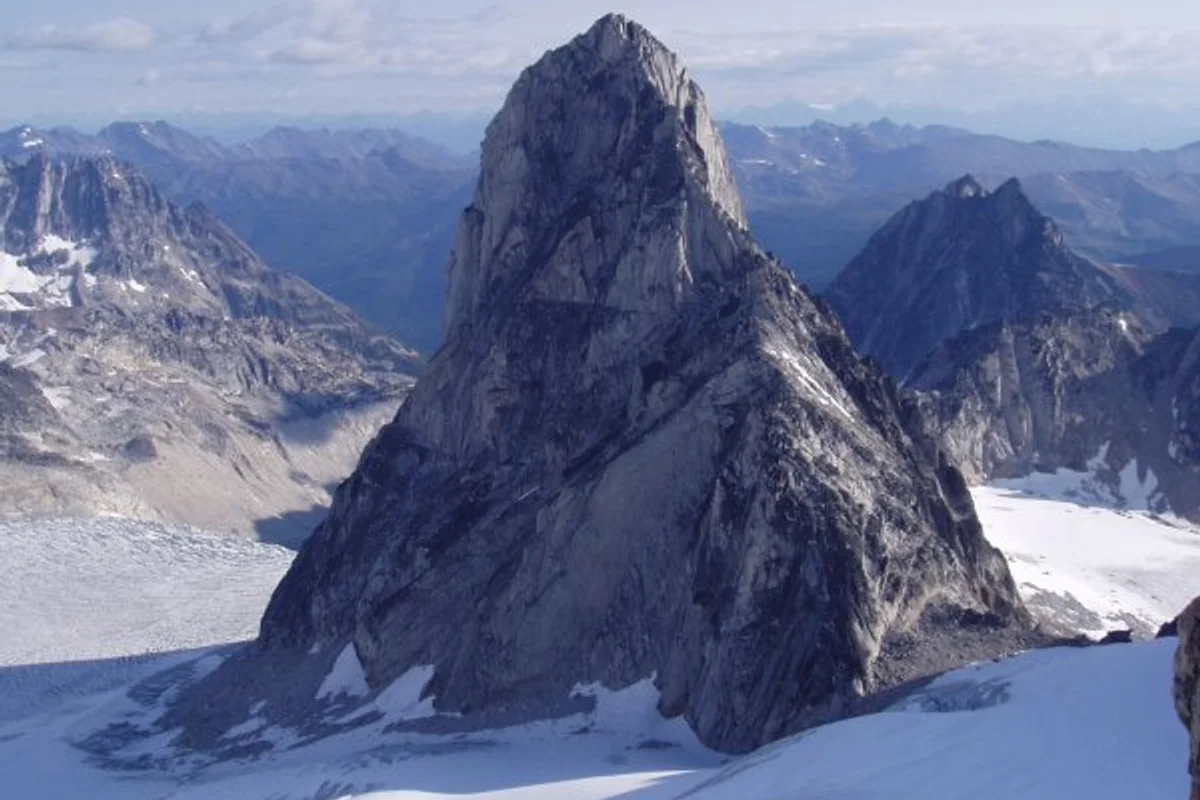
The Stockinged Master: Conrad Kain on the Granite Gendarme of Bugaboo Spire
In August 1916, Conrad Kain took off his boots and scaled a sheer, featureless granite tower in stockinged feet to complete the first ascent of Bugaboo Spire in the Purcell Mountains.
Documented Sources & Archival Citations
- Where the Clouds Can Go(Conrad Kain / The American Alpine Club)
Supporting claim: Autobiographical memoirs detailing Kain's first ascents of Mount Robson and Bugaboo Spire
Accessed/Documented: 2026 - Conrad Kain: A Passion for Mountains(David Finch / Rocky Mountain Books)
Supporting claim: Comprehensive historical biography of Conrad Kain's guiding career in Canada
Accessed/Documented: 2026