Canada
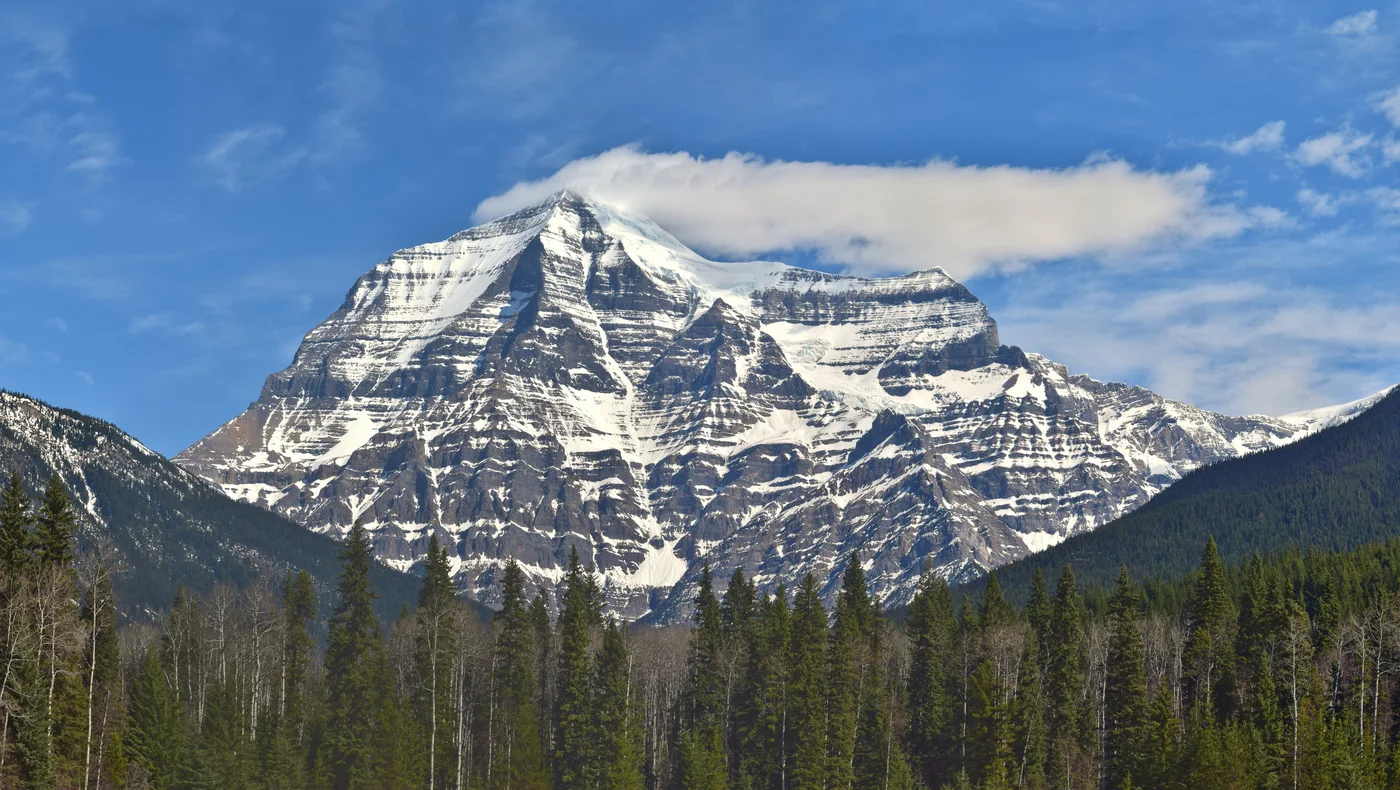
Home to vast alpine frontiers including the Canadian Rockies, the granite spires of the Bugaboos, the Selkirks, and the wild Coast Mountains of British Columbia, crowned by colossal peaks such as Mount Robson and Mount Waddington.
Peer Review: Senior Editorial Board & Historical Reviewers • Editorial Standards
Key Statistics & Topographic Figures
- Archive Classification
- COUNTRIES
Mountanity Knowledge Corpus
- Verification Status
- Editorially Verified
Archival Standards
- Citation Standard
- Primary Source Verified
Alpine Research Desk
Mountain Peaks in Canada
Technical profiles, elevations, and ascent histories for summits located in or spanning Canada.
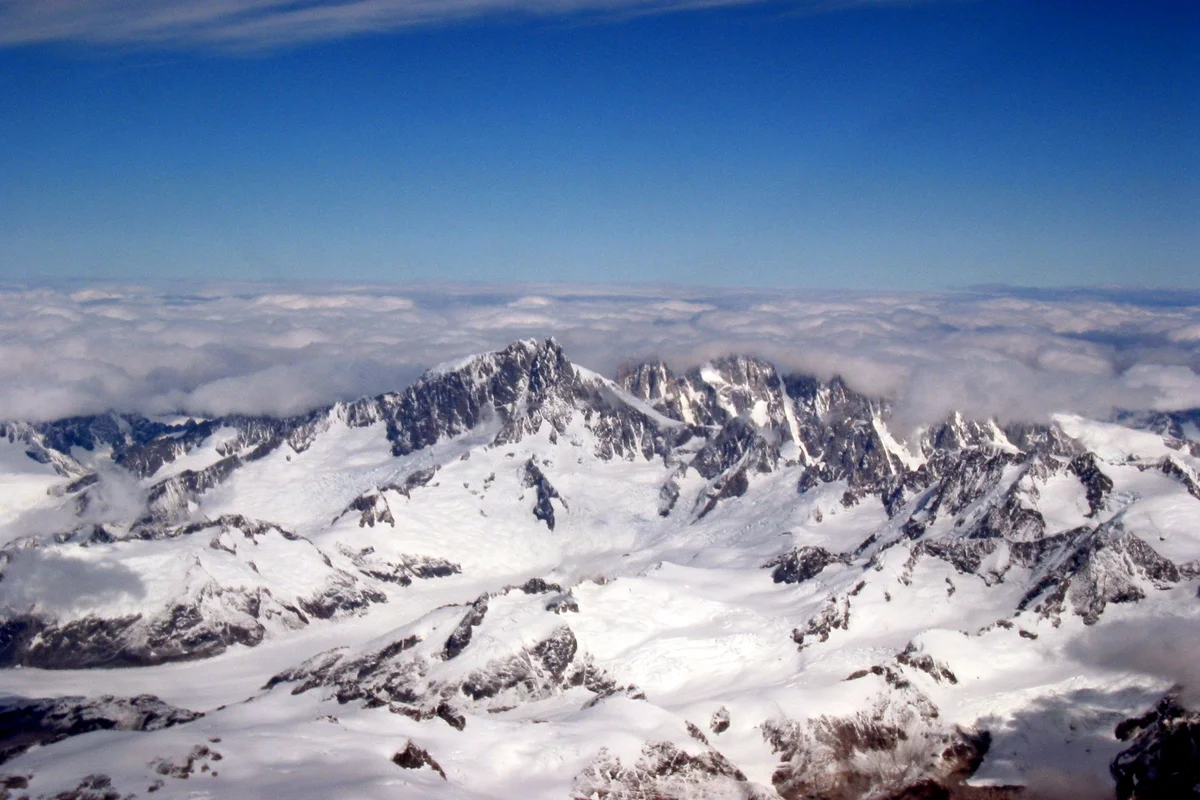
Mount Waddington
Mount Waddington is the highest peak in the Coast Mountains of British Columbia, rising to 4,019 metres amid the largest temperate icefield system in the world outside polar regions. Celebrated as Mystery Mountain during early exploration, this sheer granite monolith is perpetually guarded by Pacific maritime tempests, immense tidal glaciers, and vertical rock towers.
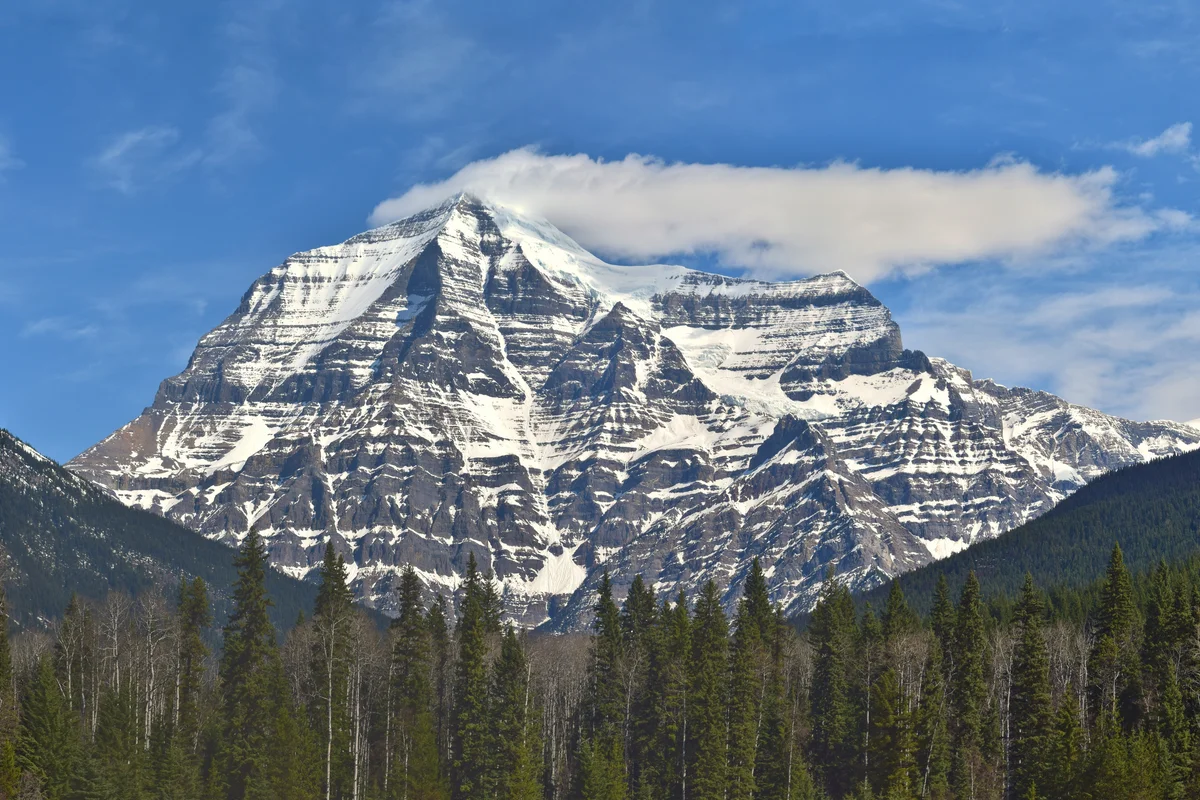
Mount Robson
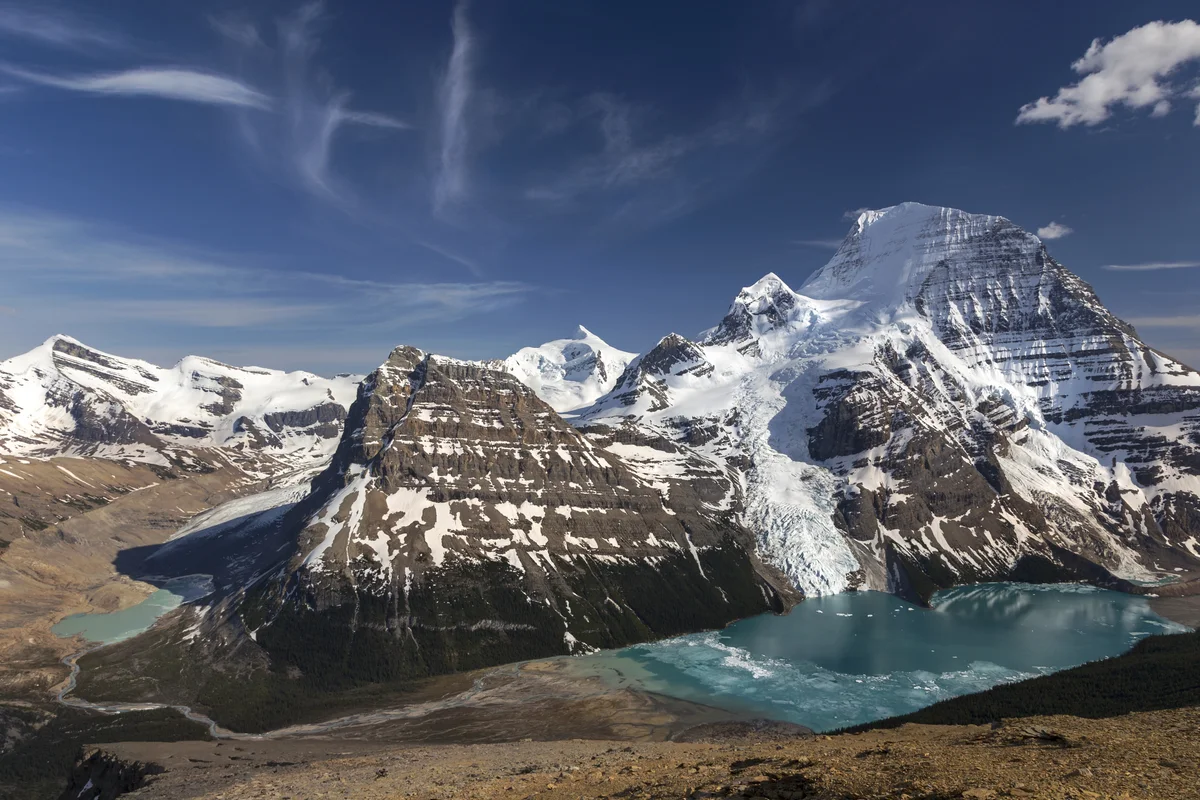
Mount Robson is the highest mountain peak in the Canadian Rocky Mountains, soaring to an elevation of 3,954 metres in east-central British Columbia. Rising almost 3,000 vertical metres above Berg Lake with tremendous topographic prominence, it is celebrated as the monarch of the Canadian Rockies, featuring immense glaciated ramparts, unpredictable Pacific storms, and historic alpine routes including the Kain Face and the Emperor Face.
Mountain Ranges Spanning Canada
Geographic mountain massifs, regional topography, and glaciated chains within Canada.
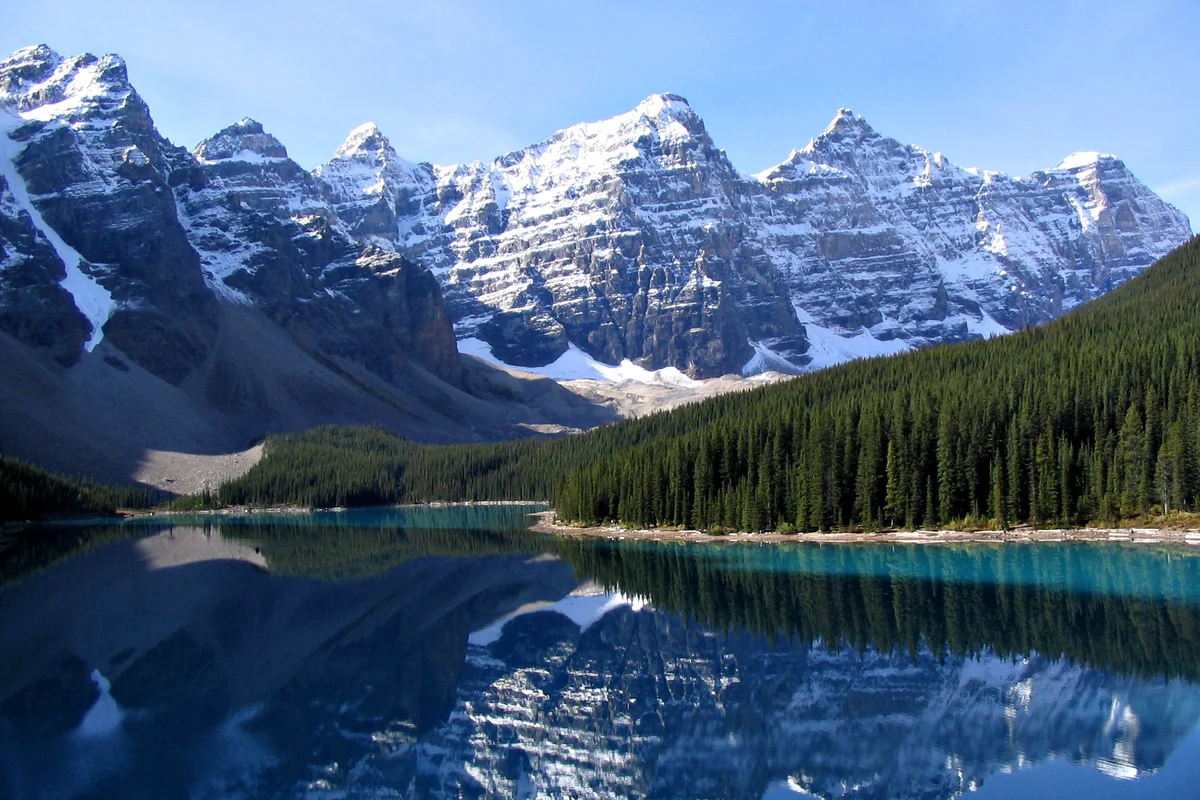
Canadian Rockies
The Canadian segment of the North American Rocky Mountains, extending across eastern British Columbia and western Alberta. Celebrated for massive layered limestone and quartzite peaks, sweeping glacial lakes, and the colossal summit of Mount Robson, the range was the crucible of early twentieth-century North American alpine exploration.
Cascade Range
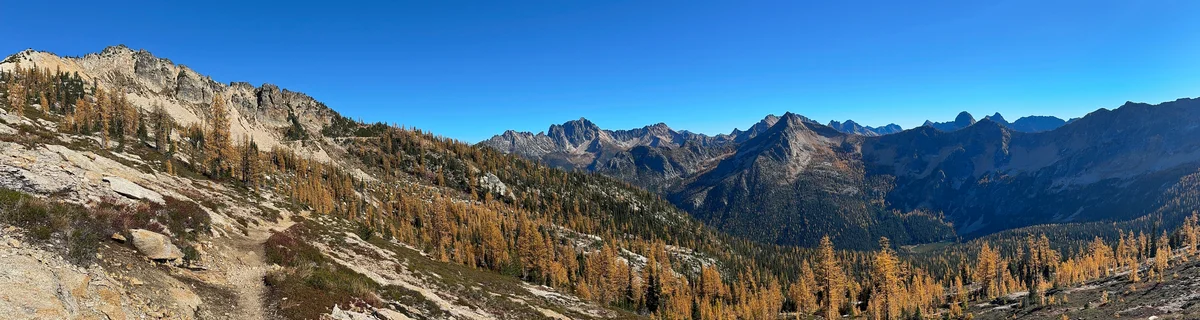
A major mountain range of western North America extending from southern British Columbia through Washington and Oregon to Northern California. Dominated by massive glaciated stratovolcanoes including Mount Rainier, Mount Adams, Mount Hood, and Mount Baker, alongside the rugged granitic spires of the North Cascades, the range served as the training ground and proving center for generations of American mountaineers.
Rocky Mountains
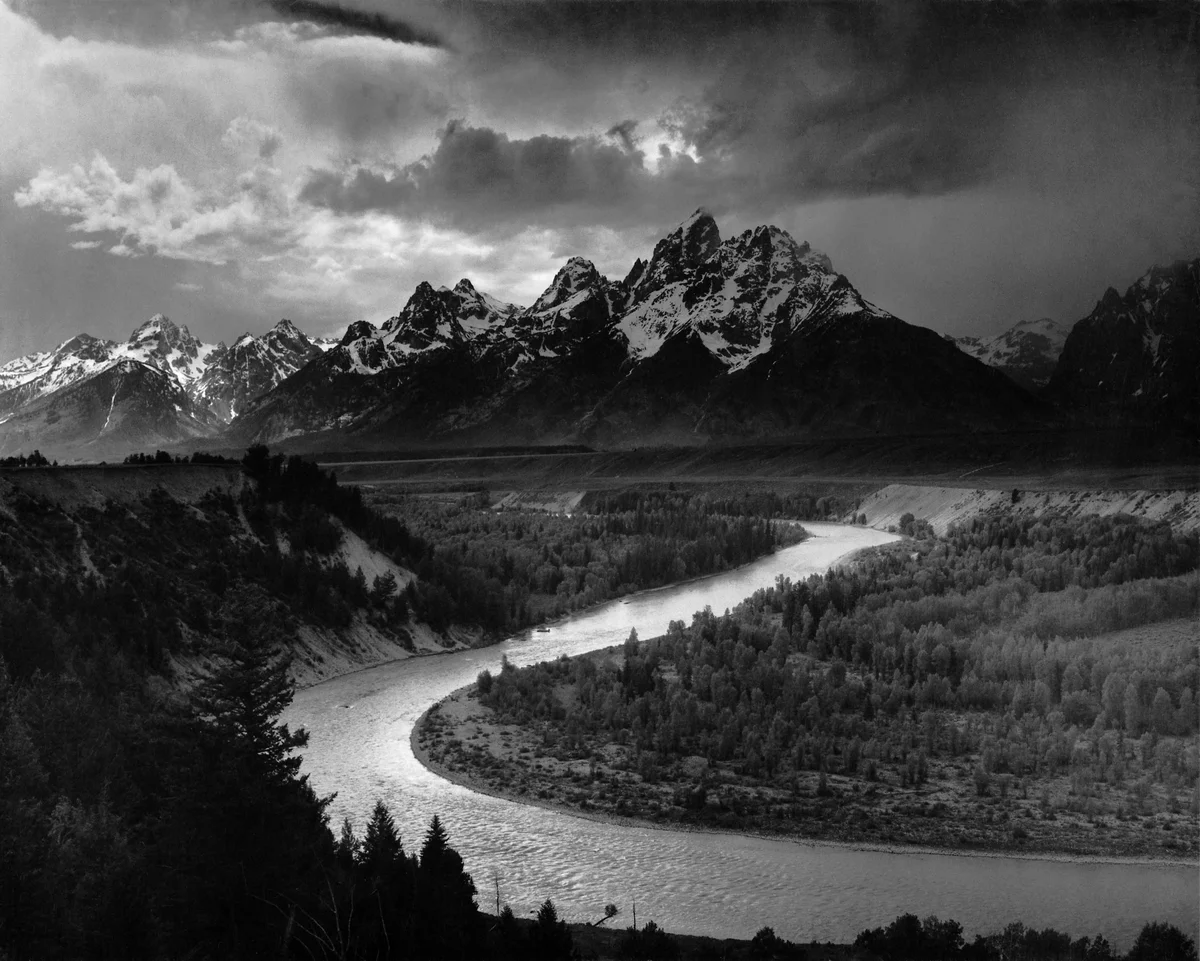
The Rocky Mountains form the vast continental backbone of North America, stretching more than 3,000 miles from British Columbia through Wyoming, Colorado, and New Mexico. Ranging from the abrupt 7,000-foot relief of the Teton Range to the soaring Colorado fourteeners, the American Rockies provided the proving grounds for modern North American alpine rock climbing, wilderness surveying, and guiding ethics.
Documented Climbing Routes
Classic lines of ascent, technical difficulties, and objective hazards across Canada's summits.
Kain Face (Mount Robson)
The Kain Face is the historic first-ascent route on Mount Robson, ascending the sweeping 500-metre northeast hanging glacier face above the Robson Cirque. Graded French D with sustained 50° to 55° hard alpine ice, it is celebrated in world mountaineering lore for Conrad Kain's extraordinary 1913 feat of hand-hewing hundreds of ice steps up the face to lead his clients to the highest summit in the Canadian Rockies.
Bravo Glacier Route (Mount Waddington)
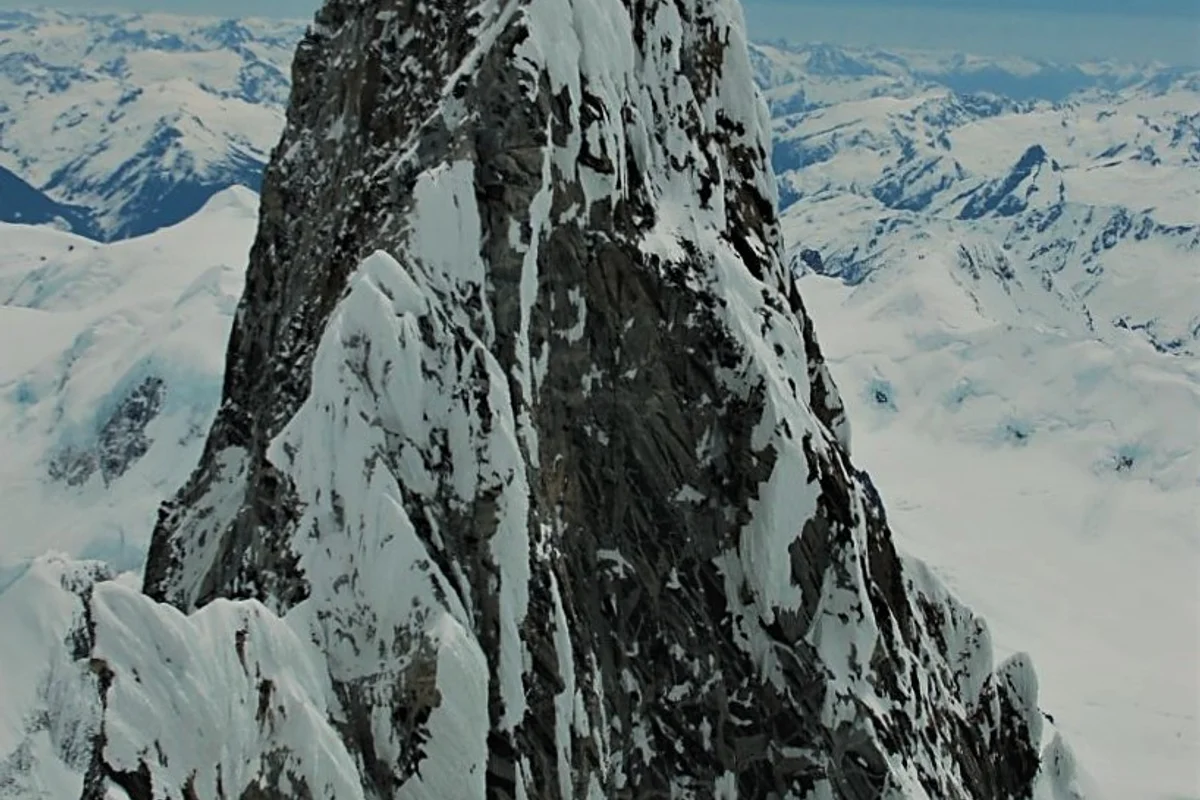
The Bravo Glacier Route is the classic mountaineering pathway into the heart of Mount Waddington, navigating from the colossal Tiedemann Glacier through the convoluted seracs of the Bravo Glacier icefall to the high Bravo Col and the 4,000-metre Northwest Summit crest. Pioneered in exploration by Don and Phyllis Munday, it remains the standard artery for ascents of British Columbia's highest peak.
Historic Expeditions & First Ascents
Epoch-making sieges and triumphant summits recorded within Canada's alpine history.
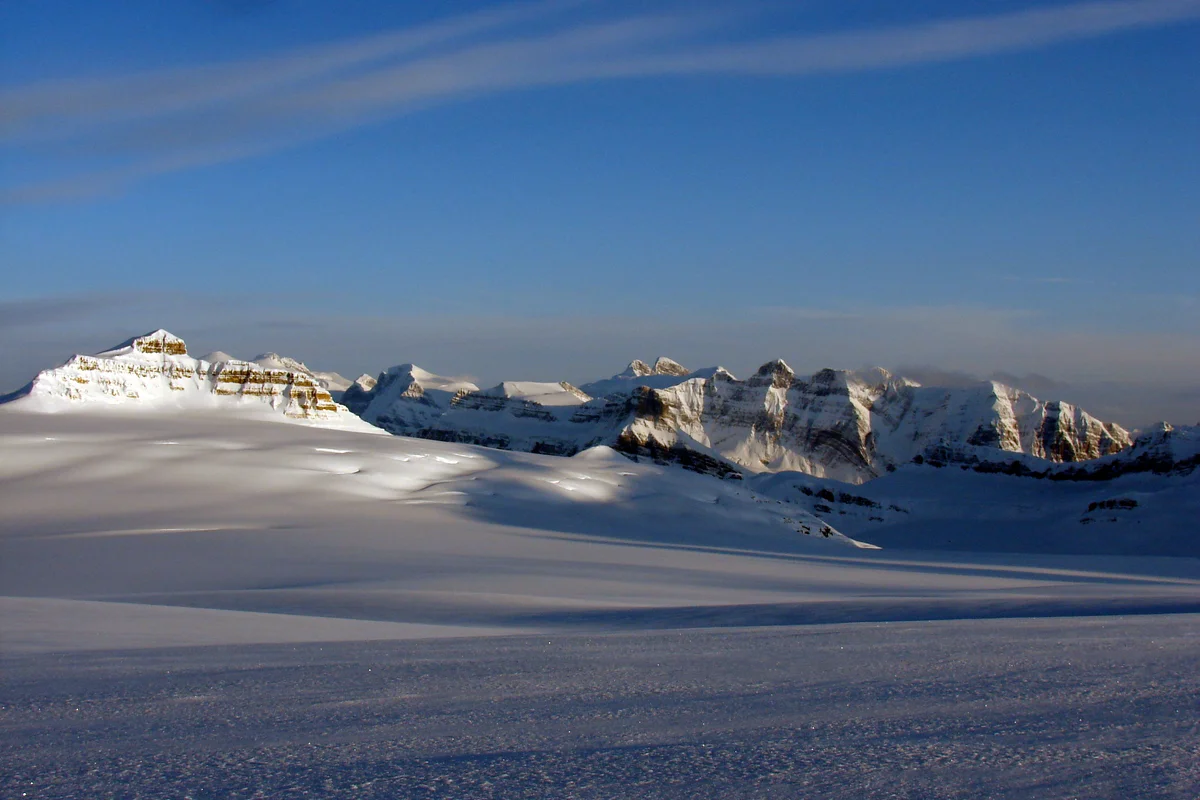
1898 Discovery of the Columbia Icefield by J. Norman Collie
On August 18, 1898, Scottish mountaineer and chemist J. Norman Collie made the first ascent of Mount Athabasca (3,491 m) with Hermann Woolley and discovered the immense 325-square-kilometre Columbia Icefield, the hydrological apex of North America.
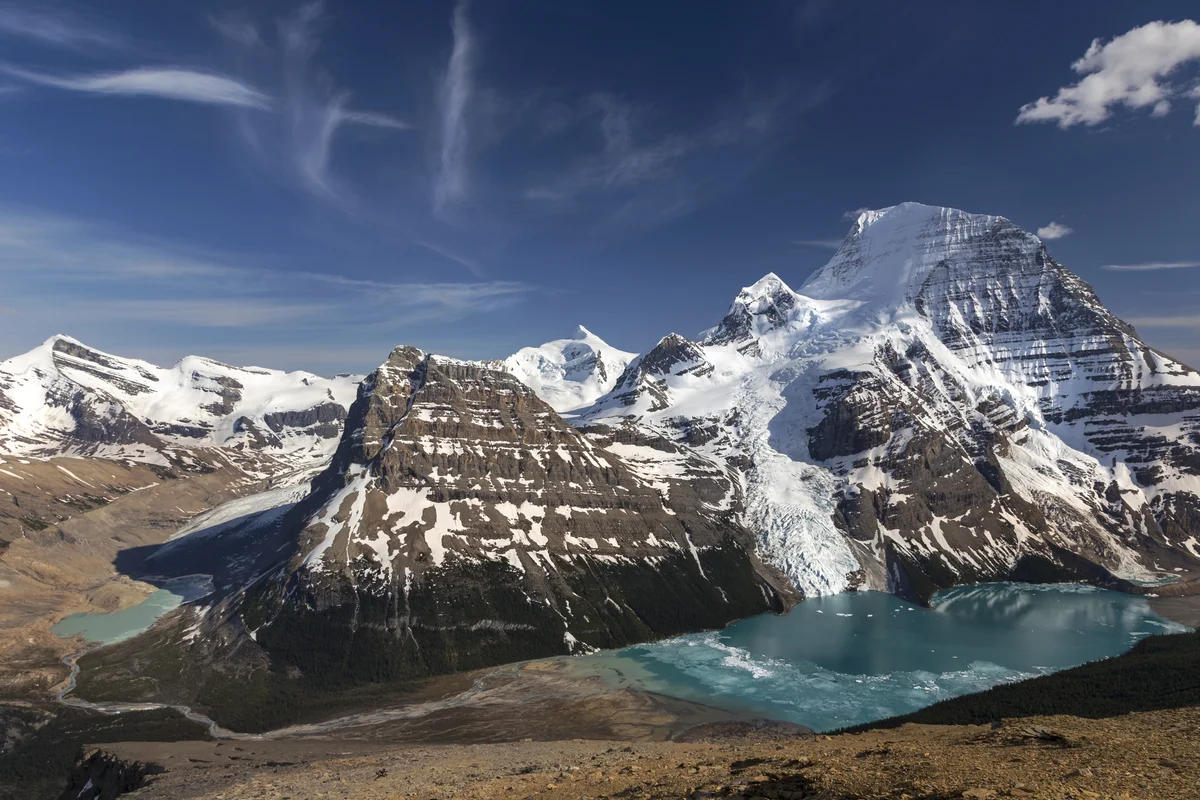
1913 Historic First Ascent of Mount Robson by Conrad Kain
On July 31, 1913, Austrian-Canadian guide Conrad Kain led Albert MacCarthy and William Foster to the summit of Mount Robson, hand-hewing hundreds of steps up a 55-degree hanging ice wall in one of the greatest feats in alpine history.
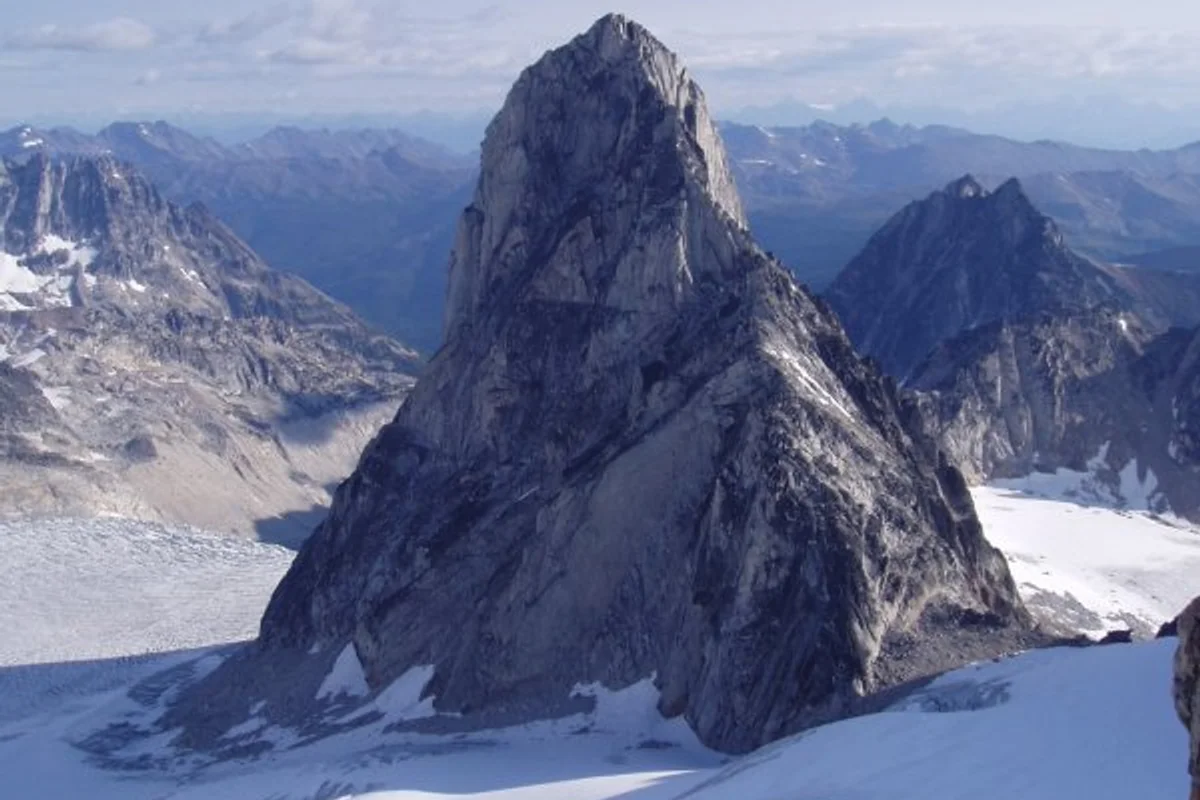
1916 Historic First Ascent of Bugaboo Spire by Conrad Kain
On August 28, 1916, Conrad Kain guided Albert and Bess MacCarthy to the summit of Bugaboo Spire in the Purcell Mountains, overcoming the terrifying vertical granite Gendarme pitch in the most difficult rock climb achieved in North America at that time.
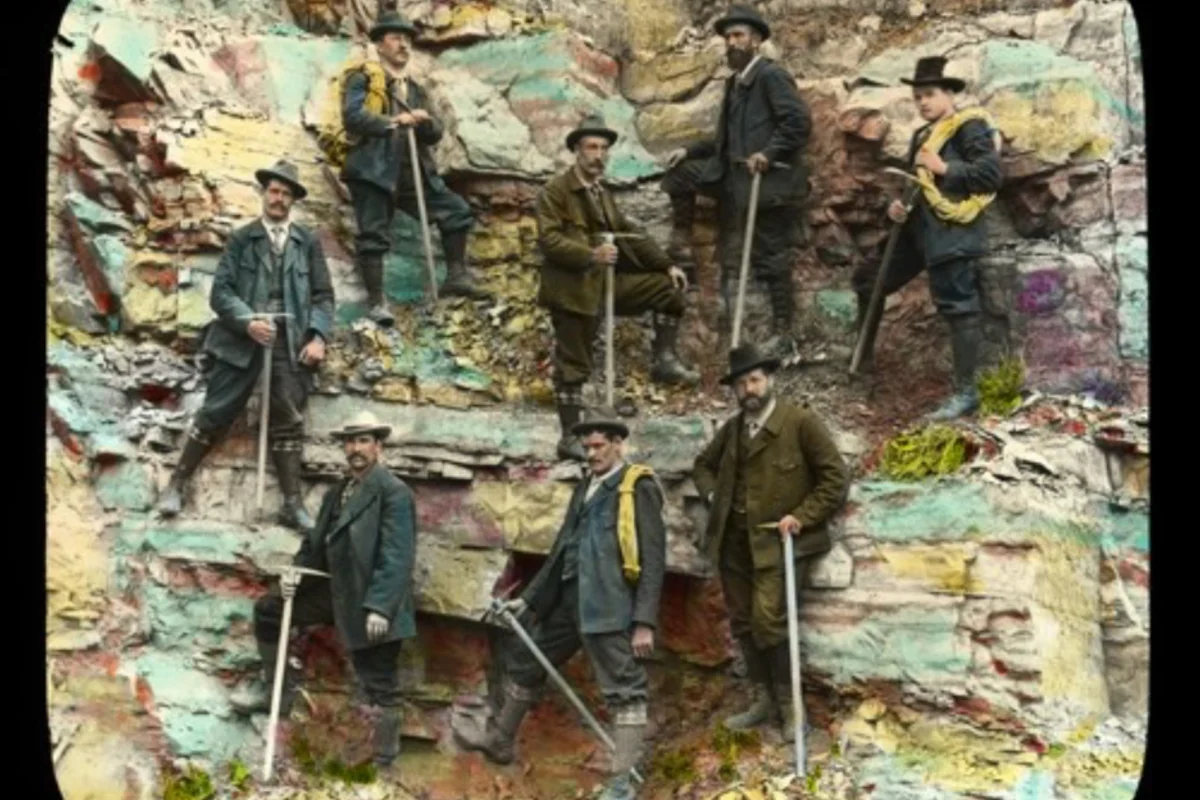
1924 Golden Age of Swiss Mountain Guiding in the Canadian Rockies by Edward Feuz Jr.
Throughout the 1920s, Edward Feuz Junior led the celebrated Canadian Pacific Railway Swiss guides in establishing over one hundred first ascents across the Rockies and Selkirks with an unprecedented flawless safety record.
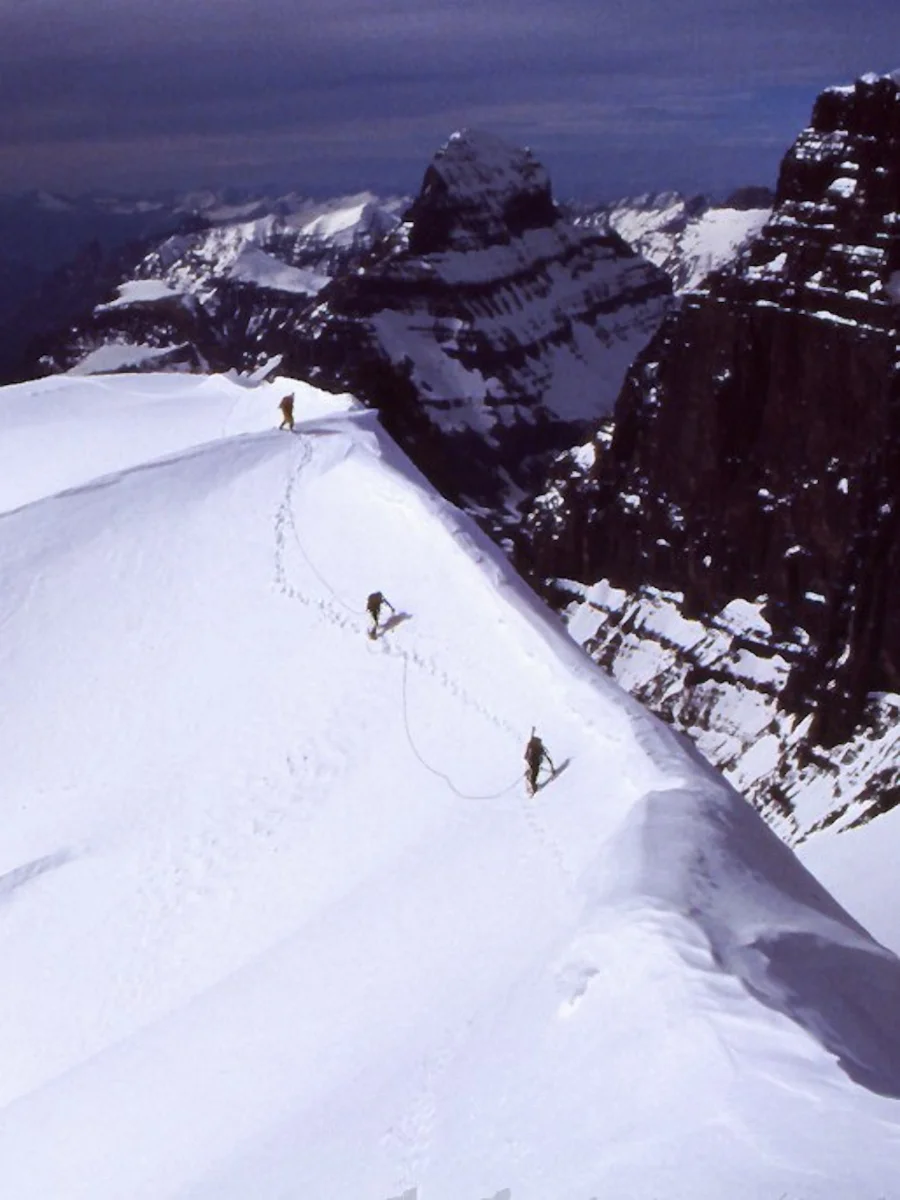
1925 Japanese Alpine Club Historic First Ascent of Mount Alberta
On July 21, 1925, an elite Japanese Alpine Club expedition led by Aritsune Maki, alongside Swiss guides Heinrich Fuhrer and Hans Kohler, conquered the forbidding, sheer limestone fortress of Mount Alberta (3,619 m) in the Canadian Rockies, famously leaving an inscribed silver ice axe on the summit.
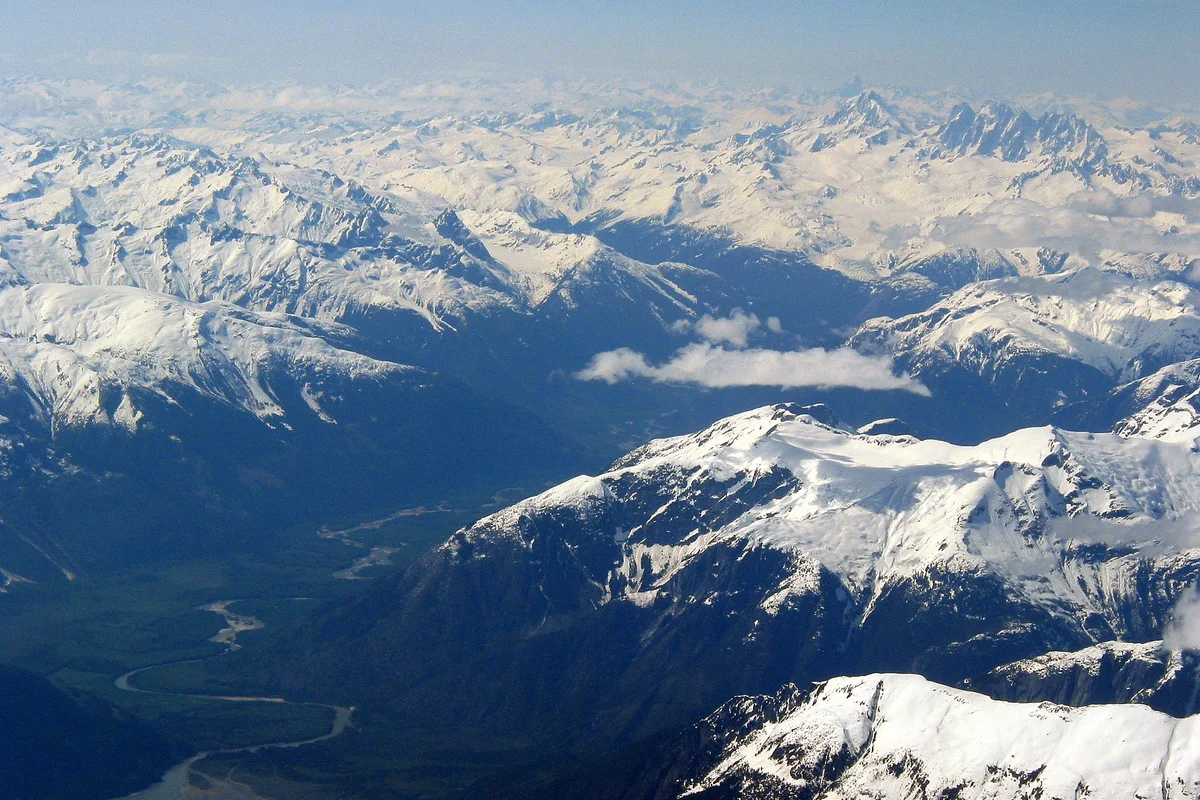
1934 First Ascent of Mount Waddington Northwest Peak by Don and Phyllis Munday
On July 7, 1934, Canadian pioneers Don and Phyllis Munday completed their tenth expedition into the Coast Mountains by achieving the historic first ascent of Mount Waddington's 4,000-metre Northwest Summit via the Bravo Glacier.
Pioneer Mountaineers of Canada
Biographical chronicles of legendary high-altitude alpinists hailing from Canada.
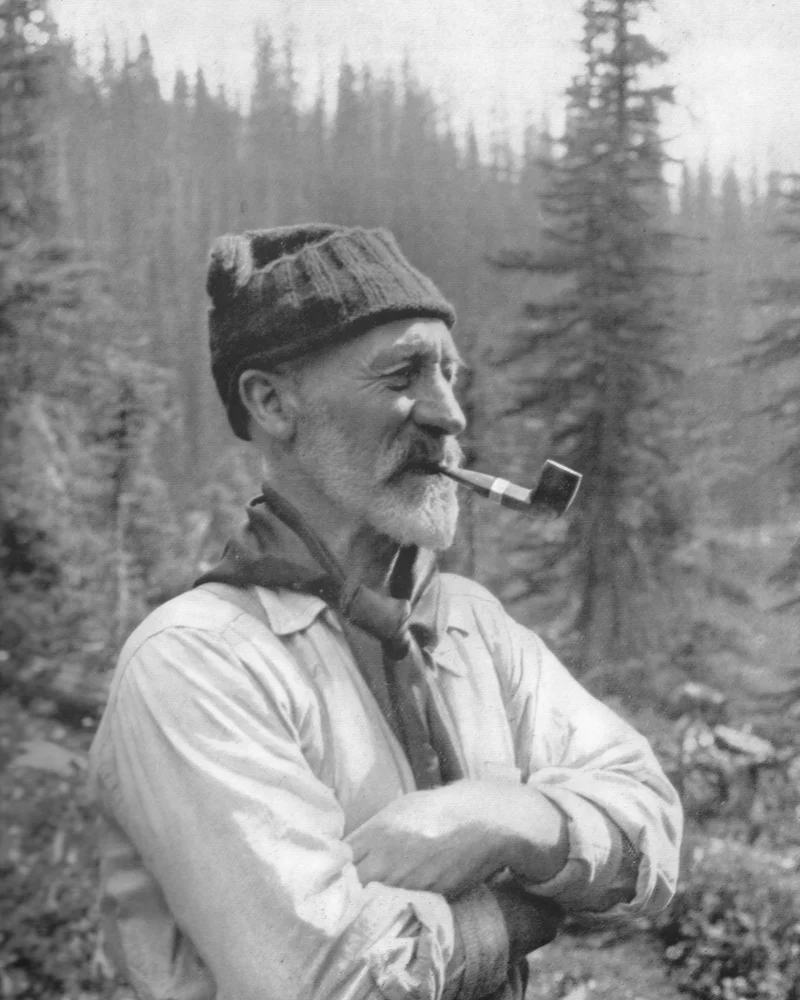
Arthur Oliver Wheeler
Born on May 1, 1860, in Kilkenny, Ireland, Arthur Oliver Wheeler emigrated to Canada in 1876 at age sixteen, qualifying as a Dominion Land Surveyor. Working for the Department of the Interior, Wheeler was assigned to map the rugged, unchartered mountain chains opened by the construction of the Canadian Pacific Railway. Utilizing groundbreaking photo-theodolite surveying techniques developed by Édouard Deville, Wheeler spent decades climbing hundreds of remote peaks to establish trigonometric survey stations across the Selkirks, the Purcell Mountains, and the Continental Divide. Recognizing that Canada needed a national alpine organization equivalent to the British Alpine Club, Wheeler joined forces with journalist Elizabeth Parker in 1906 to establish the Alpine Club of Canada (ACC) in Winnipeg, serving as its founding president from 1906 to 1910. Wheeler personally recruited master Austrian guide Conrad Kain in 1909 to serve as the club's chief guide, laying the foundation for modern Canadian alpine technique. From 1913 to 1925, Wheeler served as Canadian Commissioner on the monumental Interprovincial Boundary Survey, mapping the jagged divide between Alberta and British Columbia. He authored the landmark two-volume monograph The Selkirk Range and co-authored The Selkirk Mountains: A Guide for Mountain Climbers and Pilgrims. Wheeler passed away in Banff, Alberta, in March 1945, revered as the patron architect of Canadian alpine institutions and wilderness preservation.
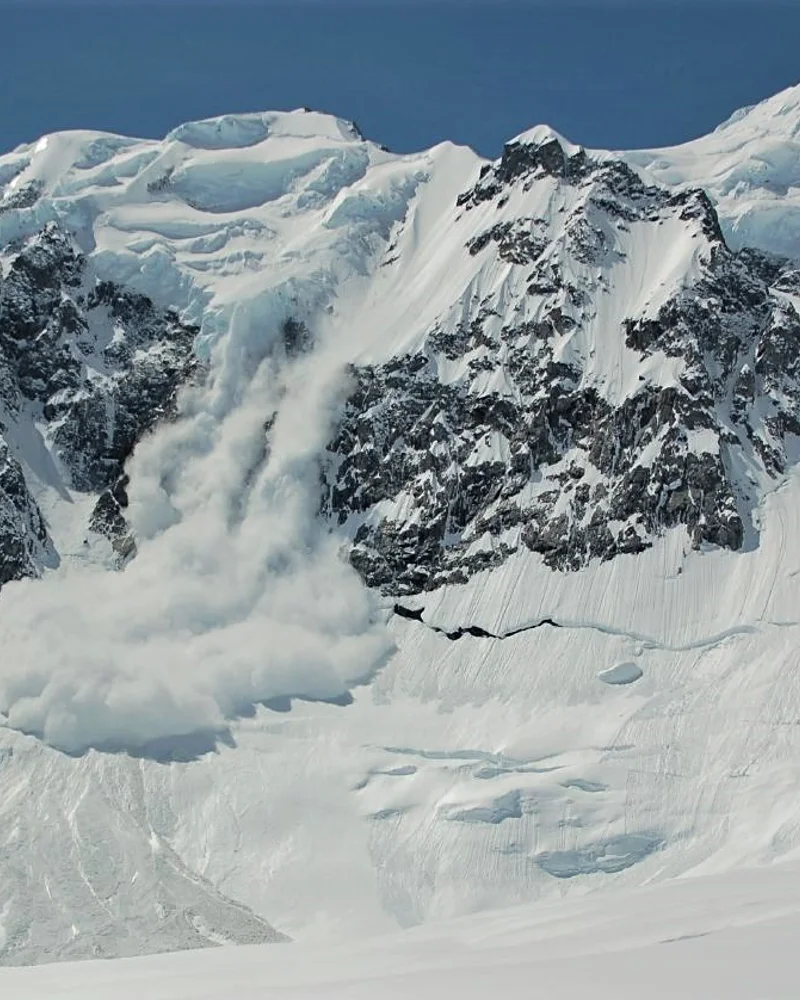
Don Munday
Born on March 16, 1890, in London, Ontario, Don Munday was raised in southwestern Manitoba and Vancouver, developing an early passion for wild, untracked mountains. Volunteering for military service during World War I, Munday served with the 47th Battalion of the Canadian Expeditionary Force in France. At the Battle of the Somme in 1916, he was shot in the chest and arm by German machine-gun fire and buried alive in an artillery crater. Told by military doctors that his damaged lungs and shrapnel-riddled body would leave him an invalid, Munday resolved to rehabilitate himself in the high alpine air of British Columbia. In 1920, he married Phyllis James, initiating a historic partnership that revolutionized Canadian exploratory cartography. In 1925, sighting a gargantuan, unmapped cloud-cloaked massif from Vancouver Island, Munday became obsessed with proving that a mountain exceeding 13,000 feet existed within the Coast Range, directly defying official government surveys that placed the range's ceiling at 10,000 feet. For over ten seasons, Don and Phyllis navigated treacherous coastal fiords in open boats, chopped through dense coastal salal brush, and explored the thirty-mile-long Franklin and Tiedemann glaciers. On July 7, 1934, they made the historic first ascent of Mount Waddington's northwest snow summit at 4,000 metres. Munday documented this monumental saga in his 1948 literary classic The Unknown Mountain. Munday passed away in Vancouver in June 1950, revered as one of Canada's most courageous and visionary mountain explorers.
Marc-André Leclerc
Marc-André Leclerc was born on October 10, 1992, in Nanaimo on Vancouver Island, British Columbia, Canada. Introduced to climbing in a local gym at age eight, Leclerc moved as a teenager to Squamish, where he lived out of a tent and dedicated every waking hour to granite cracks, friction slabs, and winter ice. Blessed with extraordinary natural rhythm, encyclopedic mountain intuition, and a quiet, humble demeanor, Leclerc pursued alpinism not for sponsorship or social media recognition, but out of an intimate, spiritual connection with wild mountain terrain. Leclerc stunned the climbing community with bold free solos of extreme testpieces in the Canadian Cascades and Rockies. He free soloed the Grand Wall on the Stawamus Chief (5.11a), the East Buttress of Mount Slesse in winter, and made a historic solo ascent of the immense 2,500-meter Emperor Face on Mount Robson (Infinite Patience) in a single day. Moving with effortless speed over thin verglas and fragile snow mushrooms, Leclerc made the dangerous look natural. In Patagonia, Leclerc executed climbs that veteran mountaineers considered nearly superhuman. In 2015, he made the first solo ascent of the Corkscrew route on Cerro Torre, climbing the upper headwall in pure style. On September 17, 2016, during the depths of the austral winter, Leclerc climbed the vertical granite and hanging rime of Torre Egger completely alone, achieving the historic first solo winter ascent of the peak. On March 5, 2018, after completing a brilliant new route on the North Face of the Main Tower of the Mendenhall Towers in Alaska with Ryan Johnson, both climbers tragically perished during their descent in a sudden blizzard. Marc-André Leclerc was twenty-five years old, remembered forever as one of the purest climbing spirits the world has ever known.
Phyllis Munday
Born on September 24, 1894, in Ceylon (now Sri Lanka) as Phyllis James, she moved with her family to Vancouver, British Columbia, in 1901. Blessed with boundless energy, supreme stamina, and an intrepid love of the wilderness, she became one of the earliest female members of the British Columbia Mountaineering Club. In 1912, she completed the first ascent of Mount Crown near Vancouver. In 1920, she married wounded World War I veteran and fellow mountaineer Don Munday, forging a fifty-year partnership that defined Canadian exploratory mountaineering. In 1925, while climbing Mount Arrowsmith on Vancouver Island, Phyllis and Don spotted a colossal, unknown snow and rock spire towering over the mainland horizon. Intrigued by this Mystery Mountain, the couple spent the next decade mounting eleven grueling expeditions into the dense, trackless coastal rainforests, untamed grizzly country, and colossal tidewater glaciers of the Coast Mountains. Hauling sixty-pound packs, navigating glaciers in skirted climbing gear, and establishing bush camps for months, Phyllis proved equal to any male mountaineer of her era. On July 7, 1934, she and Don achieved the historic first ascent of Mount Waddington's northwest snow summit at 4,000 metres. Beyond climbing, Phyllis served as a pioneering St. John Ambulance instructor and devoted over sixty years to the Girl Guides of Canada. She was appointed a Member of the Order of Canada in 1973, recognized universally as one of the greatest outdoor pioneers in North American history.
Archival Primary Source Quotations
“Great things are done when men and mountains meet; this is not done by jostling in the street.”
Defined Alpine Terminology & Concepts
- Archival Integrity
- The standard of verifying historical mountain facts, summit claims, and altitudes using primary expeditions journals and geodetic measurements.
Frequently Asked Questions: Canada Mountaineering
What historical significance does this countrie hold?
Canada represents an essential chapter in global mountaineering heritage, verified through contemporary expedition journals and archival sources.
How are the facts and records for Canada verified?
All records are checked against peer-reviewed journals, national alpine clubs, geodetic surveys, and the Mountanity Archival Integrity Policy.