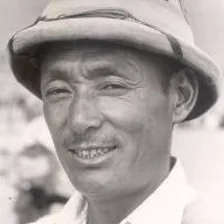
Pasang Dawa Lama
Pasang Dawa Lama was a legendary Nepalese Sherpa climber and Sirdar who made the historic first ascent of Cho Oyu (8,188m) on October 19, 1954, alongside Herbert Tichy and Sepp Jöchler. Celebrated for reaching 8,370m on K2 in 1939 with Fritz Wiessner, he was one of the greatest Himalayan mountaineers in history.
Mountain Safety & Conditions Disclaimer: High-altitude climbing, glacial travel, and technical ascents entail severe objective risks including avalanches, serac collapses, rapid weather collapse, and altitude illness. Historical route descriptions and summit claims on Mountanity reflect documented archival sources and must not be used as live operational safety assessments. Local regulations, permits, and physical glacial topography change continuously.
Peer Review: Senior Editorial Board & Historical Reviewers • Editorial Standards
Biographical Record & Archival Chronicle
Pasang Dawa Lama was born in 1912 in the high Khumbu region of eastern Nepal. Like many young Sherpas of his generation, he relocated to Darjeeling, India, the historic staging ground for British Himalayan exploration, where he was initiated as a Buddhist lama and began working as a high-altitude porter and guide. Endowed with extraordinary physical stamina, calm tactical judgment, and deep spiritual reverence for the sacred mountains, Pasang quickly established himself as an elite high-altitude climber.
In 1939, Pasang Dawa Lama achieved international fame on the American Karakoram Expedition to K2 led by Fritz Wiessner. Climbing without supplemental oxygen in heavy woolens and primitive nailed boots, Pasang partnered with Wiessner on a brilliant summit assault via the Abruzzi Spur. Overcoming extreme technical rock pitches, the pair climbed to 8,370 meters (27,460 ft)—just 240 meters below the virgin summit—before turning back due to falling darkness. Their 8,370-meter mark stood as the highest point reached on K2 for fifteen years until the 1954 Italian ascent.
In autumn 1954, Austrian explorer Dr. Herbert Tichy appointed Pasang Dawa Lama as Sirdar and equal climbing partner for the three-man Austrian expedition to Cho Oyu (8,188m). When an intense hurricane crippled their high camp at 7,000 meters and frostbite struck Tichy's hands, food supplies ran dangerously low. Demonstrating astonishing endurance, Pasang descended all the way to Namche Bazaar and returned with fresh porters, food, and supplies in an unbelievable three days—a round-trip journey that normally required ten days. Reinvigorated, the three climbers launched their summit bid without supplemental oxygen.
On October 19, 1954, Pasang Dawa Lama, Herbert Tichy, and Sepp Jöchler reached the broad 8,188-meter summit of Cho Oyu, marking the first time an 8,000-meter giant had been conquered during the autumn season. Four years later, on May 15, 1958, Pasang proved his mastery once again by summiting Cho Oyu a second time alongside Sonam Gyatso on the Indian Cho Oyu Expedition led by Keki Bunshah. Pasang also led pioneering attempts on Dhaulagiri I (1953, 1958, 1959) and served as mentor to generations of Sherpa mountaineers. He passed away in September 1982 in Darjeeling, forever celebrated as a foundational titan of Himalayan climbing.
Notable Milestones & Ascents
- Historic first ascent of Cho Oyu (8,188m) on October 19, 1954, alongside Herbert Tichy and Sepp Jöchler without bottled oxygen
- Summited Cho Oyu a second time on May 15, 1958, becoming the first person to summit Cho Oyu twice
- Reached 8,370 meters on K2 without supplemental oxygen with Fritz Wiessner in 1939, a world altitude record that stood for 15 years
- Completed legendary 3-day round trip between Cho Oyu Base Camp and Namche Bazaar to rescue the 1954 expedition
- Served as Sirdar on pioneering attempts of Dhaulagiri I in 1953, 1958, and 1959
- Awarded the prestigious Tiger Badge of the Himalayan Club for high-altitude valor
- Revered as one of the 'Great Three' early Sherpa titans alongside Tenzing Norgay and Ang Tharkay
Key Statistics & Topographic Figures
- Cho Oyu Summits
- 2 Historic Ascents (1954 & 1958)
First Dual Summiter
- K2 Record Elevation
- 8,370m (1939 with Wiessner)
Record Stood for 15 Years
- Rescue Sprint
- 3-Day Round Trip to Namche
Superhuman Himalayan Endurance
- High Altitude Honor
- Tiger Badge (Himalayan Club)
Elite Sherpa Roster
Archival Primary Source Quotations
“Pasang was not just a sirdar; he was the beating heart of our expedition. Without his iron spirit and three-day sprint, we would have failed.”
Defined Alpine Terminology & Concepts
- Sirdar
- The head guide and logistical leader of the Sherpa high-altitude climbing team on Himalayan expeditions.
- Tiger Badge
- A prestigious distinction created by the Himalayan Club in 1938 to honor elite Sherpas who displayed exceptional gallantry above 7,000m.
Frequently Asked Questions: Pasang Dawa Lama
Who was Pasang Dawa Lama?
Pasang Dawa Lama was a legendary Nepalese Sherpa climber, Buddhist lama, and Sirdar who made the first ascent of Cho Oyu (8,188m) on October 19, 1954, alongside Herbert Tichy and Sepp Jöchler.
How many times did Pasang Dawa Lama summit Cho Oyu?
Pasang Dawa Lama summited Cho Oyu twice: first on October 19, 1954, and again on May 15, 1958, with the Indian expedition, becoming the first person in history to climb Cho Oyu twice.
What high-altitude record did Pasang Dawa Lama set on K2 in 1939?
Climbing with Fritz Wiessner on the 1939 American K2 expedition without supplemental oxygen, Pasang reached 8,370 meters on the Abruzzi Spur—a world altitude record on K2 that stood unbroken for 15 years.
How did Pasang Dawa Lama save the 1954 Cho Oyu expedition?
After a hurricane ruined high camps and frostbite struck Tichy, Pasang completed an astonishing 3-day round trip from Cho Oyu over the Nangpa La to Namche Bazaar and back, delivering food and porters to rescue the climb.
Associated Summits (2)
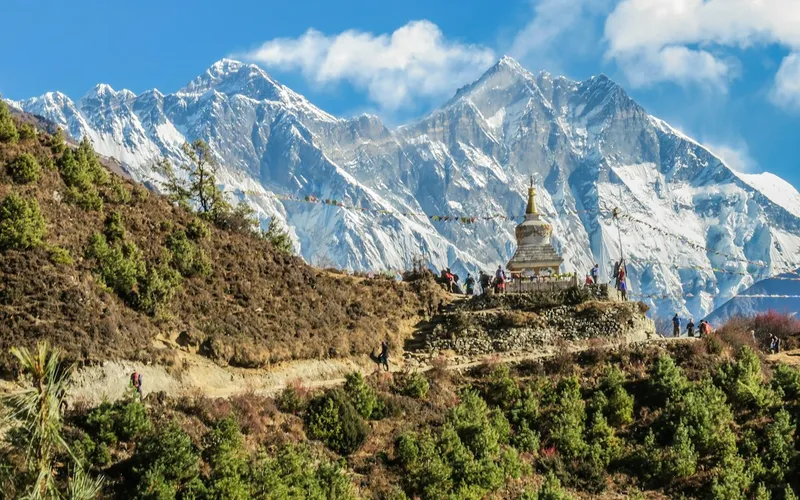


K2
K2, at 8,611 meters (28,251 ft), is the second-highest mountain on Earth and widely regarded as the most technically demanding and lethal 8,000-meter peak. Located in the heart of the Karakoram on the border between Pakistan and China, K2 is characterized by sheer relief, severe weather anomalies, and persistent objective hazards including the notorious Bottleneck couloir.
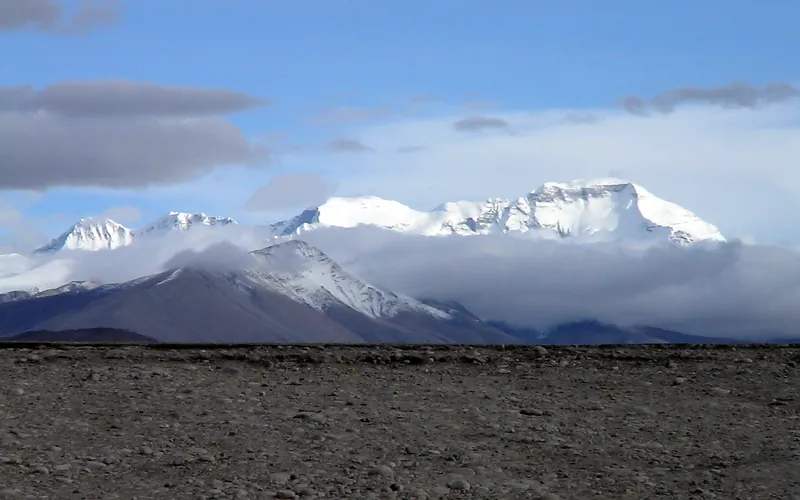

Cho Oyu
Cho Oyu, at 8,188 meters (26,864 ft), is the sixth-highest mountain in the world, situated 20 km west of Mount Everest. Meaning 'Turquoise Goddess' in Tibetan, it stands on the glaciated Nangpa La trade route between Nepal and Tibet. Its moderate northwest slopes make it the most accessible 8,000-meter peak.
Pioneered & Associated Routes (4)
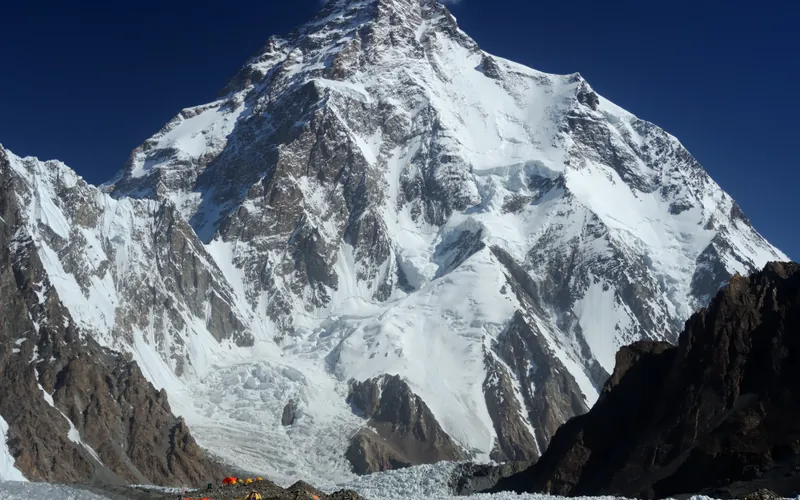
Abruzzi Spur (Southeast Ridge)
The Abruzzi Spur is the most famous and frequently climbed route on K2, tracing the mountain's steep southeast ridge from the Godwin-Austen Glacier to the summit. First explored in 1909 by Prince Luigi Amedeo, Duke of the Abruzzi, it was successfully climbed to the summit in 1954 by an Italian team. The route requires extreme physical endurance and high-grade technical climbing on rock, ice, and mixed terrain through legendary cruxes like House's Chimney, the Black Pyramid, and the Bottleneck couloir.
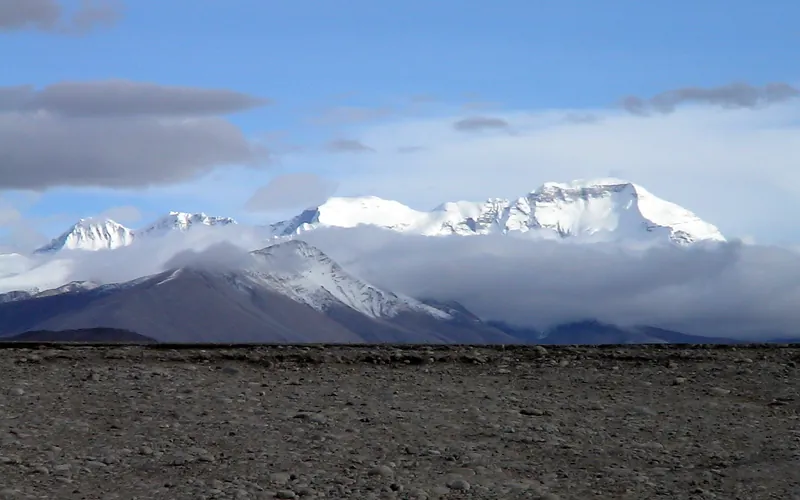
Cho Oyu Northwest Face & Ridge (Normal Route)
The Northwest Ridge is the standard and most climbed route on Cho Oyu, approached from the Tibetan plateau via the Gyabrag Glacier. First climbed in 1954 by an Austrian expedition, the route features relatively moderate snow slopes of 30 to 40 degrees, punctuated by a single prominent technical crux known as the Ice Cliff at 6,700m. Above Camp 3, climbers cross the Yellow Band and emerge onto a vast, gently rising summit plateau.
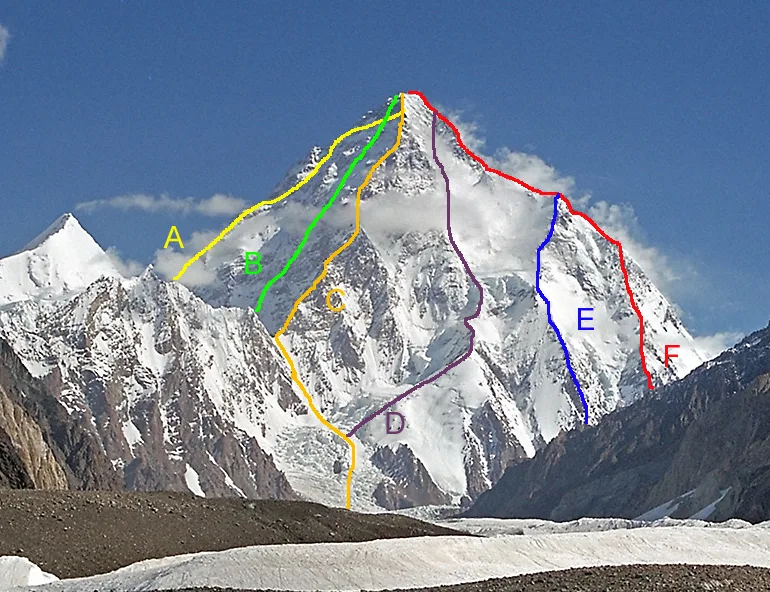
K2 South Face (The Polish Line)
The Polish Line on the South Face of K2 (8,611m) is widely regarded as one of the most perilous and audacious routes ever climbed in high-altitude mountaineering history. Tackling the direct 3,200-meter wall between the Abruzzi Spur and the Magic Line (South-Southwest Pillar), the route ascends through a chaotic labyrinth of hanging seracs, avalanche funnels, and vertical rock bands. Pioneered in alpine style over five harrowing days in July 1986 by Jerzy Kukuczka and Tadeusz Piotrowski without supplemental oxygen, Reinhold Messner famously dubbed it 'suicidal'. Kukuczka and Piotrowski reached the summit on July 8, but tragedy struck during their desperate descent via the Abruzzi Spur when Piotrowski lost both crampons and plunged to his death. To this day, the Polish Line remains unrepeated.
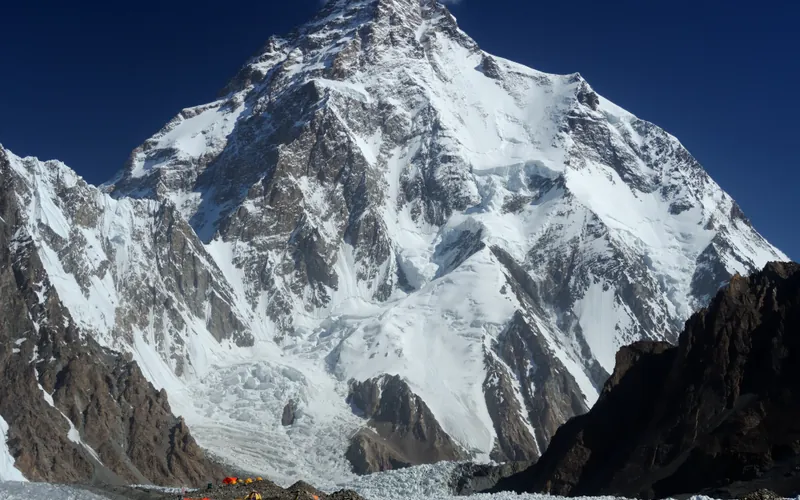
West Ridge (Japanese Route)
The West Ridge of K2 is one of the most formidable and sustained technical lines in high-altitude mountaineering. Pioneered in August 1981 by a joint Japanese-Pakistani expedition, it ascends directly from the Savoia Glacier along the exposed western crest before negotiating the severe Southwest Face directly into the Death Zone. Demanding immense commitment, it was first completed by Pakistani mountaineer Nazir Sabir and Japanese climber Eiho Ohtani after an epic bivouac near 8,500 meters.
Documented Expeditions (1)
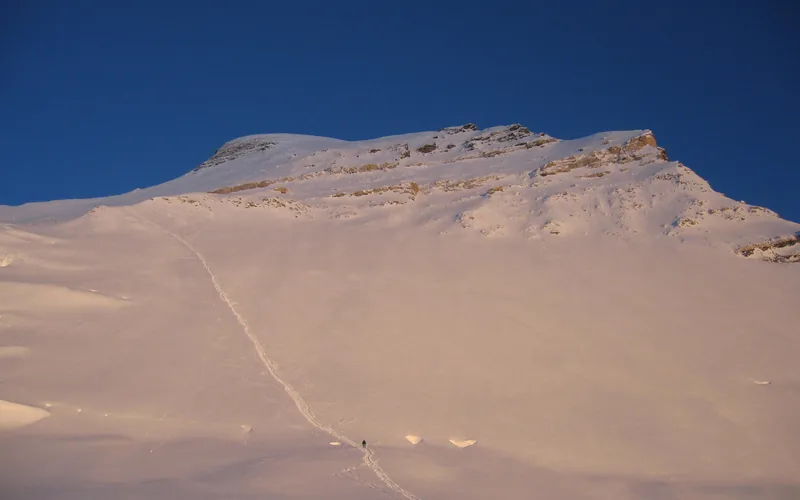
1954 Austrian Cho Oyu Expedition
Organized on a modest private budget by Austrian geologist Herbert Tichy, this landmark small-team expedition made the first ascent of Cho Oyu (8,188m) on October 19, 1954, without supplemental oxygen, pioneering lightweight post-monsoon Himalayan climbing.
Associated Chronicles & Stories (1)
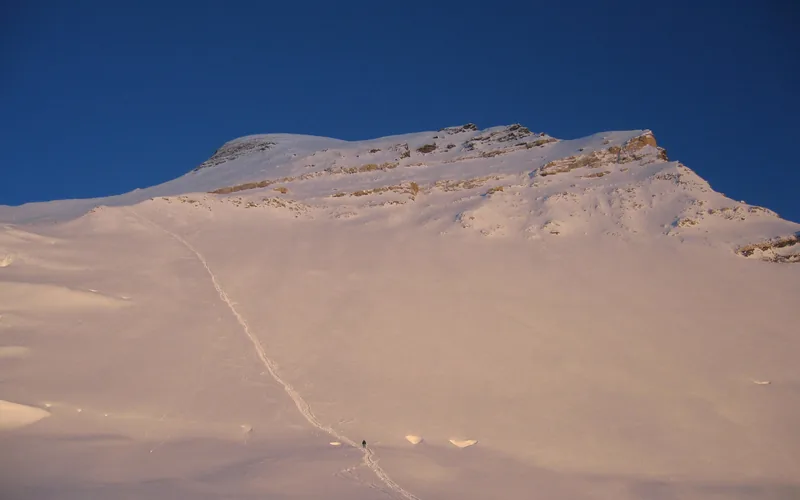
Cho Oyu 1954: The Lightweight Triumph of Tichy, Jöchler, and Pasang Dawa Lama
On October 19, 1954, a tiny three-man Austrian team conquered Cho Oyu (8,188m) without supplemental oxygen in autumn, proving 8,000-meter giants could be climbed in lightweight alpine style.
Documented Sources & Archival Citations
- Cho Oyu: By Favour of the Gods(Herbert Tichy / Methuen & Co)
Supporting claim: Detailed firsthand account of Pasang Dawa Lama's leadership, endurance, and 1954 summit climb
Accessed/Documented: 1957 - K2: The 1939 Expedition(Andrew J. Kauffman and William L. Putnam / Mountaineers Books)
Supporting claim: Documentation of Pasang Dawa Lama and Fritz Wiessner's historic 8,370m push on K2
Accessed/Documented: 1992 - The Himalayan Database: Cho Oyu Records (1954 & 1958)(Elizabeth Hawley Archive)
Supporting claim: Official verification of Pasang Dawa Lama's dual summits of Cho Oyu
Accessed/Documented: 2026