1894 Tom Fyfe, George Graham and Jack Clarke Historic First Ascent of Aoraki / Mount Cook
On Christmas Day, December 25, 1894, three amateur New Zealand climbers—Tom Fyfe, George Graham, and 19-year-old Jack Clarke—achieved the historic maiden first ascent of Aoraki / Mount Cook (3,724 m). Spurred by news that an English party with European guides was en route to claim the peak, the trio climbed without crampons up the unscaled North Ridge, cutting steps for hours to reach the summit and establish New Zealand's independent alpine tradition.
Mountain Safety & Conditions Disclaimer: High-altitude climbing, glacial travel, and technical ascents entail severe objective risks including avalanches, serac collapses, rapid weather collapse, and altitude illness. Historical route descriptions and summit claims on Mountanity reflect documented archival sources and must not be used as live operational safety assessments. Local regulations, permits, and physical glacial topography change continuously.
Peer Review: Senior Editorial Board & Historical Reviewers • Editorial Standards
Official Expedition Narrative & Archival Record
In late 1894, news reached New Zealand that wealthy English climber Edward FitzGerald was traveling south with renowned Swiss alpine guide Mattias Zurbriggen to claim the maiden first ascent of Aoraki / Mount Cook. Determined that New Zealand's highest summit should belong to native climbers, Timaru plumber Tom Fyfe formed an amateur partnership with local bushman George Graham and 19-year-old high-country youth Jack Clarke. Equipped with heavy nailed boots, homemade climbing rope, and heavy trade axes, the three men established a bivouac in the Hooker Valley on Christmas Eve. Commencing in darkness at 4:00 AM on Christmas Day, Fyfe chose a bold, unexplored line via the Green Saddle and the exposed North Ridge. Lacking modern crampons, Fyfe and Clarke took turns hacking hundreds of steps into wind-glazed ice slopes above dizzying drops into the Hooker Glacier. Bypassing shattered rock gendarmes, the party reached the High Peak at 1:30 PM on December 25, 1894. Standing upon the summit snows, they celebrated a monumental national triumph. They descended safely through gathering afternoon mists, returning to the Hermitage to universal acclaim, permanently etching their names into Pacific exploration history.
Documented Team Composition
- Tom Fyfe (Expedition Leader & Lead Climber, New Zealand)
- George Graham (Climber & High Country Bushman, New Zealand)
- Jack Clarke (Climber & Alpine Guide, New Zealand)
Key Statistics & Topographic Figures
- Official Elevation
- 3,724 metres (12,218 ft)
- Summit Date
- December 25, 1894
- Lead Climbers
- Tom Fyfe, George Graham, Jack Clarke
- Youngest Climber
- Jack Clarke (age 19)
- Route Type
- North Ridge Ice & Shattered Greywacke
Archival Primary Source Quotations
“We felt that if any men had a right to Mount Cook, it was the lads of South Canterbury. We could not allow a foreign party to walk away with our greatest prize without striking a blow.”
Defined Alpine Terminology & Concepts
- Greywacke
- A hard, dark, highly fractured sedimentary sandstone forming the steep shattered ridges of the Southern Alps.
- Step-Cutting
- The traditional alpine technique of hacking footholds and handholds into hard glacial ice using a heavy ice axe pick.
Frequently Asked Questions: 1894 Tom Fyfe, George Graham and Jack Clarke Historic First Ascent of Aoraki / Mount Cook
Who made the first ascent of Aoraki / Mount Cook in 1894?
New Zealand climbers Tom Fyfe, George Graham, and nineteen-year-old Jack Clarke achieved the maiden first ascent on Christmas Day, December 25, 1894.
Why was the 1894 ascent of Mount Cook a historic race?
The New Zealand trio launched their climb to ensure native climbers conquered New Zealand's highest peak before visiting English mountaineer Edward FitzGerald and Swiss guide Mattias Zurbriggen could claim it.
Which route did Tom Fyfe pioneer on Mount Cook in 1894?
Fyfe led the party from the Hooker Valley up the Green Saddle and along the uncharted North Ridge, cutting hundreds of ice steps without modern crampons.
Ascent Route & Topography
Grand Traverse of Aoraki / Mount Cook
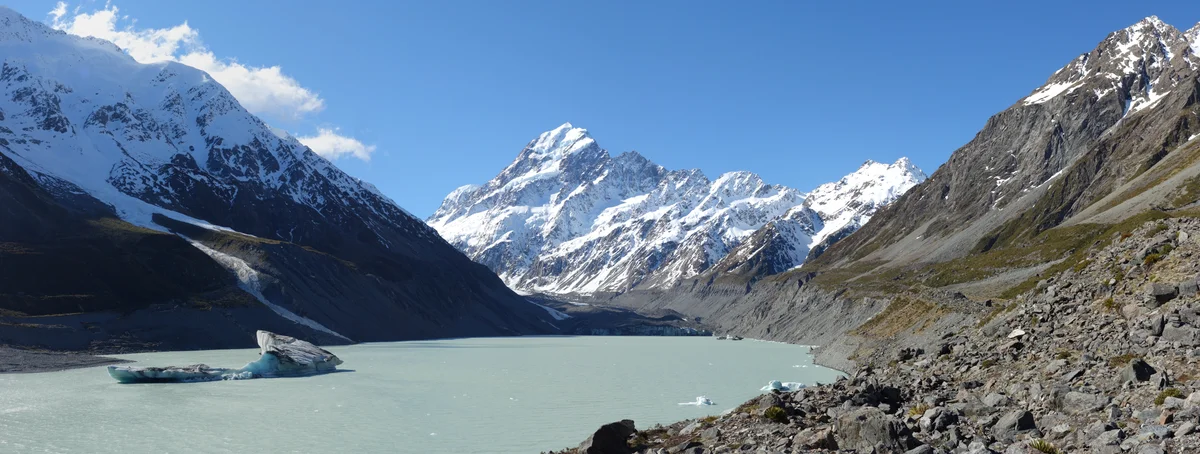
The Grand Traverse of Aoraki / Mount Cook is widely considered the supreme classic high alpine expedition in the Southern Alps. Spanning the entire triple-crowned crest of New Zealand's highest mountain—crossing the Low Peak (3,593 m), Middle Peak (3,717 m), and High Peak (3,724 m)—the route features kilometres of exposed corniced ice ridges, shattered greywacke pinnacles, and dizzying exposure above the Caroline Face and Linda Glacier. First completed on January 3, 1913, by Australian mountaineer Freda Du Faur with guides Peter Graham and David Thomson, it remains a benchmark test of high-altitude speed, crampon confidence, and ridge-walking balance.
Target Objective Peak
Aoraki / Mount Cook
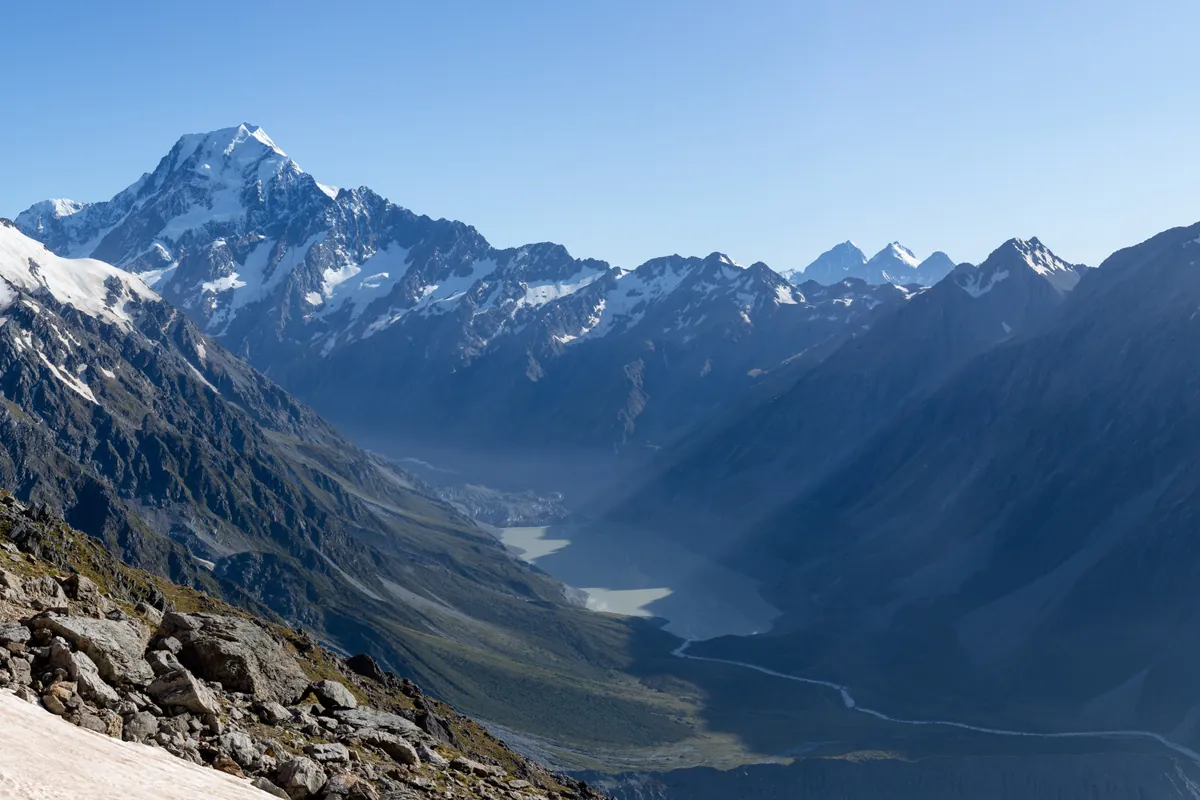
Aoraki / Mount Cook is the highest mountain in New Zealand at 3,724 meters (12,218 ft). Located in the Southern Alps, it is an ultra-prominent glaciated peak rising dramatically above the Tasman Glacier. It is sacred in Māori mythology as the ancestor Aoraki. The mountain is renowned as the formative training ground where Sir Edmund Hillary developed his high-altitude icecraft. On January 30, 1948, Hillary completed the historic first ascent of the technical South Ridge alongside Harry Ayres. Climbing Aoraki requires expert crampon technique, glacier navigation, and vigilance against severe maritime storms.
Featured Expedition Climbers
George Graham
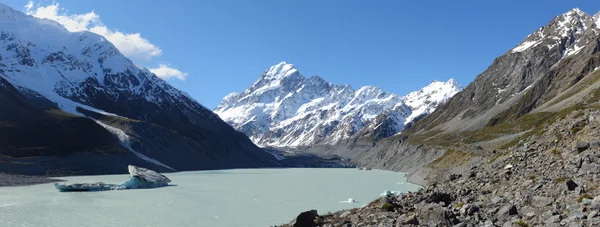
George Graham was born in 1867 in South Canterbury, New Zealand. Raised in the rugged high country, Graham developed extraordinary physical endurance and bushcraft traversing the dense temperate rainforests of the West Coast and the glacial riverbeds of Canterbury. In late 1894, when English climber Edward FitzGerald arrived with famed Swiss guide Mattias Zurbriggen to claim Mount Cook, Graham eagerly joined Tom Fyfe and teenage prodigy Jack Clarke in an audacious local counter-expedition. On Christmas Day 1894, Graham provided critical stability on the rope team as they negotiated the steep Hooker icefalls and the razor-sharp rock ridges leading to the summit of Aoraki / Mount Cook. Their success without modern equipment electrified the young colony. Following the Mount Cook conquest, Graham participated in early exploratory expeditions across the main divide of the Southern Alps, mapping passes between the West Coast glaciers and the eastern plains. He passed away in 1933, celebrated as an authentic high-country pioneer.
Jack Clarke
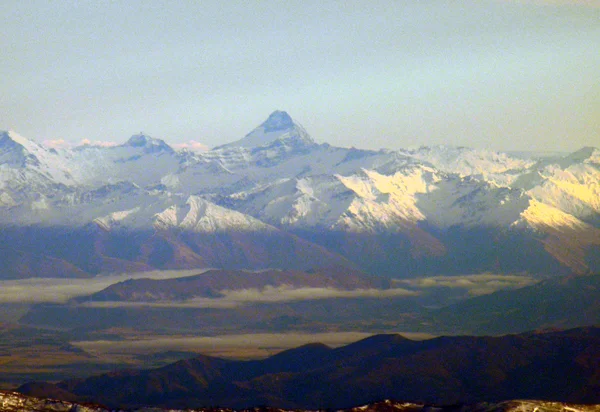
John Michael Clarke was born on June 13, 1875, in Hokitika on the rugged West Coast of New Zealand's South Island. Immersed in the wilderness from childhood, Clarke demonstrated phenomenal natural balance, mountain sense, and endurance. At age nineteen, he was recruited by Tom Fyfe to join the three-man party attempting Aoraki / Mount Cook. On December 25, 1894, Clarke stood on the summit alongside Fyfe and George Graham, becoming the youngest person to conquer the peak. Clarke subsequently embarked on a legendary professional career as an alpine guide based at the Hermitage. Renowned for his calm temperament and peerless step-cutting speed, Clarke guided countless pioneering traverses across the Southern Alps. In November 1909, Clarke led English climber Bernard Head and guide Alec Graham on the first ascent of Mount Aspiring / Tititea (3,033 m), the 'Matterhorn of the South', expertly solving the crevassed labyrinth of the Bonar Glacier and hacking steps up The Ramp to the summit horn. Clarke served the New Zealand Government Tourist Department for decades, mentoring younger guides and surveying alpine passes. He passed away on December 28, 1952, leaving a legacy of major first ascents that shaped New Zealand mountaineering.
Tom Fyfe
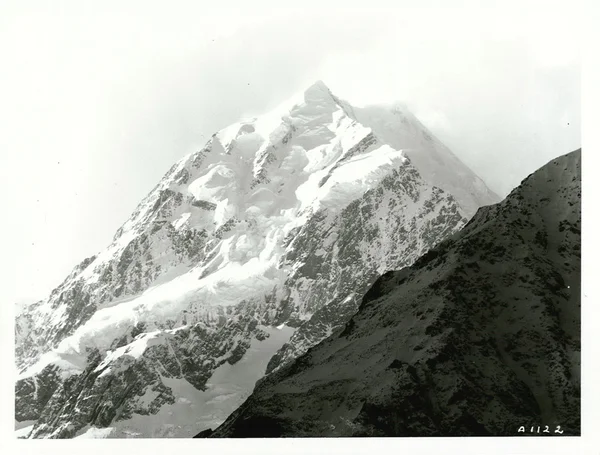
Thomas Camden Fyfe was born on June 23, 1870, in Timaru, South Canterbury, New Zealand. Apprenticed as a plumber, Fyfe developed a fierce passion for the glaciated wilderness of the Southern Alps. During the 1890s, foreign alpine visitors—most notably English climber Edward FitzGerald and Swiss guide Mattias Zurbriggen—arrived in New Zealand with the explicit objective of claiming the maiden first ascent of Aoraki / Mount Cook (3,724 m). Determined that New Zealand's highest peak should be conquered by New Zealanders, Fyfe assembled an amateur expedition consisting of local bushman George Graham and 19-year-old Jack Clarke. On December 24, 1894, the trio bivouacked in the Hooker Valley. Commencing their assault early on Christmas Day, Fyfe guided the rope line up the unclimbed Green Saddle and the exposed North Ridge. Without modern crampons, they cut hundreds of steps with heavy ice axes up precarious ice slopes and scrambled across shattered greywacke arêtes. At 1:30 PM on December 25, 1894, Fyfe, Graham, and Clarke stood upon the crowning summit of Mount Cook, completing one of the most audacious amateur triumphs in global mountaineering history just weeks before FitzGerald's well-funded party reached the region. Fyfe went on to pioneer numerous first ascents in the Mount Cook range, including Mount Malte Brun and Mount Sealy. He served as the first resident chief guide at the Hermitage Hotel, establishing the foundations of professional alpine guiding in New Zealand. He passed away on December 12, 1947, remembered as the founding father of New Zealand alpine climbing.
Associated Historical Chronicles & Stories
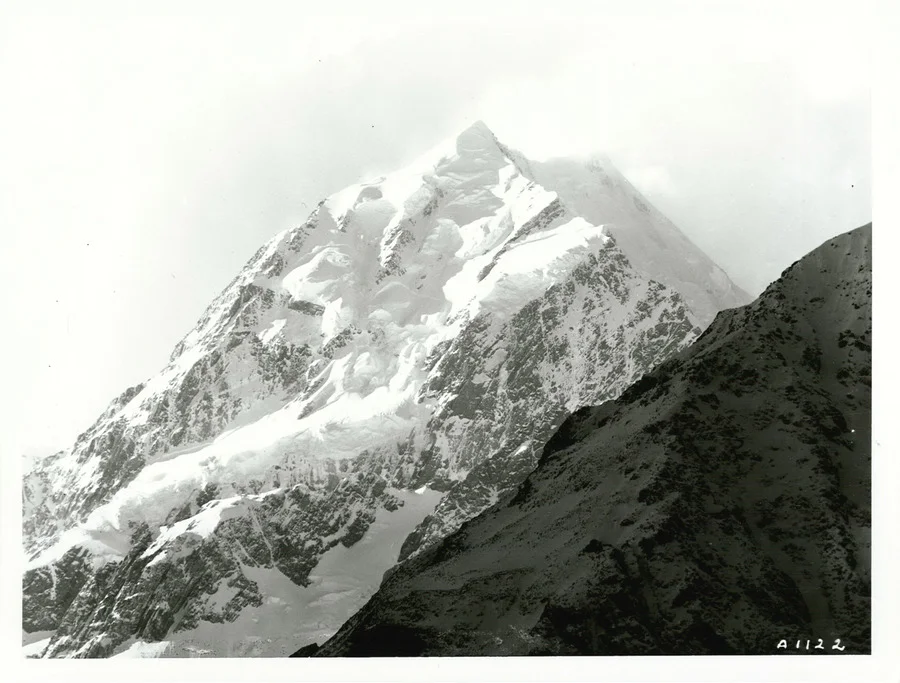
Christmas on the Cloud Piercer: The 1894 First Ascent of Mount Cook
The race against European aristocrats to claim New Zealand's greatest glaciated crown on Christmas Day 1894.
Documented Sources & Archival Citations
- The High Peaks of New Zealand(New Zealand Alpine Club)
Supporting claim: Official expedition chronicle and archival survey of the 1894 ascent
Accessed/Documented: 2026 - Mr Fyfe's Ascent of Mount Cook(Otago Witness / National Library of New Zealand)
Supporting claim: Primary newspaper documentation of the Christmas Day 1894 climb
Accessed/Documented: 1895