Jack Clarke
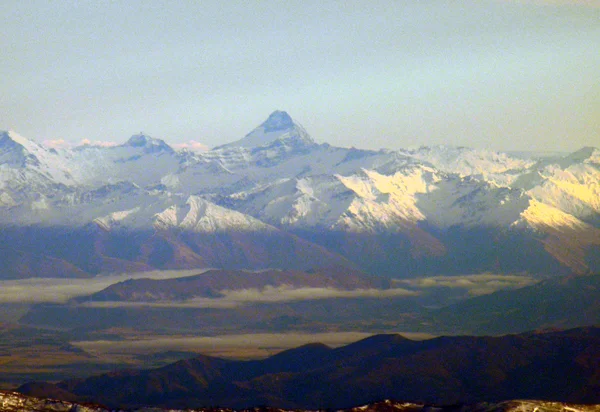
John Michael 'Jack' Clarke was one of New Zealand's greatest pioneer mountaineers and professional alpine guides. At just nineteen years old, Clarke stood on the summit of Aoraki / Mount Cook during its historic 1894 maiden first ascent, and fifteen years later led the 1909 first ascent of Mount Aspiring / Tititea, cementing his status as a giant of Southern Alps exploration.
Mountain Safety & Conditions Disclaimer: High-altitude climbing, glacial travel, and technical ascents entail severe objective risks including avalanches, serac collapses, rapid weather collapse, and altitude illness. Historical route descriptions and summit claims on Mountanity reflect documented archival sources and must not be used as live operational safety assessments. Local regulations, permits, and physical glacial topography change continuously.
Peer Review: Senior Editorial Board & Historical Reviewers • Editorial Standards
Biographical Record & Archival Chronicle
John Michael Clarke was born on June 13, 1875, in Hokitika on the rugged West Coast of New Zealand's South Island. Immersed in the wilderness from childhood, Clarke demonstrated phenomenal natural balance, mountain sense, and endurance. At age nineteen, he was recruited by Tom Fyfe to join the three-man party attempting Aoraki / Mount Cook. On December 25, 1894, Clarke stood on the summit alongside Fyfe and George Graham, becoming the youngest person to conquer the peak.
Clarke subsequently embarked on a legendary professional career as an alpine guide based at the Hermitage. Renowned for his calm temperament and peerless step-cutting speed, Clarke guided countless pioneering traverses across the Southern Alps. In November 1909, Clarke led English climber Bernard Head and guide Alec Graham on the first ascent of Mount Aspiring / Tititea (3,033 m), the 'Matterhorn of the South', expertly solving the crevassed labyrinth of the Bonar Glacier and hacking steps up The Ramp to the summit horn.
Clarke served the New Zealand Government Tourist Department for decades, mentoring younger guides and surveying alpine passes. He passed away on December 28, 1952, leaving a legacy of major first ascents that shaped New Zealand mountaineering.
Notable Milestones & Ascents
- Maiden first ascent of Aoraki / Mount Cook (3,724 m) at age 19 on Christmas Day 1894
- Maiden first ascent of Mount Aspiring (3,033 m) via the Southwest Ridge on November 23, 1909
- Pioneered dozens of new routes and glacier passes across the Southern Alps over three decades
- Mentored the foundational generation of professional New Zealand alpine guides
Key Statistics & Topographic Figures
- Birth / Death
- 1875–1952
- Nationality
- New Zealand
- Mount Cook First Ascent
- 1894 (at age 19)
- Mount Aspiring First Ascent
- 1909 (Lead Guide)
- Career
- Senior Guide, New Zealand Tourist Department
Archival Primary Source Quotations
“The ice is a strict master. You cut your steps true, or you do not come down.”
Defined Alpine Terminology & Concepts
- Lead Guide
- The senior professional mountaineer responsible for route selection, glacier navigation, and party safety on an alpine expedition.
- Schist Arête
- A knife-edge ridge of metamorphic schist rock that requires careful hand-testing due to frost weathering.
Frequently Asked Questions: Jack Clarke
Who was Jack Clarke?
John Michael 'Jack' Clarke was a celebrated New Zealand mountain guide who co-conquered Mount Cook at age 19 in 1894 and led the first ascent of Mount Aspiring in 1909.
Why was Jack Clarke famous among New Zealand guides?
Clarke was renowned for his extraordinary step-cutting speed on steep ice and his calm temperament under severe maritime storms.
What major peaks did Jack Clarke first ascend?
Clarke achieved the first ascents of Aoraki / Mount Cook (1894) and Mount Aspiring / Tititea (1909), along with numerous peaks across the Southern Alps.
Associated Summits (2)

Aoraki / Mount Cook
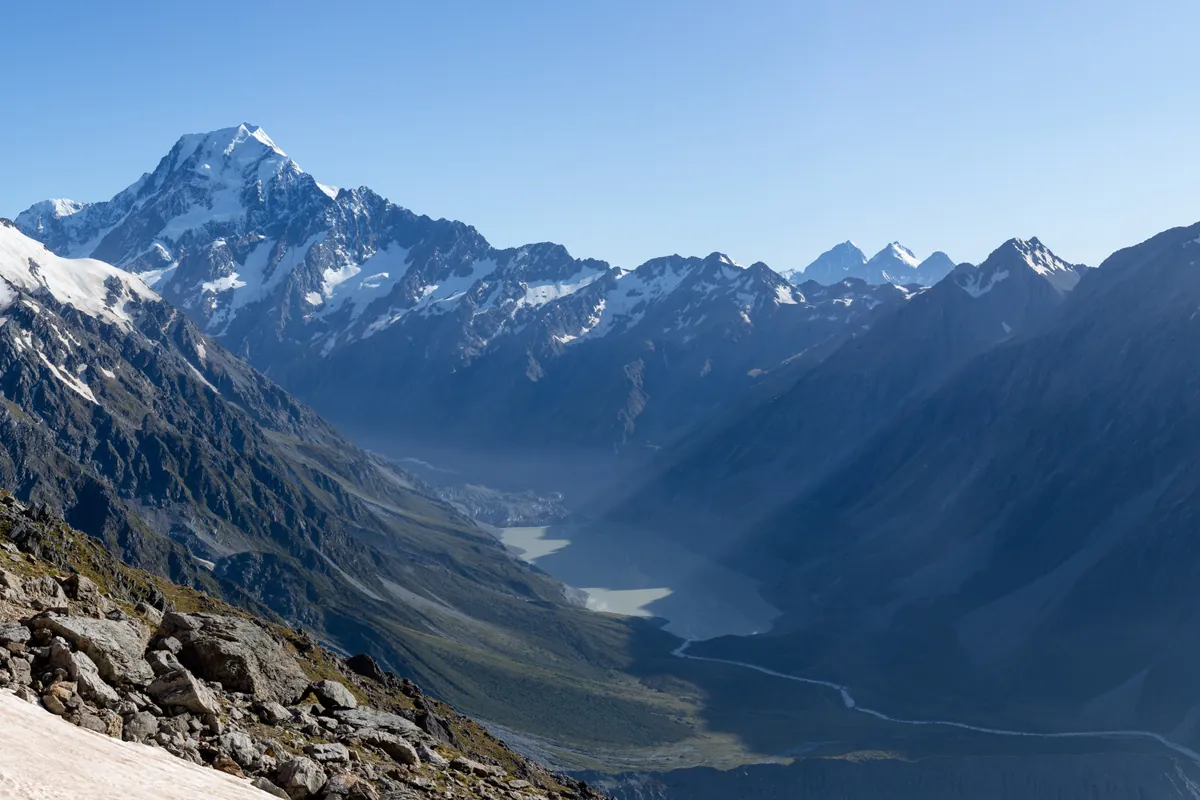
Aoraki / Mount Cook is the highest mountain in New Zealand at 3,724 meters (12,218 ft). Located in the Southern Alps, it is an ultra-prominent glaciated peak rising dramatically above the Tasman Glacier. It is sacred in Māori mythology as the ancestor Aoraki. The mountain is renowned as the formative training ground where Sir Edmund Hillary developed his high-altitude icecraft. On January 30, 1948, Hillary completed the historic first ascent of the technical South Ridge alongside Harry Ayres. Climbing Aoraki requires expert crampon technique, glacier navigation, and vigilance against severe maritime storms.
Mount Aspiring / Tititea
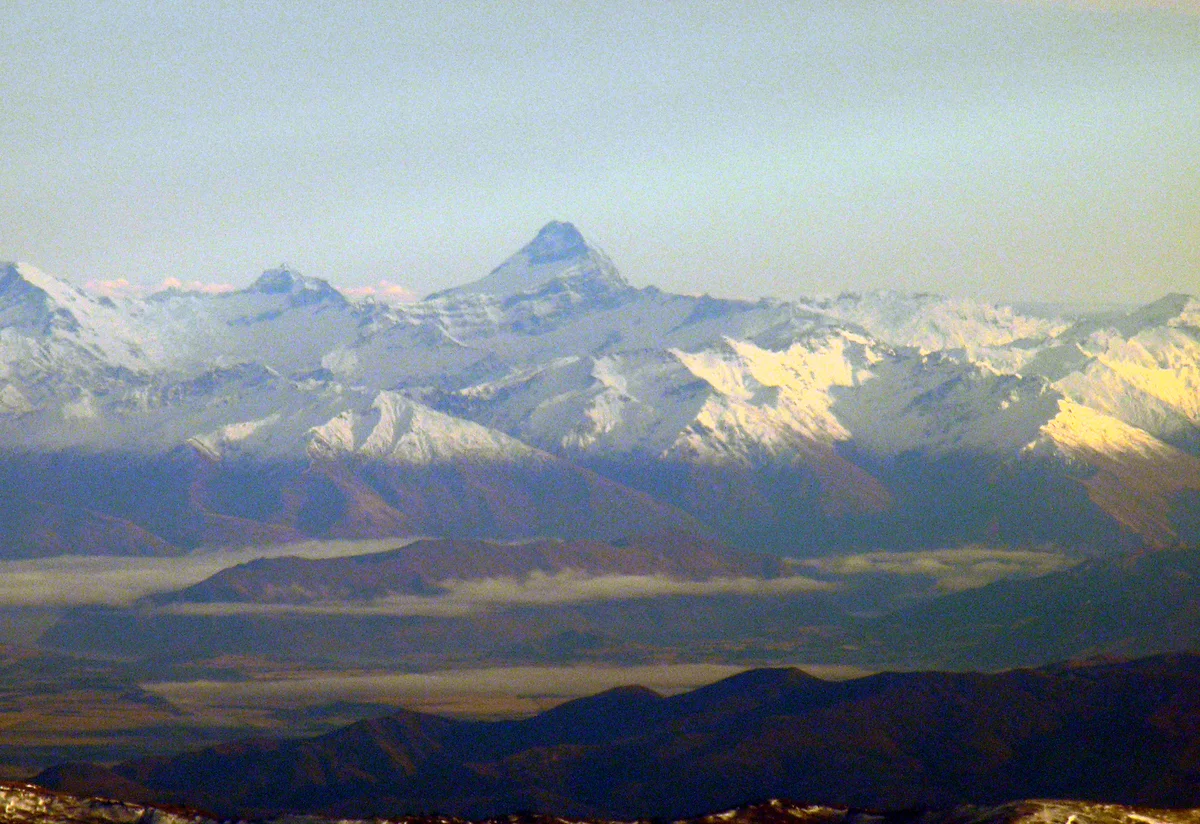
Mount Aspiring / Tititea is a majestic glaciated horn rising to 3,033 metres (9,951 ft) in Mount Aspiring National Park in the Southern Alps of New Zealand. Often celebrated as the 'Matterhorn of the South' due to its sharp pyramidal geometry and towering ice-plastered rock facets, it is sacred to southern Māori as Tititea ('steep peak of glistening white'). First ascended on November 23, 1909, by Bernard Head accompanied by legendary guides Jack Clarke and Alec Graham via the Southwest Ridge, it stands as one of the premier classic alpine ascents in Australasia.
Pioneered & Associated Routes (3)
Southwest Ridge of Mount Aspiring
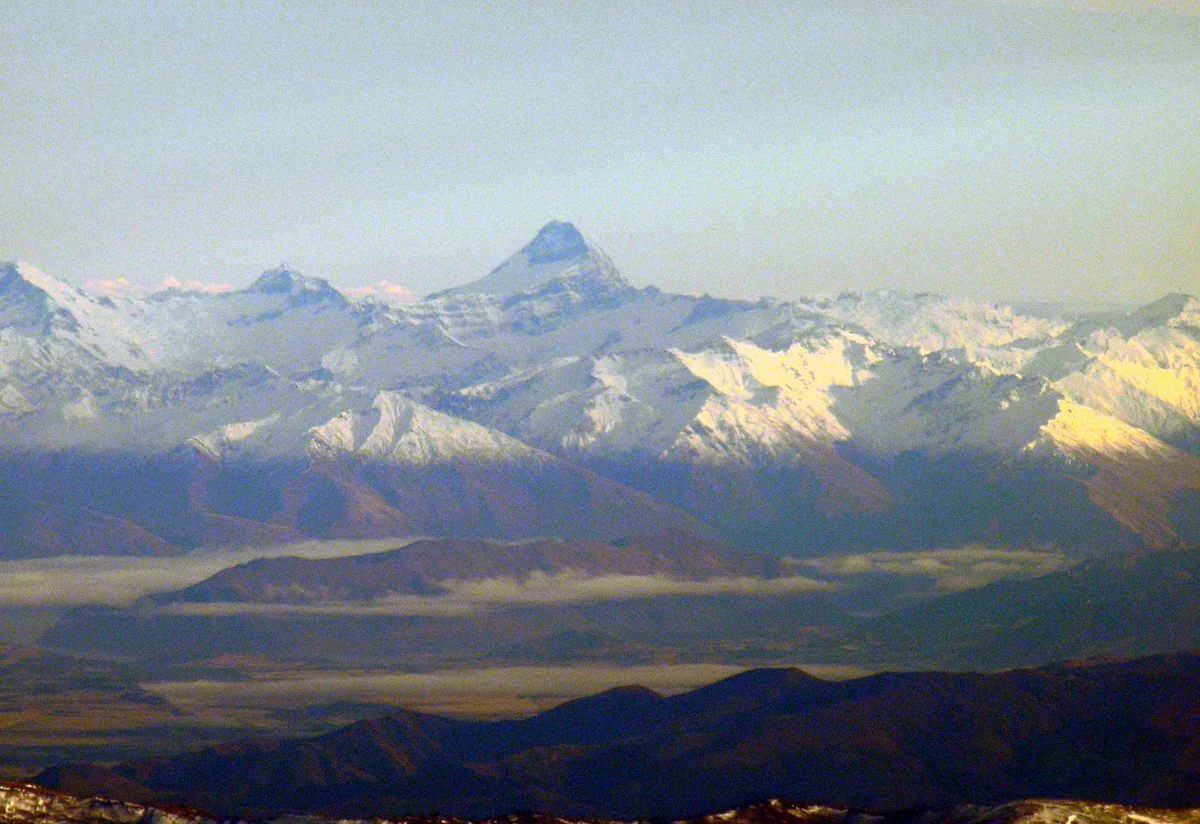
The Southwest Ridge is the celebrated classic normal route on Mount Aspiring / Tititea (3,033 m), the 'Matterhorn of the South'. Commencing from Colin Todd Hut, climbers traverse the upper reaches of the Bonar Glacier to gain the distinctive glaciated slope known as 'The Ramp'. Overcoming bergschrund crossings and steep hard snow or ice, the route joins the exposed rock crest of the Southwest Ridge, leading across shattered schist steps to the pristine pyramidal summit icecap. First climbed on November 23, 1909, by Bernard Head, Jack Clarke, and Alec Graham, it offers breathtaking views of Mount Cook and the Tasman Sea.
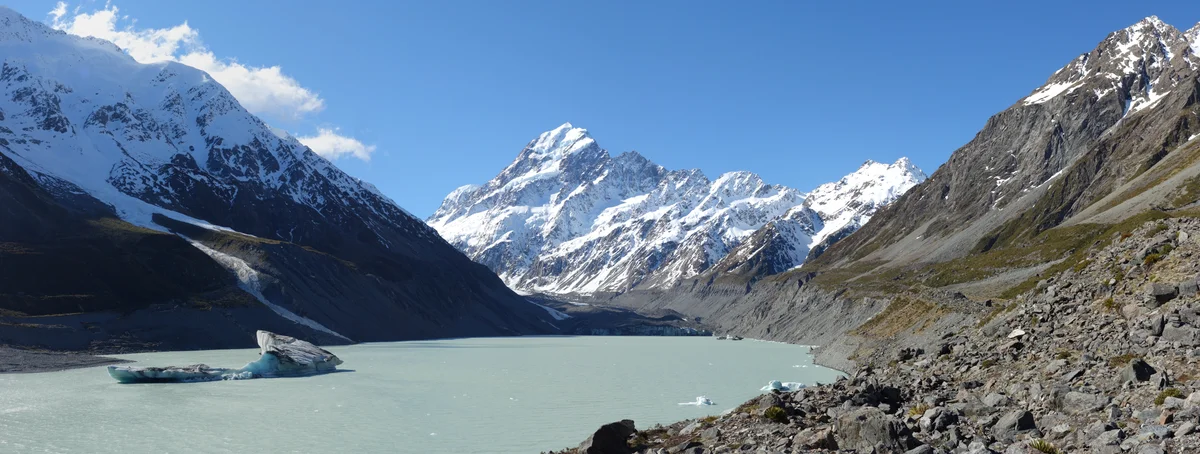
Grand Traverse of Aoraki / Mount Cook
The Grand Traverse of Aoraki / Mount Cook is widely considered the supreme classic high alpine expedition in the Southern Alps. Spanning the entire triple-crowned crest of New Zealand's highest mountain—crossing the Low Peak (3,593 m), Middle Peak (3,717 m), and High Peak (3,724 m)—the route features kilometres of exposed corniced ice ridges, shattered greywacke pinnacles, and dizzying exposure above the Caroline Face and Linda Glacier. First completed on January 3, 1913, by Australian mountaineer Freda Du Faur with guides Peter Graham and David Thomson, it remains a benchmark test of high-altitude speed, crampon confidence, and ridge-walking balance.
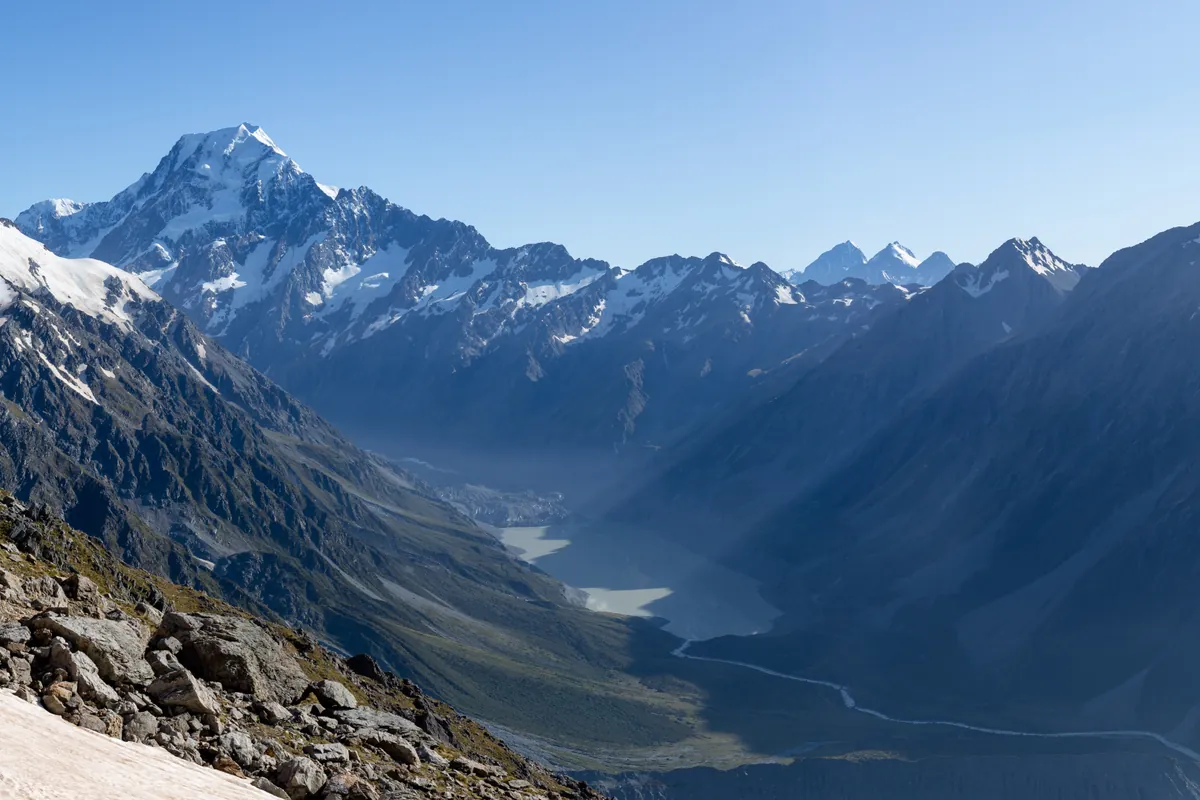
South Ridge of Aoraki / Mount Cook
The South Ridge of Aoraki / Mount Cook is a celebrated technical alpine route on New Zealand's highest peak. First climbed on January 30, 1948, by Sir Edmund Hillary, Harry Ayres, and Mick Sullivan, the route established Hillary's reputation as a world-class ice climber. Starting from Gardiner Hut, climbers traverse the Noeline Glacier to access the knife-edge rock and ice crest. The route demands steep mixed rock climbing, delicate step-cutting on exposed ice slopes, and navigation across corniced arêtes to reach the Low Peak and High Peak (3,724m).
Documented Expeditions (2)
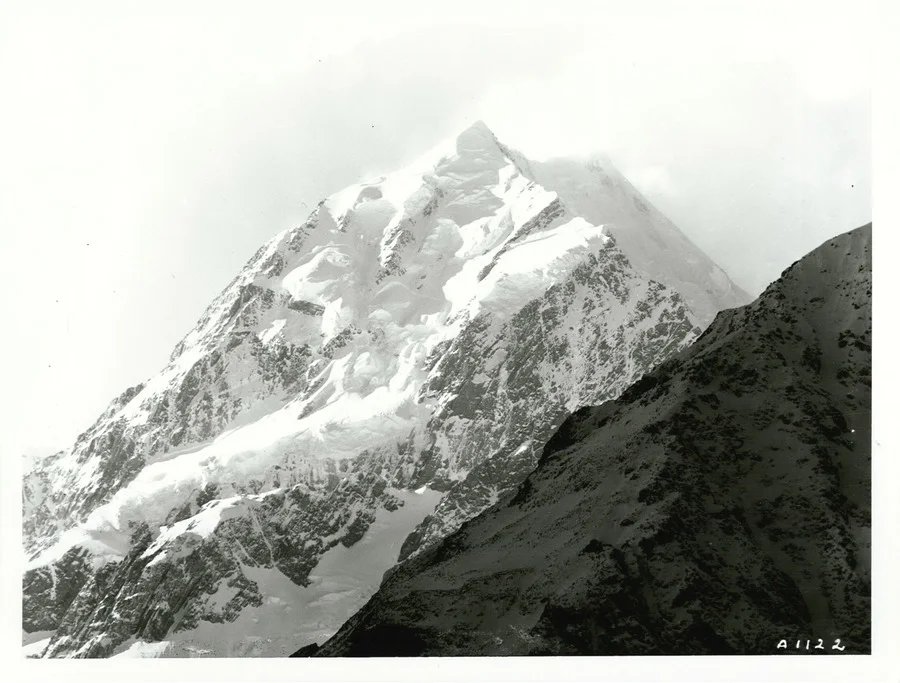
1894 Tom Fyfe, George Graham and Jack Clarke Historic First Ascent of Aoraki / Mount Cook
On Christmas Day, December 25, 1894, three amateur New Zealand climbers—Tom Fyfe, George Graham, and 19-year-old Jack Clarke—achieved the historic maiden first ascent of Aoraki / Mount Cook (3,724 m). Spurred by news that an English party with European guides was en route to claim the peak, the trio climbed without crampons up the unscaled North Ridge, cutting steps for hours to reach the summit and establish New Zealand's independent alpine tradition.
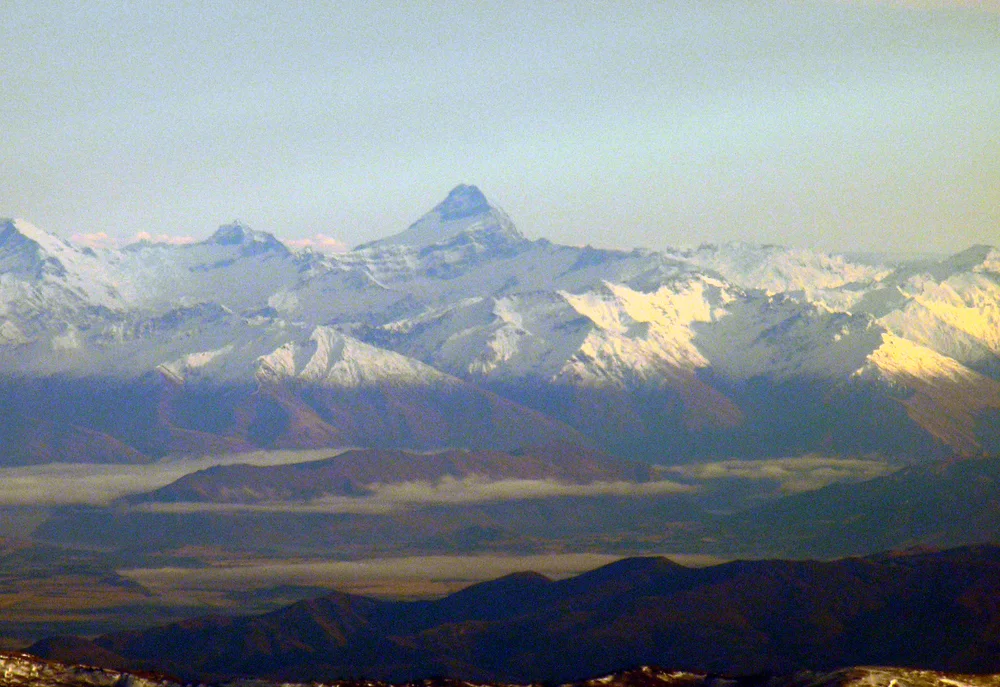
1909 Bernard Head, Jack Clarke and Alec Graham Historic First Ascent of Mount Aspiring / Tititea
On November 23, 1909, English mountaineer Bernard Head and celebrated New Zealand guides Jack Clarke and Alec Graham achieved the historic maiden first ascent of Mount Aspiring / Tititea (3,033 m). Navigating through the uncharted Matukituki Valley and the crevasse-riven Bonar Glacier, Clarke led the party up the steep ice of The Ramp and along the shattered Southwest Ridge to conquer the most beautiful peak in Australasia.
Associated Chronicles & Stories (2)
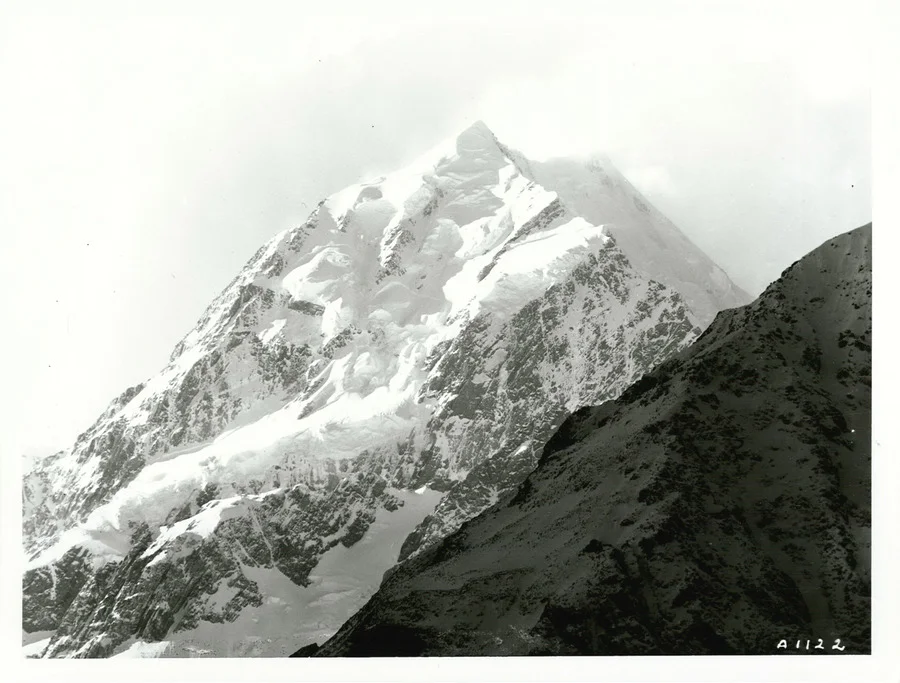
Christmas on the Cloud Piercer: The 1894 First Ascent of Mount Cook
The race against European aristocrats to claim New Zealand's greatest glaciated crown on Christmas Day 1894.
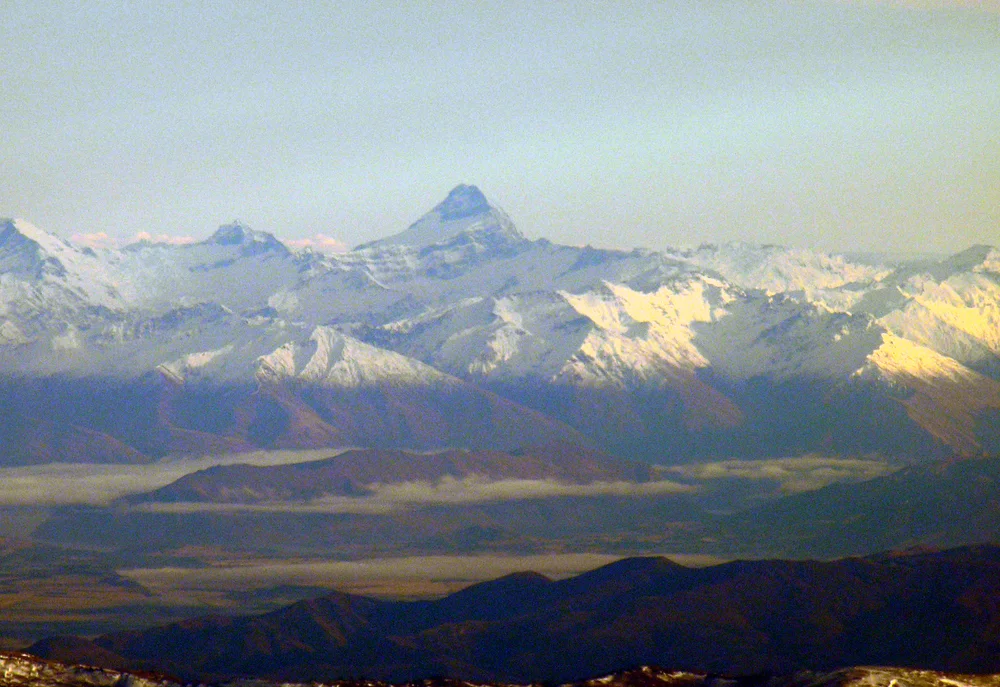
The Matterhorn of the South: The 1909 First Ascent of Mount Aspiring
Jack Clarke and Alec Graham guide Bernard Head up the icy ramparts of Tititea to claim the crown of Otago.
Documented Sources & Archival Citations
- Jack Clarke: High Country Legend(New Zealand Alpine Journal)
Supporting claim: Memorial biography and comprehensive climbing record of Jack Clarke
Accessed/Documented: 1953 - Mount Aspiring: The Romantic Mountain(Hugh Logan / Craig Potton Publishing)
Supporting claim: Documentation of Clarke's leadership on the 1909 first ascent of Mount Aspiring
Accessed/Documented: 1987