Little Karim
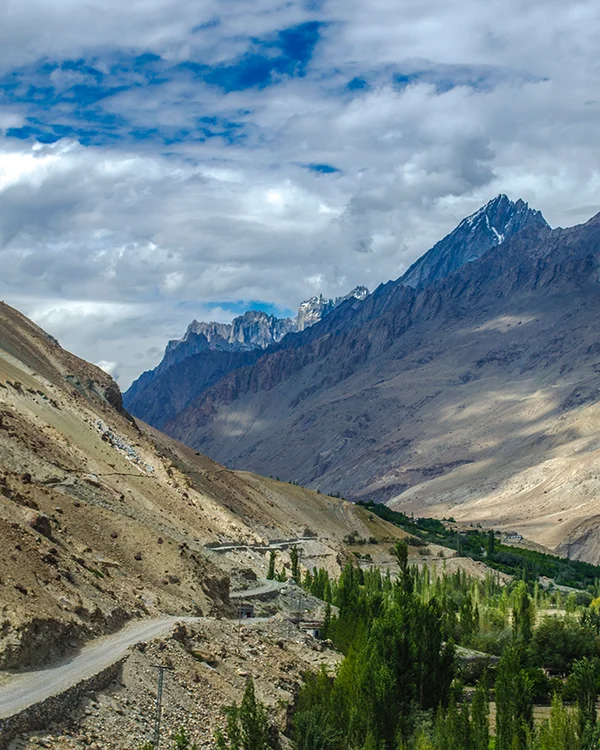
Mohammad Karim (1951–2022), universally known as Little Karim, was a legendary Balti high-altitude porter and mountaineer from the Hushe Valley in Gilgit-Baltistan. Despite his diminutive stature of five feet, Karim carried extraordinary loads above eight thousand metres and summited Gasherbrum II in 1985 without supplemental oxygen. Revered worldwide as the hero of high-altitude porters, his boundless courage inspired multiple European documentaries and international alpine solidarity.
Mountain Safety & Conditions Disclaimer: High-altitude climbing, glacial travel, and technical ascents entail severe objective risks including avalanches, serac collapses, rapid weather collapse, and altitude illness. Historical route descriptions and summit claims on Mountanity reflect documented archival sources and must not be used as live operational safety assessments. Local regulations, permits, and physical glacial topography change continuously.
Peer Review: Senior Editorial Board & Historical Reviewers • Editorial Standards
Biographical Record & Archival Chronicle
Mohammad Karim was born around 1951 in the high mountain hamlet of Hushe in the Ghangche District of Baltistan, Pakistan. Standing barely five feet tall (under 150cm) and weighing under fifty kilograms, Karim entered the harsh world of high-altitude portering in the late 1970s. Expeditions initially refused to hire him due to his tiny frame, but Karim stunned foreign climbers when he hoisted a fifty-kilogram pack onto his shoulders and walked effortlessly ahead of the entire caravan along the treacherous Baltoro Glacier, earning the affectionate international moniker 'Little Karim'.
Over the 1980s and 1990s, Little Karim became one of the most legendary figures in Karakoram mountaineering history. Serving on elite expeditions to K2, Broad Peak, Gasherbrum I, and Gasherbrum II, Karim repeatedly saved Western climbers' lives by hauling heavy supplies through technical terrain without bottled oxygen. In summer 1985, on Gasherbrum II (8,035m), Karim climbed to the summit without supplemental oxygen, demonstrating physiological powers that astonished European physiologists. In 1986, he served as lead high-altitude sirdar on K2, carrying French solo pioneer Jean-Marc Boivin's hang-glider to 8,000 metres on the Abruzzi Spur. Later on Broad Peak, he famously climbed the summit ridge carrying a thirty-kilogram cine-camera for French documentary filmmakers.
Karim's heroic resilience, warm humor, and selflessness were immortalized in French filmmaker Laurent Chevallier's award-winning 1997 documentary film 'Little Karim', which introduced the global mountaineering community to the quiet dignity and superhuman strength of Balti porters. Despite enduring profound poverty and severe health crises late in life, Karim remained a tireless advocate for porter wages, mountaineering education, and environmental protection in Baltistan. Following his passing in Rawalpindi on April 4, 2022, he was mourned across Pakistan, France, and Spain as an authentic national treasure and folk hero of the high mountains.
Notable Milestones & Ascents
- Summited Gasherbrum II (8,035m) in summer 1985 without supplemental bottled oxygen
- Carried heavy high-altitude gear and supplies above 8,000 meters on K2, Broad Peak, and Gasherbrum I
- Assisted French extreme alpinist Jean-Marc Boivin on K2 in 1986, porting specialized hang-gliding equipment to Camp 4
- Starred in the award-winning European documentary 'Little Karim' (1997) directed by Laurent Chevallier
- Guided decades of international Karakoram expeditions, saving numerous Western climbers through heroic rescues
- Recognized posthumously by the Government of Gilgit-Baltistan and the Alpine Club of Pakistan as a legendary pioneer
Key Statistics & Topographic Figures
- Archive Classification
- MOUNTAINEERS
Mountanity Knowledge Corpus
- Verification Status
- Editorially Verified
Archival Standards
- Citation Standard
- Primary Source Verified
Alpine Research Desk
Archival Primary Source Quotations
“Great things are done when men and mountains meet; this is not done by jostling in the street.”
Defined Alpine Terminology & Concepts
- Archival Integrity
- The standard of verifying historical mountain facts, summit claims, and altitudes using primary expeditions journals and geodetic measurements.
Frequently Asked Questions: Little Karim
What historical significance does this mountaineer hold?
Little Karim represents an essential chapter in global mountaineering heritage, verified through contemporary expedition journals and archival sources.
How are the facts and records for Little Karim verified?
All records are checked against peer-reviewed journals, national alpine clubs, geodetic surveys, and the Mountanity Archival Integrity Policy.
Associated Summits (3)


K2
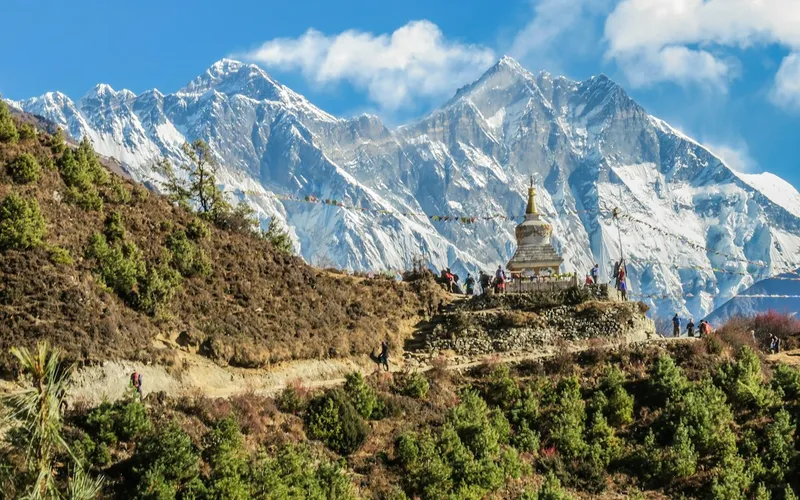
K2, at 8,611 meters (28,251 ft), is the second-highest mountain on Earth and widely regarded as the most technically demanding and lethal 8,000-meter peak. Located in the heart of the Karakoram on the border between Pakistan and China, K2 is characterized by sheer relief, severe weather anomalies, and persistent objective hazards including the notorious Bottleneck couloir.
Broad Peak
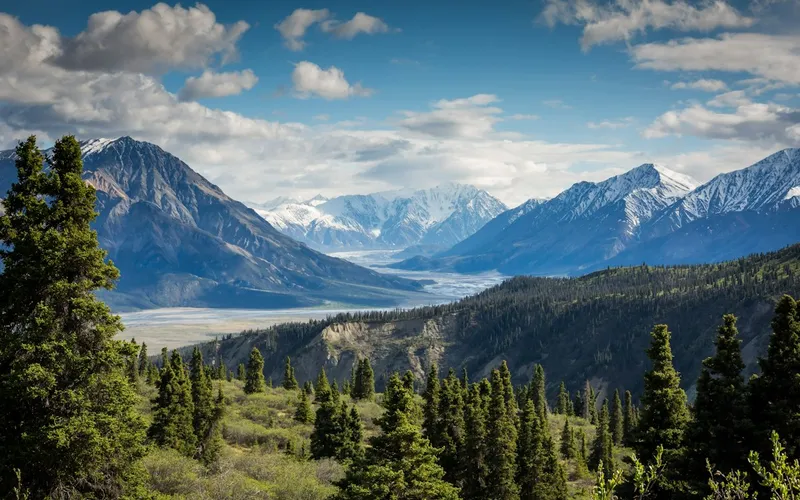
Broad Peak, at 8,051 meters (26,414 ft), is the twelfth-highest mountain in the world. Located in the Karakoram directly across the Godwin-Austen Glacier from K2, it is famous for its 1.5-kilometre-long summit crest. First climbed in lightweight alpine style without supplemental oxygen or high-altitude porters in 1957 by an Austrian team.
Gasherbrum II
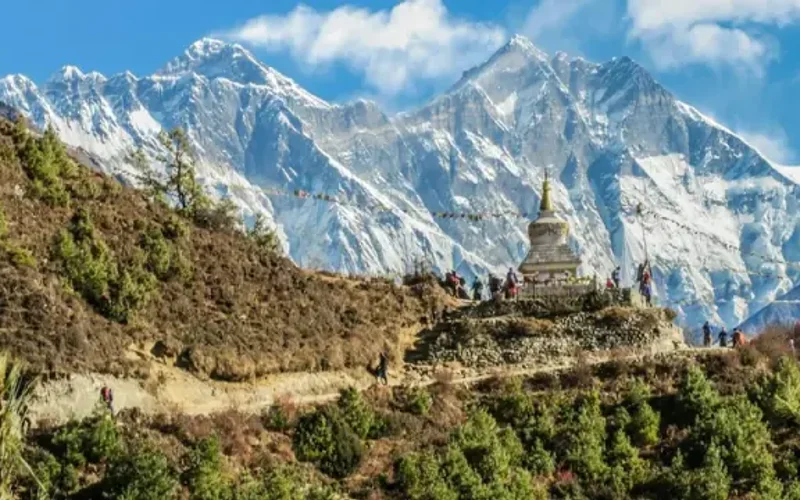
Gasherbrum II, standing at 8,035 meters (26,362 ft), is the thirteenth-highest mountain on Earth and the third-highest peak of the Gasherbrum massif in the Karakoram. Located at the head of the Baltoro Glacier on the Pakistan-China frontier, it features a classic pyramidal profile with challenging ice couloirs. First summited in 1956 by an Austrian team, it was famously climbed in pure alpine style in 1982 by Reinhold Messner, Nazir Sabir, and Sher Khan.
Pioneered & Associated Routes (5)
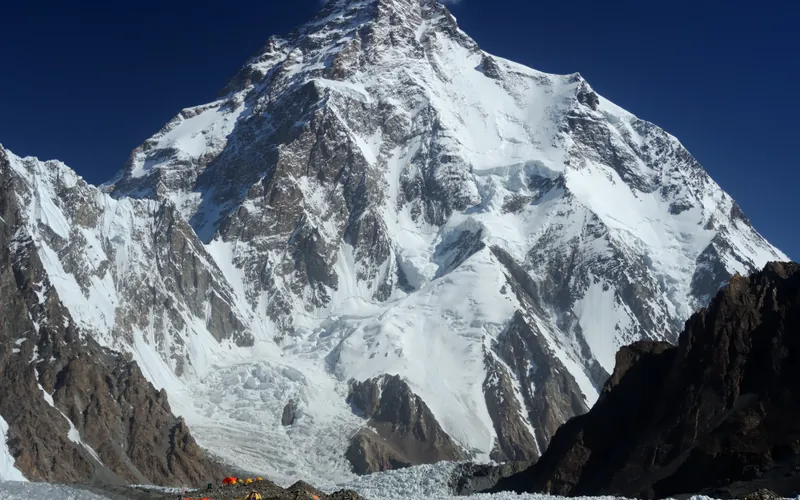
Abruzzi Spur (Southeast Ridge)
The Abruzzi Spur is the most famous and frequently climbed route on K2, tracing the mountain's steep southeast ridge from the Godwin-Austen Glacier to the summit. First explored in 1909 by Prince Luigi Amedeo, Duke of the Abruzzi, it was successfully climbed to the summit in 1954 by an Italian team. The route requires extreme physical endurance and high-grade technical climbing on rock, ice, and mixed terrain through legendary cruxes like House's Chimney, the Black Pyramid, and the Bottleneck couloir.
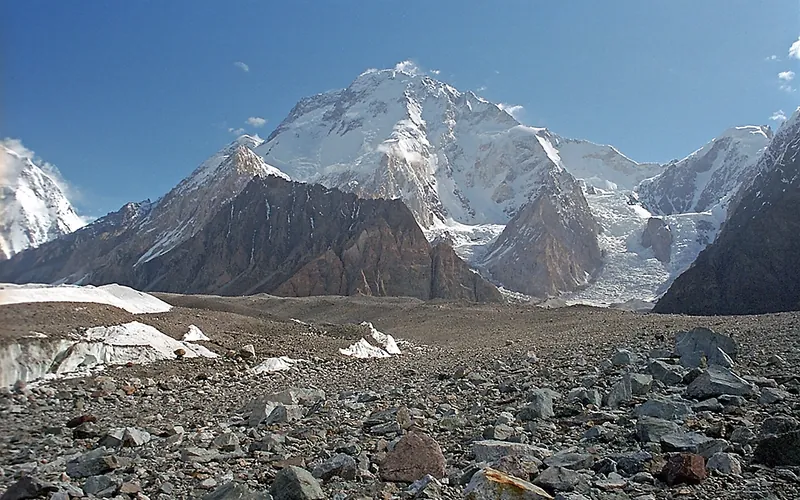
Normal Route (West Ridge & Northwest Face)
The Normal Route on Broad Peak ascends the rugged western spur from the Godwin-Austen Glacier, navigating steep mixed rock ribs before entering the upper glacial basin beneath the high saddle (the Col). From the Col at 7,800 meters, climbers enter the Death Zone to tackle the long, corniced summit ridge leading across the Foresummit to the true summit at 8,051 meters. First conquered in 1957 by an Austrian team in lightweight alpine style without bottled oxygen, and climbed in 1982 by Reinhold Messner, Nazir Sabir, and Sher Khan in a groundbreaking rapid alpine push.
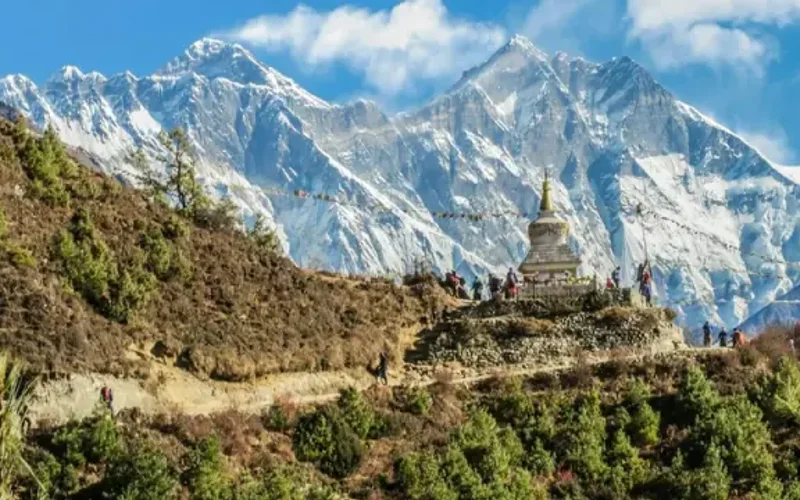
Southwest Ridge (Normal Route)
The Southwest Ridge is the standard and historically celebrated route on Gasherbrum II (8,035m). Starting from the South Gasherbrum Glacier, climbers navigate the heavily crevassed lower icefall into the Gasherbrum Cwm before tackling the technical crux of the route: the steep mixed snow and ice crest known as the Banana Ridge. Above Camp III, the route traverses expansive snow basins into the Death Zone, making a final push up a delicate diagonal couloir to the summit. First climbed in 1956 by an Austrian team, and completed in rapid alpine style in 1982 by Reinhold Messner, Nazir Sabir, and Sher Khan.
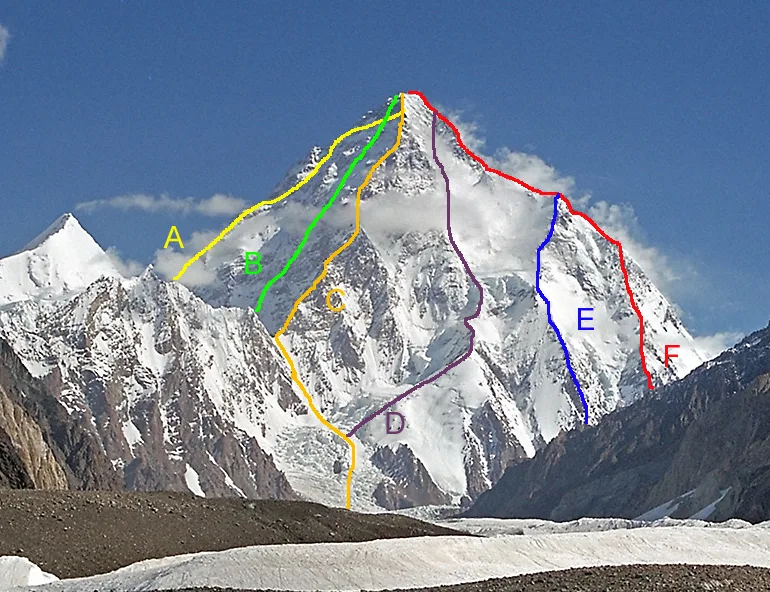
K2 South Face (The Polish Line)
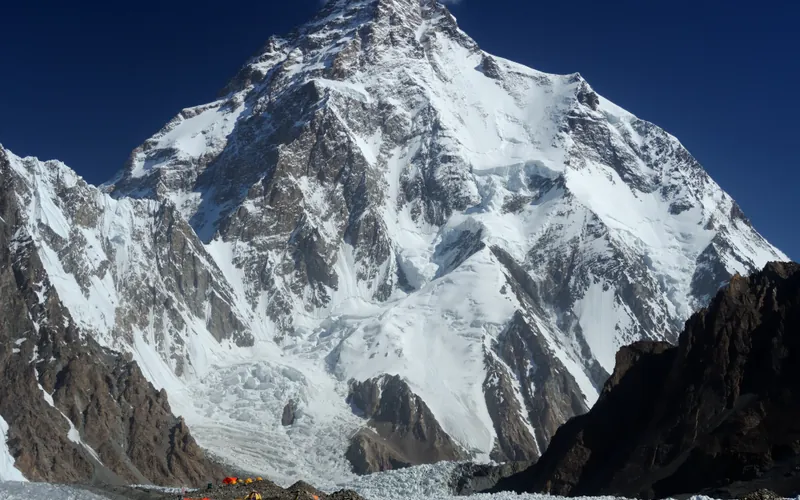
The Polish Line on the South Face of K2 (8,611m) is widely regarded as one of the most perilous and audacious routes ever climbed in high-altitude mountaineering history. Tackling the direct 3,200-meter wall between the Abruzzi Spur and the Magic Line (South-Southwest Pillar), the route ascends through a chaotic labyrinth of hanging seracs, avalanche funnels, and vertical rock bands. Pioneered in alpine style over five harrowing days in July 1986 by Jerzy Kukuczka and Tadeusz Piotrowski without supplemental oxygen, Reinhold Messner famously dubbed it 'suicidal'. Kukuczka and Piotrowski reached the summit on July 8, but tragedy struck during their desperate descent via the Abruzzi Spur when Piotrowski lost both crampons and plunged to his death. To this day, the Polish Line remains unrepeated.
West Ridge (Japanese Route)
The West Ridge of K2 is one of the most formidable and sustained technical lines in high-altitude mountaineering. Pioneered in August 1981 by a joint Japanese-Pakistani expedition, it ascends directly from the Savoia Glacier along the exposed western crest before negotiating the severe Southwest Face directly into the Death Zone. Demanding immense commitment, it was first completed by Pakistani mountaineer Nazir Sabir and Japanese climber Eiho Ohtani after an epic bivouac near 8,500 meters.
Documented Expeditions (1)
1985 Little Karim Gasherbrum II Expedition
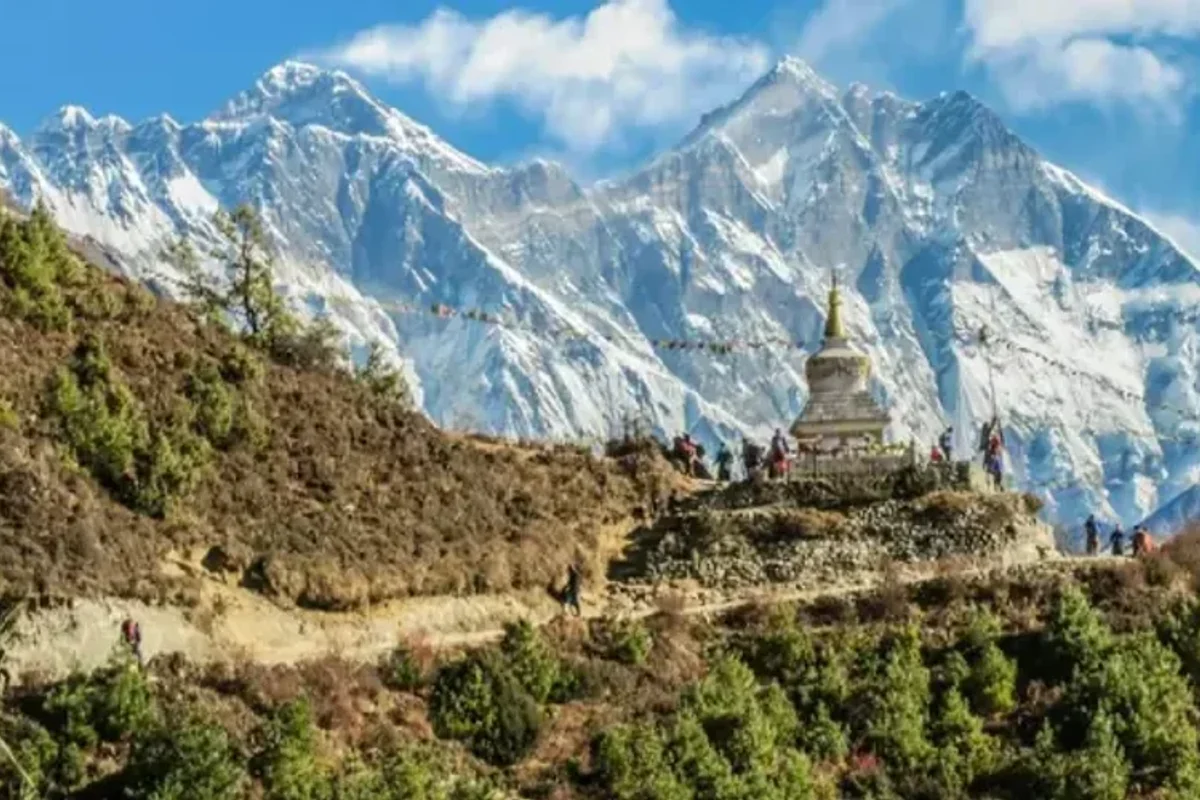
In summer 1985, legendary Balti high-altitude porter Mohammad Karim (Little Karim) from Hushe defied all physical expectations by summiting Gasherbrum II (8,035m) without supplemental bottled oxygen, cementing his status as an immortal icon of the Karakoram.
Associated Chronicles & Stories (1)
The Iron Porter of Hushe: Little Karim's Oxygenless Ascent of Gasherbrum II
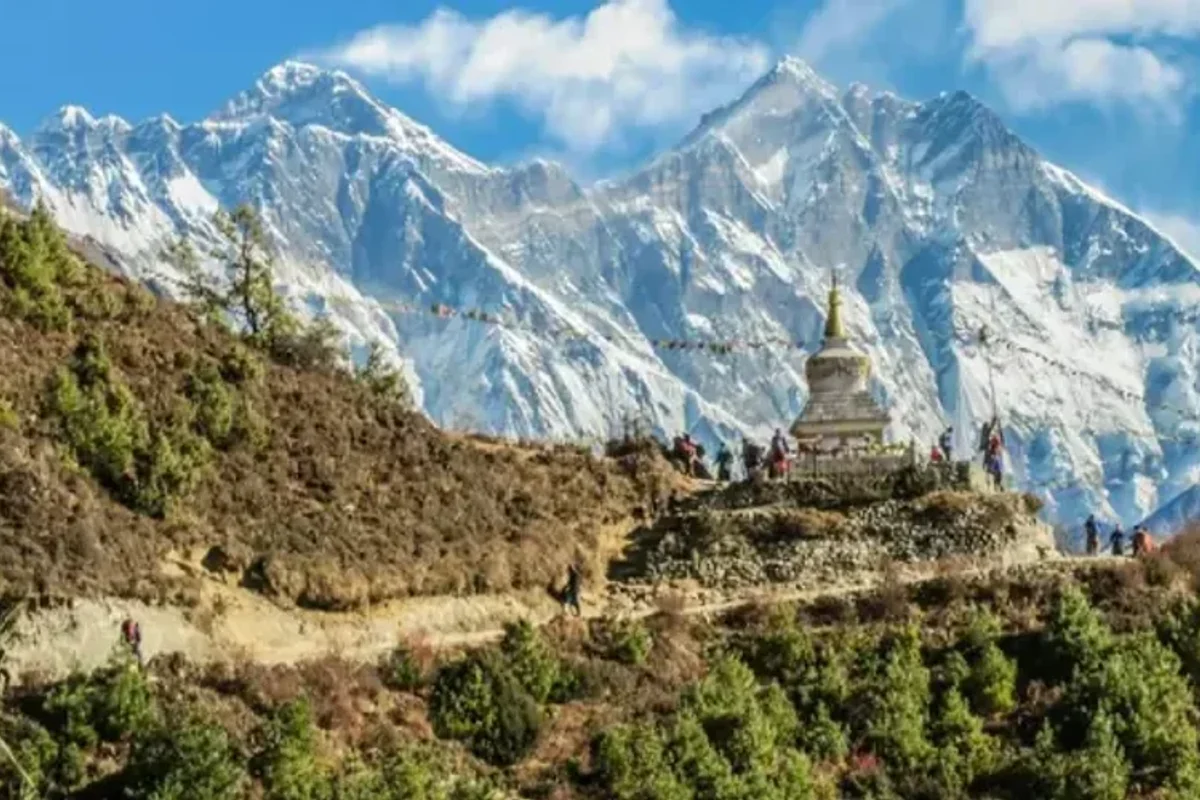
In summer 1985, five-foot-tall Balti high-altitude porter Mohammad Karim conquered Gasherbrum II (8,035m) without bottled oxygen, establishing the immortal legacy of Balti mountaineers.
Documented Sources & Archival Citations
- American Alpine Journal: Little Karim, The Balti Mountain Legend(American Alpine Club)
Supporting claim: Tribute and historical verification of Mohammad Karim's mountaineering career in the Karakoram
Accessed/Documented: 2022 - Little Karim (Film Documentary Archive)(Laurent Chevallier / Les Films d'Ici)
Supporting claim: Cinematographic documentation of Karim's high-altitude strength, family, and climbing history in Hushe
Accessed/Documented: 1997