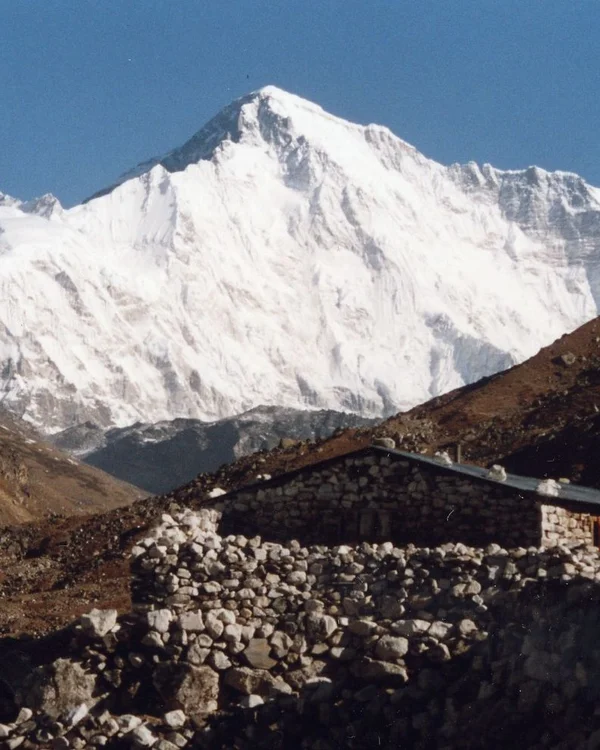
Krzysztof Pankiewicz
Krzysztof Pankiewicz (1951–2009) was a distinguished Polish winter Himalayan mountaineer and pharmaceutical scientist celebrated for his endurance in extreme cold. On February 12, 1985, Pankiewicz and Maciej Berbeka made the historic first winter ascent of Cho Oyu via the technical southwest buttress. A pivotal member of the legendary Ice Warriors, Pankiewicz helped define Poland's golden era of Himalayan exploration.
Mountain Safety & Conditions Disclaimer: High-altitude climbing, glacial travel, and technical ascents entail severe objective risks including avalanches, serac collapses, rapid weather collapse, and altitude illness. Historical route descriptions and summit claims on Mountanity reflect documented archival sources and must not be used as live operational safety assessments. Local regulations, permits, and physical glacial topography change continuously.
Peer Review: Senior Editorial Board & Historical Reviewers • Editorial Standards
Biographical Record & Archival Chronicle
Krzysztof Pankiewicz was born on September 29, 1951, in Łódź, Poland. A brilliant intellect with a profound love of wild wilderness, Pankiewicz earned a doctorate in pharmaceutical sciences while simultaneously developing into one of the most formidable technical climbers in the Łódź Mountaineering Club. His apprenticeship took place on the severe limestone and granite walls of the High Tatras in winter, followed by demanding modern ascents in the Alps and the Hindu Kush of Afghanistan.
In the winter of 1984–1985, Pankiewicz was selected by expedition leader Andrzej Zawada for the pioneering Polish-Canadian winter assault on Cho Oyu (8,188m). Rather than following the standard route, the team tackled the unclimbed, technically exacting Southwest Pillar (Southwest Buttress) in alpine style under brutal Himalayan winter conditions. On February 12, 1985, Pankiewicz and Maciej Berbeka reached the summit in howling winds and temperatures below −40 °C, establishing the first winter ascent of Cho Oyu and the first winter ascent anywhere in the world accomplished via a brand-new technical line.
Following Cho Oyu, Pankiewicz remained a central stalwart of Polish high-altitude expeditions. In 1986, he participated in winter attempts on K2 and Nanga Parbat. In winter 1997–1998, he served on the Polish Nanga Parbat winter expedition alongside Zbigniew Trzmiel, surviving frostbite and violent avalanches on the Kinshofer Route. Pankiewicz was also a respected high-altitude medical researcher, studying the physiological impacts of extreme hypoxia and cold on the human body. Married to fellow accomplished Himalayan climber Ewa Panejko-Pankiewicz, he was honored with Poland's prestigious Medal for Outstanding Sporting Achievements. Following his death in Łódź on May 6, 2009, he was remembered as a gentleman-scholar of extraordinary courage who helped write the legendary saga of Poland's winter Ice Warriors.
Notable Milestones & Ascents
- Achieved the historic first winter ascent of Cho Oyu (8,188m) on February 12, 1985, climbing via a new technical Southwest Buttress line with Maciej Berbeka
- Pioneered first winter ascents of technical rock and mixed routes in the High Tatras during the 1970s and 1980s
- Conquered difficult peaks in the Hindu Kush and Pamirs during Polish exploratory expeditions
- Survived extreme high-altitude storms on winter Nanga Parbat and K2 expeditions under legendary leader Andrzej Zawada
- Authored scientific and medical research on pharmacology and hypoxia in high-altitude extreme environments
- Awarded the Polish State Medal for Outstanding Sporting Achievements (Medal za Wybitne Osiągnięcia Sportowe)
Key Statistics & Topographic Figures
- Archive Classification
- MOUNTAINEERS
Mountanity Knowledge Corpus
- Verification Status
- Editorially Verified
Archival Standards
- Citation Standard
- Primary Source Verified
Alpine Research Desk
Archival Primary Source Quotations
“Great things are done when men and mountains meet; this is not done by jostling in the street.”
Defined Alpine Terminology & Concepts
- Archival Integrity
- The standard of verifying historical mountain facts, summit claims, and altitudes using primary expeditions journals and geodetic measurements.
Frequently Asked Questions: Krzysztof Pankiewicz
What historical significance does this mountaineer hold?
Krzysztof Pankiewicz represents an essential chapter in global mountaineering heritage, verified through contemporary expedition journals and archival sources.
How are the facts and records for Krzysztof Pankiewicz verified?
All records are checked against peer-reviewed journals, national alpine clubs, geodetic surveys, and the Mountanity Archival Integrity Policy.
Associated Summits (2)
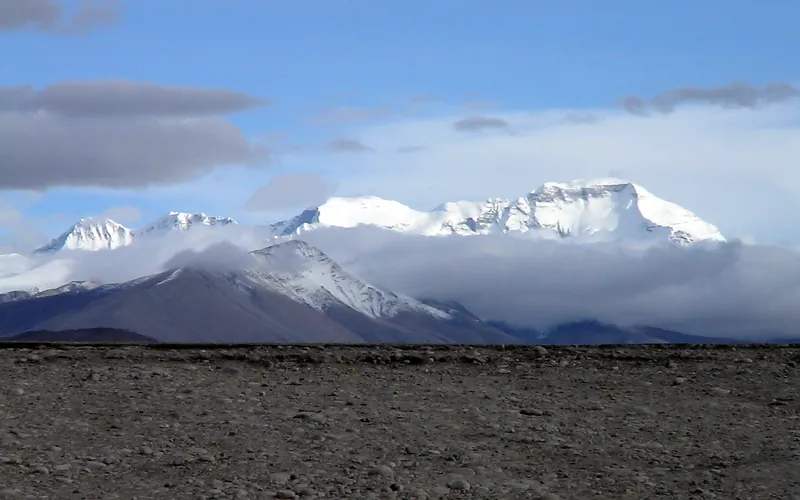


Cho Oyu
Cho Oyu, at 8,188 meters (26,864 ft), is the sixth-highest mountain in the world, situated 20 km west of Mount Everest. Meaning 'Turquoise Goddess' in Tibetan, it stands on the glaciated Nangpa La trade route between Nepal and Tibet. Its moderate northwest slopes make it the most accessible 8,000-meter peak.

Nanga Parbat
Nanga Parbat, at 8,126 meters (26,660 ft), is the ninth-highest mountain on Earth and the western anchor of the Himalayas in Pakistan. It boasts the Rupal Face, the highest vertical precipice in the world at 4,600 meters from valley floor to summit. Known for profound climbing history, highlighted by Hermann Buhl's legendary solo summit without supplemental oxygen in 1953.
Pioneered & Associated Routes (5)
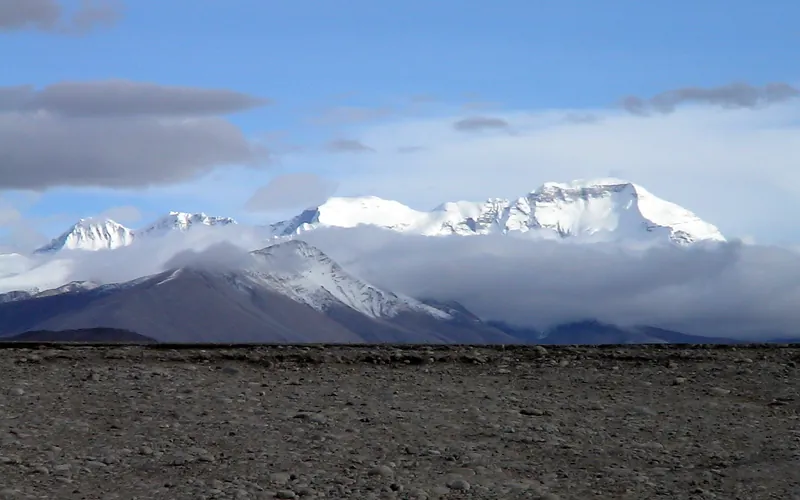
Cho Oyu Northwest Face & Ridge (Normal Route)
The Northwest Ridge is the standard and most climbed route on Cho Oyu, approached from the Tibetan plateau via the Gyabrag Glacier. First climbed in 1954 by an Austrian expedition, the route features relatively moderate snow slopes of 30 to 40 degrees, punctuated by a single prominent technical crux known as the Ice Cliff at 6,700m. Above Camp 3, climbers cross the Yellow Band and emerge onto a vast, gently rising summit plateau.
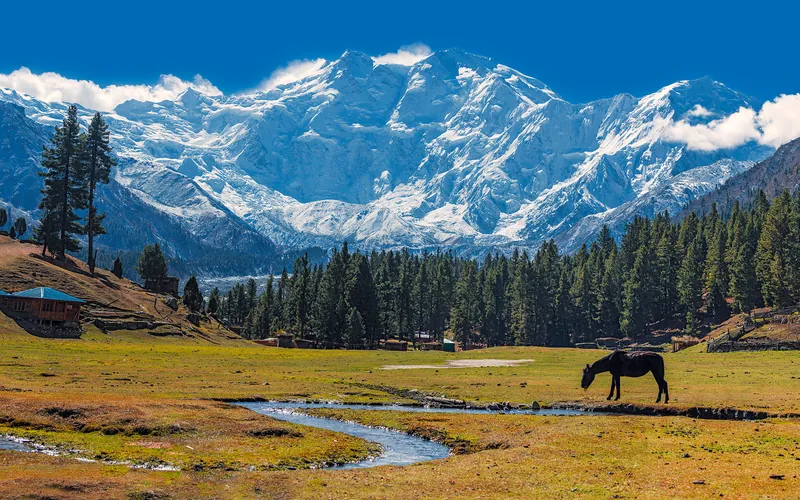
Kinshofer Route (Diamir Face)
The Kinshofer Route is the standard climbing route up the Diamir Face on Nanga Parbat's western side. First climbed in 1962 by German mountaineer Toni Kinshofer and his teammates, it is famous for its early vertical crux, the Kinshofer Wall, which sits low on the mountain between Camp I and Camp II. Once past the wall, climbers face a massive glaciated amphitheater leading up into the freezing upper Bazhin Basin and summit shoulder.
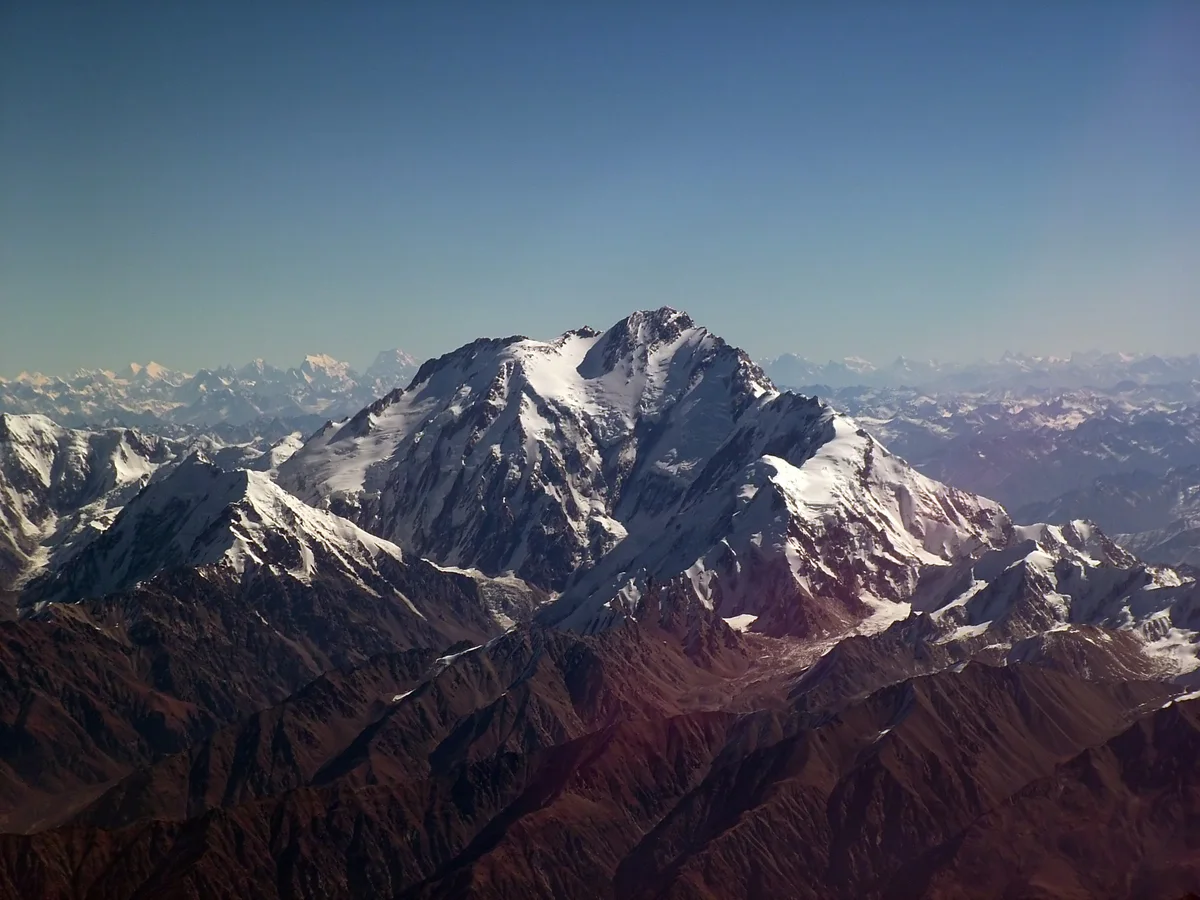
Mazeno Ridge Complete Traverse
The Mazeno Ridge of Nanga Parbat is widely considered the longest and most demanding high-altitude ridge on any eight-thousander, stretching an unbelievable 10 kilometres in length and traversing eight subsidiary peaks exceeding 7,000 metres before meeting the final summit pyramid. Long dubbed the last great problem of the Western Himalaya, it defeated numerous elite expeditions over three decades until British veterans Sandy Allan and Rick Allen completed the first full integral traverse and summit push in pure alpine style over eighteen heroic days in July 2012.
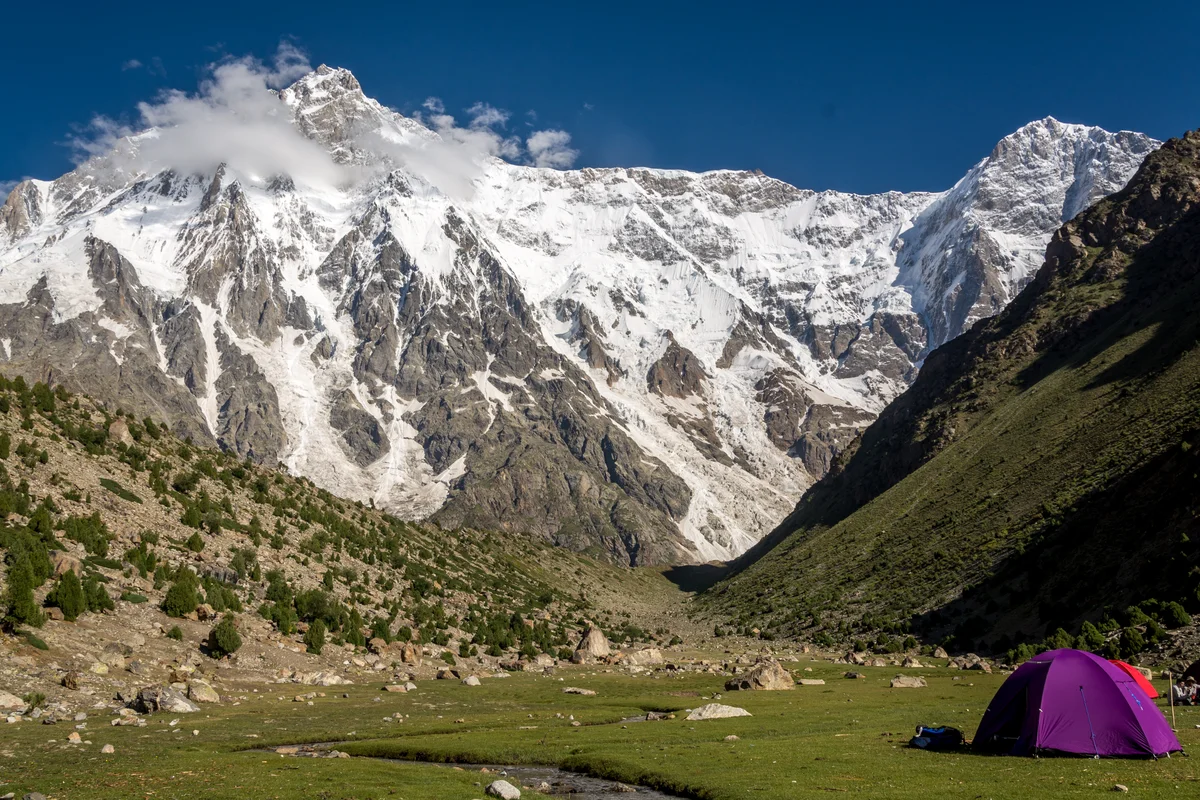
Central Pillar of the Rupal Face Direct
The Central Pillar of the Rupal Face on Nanga Parbat is the greatest vertical mountain wall on Earth, rising an astounding 4,100 metres from the Rupal Valley floor to the 8,126-metre summit. First attempted over decades, it was conquered in pure, lightweight alpine style between September 1 and 8, 2005, by American alpinists Steve House and Vince Anderson without fixed ropes, high camps, or supplemental oxygen, earning them the prestigious Piolet d'Or.
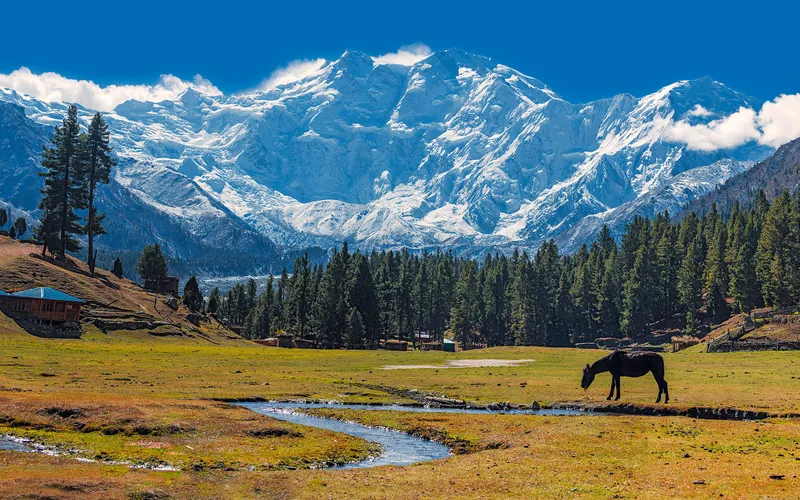
Rakhiot Flank & East Ridge (Original 1953 Route)
The historic original route on Nanga Parbat (8,126m), ascending from the Rakhiot Glacier over the heavily crevassed Rakhiot Icefall to reach the colossal Silbersattel (Silver Saddle) at 7,450 meters. From the saddle, the route traverses an immense high snow plateau for over three kilometers before negotiating the Bazhin Gap and climbing steep mixed rock ribs up the summit pyramid. Immortalized by Hermann Buhl's epic 41-hour solo summit without supplemental oxygen in July 1953.
Documented Expeditions (1)
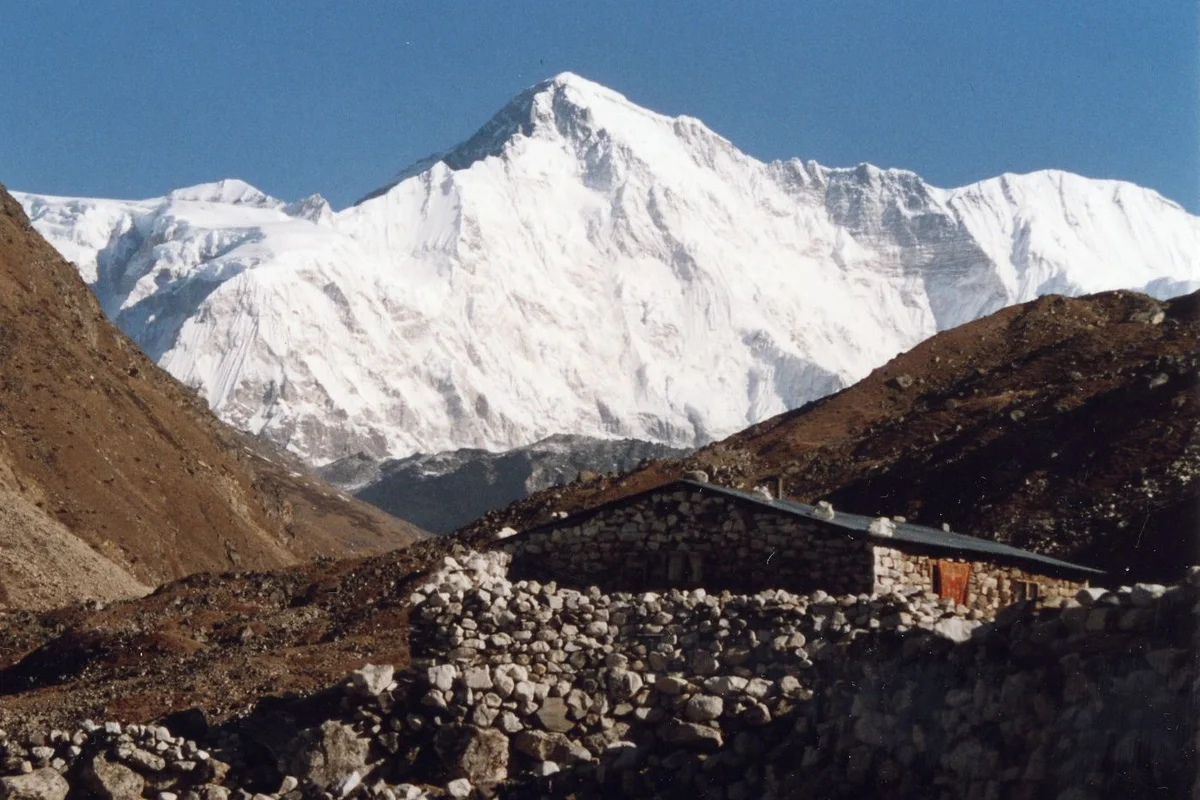
1985 Polish Cho Oyu Winter First Ascent
On February 12, 1985, Polish mountaineers Maciej Berbeka and Krzysztof Pankiewicz accomplished the historic first winter ascent of Cho Oyu (8,188m), pioneering a demanding new technical line via the Southwest Buttress in brutal sub-zero storms.
Associated Chronicles & Stories (1)
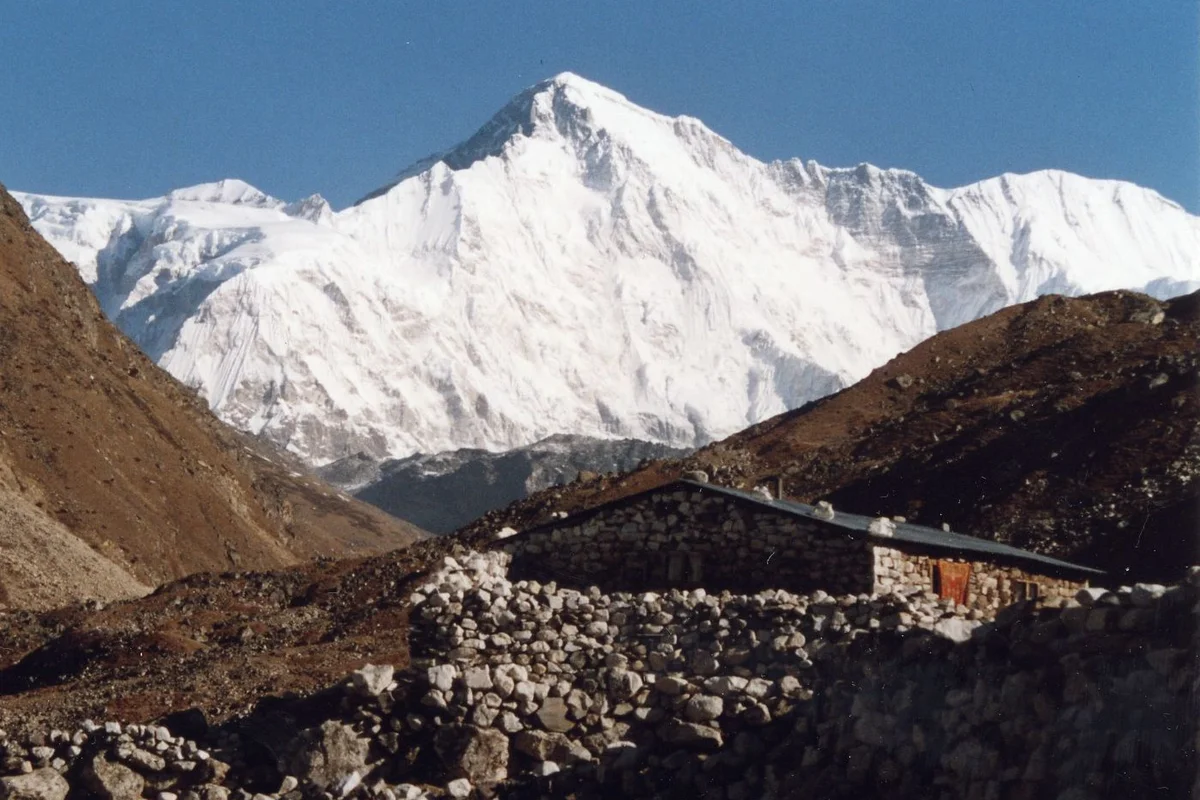
The Ice Warriors on the Turquoise Goddess: The 1985 Winter Ascent of Cho Oyu
On February 12, 1985, Polish mountaineers Maciej Berbeka and Krzysztof Pankiewicz accomplished the historic first winter ascent of Cho Oyu (8,188m) via a new technical Southwest Buttress.
Documented Sources & Archival Citations
- American Alpine Journal: Cho Oyu, First Winter Ascent by Polish Team(American Alpine Club)
Supporting claim: Official verification of the February 12, 1985 winter first ascent of Cho Oyu by Pankiewicz and Berbeka
Accessed/Documented: 1986 - Głos Seniora: Wspomnienie o Krzysztofie Pankiewiczu (1951-2009)(Polski Związek Alpinizmu (PZA))
Supporting claim: Official Polish Mountaineering Association biography and historical achievements
Accessed/Documented: 2009