Augustine Courtauld
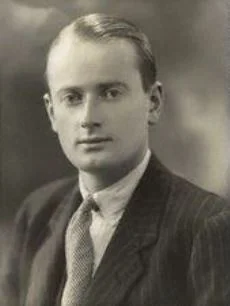
Augustine Courtauld was an intrepid British polar explorer and yachtsman renowned for his heroic five-month solitary winter vigil at Ice Cap Station during the 1930–1931 British Arctic Air Route Expedition. Trapped beneath feet of snow and ice in total Arctic darkness, his survival and dramatic rescue became a legend of polar exploration. Courtauld later co-sponsored the 1935 expedition that conquered Gunnbjørn Fjeld.
Mountain Safety & Conditions Disclaimer: High-altitude climbing, glacial travel, and technical ascents entail severe objective risks including avalanches, serac collapses, rapid weather collapse, and altitude illness. Historical route descriptions and summit claims on Mountanity reflect documented archival sources and must not be used as live operational safety assessments. Local regulations, permits, and physical glacial topography change continuously.
Peer Review: Senior Editorial Board & Historical Reviewers • Editorial Standards
Biographical Record & Archival Chronicle
Augustine Courtauld was born on August 26, 1904, in Braintree, Essex, England, into the prominent Courtauld industrial and textile family. Educated at Charterhouse and Trinity College, Cambridge, Courtauld developed formidable seamanship as a competitive deep-sea yachtsman and joined James Wordie's 1926 expedition to East Greenland and 1929 expedition to Jan Mayen, mastering Arctic maritime navigation and survival.
In 1930, Courtauld joined Gino Watkins' British Arctic Air Route Expedition as surveyor and meteorologist. To obtain vital year-round meteorological data for proposed North Atlantic commercial air routes, the expedition constructed an isolated weather station—Ice Cap Station—perched at 2,620 metres elevation on the crest of the Greenland Inland Ice. When winter reliefs were threatened by savage blizzards, Courtauld volunteered on December 6, 1930, to man the station entirely alone for the winter.
Over the ensuing five months, brutal polar blizzards completely buried the small dome tent beneath snow and rime. Courtauld's ventilation pipe froze, his kerosene supplies dwindled, and on March 22, 1931, the entrance tunnel collapsed, entombing him in utter darkness beneath the ice sheet. For six weeks in total silence, rationing food in sub-zero cold, Courtauld maintained his calm resolve until May 5, 1931, when Watkins, Chapman, and Rymill located the buried station's protruding vent pipe and dug him out alive and in high spirits.
Courtauld received the Polar Medal with Arctic Clasp in 1932. In 1935, he helped finance and plan the Anglo-Danish Expedition led by Lawrence Wager that conquered Gunnbjørn Fjeld. He served in the Royal Navy during World War II and authored 'Man the Mountain: An Anthology of Mount Exploration'. Courtauld died on March 3, 1959, at age 54, commemorated by Mount Augustine in East Greenland.
Notable Milestones & Ascents
- Endured a legendary 5-month solitary winter vigil at Ice Cap Station on the Greenland ice sheet (1930–1931)
- Recorded critical meteorological observations during the depth of the Arctic winter at -50°C
- Co-organized and sponsored the 1935 Anglo-Danish expedition that made the first ascent of Gunnbjørn Fjeld
- Awarded the Polar Medal with Arctic Clasp by King George V in 1932
- Compiled the acclaimed polar and mountaineering anthology 'Man the Mountain'
Key Statistics & Topographic Figures
- Lifespan
- 1904–1959 (Age 54)
- Nationality
- British
- Historic Feat
- 150-day solitary vigil at Ice Cap Station
- Peak Association
- Gunnbjørn Fjeld (1935 Sponsor)
- Decorations
- Polar Medal with Arctic Clasp (1932)
Archival Primary Source Quotations
“Solitude in the snow is not an enemy to be feared, but a sanctuary where the mind discovers its true strength.”
Defined Alpine Terminology & Concepts
- Ice Cap Station Vigil
- A historic 5-month solitary meteorological vigil conducted at 2,620m on the Greenland Inland Ice during the winter of 1930–1931.
- Pemmican
- A concentrated mixture of fat and protein used as dense survival food by high-latitude polar explorers.
Frequently Asked Questions: Augustine Courtauld
What is Augustine Courtauld most famous for in polar exploration?
He is famous for his heroic five-month solitary winter vigil at Ice Cap Station in 1930–1931, buried in darkness beneath the Greenland ice sheet.
What contribution did Courtauld make to the conquest of Gunnbjørn Fjeld?
Courtauld helped finance and organize the 1935 Anglo-Danish Expedition led by Lawrence Wager that achieved the maiden first ascent of Gunnbjørn Fjeld.
What geographical feature is named after Augustine Courtauld?
Mount Augustine in East Greenland is named in his honor, commemorating his resilience and contributions to polar exploration.
Associated Summits (1)

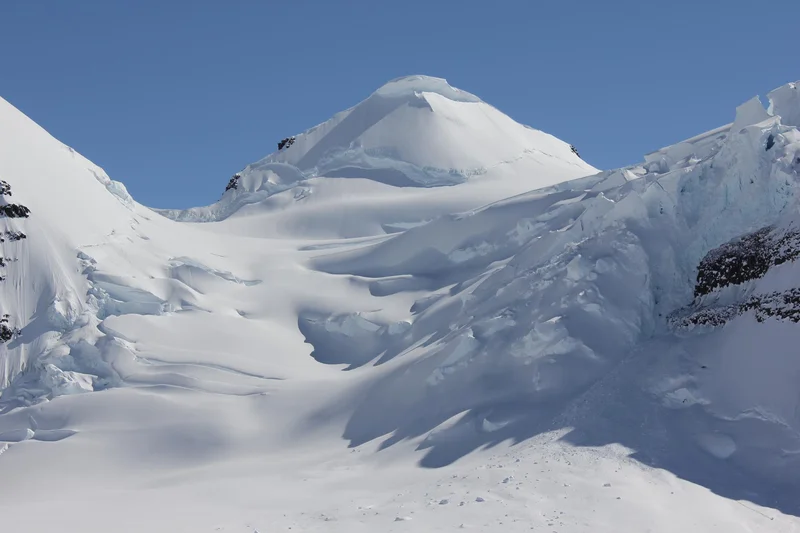
Gunnbjørn Fjeld
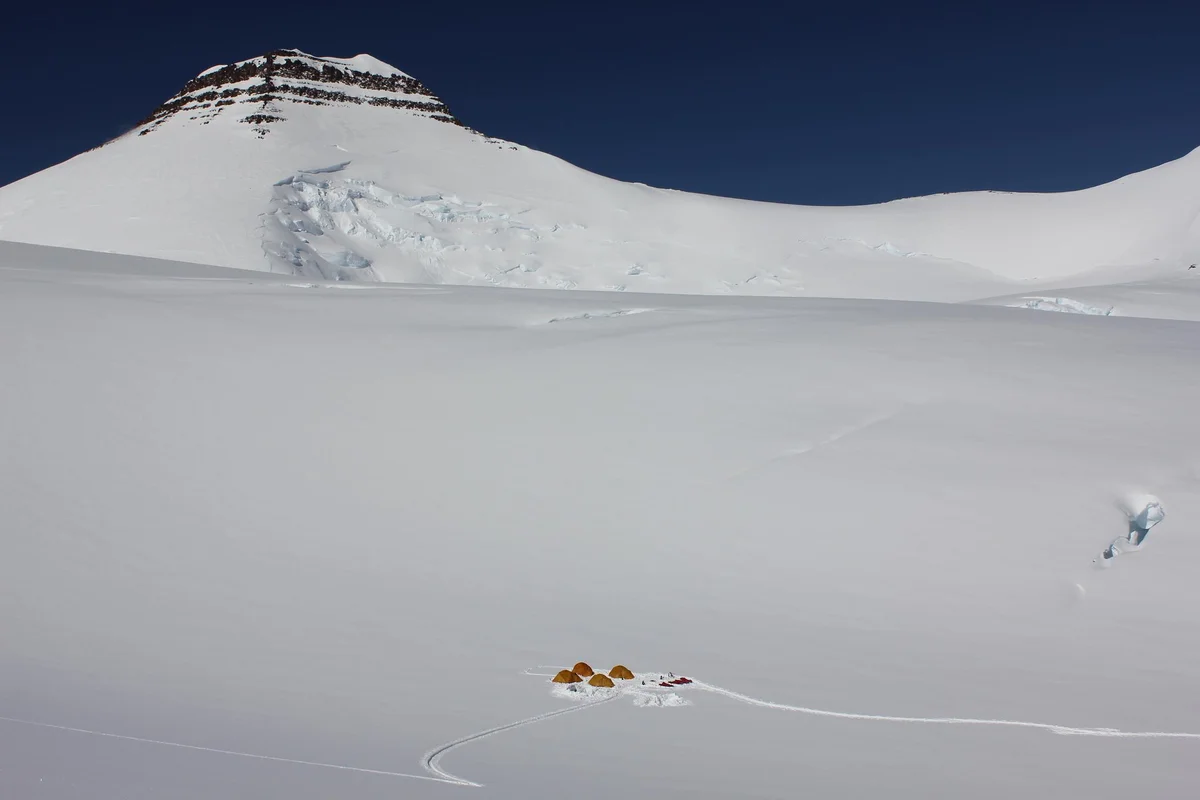
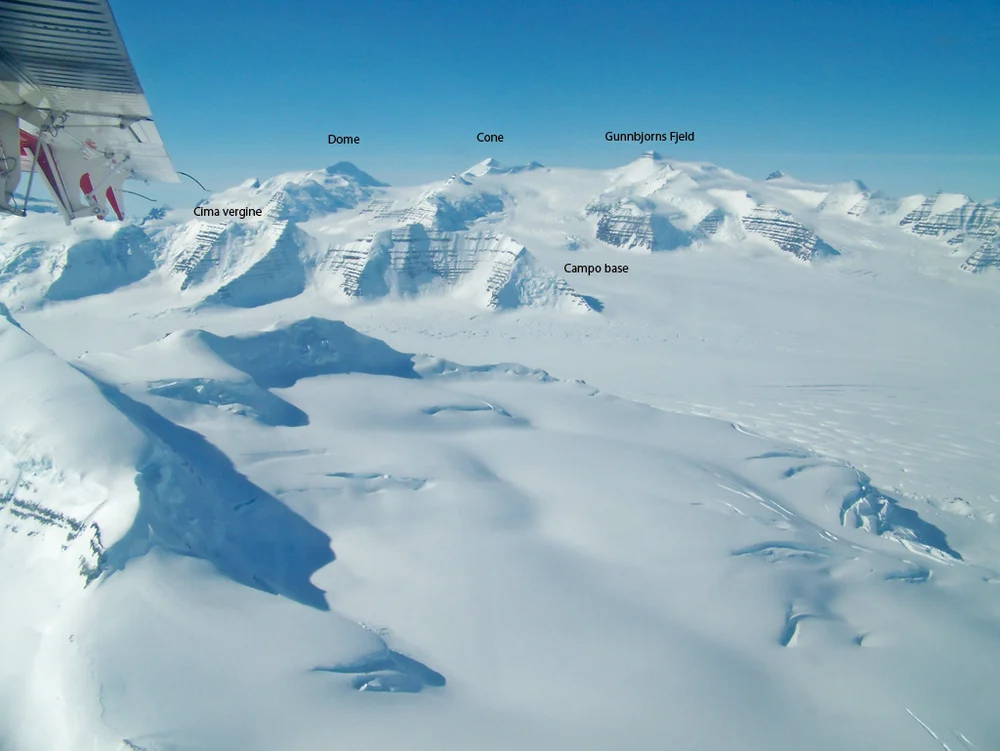
Gunnbjørn Fjeld is the highest mountain in Greenland and the highest peak north of the Arctic Circle at 3,694 metres (12,119 ft). Rising as an enormous basaltic nunatak above the glaciated plateau of the Watkins Range in East Greenland, it was first sighted from the air in 1930 by Gino Watkins and named after the 9th-century Norse explorer Gunnbjørn Ulfsson. The maiden first ascent was achieved on August 16, 1935, by Lawrence Wager, Ebbe Munck, Jack Longland, and Patrick Courtauld during an Anglo-Danish expedition. Climbing Gunnbjørn Fjeld involves moderate alpine glacier ascents, but requires complete self-reliance against extreme polar gales, severe windchill, and isolated Arctic conditions.
Pioneered & Associated Routes (1)
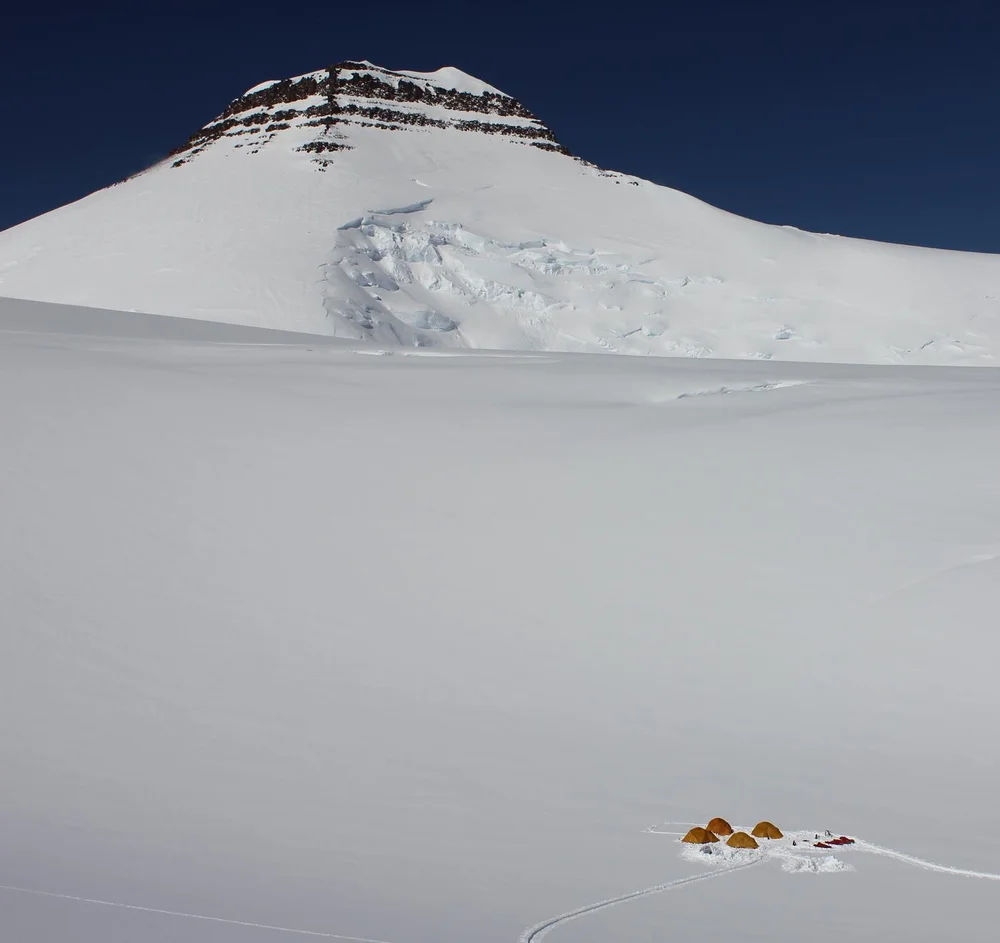
South Ridge Normal Route of Gunnbjørn Fjeld
The South Ridge Normal Route on Gunnbjørn Fjeld ascends from the upper glaciated basin of the Watkins Range to follow a broad, windswept snow and ice ramp onto the narrow summit ridge. First climbed on August 16, 1935, by Lawrence Wager, Ebbe Munck, Jack Longland, and Patrick Courtauld, it is the classic line to the highest summit in the Arctic. Although technical difficulties are modest (Grade II alpine snow up to 35 degrees), climbers must manage severe Arctic cold, hidden crevasses, and utter remote wilderness where rescue by ski-equipped aircraft is weather-dependent.
Documented Expeditions (3)
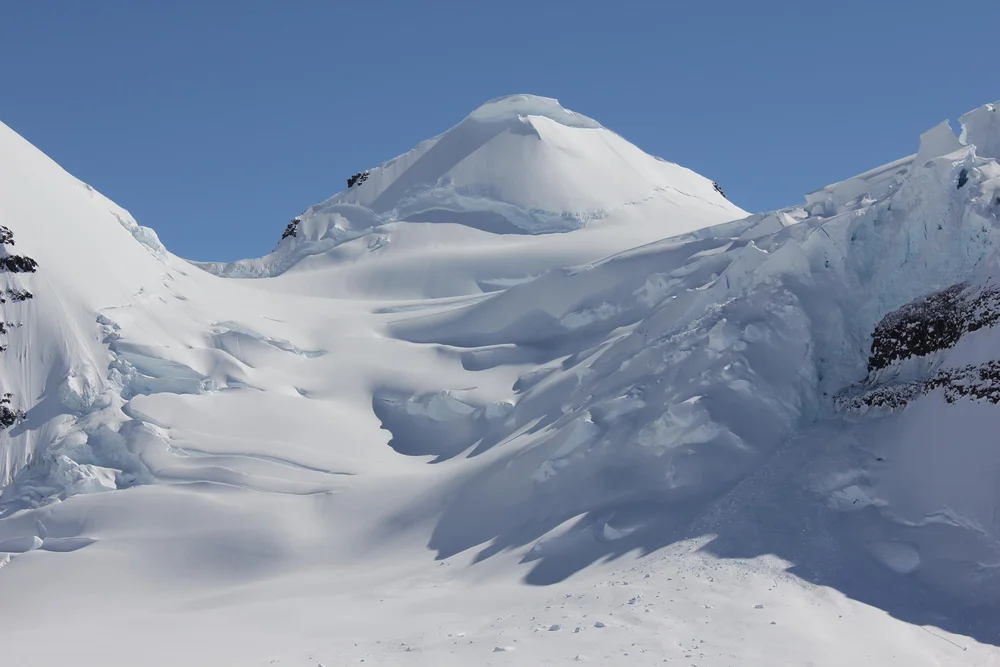
1930–1931 Augustine Courtauld Five-Month Solitary Winter Vigil at Ice Cap Station
From December 6, 1930, to May 5, 1931, British explorer Augustine Courtauld spent five months completely alone manning Ice Cap Station at 2,620 metres on the Greenland ice sheet. Buried beneath severe snowdrifts for six weeks in total darkness when his entrance collapsed, Courtauld maintained precise weather observations until rescued by Gino Watkins.
1930–1931 British Arctic Air Route Expedition (BAARE) Discovery of the Watkins Range
Led by 23-year-old Gino Watkins, the 1930–1931 British Arctic Air Route Expedition conducted the definitive scientific exploration of East Greenland. Using de Havilland Gipsy Moth aircraft and dog sleds, Watkins discovered the Watkins Range, discovered Gunnbjørn Fjeld (3,694 m), mapped the Schweizerland Alps, and surveyed potential transatlantic air corridors.
1935 Lawrence Wager & Ebbe Munck Anglo-Danish Expedition Historic First Ascent of Gunnbjørn Fjeld
On August 16, 1935, a joint Anglo-Danish party led by Lawrence Wager and Ebbe Munck achieved the historic maiden first ascent of Gunnbjørn Fjeld (3,694 m), the highest peak north of the Arctic Circle. Climbing via the South Ridge snowfields from the Watkins glacier, Wager, Munck, Jack Longland, and Patrick Courtauld conquered the roof of the Arctic.
Associated Chronicles & Stories (1)
Buried Alive in the Ice: Augustine Courtauld's Five-Month Solitary Vigil
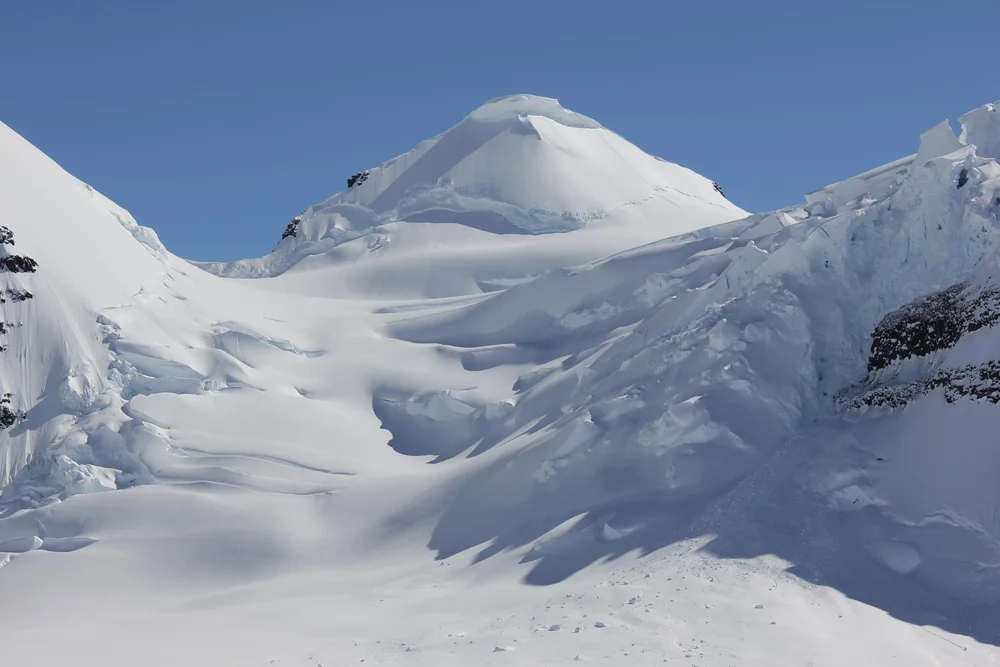
Trapped in darkness for five months beneath the Greenland Ice Sheet at -50°C, Augustine Courtauld survives one of the most harrowing solitary vigils in polar history.
Documented Sources & Archival Citations
- Northern Lights: The Official Account of the British Arctic Air Route Expedition(F. Spencer Chapman / Chatto & Windus)
Supporting claim: Comprehensive narrative of the Ice Cap Station vigil and rescue
Accessed/Documented: 1932 - The Survival of Augustine Courtauld(The Polar Record / Scott Polar Research Institute)
Supporting claim: Memorial and analytical retrospective of polar meteorology
Accessed/Documented: 1960