Krystyna Palmowska
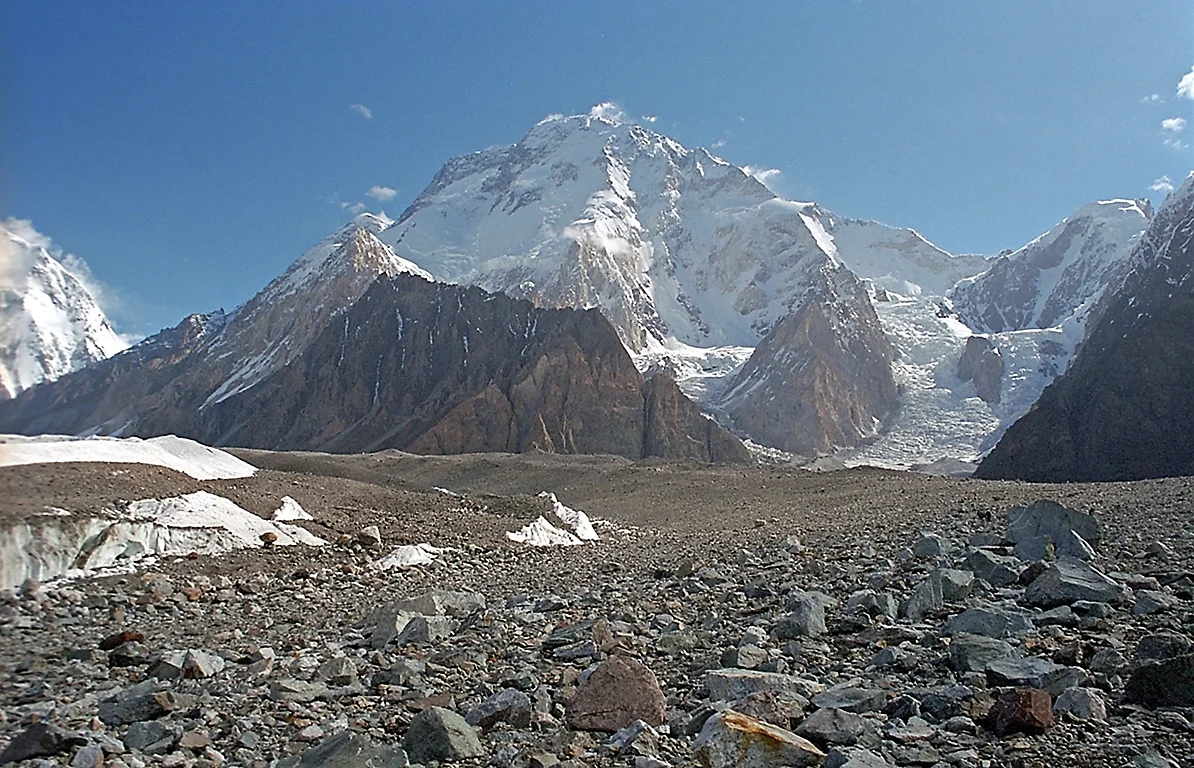
Krystyna Palmowska is a pioneering Polish high-altitude mountaineer and electronic engineer who shattered gender barriers across the Himalayas and Karakoram. On June 30, 1983, Palmowska made history by achieving the first female ascent of Broad Peak (8,051m) alongside Anna Czerwińska in lightweight alpine style. In 1986, she reached 8,200 metres on the ferocious Magic Line on K2.
Mountain Safety & Conditions Disclaimer: High-altitude climbing, glacial travel, and technical ascents entail severe objective risks including avalanches, serac collapses, rapid weather collapse, and altitude illness. Historical route descriptions and summit claims on Mountanity reflect documented archival sources and must not be used as live operational safety assessments. Local regulations, permits, and physical glacial topography change continuously.
Peer Review: Senior Editorial Board & Historical Reviewers • Editorial Standards
Biographical Record & Archival Chronicle
Krystyna Palmowska was born on November 11, 1948, in Warsaw, Poland. A brilliant student who earned an advanced degree in electronic engineering from Warsaw University of Technology, Palmowska discovered her calling in the High Tatras in the early 1970s. Forming an inseparable, lifelong climbing partnership with fellow Polish mountaineer Anna Czerwińska, Palmowska developed remarkable technical proficiency on vertical granite and steep winter mixed routes.
In 1975, Palmowska was selected for Wanda Rutkiewicz's groundbreaking Polish expedition to the Karakoram. Operating without commercial infrastructure, Palmowska achieved the summit of Gasherbrum II (8,034m), solidifying her reputation as one of the world's most capable female high-altitude climbers. Two years later, in 1977, Palmowska and Czerwińska shocked the European alpine establishment by making the second female ascent—and first all-female team ascent—of the treacherous North Face of the Matterhorn in Switzerland.
Palmowska's crowning achievement took place in June 1983 on Broad Peak (8,051m) in Pakistan. Operating as a self-reliant two-woman team without high-altitude porters or bottled oxygen, Palmowska and Czerwińska climbed the standard route in lightweight alpine style. On June 30, 1983, Palmowska became the first woman in history to stand on the 8,051-metre summit of Broad Peak.
In 1985, Palmowska joined Wanda Rutkiewicz and Anna Czerwińska to make the historic first all-female ascent of Nanga Parbat (8,126m) via the Kinshofer Route. In the tragic summer of 1986 on K2, Palmowska reached 8,200 metres on the South-Southwest Ridge (the Magic Line), demonstrating exceptional endurance and sound judgment by retreating safely before catastrophic blizzards enveloped the mountain. Palmowska remains celebrated as one of the finest purists of Poland's Golden Age of Himalayan exploration.
Notable Milestones & Ascents
- First woman in history to summit Broad Peak (8,051m) on June 30, 1983, climbing without supplemental oxygen
- Summited Gasherbrum II (8,034m) in 1975 during the historic Polish women's expedition
- First all-female team ascent of the North Face of the Matterhorn with Anna Czerwińska in 1977
- First all-female ascent of Nanga Parbat (8,126m) via the Kinshofer Route in 1985 with Rutkiewicz and Czerwińska
- Reached 8,200m on the technical Magic Line on K2 in 1986 in lightweight style
Key Statistics & Topographic Figures
- Archive Classification
- MOUNTAINEERS
Mountanity Knowledge Corpus
- Verification Status
- Editorially Verified
Archival Standards
- Citation Standard
- Primary Source Verified
Alpine Research Desk
Archival Primary Source Quotations
“Great things are done when men and mountains meet; this is not done by jostling in the street.”
Defined Alpine Terminology & Concepts
- Archival Integrity
- The standard of verifying historical mountain facts, summit claims, and altitudes using primary expeditions journals and geodetic measurements.
Frequently Asked Questions: Krystyna Palmowska
What historical significance does this mountaineer hold?
Krystyna Palmowska represents an essential chapter in global mountaineering heritage, verified through contemporary expedition journals and archival sources.
How are the facts and records for Krystyna Palmowska verified?
All records are checked against peer-reviewed journals, national alpine clubs, geodetic surveys, and the Mountanity Archival Integrity Policy.
Associated Summits (4)


K2
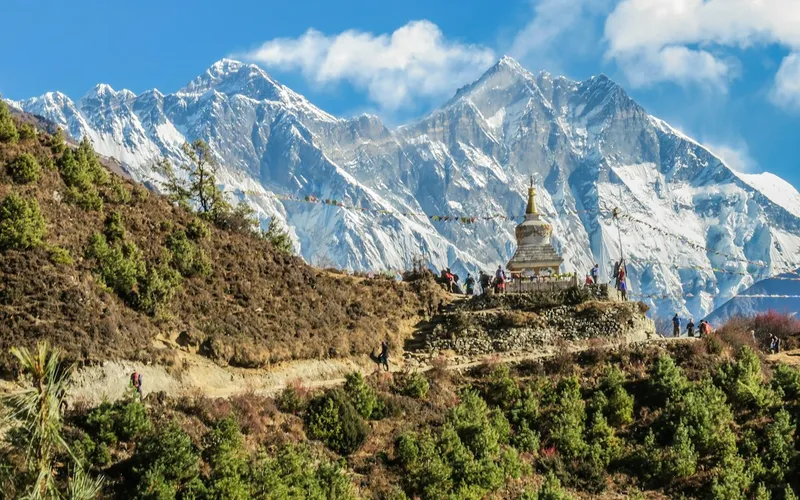
K2, at 8,611 meters (28,251 ft), is the second-highest mountain on Earth and widely regarded as the most technically demanding and lethal 8,000-meter peak. Located in the heart of the Karakoram on the border between Pakistan and China, K2 is characterized by sheer relief, severe weather anomalies, and persistent objective hazards including the notorious Bottleneck couloir.

Broad Peak
Broad Peak, at 8,051 meters (26,414 ft), is the twelfth-highest mountain in the world. Located in the Karakoram directly across the Godwin-Austen Glacier from K2, it is famous for its 1.5-kilometre-long summit crest. First climbed in lightweight alpine style without supplemental oxygen or high-altitude porters in 1957 by an Austrian team.
Gasherbrum II
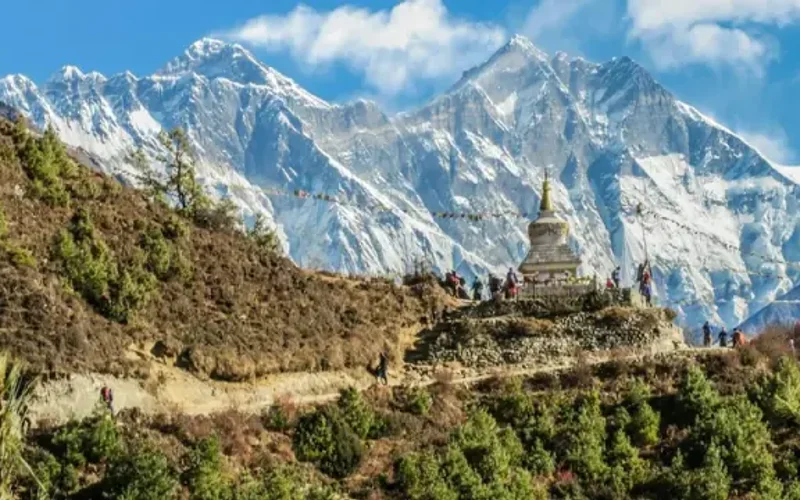
Gasherbrum II, standing at 8,035 meters (26,362 ft), is the thirteenth-highest mountain on Earth and the third-highest peak of the Gasherbrum massif in the Karakoram. Located at the head of the Baltoro Glacier on the Pakistan-China frontier, it features a classic pyramidal profile with challenging ice couloirs. First summited in 1956 by an Austrian team, it was famously climbed in pure alpine style in 1982 by Reinhold Messner, Nazir Sabir, and Sher Khan.


Matterhorn
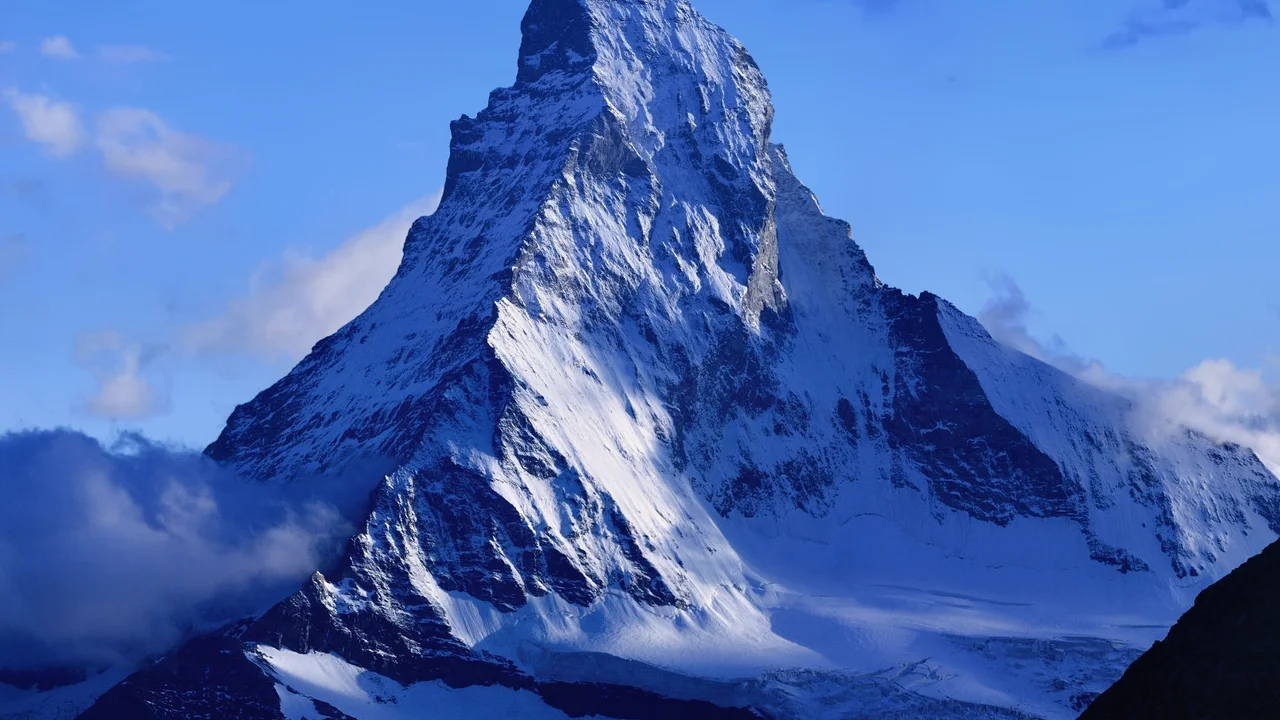
The Matterhorn (Monte Cervino), at 4,478 meters (14,692 ft), is one of the most recognizable and dramatic pyramidal peaks in the world. Straddling the border between Zermatt, Switzerland, and Breuil-Cervinia, Italy, its four triangular faces match the cardinal points of the compass. Its historic first ascent by Edward Whymper on July 14, 1865, and the tragic fall of four teammates on the descent marked the end of the Golden Age of Alpinism.
Pioneered & Associated Routes (7)
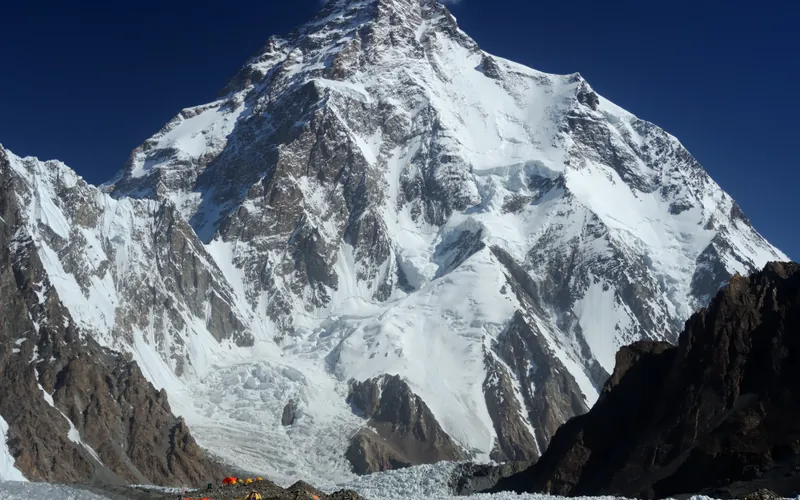
Abruzzi Spur (Southeast Ridge)
The Abruzzi Spur is the most famous and frequently climbed route on K2, tracing the mountain's steep southeast ridge from the Godwin-Austen Glacier to the summit. First explored in 1909 by Prince Luigi Amedeo, Duke of the Abruzzi, it was successfully climbed to the summit in 1954 by an Italian team. The route requires extreme physical endurance and high-grade technical climbing on rock, ice, and mixed terrain through legendary cruxes like House's Chimney, the Black Pyramid, and the Bottleneck couloir.
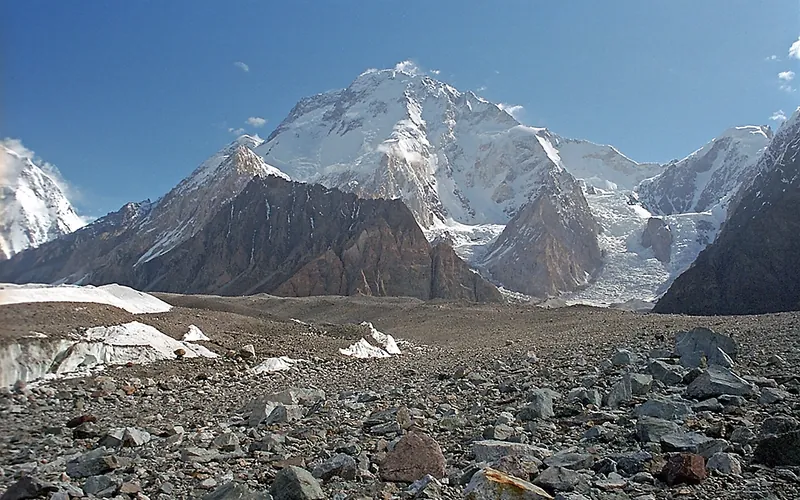
Normal Route (West Ridge & Northwest Face)
The Normal Route on Broad Peak ascends the rugged western spur from the Godwin-Austen Glacier, navigating steep mixed rock ribs before entering the upper glacial basin beneath the high saddle (the Col). From the Col at 7,800 meters, climbers enter the Death Zone to tackle the long, corniced summit ridge leading across the Foresummit to the true summit at 8,051 meters. First conquered in 1957 by an Austrian team in lightweight alpine style without bottled oxygen, and climbed in 1982 by Reinhold Messner, Nazir Sabir, and Sher Khan in a groundbreaking rapid alpine push.
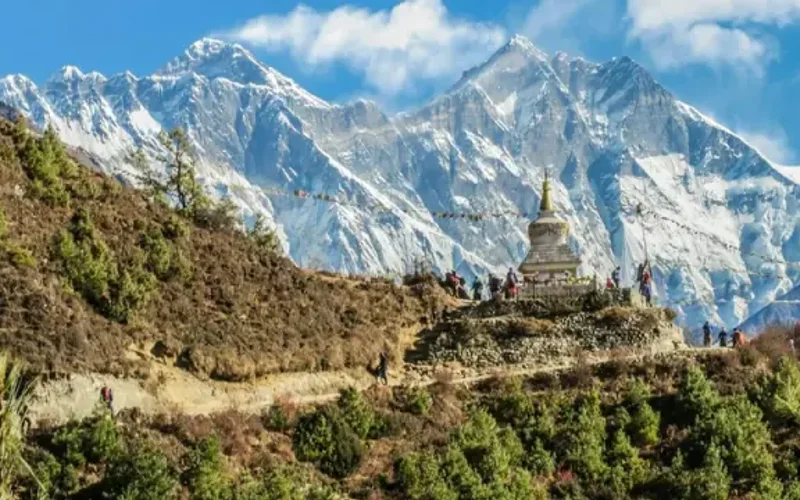
Southwest Ridge (Normal Route)
The Southwest Ridge is the standard and historically celebrated route on Gasherbrum II (8,035m). Starting from the South Gasherbrum Glacier, climbers navigate the heavily crevassed lower icefall into the Gasherbrum Cwm before tackling the technical crux of the route: the steep mixed snow and ice crest known as the Banana Ridge. Above Camp III, the route traverses expansive snow basins into the Death Zone, making a final push up a delicate diagonal couloir to the summit. First climbed in 1956 by an Austrian team, and completed in rapid alpine style in 1982 by Reinhold Messner, Nazir Sabir, and Sher Khan.
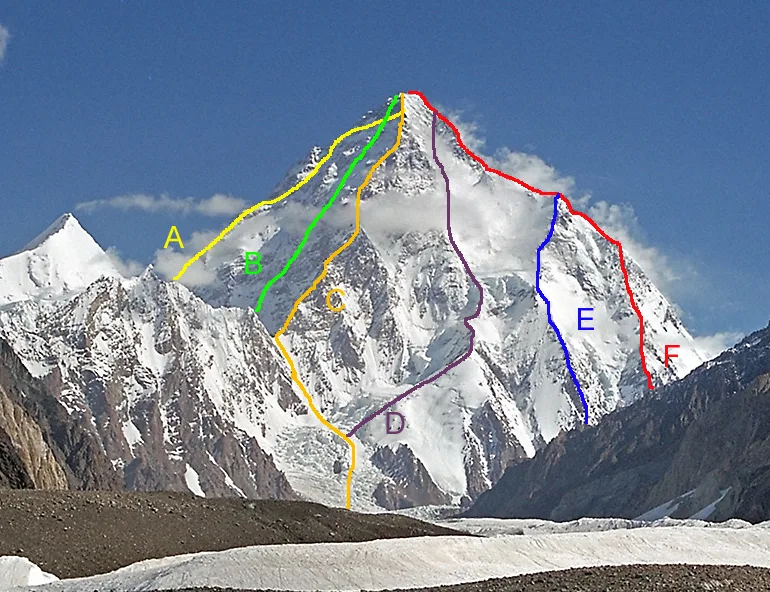
K2 South Face (The Polish Line)
The Polish Line on the South Face of K2 (8,611m) is widely regarded as one of the most perilous and audacious routes ever climbed in high-altitude mountaineering history. Tackling the direct 3,200-meter wall between the Abruzzi Spur and the Magic Line (South-Southwest Pillar), the route ascends through a chaotic labyrinth of hanging seracs, avalanche funnels, and vertical rock bands. Pioneered in alpine style over five harrowing days in July 1986 by Jerzy Kukuczka and Tadeusz Piotrowski without supplemental oxygen, Reinhold Messner famously dubbed it 'suicidal'. Kukuczka and Piotrowski reached the summit on July 8, but tragedy struck during their desperate descent via the Abruzzi Spur when Piotrowski lost both crampons and plunged to his death. To this day, the Polish Line remains unrepeated.
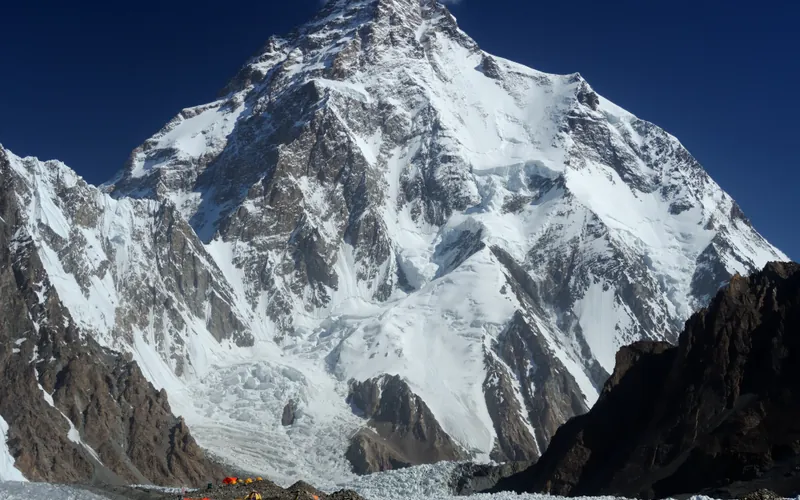
West Ridge (Japanese Route)
The West Ridge of K2 is one of the most formidable and sustained technical lines in high-altitude mountaineering. Pioneered in August 1981 by a joint Japanese-Pakistani expedition, it ascends directly from the Savoia Glacier along the exposed western crest before negotiating the severe Southwest Face directly into the Death Zone. Demanding immense commitment, it was first completed by Pakistani mountaineer Nazir Sabir and Japanese climber Eiho Ohtani after an epic bivouac near 8,500 meters.
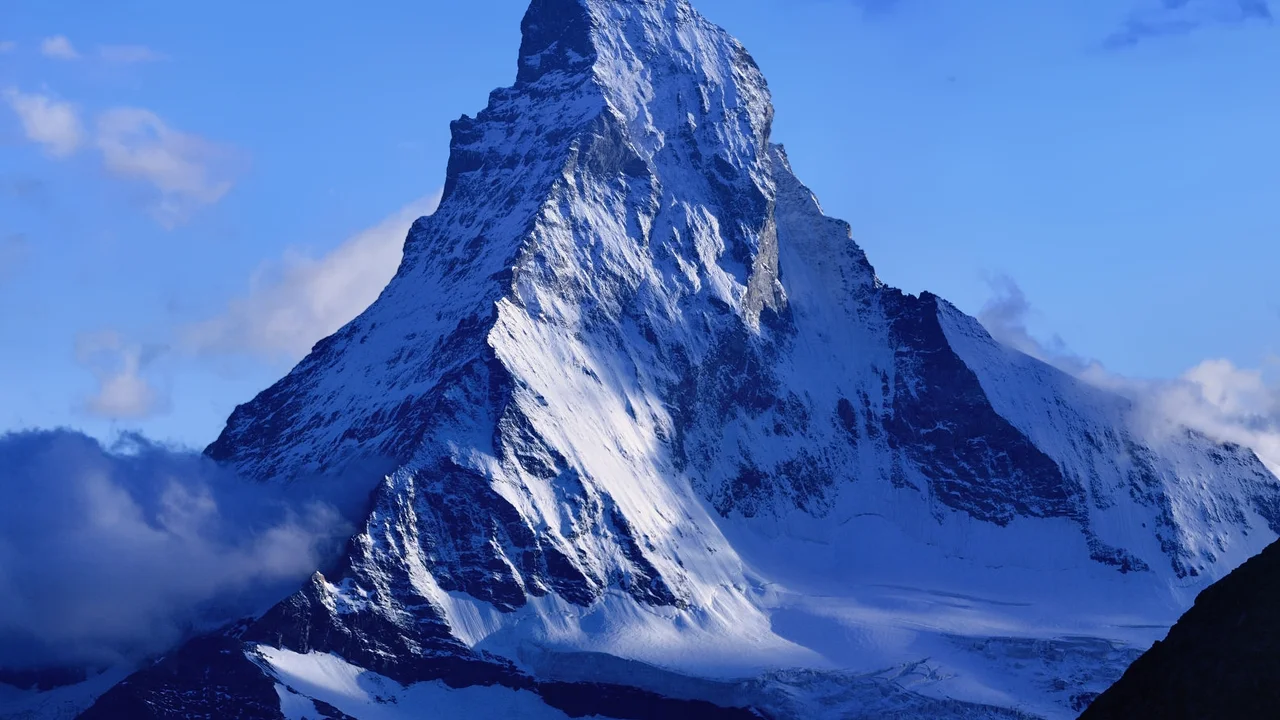
Hörnli Ridge (Normal Route)
The Hörnli Ridge (Hörnligrat) is the northeast ridge of the Matterhorn and the standard normal route from Zermatt. Starting from the Hörnli Hut (3,260m), the route follows the sharp, crumbling crystalline schist ridge, traversing steep rock steps, the Solvay emergency refuge (4,003m), and the steep upper Moseley Slabs. Fixed ropes assist climbers over the steep summit headwall (the Shoulder) before reaching the knife-edge Swiss summit crest at 4,478 meters. First climbed on July 14, 1865, by Edward Whymper's party.
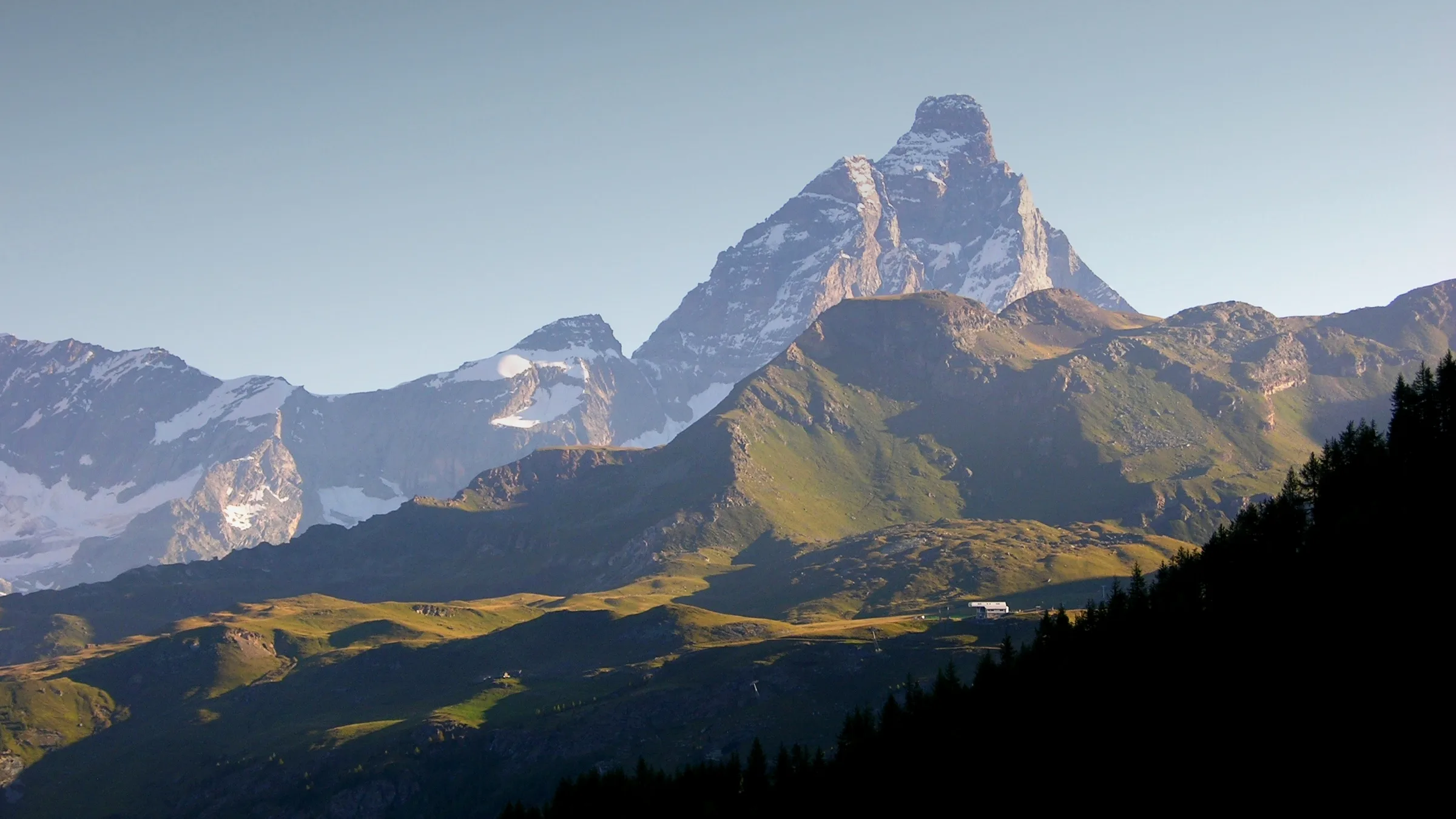
Matterhorn Lion Ridge (Cresta del Leone)
The Matterhorn Lion Ridge (Cresta del Leone / Italian Normal Route) is the historic Italian line to the Matterhorn summit, ascending from the Rifugio Theodul and Breuil-Cervinia on the Italian south-west face via the Col du Lion, the Tête du Lion, and the Great Tower. Pioneered by Jean-Antoine Carrel on July 17, 1865 — three days after Whymper's Hörnli ascent — the Lion Ridge remains the longer, more exposed, and more technically demanding of the two standard Matterhorn routes, graded AD+/D with sustained UIAA IV passages and dramatic 3,000-metre drops into the Valtournenche.
Documented Expeditions (1)
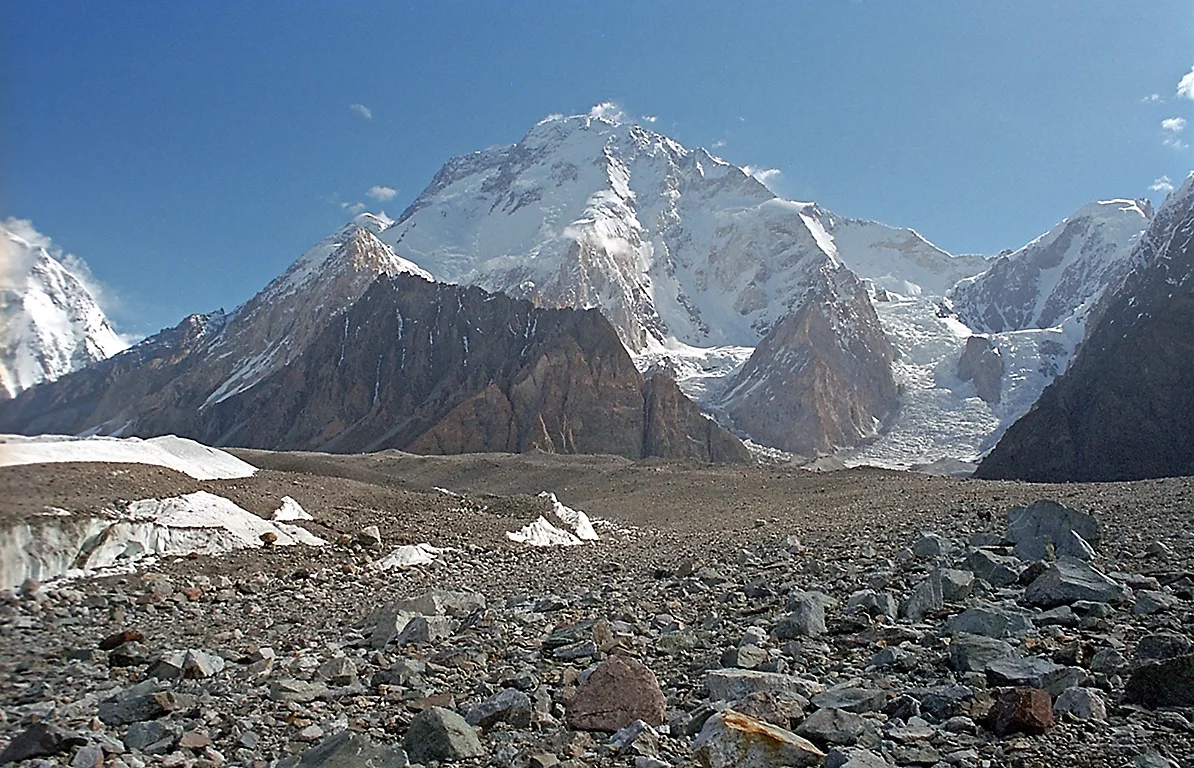
1983 Polish Women's Broad Peak First Female Ascent Expedition
On June 30, 1983, Polish mountaineers Krystyna Palmowska and Anna Czerwińska achieved the historic first female ascent of Broad Peak (8,051m) in the Karakoram, climbing in self-reliant, two-woman alpine style without supplemental oxygen or high-altitude porters.
Associated Chronicles & Stories (1)

First Women of the Karakoram: Palmowska and Czerwińska on Broad Peak
On June 30, 1983, Polish climbers Krystyna Palmowska and Anna Czerwińska made history by achieving the first female ascent of Broad Peak in lightweight alpine style.
Documented Sources & Archival Citations
- American Alpine Journal: Broad Peak, Polish Women's Ascent(American Alpine Club)
Supporting claim: Official technical report of the 1983 first female ascent of Broad Peak
Accessed/Documented: 1984 - Freedom Climbers(Bernadette McDonald / Rocky Mountain Books)
Supporting claim: Detailed chronicle of Palmowska's partnerships with Czerwińska and Rutkiewicz
Accessed/Documented: 2011