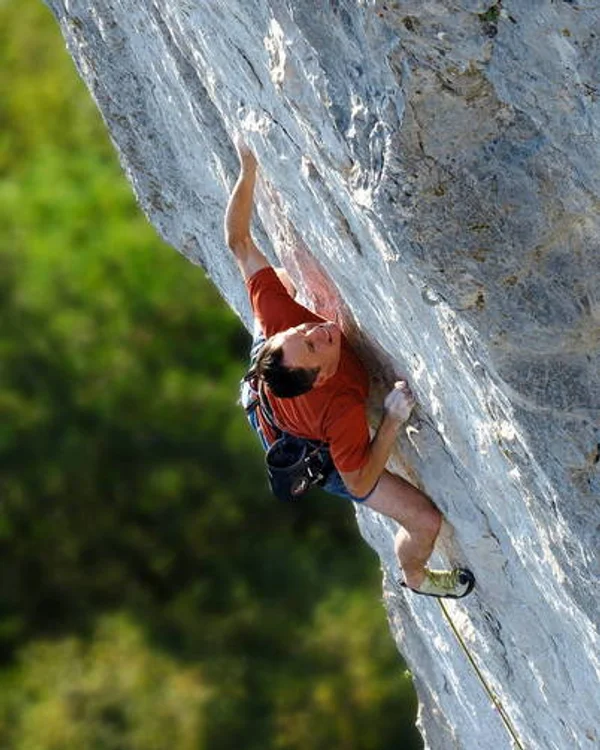
Marko Prezelj
Marko Prezelj (born 1965) is a world-renowned Slovenian alpine mountaineer and photographer celebrated as the only climber in history to win the prestigious Piolet d'Or four times. A fiercely vocal champion of lightweight, unassisted alpine style, Prezelj revolutionized technical high-altitude climbing on Kangchenjunga, Chomolhari, Hagshu, and Cerro Kishtwar without supplemental oxygen or siege tactics.
Mountain Safety & Conditions Disclaimer: High-altitude climbing, glacial travel, and technical ascents entail severe objective risks including avalanches, serac collapses, rapid weather collapse, and altitude illness. Historical route descriptions and summit claims on Mountanity reflect documented archival sources and must not be used as live operational safety assessments. Local regulations, permits, and physical glacial topography change continuously.
Peer Review: Senior Editorial Board & Historical Reviewers • Editorial Standards
Biographical Record & Archival Chronicle
Marko Prezelj was born on October 13, 1965, in Kamnik, Slovenia. Training in the rugged limestone walls of the Kamnik-Savinja Alps, he combined a degree in chemical engineering from the University of Ljubljana with an intense devotion to pure alpine climbing. Prezelj quickly established himself as an outspoken, visionary purist who rejected heavy siege logistics, fixed ropes, and supplemental oxygen, insisting that the value of climbing lay strictly in the honesty and uncertainty of the experience.
In October 1991, at twenty-six years of age, Prezelj partnered with veteran Andrej Štremfelj on the towering, unclimbed South Ridge of Kangchenjunga (8,476m South Peak). Carrying all equipment in their backpacks and bivouacking on steep ice shelves, they completed the massive 3,000-meter route in pure alpine style. Their ascent earned them the inaugural Piolet d'Or in 1992, setting a new global standard for lightweight high-altitude climbing.
Over the subsequent three decades, Prezelj amassed an unparalleled record of cutting-edge first ascents on the world's most technical peaks. He became the only person in history to win the Piolet d'Or four separate times: for Kangchenjunga in 1992, Chomolhari Northwest Pillar in 2007 (with Boris Četelis), the North Face of Hagshu in 2015 (with Aleš Česen and Luka Lindič), and the East Face of Cerro Kishtwar in 2016 (with Urban Novak, Manu Pellissier, and Hayden Kennedy). Also renowned for the first alpine-style ascent of the North Face of North Twin in Canada with Steve House, Prezelj is celebrated as the conscience and foremost philosopher of modern alpine-style mountaineering.
Notable Milestones & Ascents
- The only mountaineer in history to receive the Piolet d'Or four times (1992, 2007, 2015, and 2016)
- Won the inaugural Piolet d'Or in 1992 for the first alpine-style ascent of Kangchenjunga South Ridge (8,476m) with Andrej Štremfelj
- Completed the first ascent of the Northwest Pillar of Chomolhari (7,326m) in 2006
- Made the first ascent of the North Face of Hagshu (6,657m) in India in 2014
- Made the first ascent of the East Face of Cerro Kishtwar (6,173m) in 2015 with Hayden Kennedy and team
- Achieved the first alpine-style ascent of the North Face of North Twin with Steve House in 2004
Key Statistics & Topographic Figures
- Lifespan
- Born October 13, 1965
Kamnik, Slovenia
- Piolets d’Or Count
- 4 Awards (World Record)
1992, 2007, 2015, and 2016 Laureate
- Kangchenjunga South Ridge
- October 19, 1991 (8,476m)
Inaugural Piolet d’Or Winner (Alpine Style)
- Guide Certification
- IFMGA / UIAGM Master Guide
Slovenian Mountain Guides Association
- North Twin North Face
- First Alpine Style Ascent
With Steve House in 2004 (Canadian Rockies)
Archival Primary Source Quotations
“Climbing is not about conquering; it is an open-ended dialogue with the mountain where uncertainty gives the experience its beauty.”
Defined Alpine Terminology & Concepts
- Pure Alpine Style
- A climbing ethic where a small team ascends a peak continuously from base to summit carrying all gear on their backs without pre-placed ropes or oxygen.
- Piolet d’Or (Golden Ice Axe)
- The premier international mountaineering award founded in 1991 to recognize the most ethical and visionary alpine ascents of each year.
Frequently Asked Questions: Marko Prezelj
Who is Marko Prezelj and what unique world record does he hold?
Marko Prezelj is a Slovenian alpinist who holds the all-time world record as the only climber to win the Piolet d’Or four times.
Which climbs earned Marko Prezelj his four Piolets d’Or?
Kangchenjunga South Ridge (1992), Chomolhari Northwest Pillar (2007), Hagshu North Face (2015), and Cerro Kishtwar East Face (2016).
What climbing style does Marko Prezelj fiercely advocate?
He advocates pure, unassisted alpine style: climbing without supplemental oxygen, fixed ropes, high-altitude porters, or siege camps.
When did Marko Prezelj make his alpine-style breakthrough on Kangchenjunga?
In October 1991, at age twenty-six, he climbed the 3,000-metre South Ridge of Kangchenjunga South (8,476m) with Andrej Štremfelj.
What famous North American alpine climb did Marko Prezelj achieve?
In 2004, Prezelj and Steve House completed the first alpine-style ascent of the formidable North Face of North Twin in Canada.
What profession did Marko Prezelj train in before climbing professionally?
He earned a degree in chemical engineering from the University of Ljubljana before becoming an IFMGA guide and photographer.
Why is Marko Prezelj considered the philosophical conscience of modern alpinism?
He consistently critiques media-driven commercialism, arguing that true mountaineering value lies in uncertainty and personal ethics.
What role does photography play in Marko Prezelj’s mountaineering career?
He is an acclaimed high-altitude photographer, capturing authentic, unfiltered images of extreme climbs in real time.
Associated Summits (4)
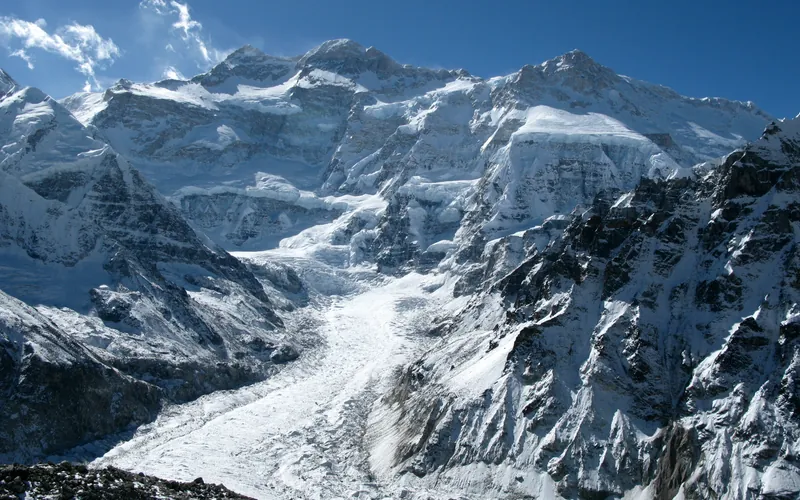


Kangchenjunga
Kangchenjunga, at 8,586 meters (28,169 ft), is the third-highest mountain on Earth, rising on the border between Nepal and Sikkim, India. Honored as sacred by locals, early ascent teams respected local beliefs by stopping short of the actual highest crest. It features immense vertical relief and notorious storm cycles.
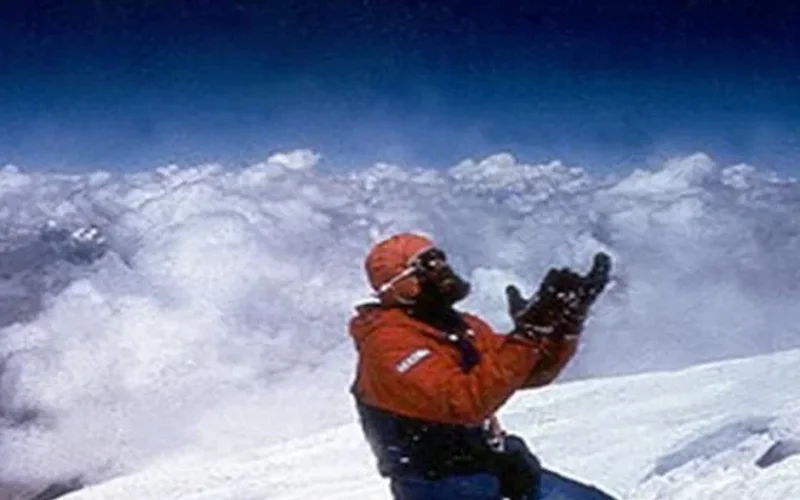


Gasherbrum I
Gasherbrum I, at 8,068 meters (26,470 ft), is the eleventh-highest mountain in the world. Named 'Hidden Peak' by explorer William Martin Conway due to its concealment behind surrounding Karakoram giants, it stands on the border between Pakistan and China. The peak was first climbed in 1958 by an American team led by Nick Clinch, and in 1992 Nazir Sabir summited it with Rajab Shah and Mehrban Shah, marking his fourth Pakistani eight-thousander.
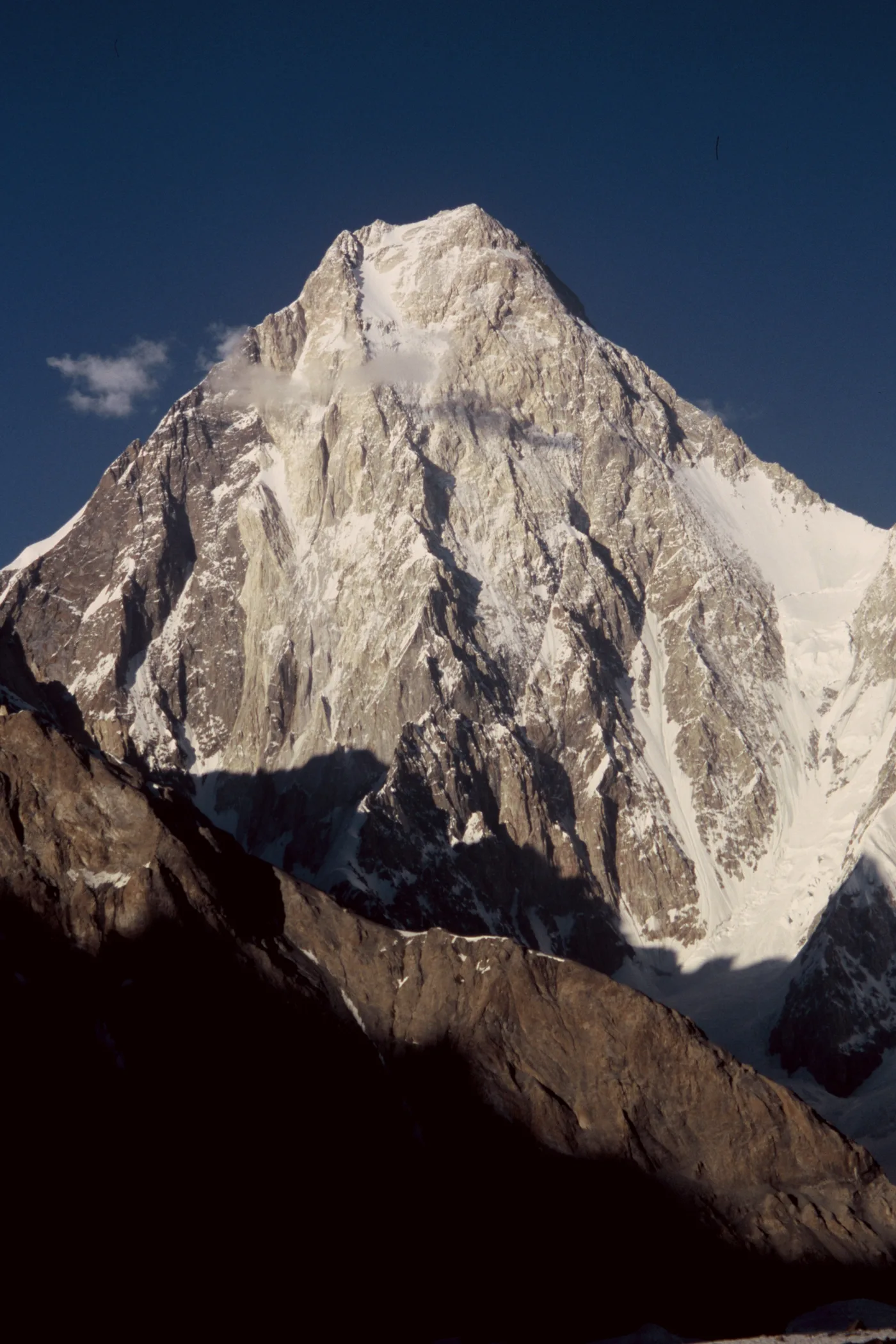
Gasherbrum IV
Gasherbrum IV, at 7,925 meters (26,001 ft), is the 17th highest mountain on Earth and the 6th highest in Pakistan. Rising dramatically at the head of the Baltoro Glacier, its breathtaking 2,500-meter West Face of sheer limestone and marble—termed 'The Shining Wall'—is regarded as one of the ultimate technical mountaineering challenges on the planet. First climbed in 1958 by Walter Bonatti and Carlo Mauri via the Northeast Ridge, it later saw the legendary 1985 alpine-style ascent of its West Face by Wojciech Kurtyka and Robert Schauer, widely called the 'Climb of the Century'.
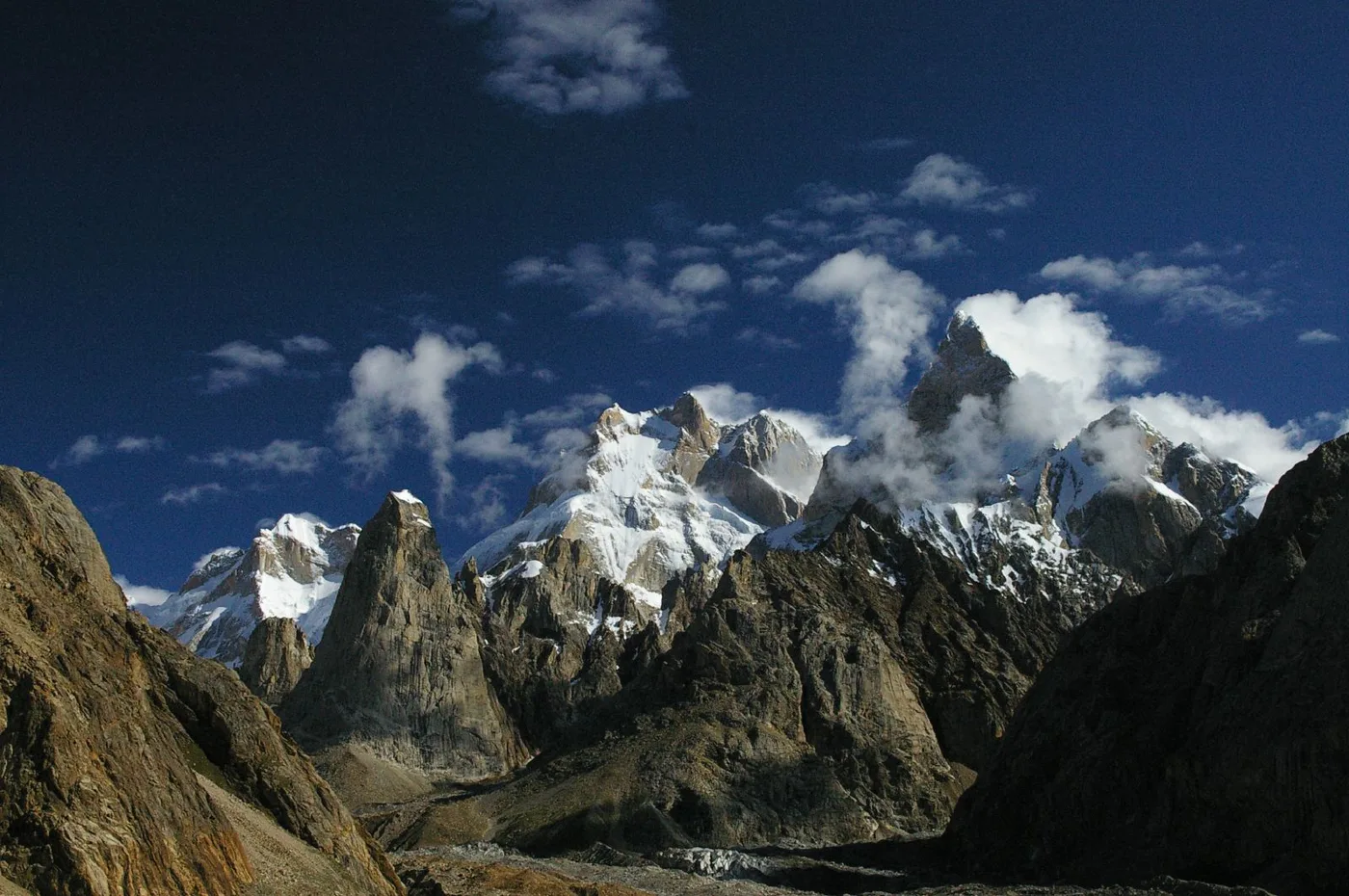
Baintha Brakk
Baintha Brakk, famously known as 'The Ogre', is a colossal 7,285-meter (23,901 ft) granite mountain in the Panmah Muztagh subrange of the Karakoram. Widely regarded as one of the most perilous and technically difficult mountains in the world, its sheer vertical granite towers rise steeply above the Biafo Glacier. Following its epic 1977 first ascent by British climbers Doug Scott and Chris Bonington—during which Scott broke both legs and crawled for over a week down the mountain—The Ogre repelled more than twenty international expeditions over twenty-four years before seeing a second ascent in 2001.
Pioneered & Associated Routes (4)
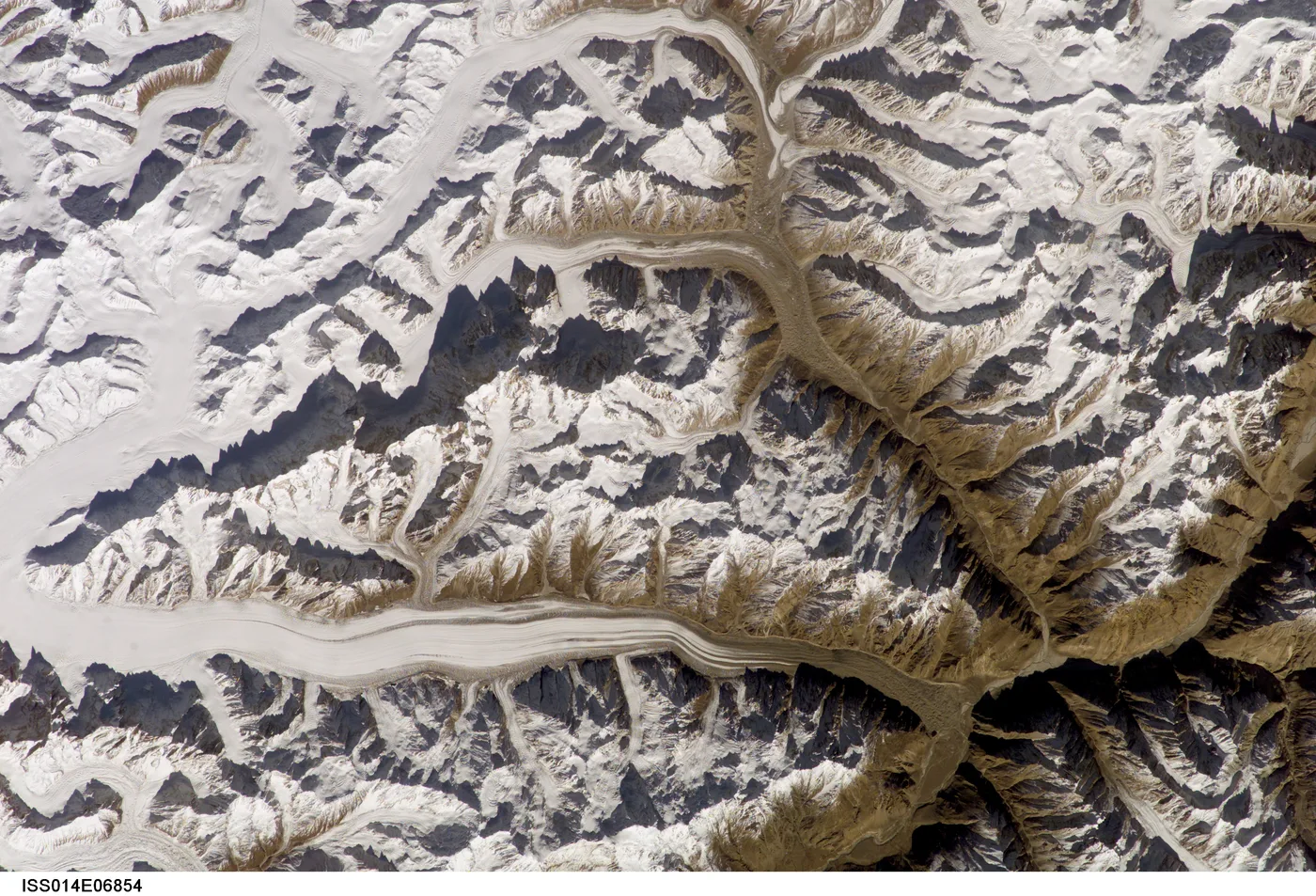
The Ogre South Face & West Ridge (Original Route)
The original route on Baintha Brakk (The Ogre, 7,285m) tackles the complex South Face, the steep West Col, and the sheer vertical summit pyramid rising dramatically above the Biafo Glacier. Pioneers Doug Scott, Chris Bonington, Mo Anthoine, and Clive Rowland unlocked the route over weeks of demanding climbing on vertical Karakoram granite. On July 13, 1977, Scott and Bonington completed the summit push over technical 5.10 rock and A3 aid. On the very first abseil off the summit tower, Scott pendulum-swung across an icy corner, lost his footing, and snapped both legs just above the ankles. Bonington subsequently fractured his ribs on a later abseil. The epic eight-day retreat—during which Scott crawled on his hands and knees over jagged moraine and glaciers through a blizzard—stands as one of the greatest survival epics in human exploration.
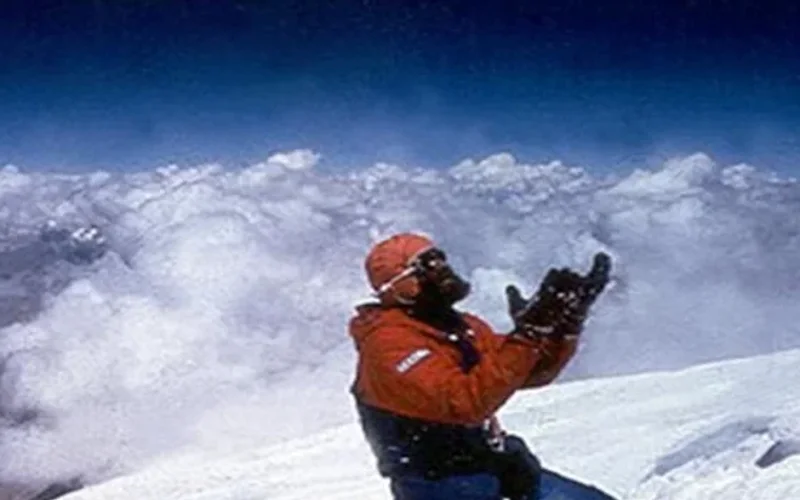
Northwest Face & Japanese Couloir (Normal Route)
The Northwest Face via the Japanese Couloir is the standard and most frequently climbed line on Gasherbrum I (8,068m / Hidden Peak). Starting from the South Gasherbrum Glacier, climbers traverse the shared lower icefall into the Gasherbrum Cwm, then branch southward toward the forbidding northwest wall. The technical centerpiece is the Japanese Couloir—a sustained 50 to 60-degree gully of hard blue ice and shattered rock leading to the high col and summit slopes. First ascended in 1958 by Americans Pete Schoening and Andy Kauffman via the South Ridge, the Japanese Couloir line became the modern benchmark, climbed rapidly in 1992 by Nazir Sabir, Rajab Shah, and Mehrban Shah.
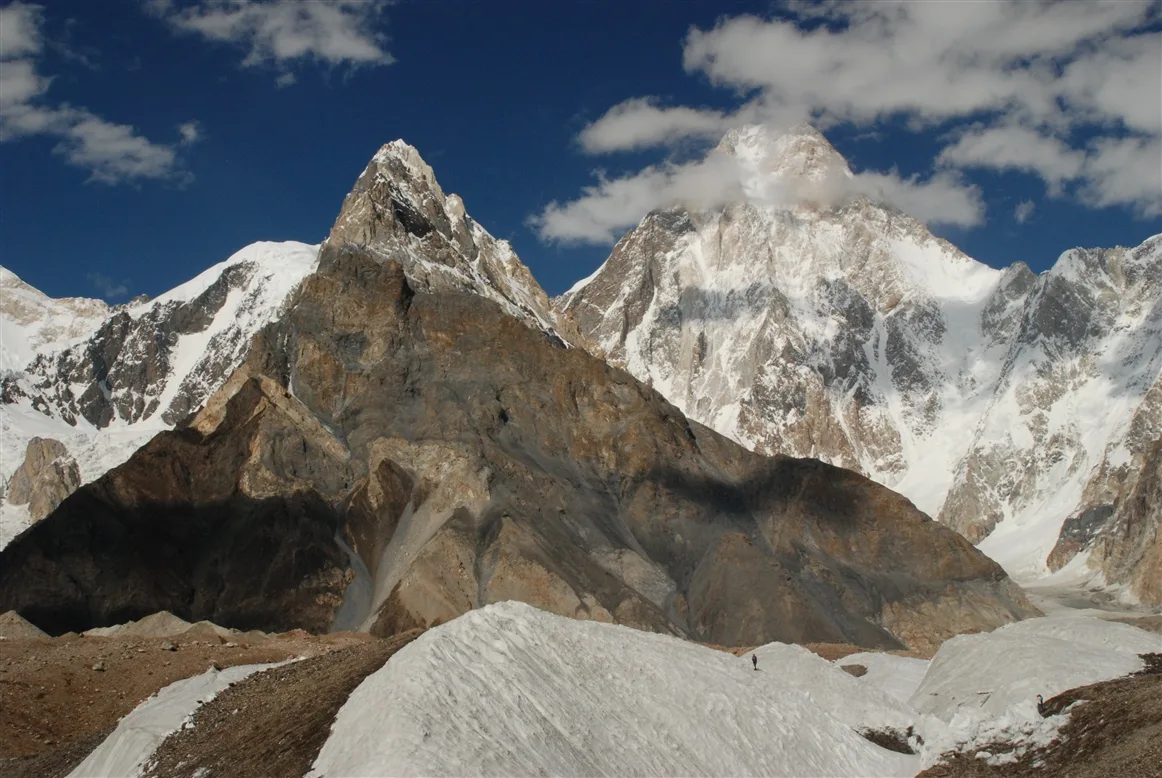
Gasherbrum IV West Face (The Shining Wall)
The West Face of Gasherbrum IV (7,925m), known as 'The Shining Wall', is a 2,500-meter wall of sheer golden limestone, yellow marble bands, and vertical ice gullies rising directly above the Gasherbrum Glacier. In July 1985, Polish mountaineer Wojciech Kurtyka and Austrian Robert Schauer made the historic first ascent of the face in pure, lightweight alpine style without supplemental oxygen, fixed ropes, or high-altitude porters. Trapped by a violent high-altitude storm at 7,800 meters without food or water for two days, they pushed over the north summit ridge and endured a grueling descent down the North Ridge, completing an ascent widely celebrated as the greatest big-wall alpine climb of the 20th century.
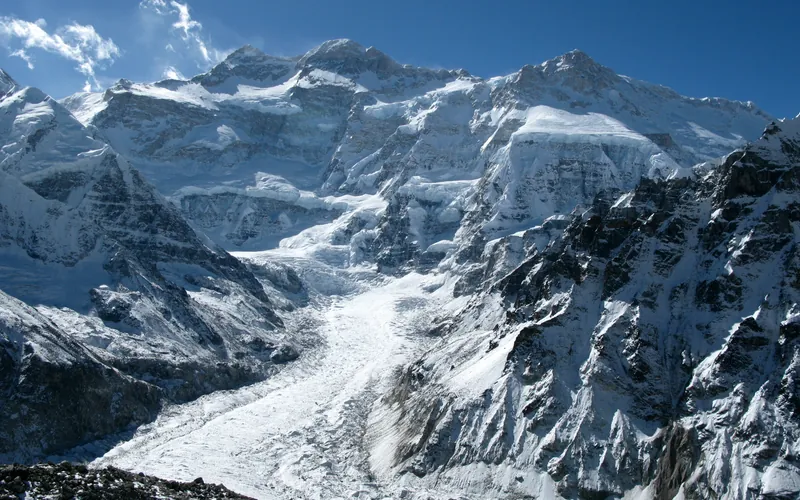
Kangchenjunga Southwest Face (Normal Route)
The Southwest Face route is the classic line of ascent on Kangchenjunga, climbing out of the Yalung Glacier cirque in eastern Nepal. First forged in 1955 by British mountaineers Joe Brown and George Band, the route negotiates heavily broken glacial icefalls, ascends the vast hanging snow terrace of The Great Shelf, and threads steep rock gullies in the Sickle Couloir before reaching the delicate summit crest.
Documented Expeditions (1)
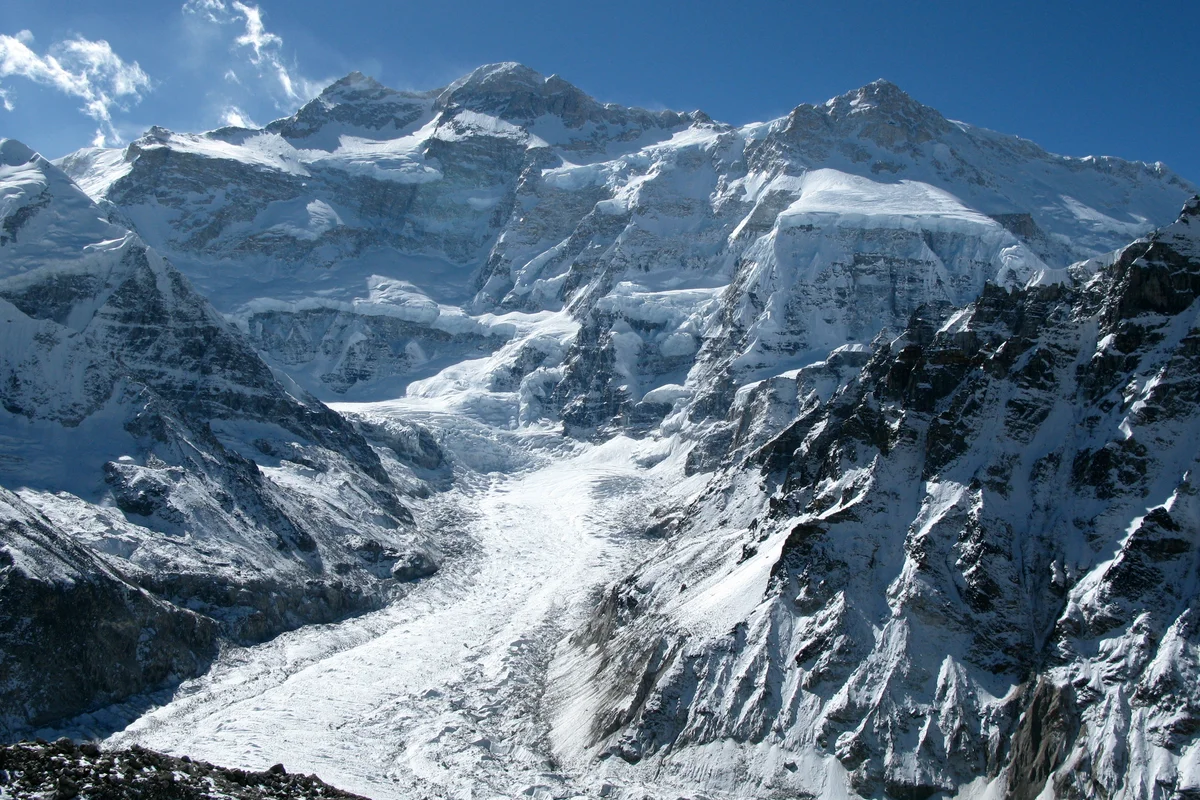
1991 Štremfelj and Prezelj Kangchenjunga South Ridge Expedition
On October 19, 1991, Slovenian alpinists Andrej Štremfelj and Marko Prezelj made the first alpine-style ascent of the 3,000-meter South Ridge of Kangchenjunga (8,476m South Peak) without supplemental oxygen, earning the inaugural 1992 Piolet d'Or.
Associated Chronicles & Stories (1)
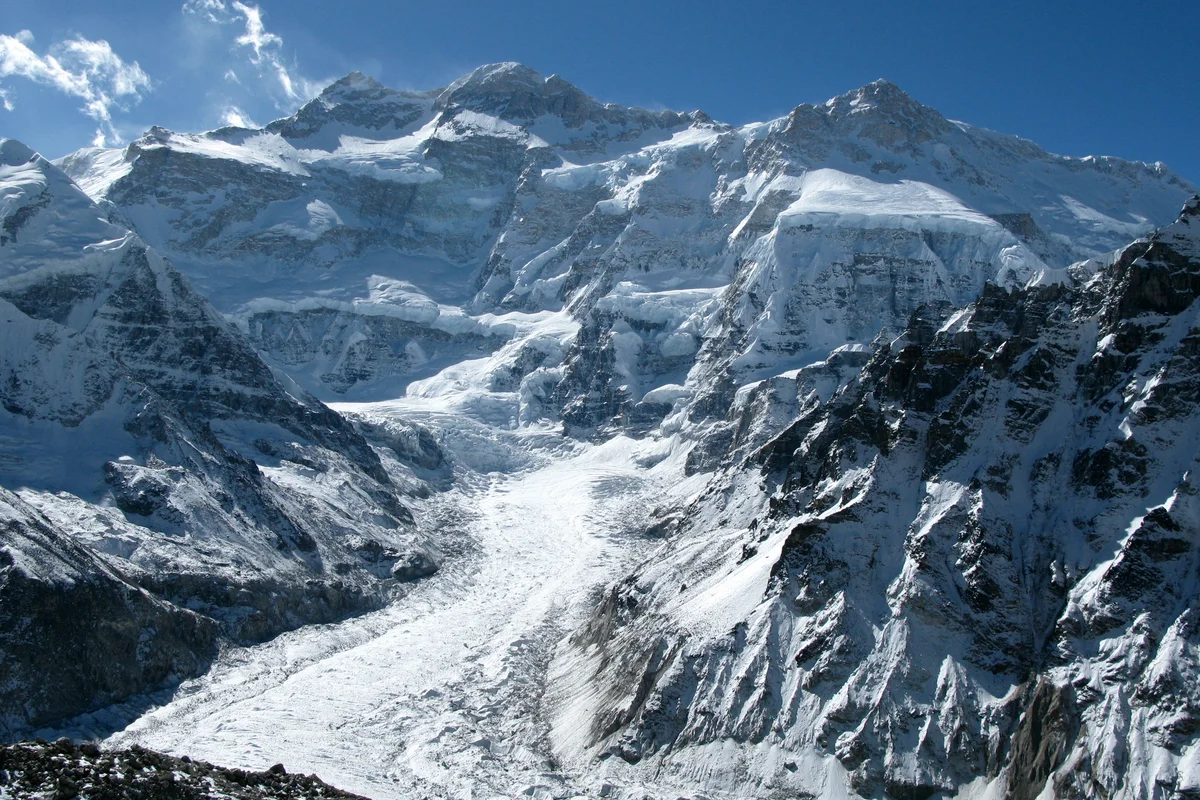
The Golden Standard: Štremfelj and Prezelj on Kangchenjunga South Ridge
In October 1991, Slovenian alpinists Andrej Štremfelj and Marko Prezelj made an audacious alpine-style first ascent of Kangchenjunga's South Ridge, winning the inaugural Piolet d'Or.
Documented Sources & Archival Citations
- American Alpine Journal: Kangchenjunga South Ridge Alpine Style by Marko Prezelj(American Alpine Club)
Supporting claim: Official expedition record and climb report for the 1991 Kangchenjunga South Ridge ascent
Accessed/Documented: 1992 - Piolets d'Or Archive: The 4-Time Laureate Marko Prezelj(Groupe de Haute Montagne (GHM))
Supporting claim: Official awards documentation detailing Prezelj's four Piolet d'Or winning expeditions
Accessed/Documented: 2017