
Andrej Štremfelj
Andrej Štremfelj (born 1956) is a legendary Slovenian high-altitude mountaineer celebrated for making the historic first ascent of Mount Everest's complete West Ridge direct in May 1979 alongside Nejc Zaplotnik. Winner of the inaugural Piolet d'Or in 1992 for an audacious alpine-style climb of Kangchenjunga's South Ridge, Štremfelj was awarded the Piolet d'Or Lifetime Achievement Award in 2018.
Mountain Safety & Conditions Disclaimer: High-altitude climbing, glacial travel, and technical ascents entail severe objective risks including avalanches, serac collapses, rapid weather collapse, and altitude illness. Historical route descriptions and summit claims on Mountanity reflect documented archival sources and must not be used as live operational safety assessments. Local regulations, permits, and physical glacial topography change continuously.
Peer Review: Senior Editorial Board & Historical Reviewers • Editorial Standards
Biographical Record & Archival Chronicle
Andrej Štremfelj was born on December 17, 1956, in Kranj, Slovenia. Beginning his climbing journey in the Julian Alps and Kamnik-Savinja Alps at fifteen, he rapidly became one of the leading figures in the golden generation of Slovenian alpinism. In 1977, at just twenty years of age, he made his Himalayan breakthrough on Gasherbrum I (8,080m) alongside Nejc Zaplotnik, opening a new route on the southwest face.
Two years later, in spring 1979, Štremfelj was selected for the landmark Yugoslav Mount Everest Expedition led by Tone Škarja. The team tackled the formidable, unbroken West Ridge of Mount Everest directly from the Lho La col (6,026m). Operating at the absolute outer limit of physical endurance, Štremfelj and Zaplotnik surmounted steep, crumbly limestone bands (Grade V+) and navigated the knife-edge crest in devastating westerly gales. On May 13, 1979, they reached the 8,848-meter summit, completing the first ascent of the complete West Ridge—a line that has never been repeated in its entirety and is celebrated as one of the hardest routes ever climbed on Everest.
In October 1991, Štremfelj teamed up with young climbing partner Marko Prezelj to make a pure alpine-style first ascent of the 3,000-meter South Ridge of Kangchenjunga (8,476m South Peak) without supplemental bottled oxygen. The climb was hailed as a benchmark for fair-means Himalayan exploration and earned the duo the inaugural Piolet d'Or in 1992. In 1990, Štremfelj summited Everest again with his wife Marija Štremfelj, becoming the first married couple to stand atop Everest together. In 2018, the international mountaineering community honored him with the Piolet d'Or Carrière (Lifetime Achievement Award).
Notable Milestones & Ascents
- Made the historic first ascent of Mount Everest's Complete West Ridge Direct on May 13, 1979, with Nejc Zaplotnik
- Won the inaugural Piolet d'Or in 1992 for the alpine-style ascent of Kangchenjunga South Ridge with Marko Prezelj
- Conferred the Piolet d'Or Lifetime Achievement Award (Carrière) in 2018 for lifetime contributions to mountaineering
- Opened a new route on the Southwest Face of Gasherbrum I (8,080m) in 1977
- Summited Mount Everest twice, including the first couple ascent with wife Marija in October 1990
- Awarded the Bloudek Award, Slovenia's highest national sporting recognition
Key Statistics & Topographic Figures
- Lifespan
- Born December 17, 1956
Kranj, Slovenia
- Everest West Ridge Direct
- May 13, 1979 (8,848m)
First Ascent of Complete Integral Ridge
- Inaugural Piolet d’Or
- 1992 (Kangchenjunga South)
With Marko Prezelj in Pure Alpine Style
- Lifetime Achievement
- Piolet d’Or Carrière (2018)
Honored by Groupe de Haute Montagne
- Everest Married Couple
- October 7, 1990
With Marija Štremfelj (First Couple on Everest)
Archival Primary Source Quotations
“On the West Ridge, every step was a battle with the wind; reaching the summit was the culmination of an entire nation’s climbing spirit.”
Defined Alpine Terminology & Concepts
- Complete West Ridge Direct
- The integral climbing route on Mount Everest ascending the entire razor crest from the Lho La col (6,026m) without diverting onto the North Face.
- Yugoslav Himalayan Golden Era
- The period in the 1970s and 1980s when Slovenian and Yugoslav alpinists established the world’s hardest routes on 8,000-metre peaks.
Frequently Asked Questions: Andrej Štremfelj
Who is Andrej Štremfelj and what historic climb did he make on Everest?
Andrej Štremfelj is a Slovenian climber who made the historic first ascent of Mount Everest’s Complete West Ridge Direct in 1979.
When did Andrej Štremfelj reach the summit of Mount Everest via the West Ridge?
He summited Mount Everest on May 13, 1979, alongside Nejc Zaplotnik after surmounting Grade V+ rock in the death zone.
What historic award did Andrej Štremfelj win in 1992?
Štremfelj won the inaugural Piolet d’Or in 1992 with Marko Prezelj for an alpine-style ascent of Kangchenjunga South Ridge.
What lifetime honor was awarded to Andrej Štremfelj in 2018?
He was awarded the Piolet d’Or Carrière (Lifetime Achievement Award) in 2018 for lifetime contributions to world alpinism.
What milestone did Andrej Štremfelj achieve on Everest with his wife Marija?
In October 1990, Andrej and Marija Štremfelj became the first married couple in history to stand atop Mount Everest together.
What made the 1979 Yugoslav West Ridge route so difficult?
It tackled the unbroken knife-edge ridge from Lho La (6,026m) with sustained technical rock buttresses directly in jet stream winds.
Has the 1979 Yugoslav West Ridge route ever been repeated in its entirety?
No, the complete Yugoslav direct West Ridge line from the Lho La col has never been repeated in its entirety.
What other eight-thousander did Andrej Štremfelj pioneer in 1977?
In 1977, he opened a new technical route on the Southwest Face of Gasherbrum I (8,080m) alongside Nejc Zaplotnik.
Associated Summits (6)
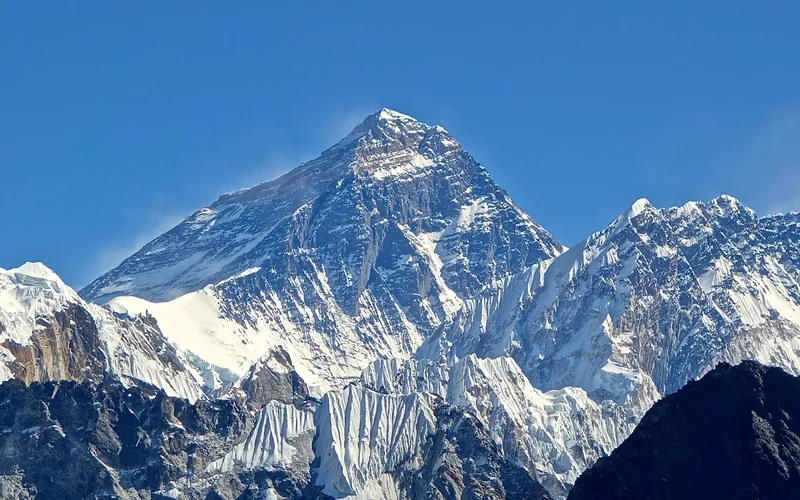


Mount Everest
Mount Everest is the highest mountain above sea level on Earth, standing at an official elevation of 8,848.86 meters (29,031.7 ft). Straddling the international frontier between Nepal and China, it is known locally as Sagarmatha in Nepali ('Goddess of the Sky') and Chomolungma in Tibetan ('Mother Goddess of the World'). The peak rises into the extreme upper troposphere, where oxygen levels drop to barely one-third of sea-level pressure. Climbers face hurricane-force jet stream winds, severe frostbite conditions, shifting ice crevasses in the Khumbu Icefall, and the dangerous Death Zone above 8,000 meters.
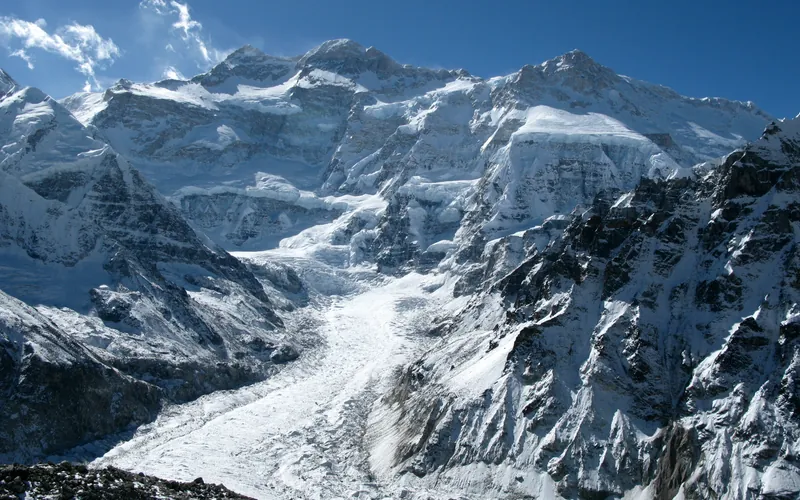
Kangchenjunga
Kangchenjunga, at 8,586 meters (28,169 ft), is the third-highest mountain on Earth, rising on the border between Nepal and Sikkim, India. Honored as sacred by locals, early ascent teams respected local beliefs by stopping short of the actual highest crest. It features immense vertical relief and notorious storm cycles.
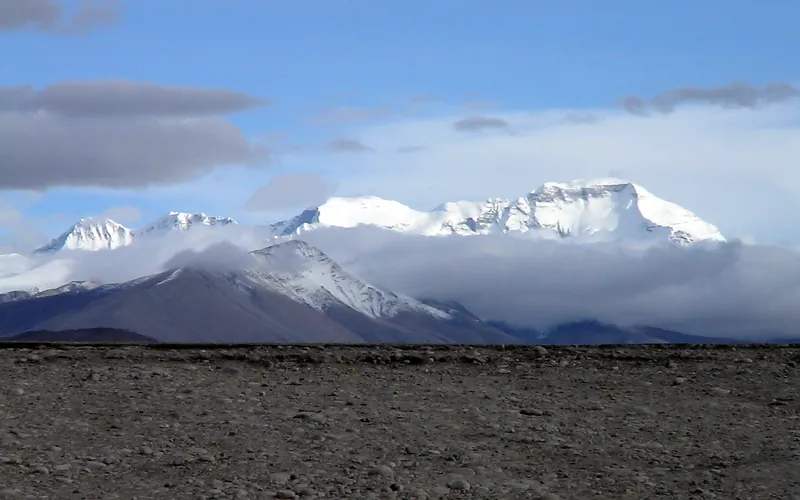
Cho Oyu
Cho Oyu, at 8,188 meters (26,864 ft), is the sixth-highest mountain in the world, situated 20 km west of Mount Everest. Meaning 'Turquoise Goddess' in Tibetan, it stands on the glaciated Nangpa La trade route between Nepal and Tibet. Its moderate northwest slopes make it the most accessible 8,000-meter peak.
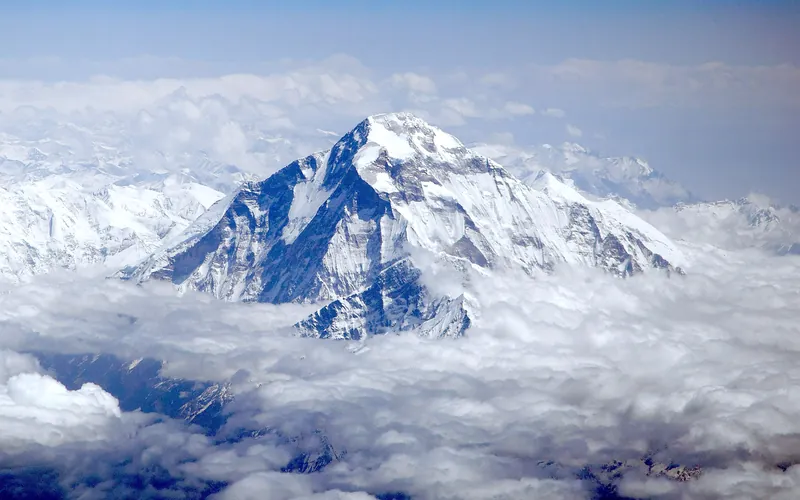
Dhaulagiri I
Dhaulagiri I, at 8,167 meters (26,795 ft), is the seventh-highest mountain on Earth and the highest peak situated entirely within Nepal. Rising steeply above the Kali Gandaki Gorge—the deepest gorge on Earth—opposite Annapurna, Dhaulagiri forms a staggering 7,000-meter vertical rise from the river valley.
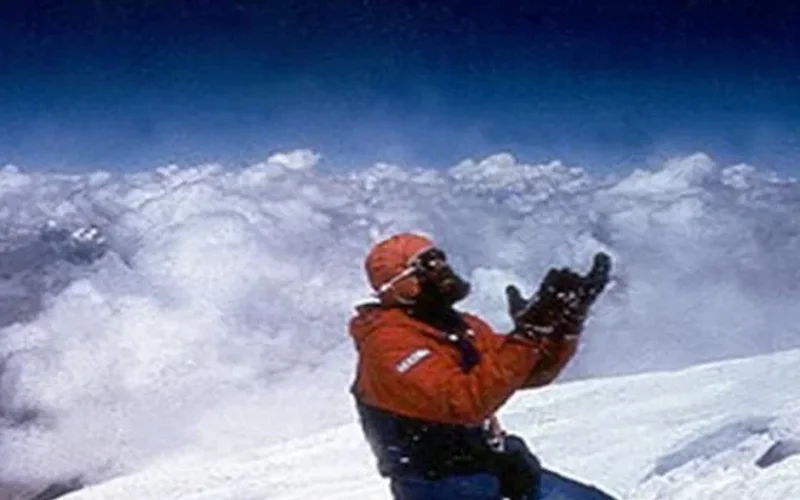

Gasherbrum I
Gasherbrum I, at 8,068 meters (26,470 ft), is the eleventh-highest mountain in the world. Named 'Hidden Peak' by explorer William Martin Conway due to its concealment behind surrounding Karakoram giants, it stands on the border between Pakistan and China. The peak was first climbed in 1958 by an American team led by Nick Clinch, and in 1992 Nazir Sabir summited it with Rajab Shah and Mehrban Shah, marking his fourth Pakistani eight-thousander.
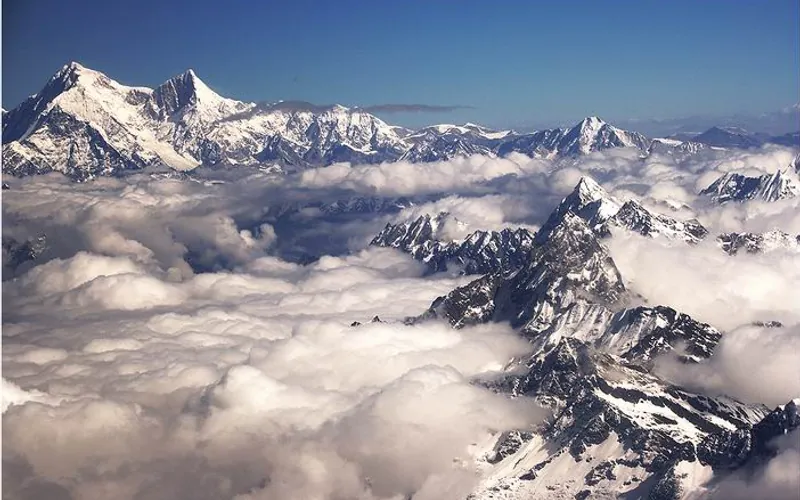
Shishapangma
Shishapangma, at 8,027 meters (26,335 ft), is the fourteenth-highest mountain on Earth and the only 8,000-meter peak situated entirely within Tibetan/Chinese territory. Due to geopolitical restrictions, it was the final eight-thousander to be climbed, summited by a Chinese expedition on May 2, 1964.
Pioneered & Associated Routes (10)
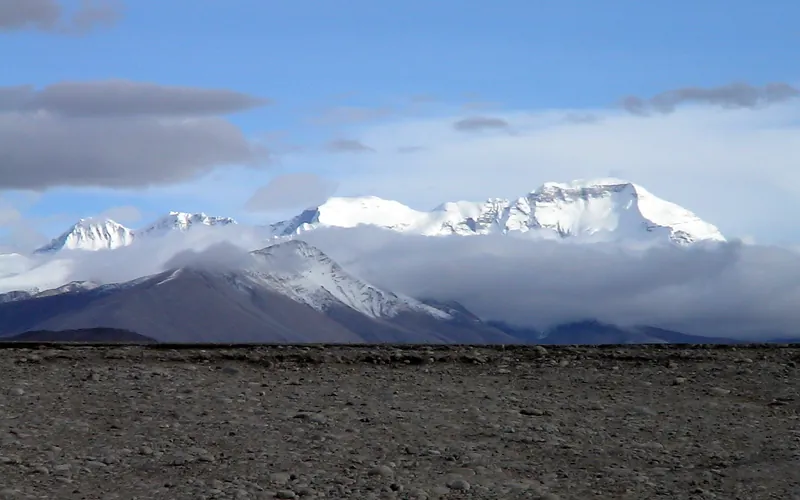
Cho Oyu Northwest Face & Ridge (Normal Route)
The Northwest Ridge is the standard and most climbed route on Cho Oyu, approached from the Tibetan plateau via the Gyabrag Glacier. First climbed in 1954 by an Austrian expedition, the route features relatively moderate snow slopes of 30 to 40 degrees, punctuated by a single prominent technical crux known as the Ice Cliff at 6,700m. Above Camp 3, climbers cross the Yellow Band and emerge onto a vast, gently rising summit plateau.
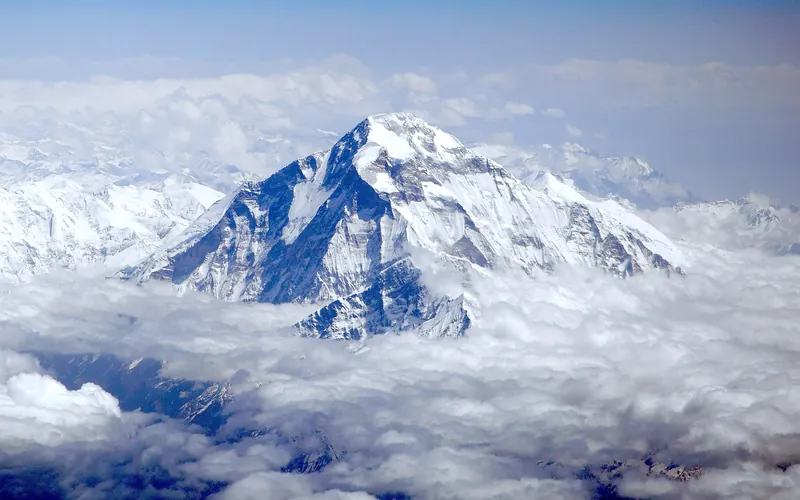
Dhaulagiri I Northeast Ridge (Normal Route)
The Northeast Ridge is the standard climbing route on Dhaulagiri I, first ascended in 1960 by a Swiss-Austrian team. The route begins on the glaciated Mayangdi Khola valley, climbs to the Northeast Col (5,700m), and works its way up the mountain's north-northeast face. The upper section traverses steep, wind-scoured blue ice shelves below the summit rocks and negotiates a final, exposed couloir leading directly to the 8,167m summit.
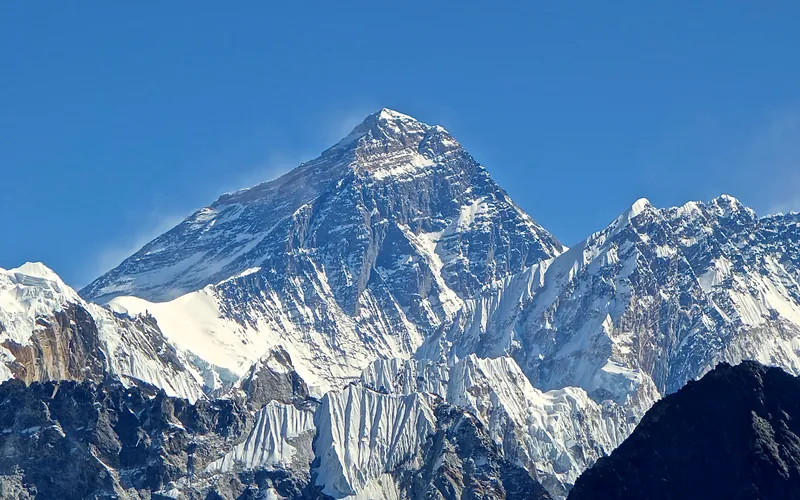
Mount Everest North Face (Hornbein Couloir Direct)
The North Face of Mount Everest via the Japanese Couloir and the sheer Hornbein Couloir is one of the most direct and formidable ice lines in the Himalayas. Rising 3,000 vertical meters from the Rongbuk Glacier to the summit, it funnels through a narrow 60-degree snow-and-ice cleft slicing straight through the Yellow Band and upper limestone cliffs of the North Face. In August 1986, Swiss alpinists Erhard Loretan and Jean Troillet executed one of the most audacious speed climbs in mountain history: climbing the entire face in a single 31-hour push at night without supplemental oxygen, tents, or fixed ropes. After summiting on August 30, they glissaded down the 3,000-meter face on their backs and buttocks in just 3.5 hours, completing the entire round trip in an astonishing 43 hours.
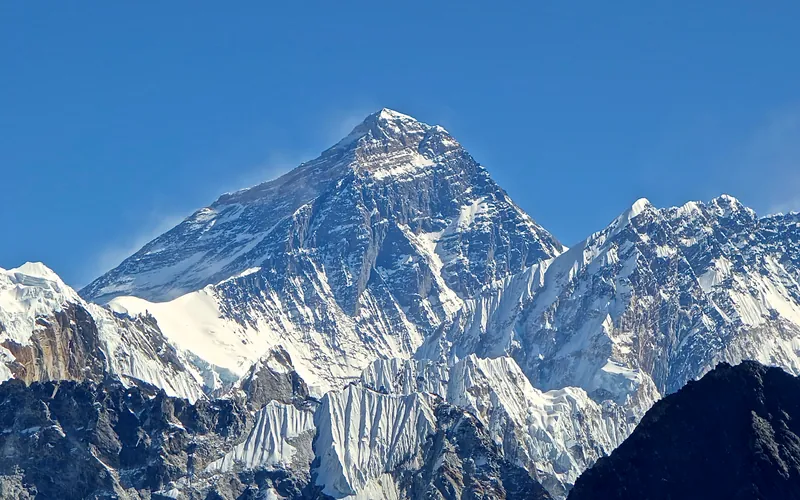
North Col & Northeast Ridge Route
The historic northern route on Mount Everest (8,848.86m), ascending from the Rongbuk and East Rongbuk glaciers to breach the icy wall of the North Col (7,020m). From the col, the route traverses the wind-blasted Northwest Ridge onto the North Face before joining the razor-like Northeast Ridge, navigating the notorious First, Second, and Third Steps in the Death Zone. This was the stage of George Mallory and Andrew Irvine's fateful 1924 climb and was first definitively surmounted on May 25, 1960, by Chinese climbers Wang Fuzhou, Qu Yinhua, and Gongbu.
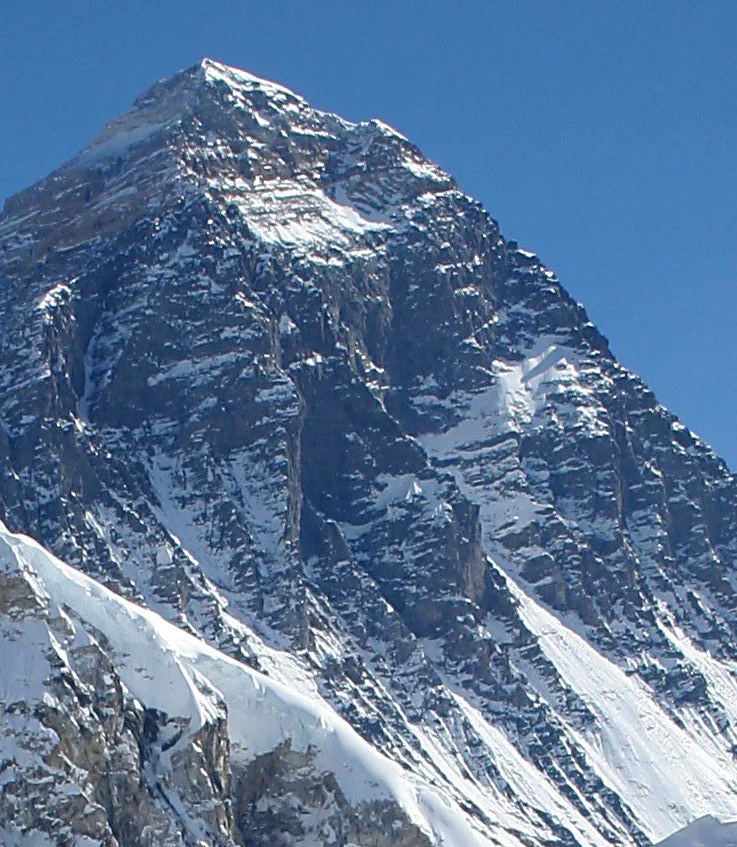
Mount Everest Southwest Face (Bonington Route)
The Southwest Face of Mount Everest (8,848.86m) rises 2,300 vertical meters from the Western Cwm to the summit, presenting one of the largest and most forbidding rock and ice faces in the world. Dominated by the vertical 300-meter 'Rock Band' at 8,200–8,500 meters, the face repelled six international attempts between 1969 and 1974. In autumn 1975, a legendary British expedition led by Chris Bonington breached the face when Paul Braithwaite and Nick Estcourt unlocked the key ramp through the Rock Band. On September 24, 1975, Doug Scott and Dougal Haston climbed to the South Summit and pushed on to the main summit, becoming the first Britons to conquer Everest. Trapped by nightfall during their descent, they survived an epic open bivouac at 8,760 meters without oxygen, sleeping bags, or frostbite.
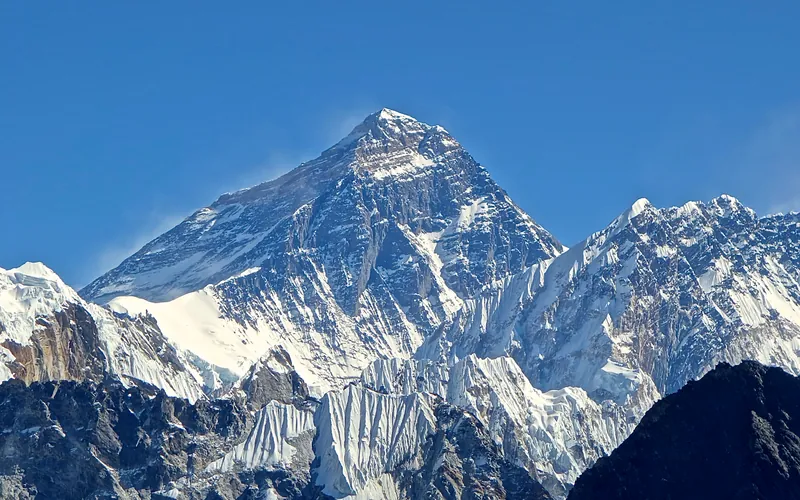
Mount Everest Complete West Ridge (Yugoslav Direct)
The Complete West Ridge of Mount Everest is one of the most formidable and sustained technical routes on the mountain. Pioneered in spring 1979 by an elite Yugoslav expedition led by Tone Škarja, the route tackles the integral knife-edge crest directly from the Lho La col (6,026m) all the way to the 8,848.86m summit. Unlike the 1963 American West Ridge route which diverted into the Hornbein Couloir from the North Face, the Yugoslav line stayed strictly along the razor-edge crest of the West Ridge, surmounting technical rock buttresses up to Grade V+ at extreme altitude before traversing around the Yellow Band. On May 13, 1979, Andrej Štremfelj and Nejc Zaplotnik achieved the first ascent of the complete ridge, followed two days later by Stane Belak, Marjan Manfreda, and Ang Phu Sherpa in one of the greatest feats in Himalayan history.
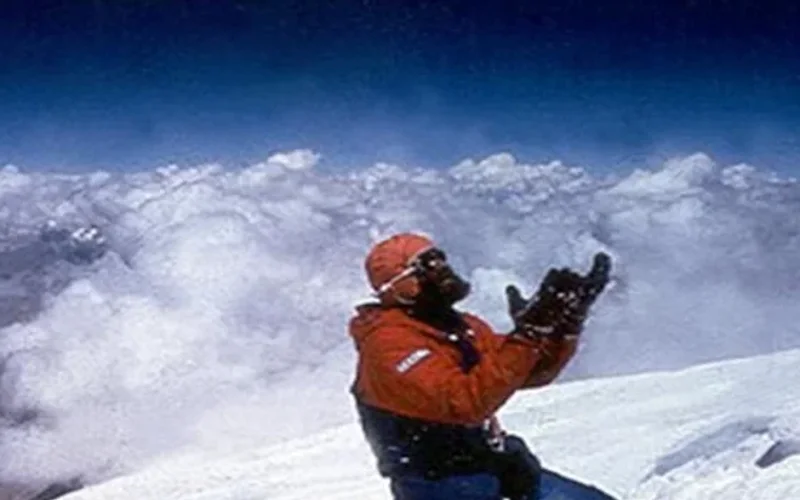
Northwest Face & Japanese Couloir (Normal Route)
The Northwest Face via the Japanese Couloir is the standard and most frequently climbed line on Gasherbrum I (8,068m / Hidden Peak). Starting from the South Gasherbrum Glacier, climbers traverse the shared lower icefall into the Gasherbrum Cwm, then branch southward toward the forbidding northwest wall. The technical centerpiece is the Japanese Couloir—a sustained 50 to 60-degree gully of hard blue ice and shattered rock leading to the high col and summit slopes. First ascended in 1958 by Americans Pete Schoening and Andy Kauffman via the South Ridge, the Japanese Couloir line became the modern benchmark, climbed rapidly in 1992 by Nazir Sabir, Rajab Shah, and Mehrban Shah.
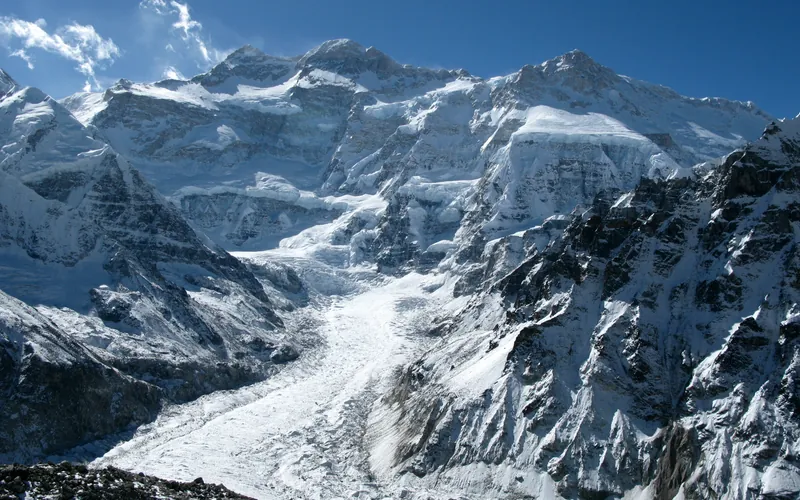
Kangchenjunga Southwest Face (Normal Route)
The Southwest Face route is the classic line of ascent on Kangchenjunga, climbing out of the Yalung Glacier cirque in eastern Nepal. First forged in 1955 by British mountaineers Joe Brown and George Band, the route negotiates heavily broken glacial icefalls, ascends the vast hanging snow terrace of The Great Shelf, and threads steep rock gullies in the Sickle Couloir before reaching the delicate summit crest.
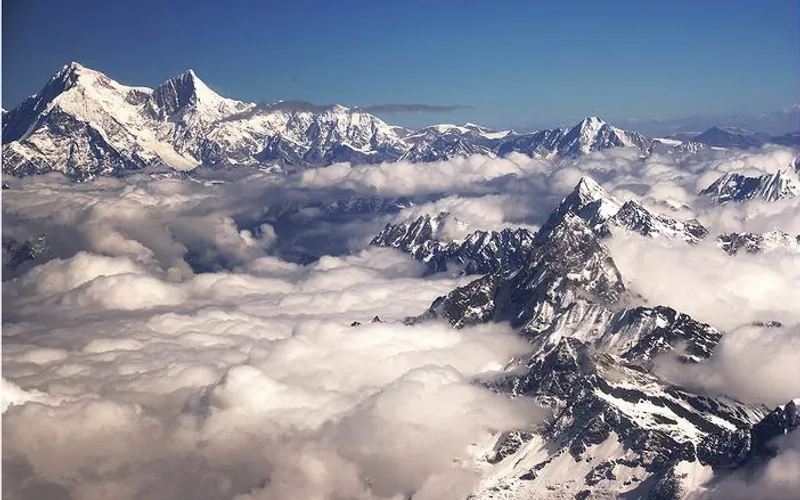
Shishapangma Northwest Ridge (Normal Route)
The Northwest Ridge is the standard route on Shishapangma, situated entirely in Tibet and first ascended by a Chinese expedition in 1964. Approached from the dry, high-altitude plateau of southern Tibet, the route climbs gently sloping glaciers to an upper plateau, gains the Central Peak (8,008m), and traverses a knife-edge snow arête with massive drop-offs to reach the true Main Summit at 8,027m.
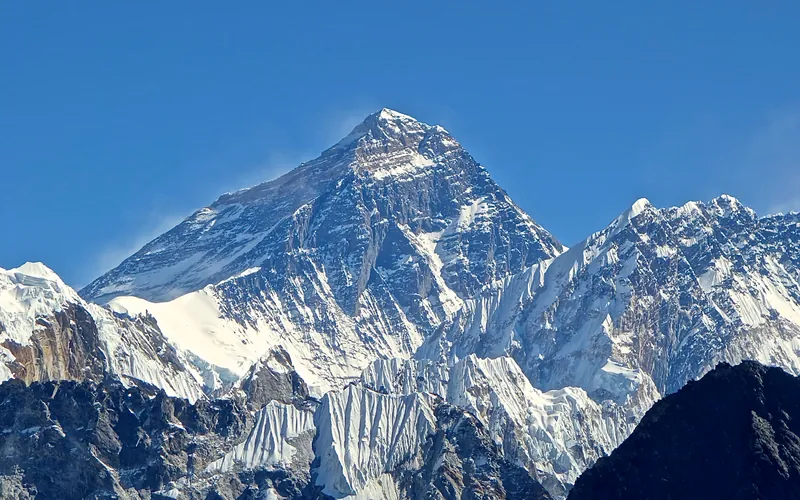
South Col & Southeast Ridge (Normal Route)
The South Col Route along the Southeast Ridge is the historic path of the 1953 first ascent and the most popular route on Mount Everest. Starting from Base Camp on the Khumbu Glacier in Nepal, climbers navigate the shifting seracs of the Khumbu Icefall into the Western Cwm. The route then scales the icy 45-degree slope of the Lhotse Face to the South Col at 7,925 meters, launching the final summit bid through the Balcony, South Summit, and Hillary Step to the summit of Earth at 8,848.86 meters.
Documented Expeditions (3)
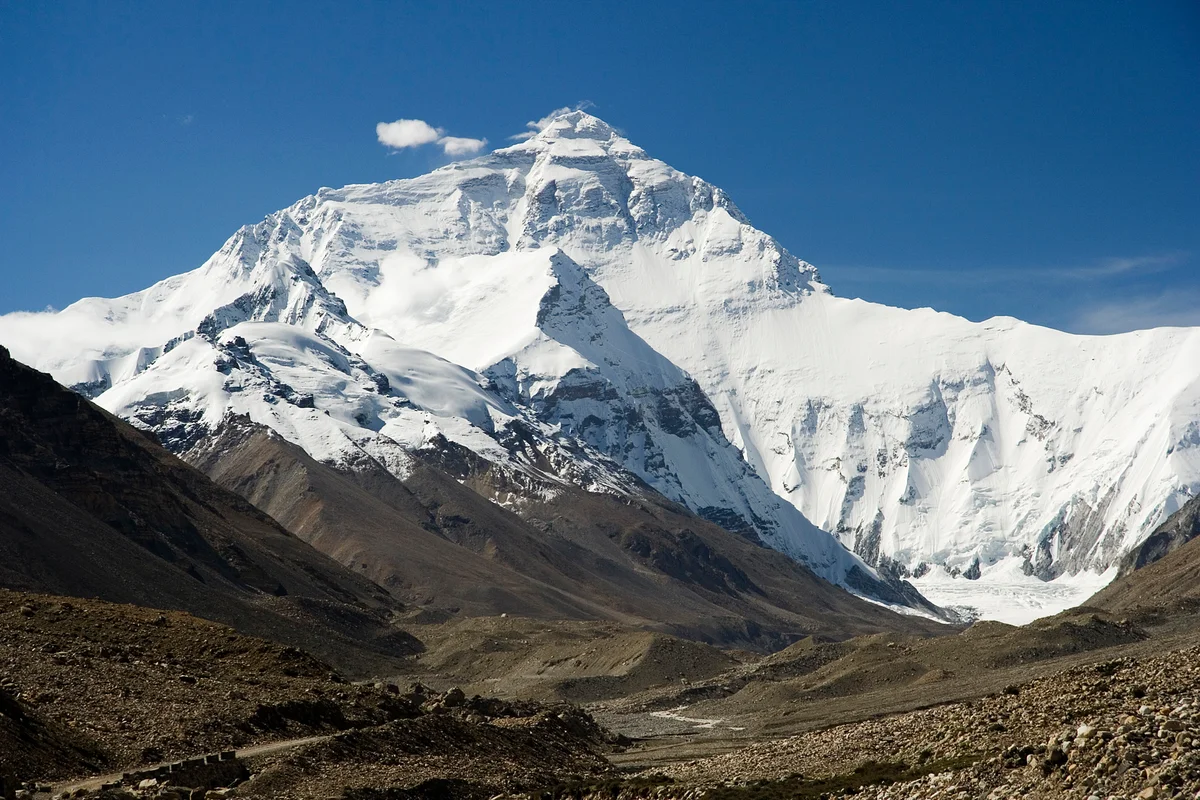
1979 Yugoslav Mount Everest Complete West Ridge Expedition
On May 13, 1979, Slovenian climbers Andrej Štremfelj and Nejc Zaplotnik completed the historic first ascent of Mount Everest's Complete West Ridge Direct from the Lho La col to the 8,848m summit, overcoming extreme Grade V+ rock climbing in the death zone.
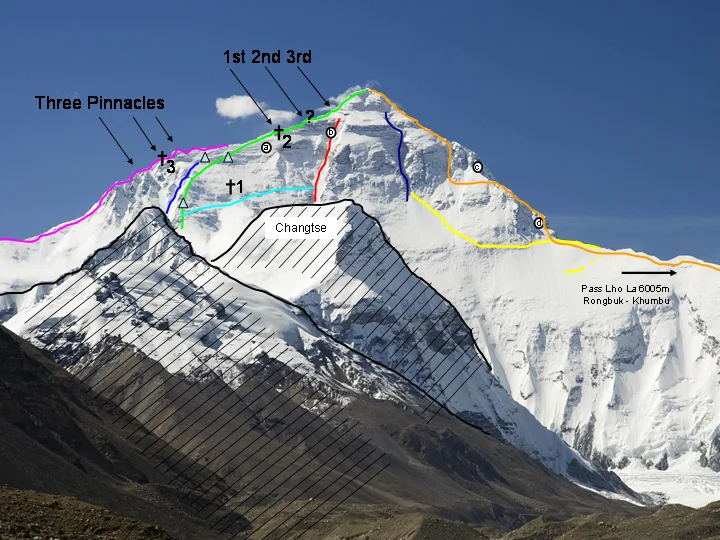
1979 Yugoslav Mount Everest West Ridge Direct Expedition
On May 13, 1979, Slovenian mountaineers Nejc Zaplotnik and Andrej Štremfelj achieved the historic first ascent of the complete, unbroken West Ridge Direct of Mount Everest (8,848m) without descending from the crest, overcoming the V+ Yellow Band crux at 8,300m and surviving an open bivouac at 8,400m.
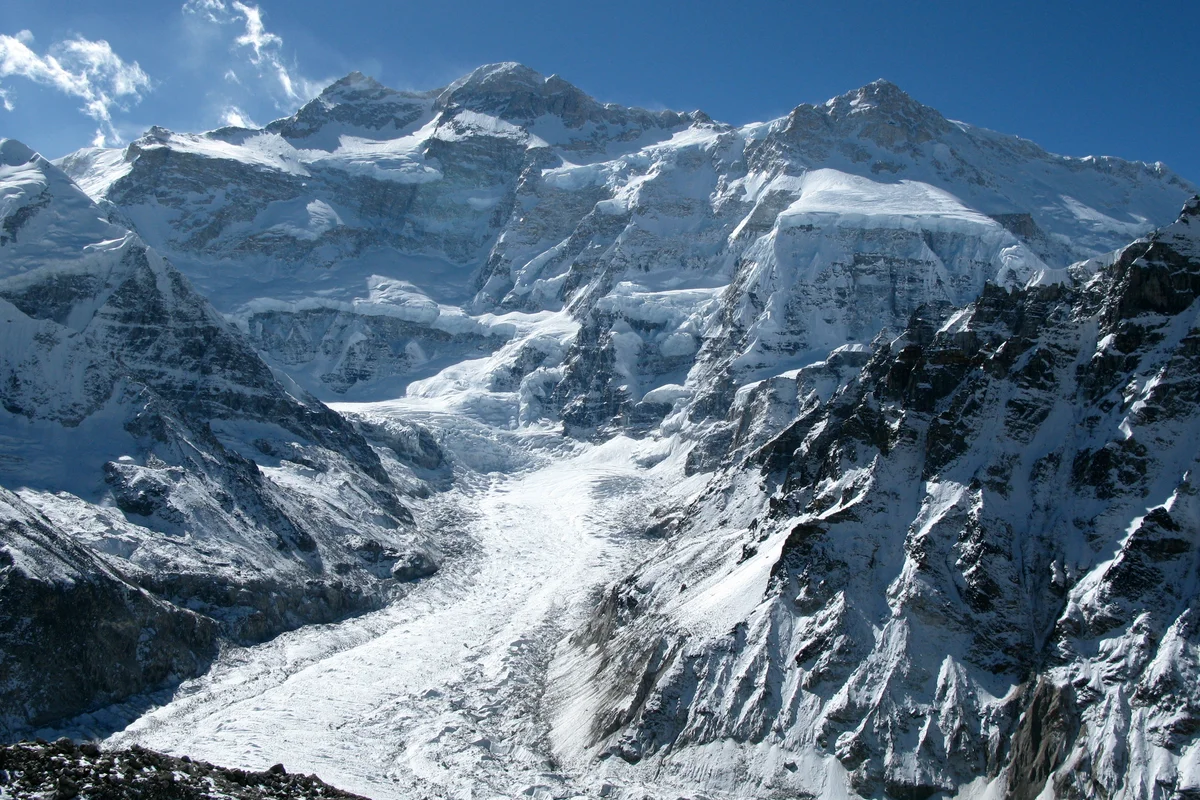
1991 Štremfelj and Prezelj Kangchenjunga South Ridge Expedition
On October 19, 1991, Slovenian alpinists Andrej Štremfelj and Marko Prezelj made the first alpine-style ascent of the 3,000-meter South Ridge of Kangchenjunga (8,476m South Peak) without supplemental oxygen, earning the inaugural 1992 Piolet d'Or.
Associated Chronicles & Stories (3)
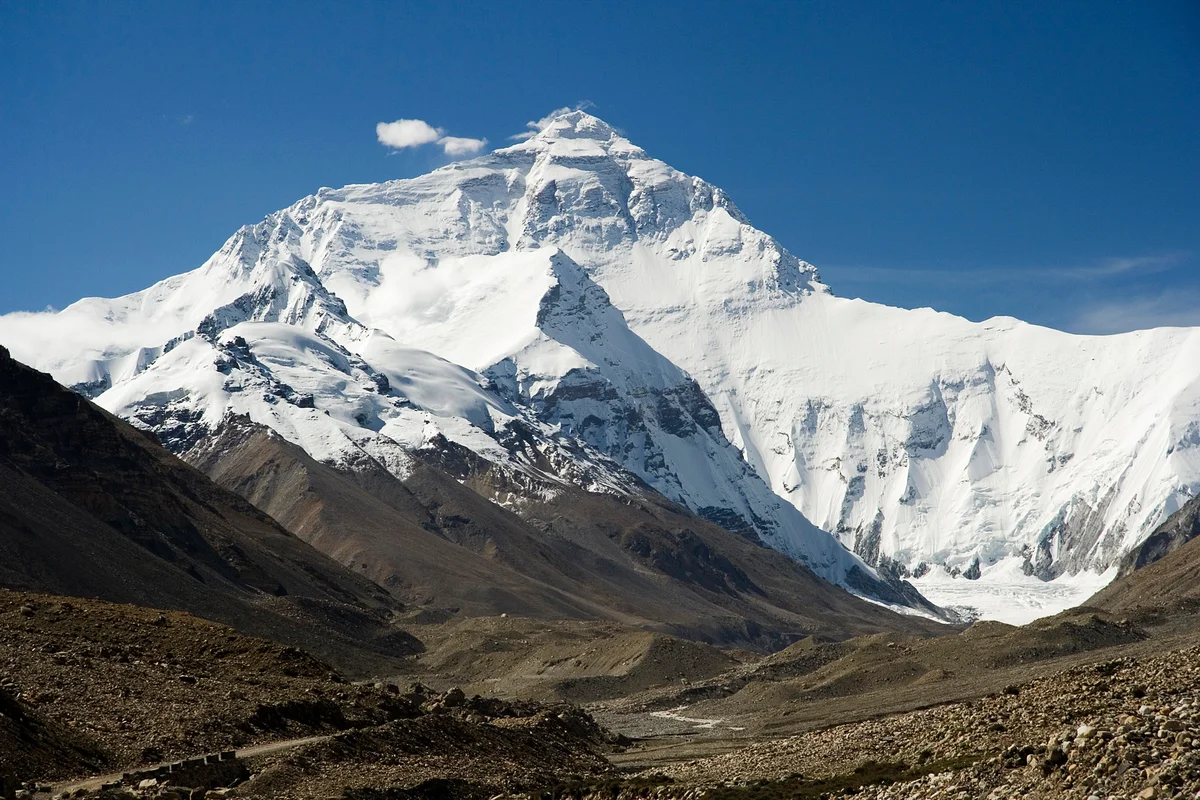
The Razor of the Sky: The 1979 Yugoslav First Ascent of Everest West Ridge
On May 13, 1979, Slovenian mountaineers Andrej Štremfelj and Nejc Zaplotnik conquered Mount Everest via the complete West Ridge direct, overcoming extreme Grade V+ rock in the death zone.
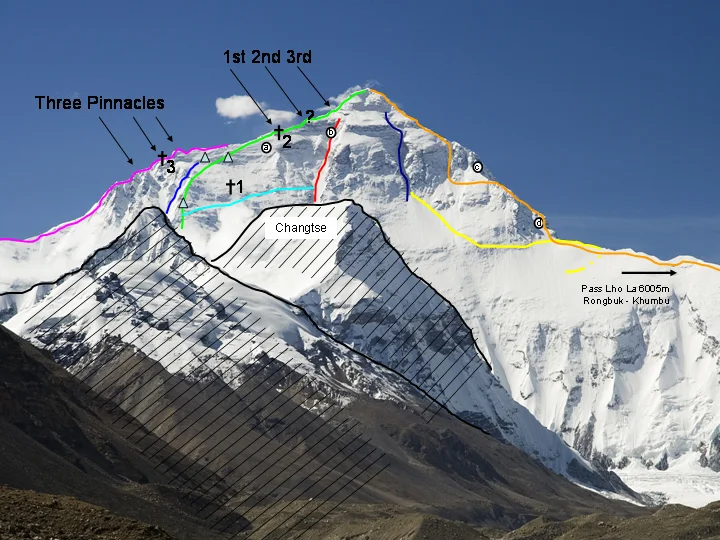
The Razor's Edge: Nejc Zaplotnik and the Complete Everest West Ridge Direct
On May 13, 1979, Slovenian mountaineers Nejc Zaplotnik and Andrej Štremfelj conquered Mount Everest's unbroken West Ridge Direct, surviving a minus forty-degree open bivouac at 8,400m.
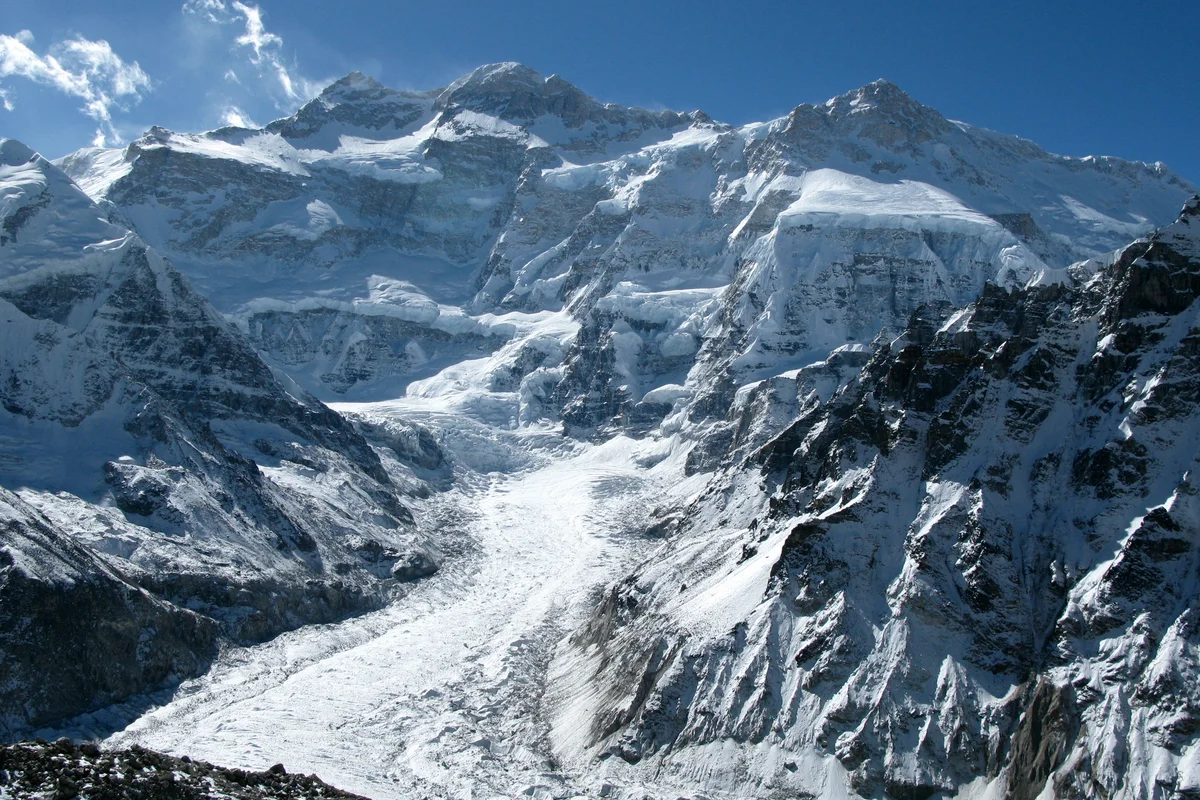
The Golden Standard: Štremfelj and Prezelj on Kangchenjunga South Ridge
In October 1991, Slovenian alpinists Andrej Štremfelj and Marko Prezelj made an audacious alpine-style first ascent of Kangchenjunga's South Ridge, winning the inaugural Piolet d'Or.
Documented Sources & Archival Citations
- American Alpine Journal: Everest West Ridge Direct by Tone Škarja(American Alpine Club)
Supporting claim: Official expedition report and topographic account of the 1979 Yugoslav first ascent
Accessed/Documented: 1980 - Piolets d'Or Lifetime Achievement 2018: Andrej Štremfelj(Groupe de Haute Montagne (GHM))
Supporting claim: Official career retrospective honoring the Everest West Ridge and Kangchenjunga ascents
Accessed/Documented: 2018