Wojciech Kurtyka
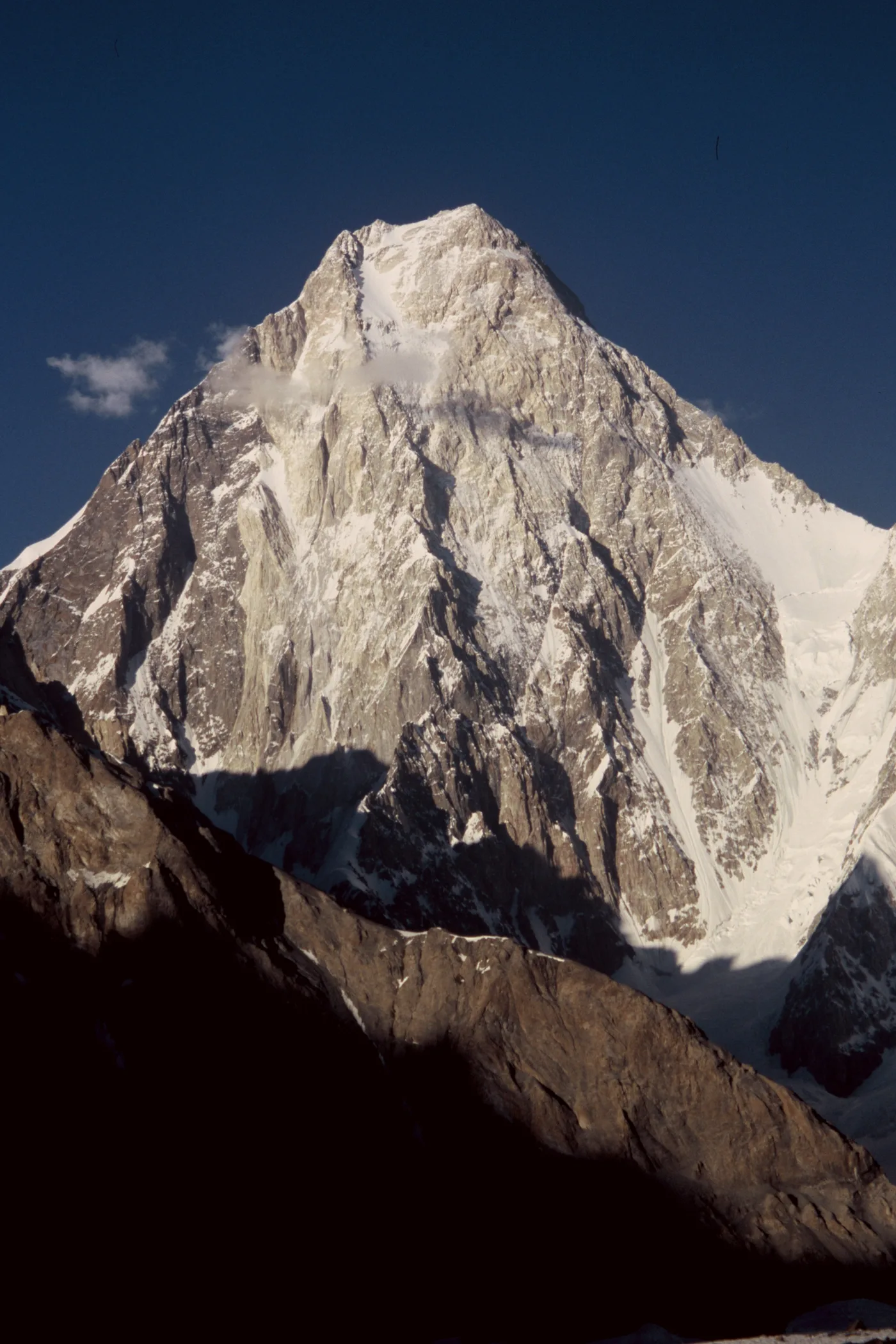
Wojciech 'Voytek' Kurtyka is a visionary Polish mountaineer celebrated as one of the founding fathers of pure alpine style on extreme high-altitude big walls. Rejecting heavy sieges and supplemental oxygen, Kurtyka's 1985 first ascent of the 2,500-meter West Face of Gasherbrum IV ('The Shining Wall') with Robert Schauer is widely heralded as the greatest alpine climb of the 20th century.
Mountain Safety & Conditions Disclaimer: High-altitude climbing, glacial travel, and technical ascents entail severe objective risks including avalanches, serac collapses, rapid weather collapse, and altitude illness. Historical route descriptions and summit claims on Mountanity reflect documented archival sources and must not be used as live operational safety assessments. Local regulations, permits, and physical glacial topography change continuously.
Peer Review: Senior Editorial Board & Historical Reviewers • Editorial Standards
Biographical Record & Archival Chronicle
Wojciech 'Voytek' Kurtyka was born on July 25, 1947, in Skrzynka, Lower Silesia, Poland, the son of celebrated Polish novelist Tadeusz Kurtyka. Enrolling in electronic engineering at the Silesian University of Technology, Kurtyka discovered rock climbing in the rugged limestone crags of the Kraków-Częstochowa Upland (Jura) and the sheer granite of the High Tatras in 1968. Possessing an intensely philosophical, introspective nature and phenomenal finger strength, Kurtyka quickly emerged as a technical pioneer, making daring winter first ascents of vertical routes in the Tatras and establishing the first Polish winter ascent of Norway's dreaded Troll Wall (Trollveggen) in 1974.
While his Polish contemporaries under Andrzej Zawada embraced large-scale national expeditions and brute-force winter siege tactics, Kurtyka charted a completely independent, radical path: the uncompromising application of lightweight alpine style to the world's most formidable high-altitude walls. Refusing to use supplemental oxygen, fixed ropes, fixed camps, or high-altitude porters, Kurtyka treated the mountain as an arena of artistic expression and psychological truth. In 1977, alongside Alex MacIntyre and John Porter, he scaled the massive 2,200-meter Northeast Face of Koh-i-Bandaka (6,843m) in the Hindu Kush in lightweight style over five days.
Kurtyka then turned his attention to the Himalaya and Karakoram. In 1980, Kurtyka, René Ghilini, Alex MacIntyre, and Ludwik Wilczyński completed the first alpine-style ascent of the direct East Face of Dhaulagiri I (8,167m) over six grueling days without fixed ropes. Teaming up with Jerzy Kukuczka in 1983, Kurtyka completed new alpine-style routes on Gasherbrum I and Gasherbrum II, followed in 1984 by a breathtaking traverse of all three peaks of Broad Peak (North, Central, and Main summits) in a single continuous push.
In July 1985, Kurtyka and Austrian partner Robert Schauer tackled the defining masterpiece of high-altitude mountaineering: the 2,500-meter West Face of Gasherbrum IV (7,925m), known as 'The Shining Wall'. The face presented a sheer shield of vertical limestone, yellow marble, and overhanging ice couloirs. Climbing with absolute minimum gear, they pushed through relentless spindrift avalanches. Near the top of the wall at 7,800 meters, a savage multi-day blizzard trapped them in a snow trench for 48 hours without food or water. Hallucinating and hypothermic, they clawed their way out, traversed the north summit crest, and descended the North Ridge over three days of desperate survival. The ascent was hailed internationally as the 'Climb of the Century'.
In 1988, Kurtyka teamed with Swiss speed climber Erhard Loretan to conquer the vertical 1,000-meter East Face of Trango Nameless Tower (6,239m), free-climbing and aiding pitch after pitch of overhanging granite in pure alpine style. Despite his staggering achievements, Kurtyka shunned celebrity and commercial sponsorships, consistently refusing to participate in competitive tick-lists of the 14 eight-thousanders. For decades, he declined mountaineering awards, until 2016, when he accepted the prestigious Lifetime Achievement Piolet d'Or (Piolet d'Or Carrière). Kurtyka remains universally venerated as the intellectual conscience and supreme artist of modern high-altitude alpinism.
Notable Milestones & Ascents
- First ascent of the 2,500m West Face of Gasherbrum IV (The Shining Wall) in pure alpine style with Robert Schauer (1985)
- Awarded the Lifetime Achievement Piolet d'Or (Piolet d'Or Carrière) in 2016
- First alpine-style ascent of the direct East Face of Dhaulagiri I (8,167m) over six days without fixed ropes (1980)
- First continuous alpine-style traverse of all three peaks of Broad Peak (North, Central, Main) with Jerzy Kukuczka (1984)
- New alpine-style routes on Gasherbrum I and Gasherbrum II without supplemental oxygen (1983)
- First ascent of the vertical 1,000m East Face of Trango Nameless Tower (6,239m) with Erhard Loretan (1988)
- First Polish winter ascent of the dreaded Troll Wall (Trollveggen) in Norway (1974)
- Pioneered pure lightweight alpine style across the Hindu Kush, Karakoram, and Himalayas
Key Statistics & Topographic Figures
- Born
- July 25, 1947
Lower Silesia, Poland
- Masterpiece
- Gasherbrum IV Shining Wall (1985)
Climb of the Century
- Lifetime Honor
- Piolet d’Or Carrière (2016)
Lifetime Achievement
- Style
- Pure Alpine Style / No Bottled Oxygen
High-Altitude Big Walls
Archival Primary Source Quotations
“To climb in pure alpine style is to accept vulnerability. Without risk and beauty, climbing is just labor.”
Defined Alpine Terminology & Concepts
- The Shining Wall
- The 2,500m West Face of Gasherbrum IV in Pakistan, mastered in alpine style by Kurtyka and Schauer in 1985.
- Night Naked Blitz
- An extreme alpine technique pioneered by Kurtyka and Loretan involving fast, unroped night climbing with minimal equipment to avoid avalanches.
Frequently Asked Questions: Wojciech Kurtyka
Who is Wojciech Kurtyka and what is his climbing philosophy?
Wojciech "Voytek" Kurtyka (born 1947) is a visionary Polish mountaineer celebrated as the master of pure alpine style on extreme high-altitude walls, rejecting sieges and oxygen.
What was Wojciech Kurtyka’s defining mountaineering achievement?
His July 1985 first ascent of the 2,500-meter West Face of Gasherbrum IV (The Shining Wall) with Robert Schauer in pure alpine style, universally called the "Climb of the Century".
What major lifetime award did Wojciech Kurtyka receive?
In 2016, Kurtyka was awarded the prestigious Lifetime Achievement Piolet d’Or (Piolet d’Or Carrière) after declining mountaineering honors for decades.
Did Wojciech Kurtyka climb Mount Everest?
No. Kurtyka deliberately avoided commercialized peaks like Mount Everest, focusing exclusively on unclimbed, aesthetically pure big-wall faces in the Himalaya and Karakoram.
What alpine-style route did Kurtyka climb on Dhaulagiri?
In 1980, Kurtyka, Alex MacIntyre, René Ghilini, and Ludwik Wilczyński completed the first lightweight alpine-style ascent of Dhaulagiri I’s direct East Face without fixed ropes.
What famous traverse did Kurtyka complete on Broad Peak?
In 1984, Kurtyka and Jerzy Kukuczka completed the first continuous alpine-style traverse of all three summits of Broad Peak (North, Central, and Main) in a single push.
What granite wall did Kurtyka conquer with Erhard Loretan?
In 1988, Kurtyka and Swiss speed climber Erhard Loretan made the first ascent of the vertical 1,000-meter East Face of Trango Nameless Tower in pure alpine style.
Why did Kurtyka refuse to join national Polish winter expeditions?
Kurtyka rejected the military-style siege tactics, fixed ropes, and collective national glory of large expeditions, preferring small partnerships and pure artistic freedom.
Associated Summits (6)


Cho Oyu
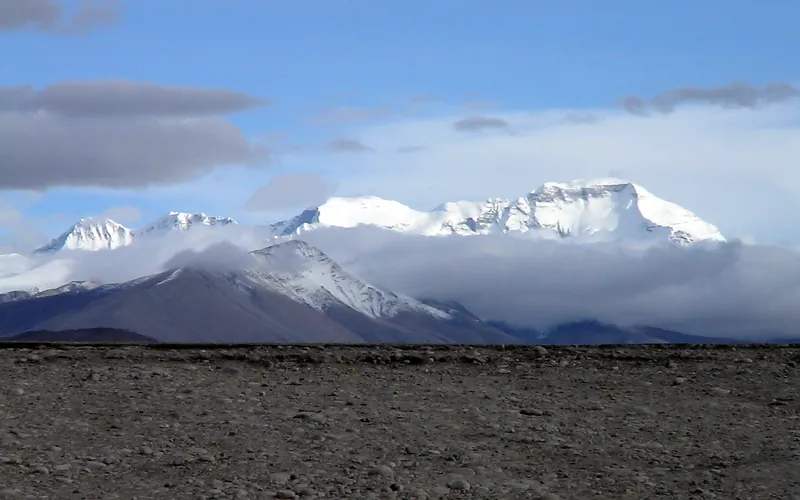
Cho Oyu, at 8,188 meters (26,864 ft), is the sixth-highest mountain in the world, situated 20 km west of Mount Everest. Meaning 'Turquoise Goddess' in Tibetan, it stands on the glaciated Nangpa La trade route between Nepal and Tibet. Its moderate northwest slopes make it the most accessible 8,000-meter peak.
Dhaulagiri I
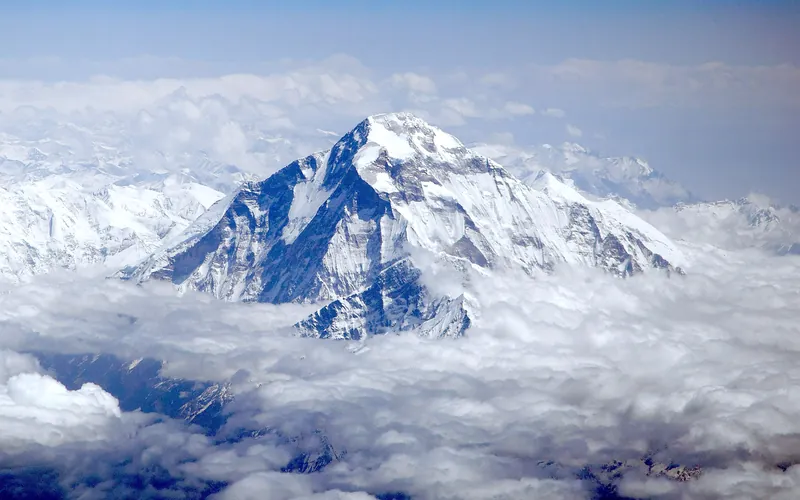
Dhaulagiri I, at 8,167 meters (26,795 ft), is the seventh-highest mountain on Earth and the highest peak situated entirely within Nepal. Rising steeply above the Kali Gandaki Gorge—the deepest gorge on Earth—opposite Annapurna, Dhaulagiri forms a staggering 7,000-meter vertical rise from the river valley.

Gasherbrum I
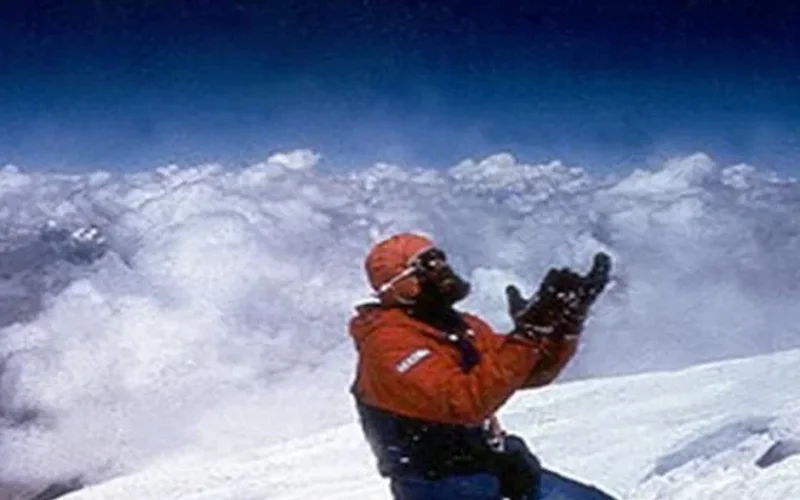
Gasherbrum I, at 8,068 meters (26,470 ft), is the eleventh-highest mountain in the world. Named 'Hidden Peak' by explorer William Martin Conway due to its concealment behind surrounding Karakoram giants, it stands on the border between Pakistan and China. The peak was first climbed in 1958 by an American team led by Nick Clinch, and in 1992 Nazir Sabir summited it with Rajab Shah and Mehrban Shah, marking his fourth Pakistani eight-thousander.
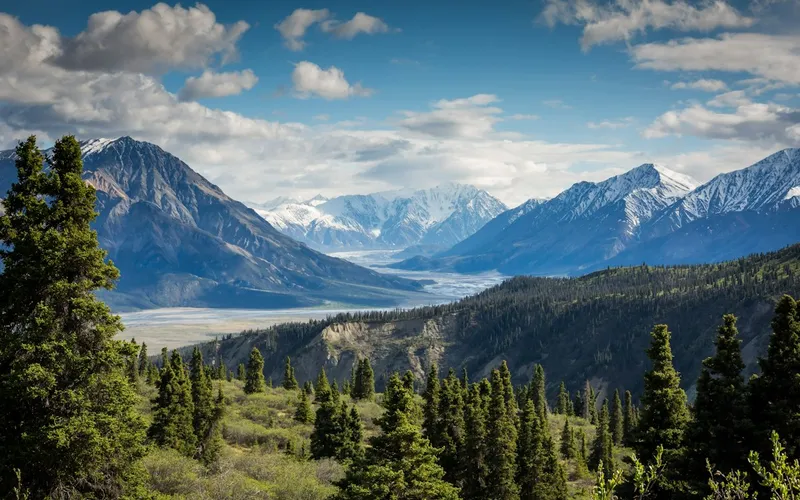
Broad Peak
Broad Peak, at 8,051 meters (26,414 ft), is the twelfth-highest mountain in the world. Located in the Karakoram directly across the Godwin-Austen Glacier from K2, it is famous for its 1.5-kilometre-long summit crest. First climbed in lightweight alpine style without supplemental oxygen or high-altitude porters in 1957 by an Austrian team.
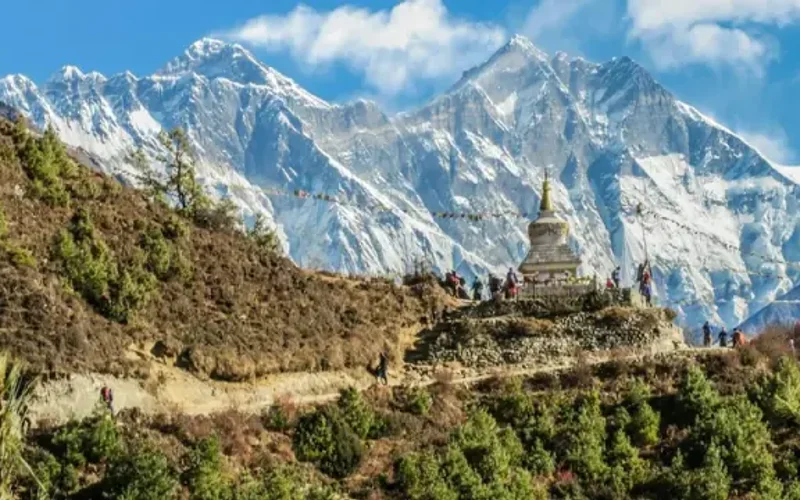
Gasherbrum II
Gasherbrum II, standing at 8,035 meters (26,362 ft), is the thirteenth-highest mountain on Earth and the third-highest peak of the Gasherbrum massif in the Karakoram. Located at the head of the Baltoro Glacier on the Pakistan-China frontier, it features a classic pyramidal profile with challenging ice couloirs. First summited in 1956 by an Austrian team, it was famously climbed in pure alpine style in 1982 by Reinhold Messner, Nazir Sabir, and Sher Khan.
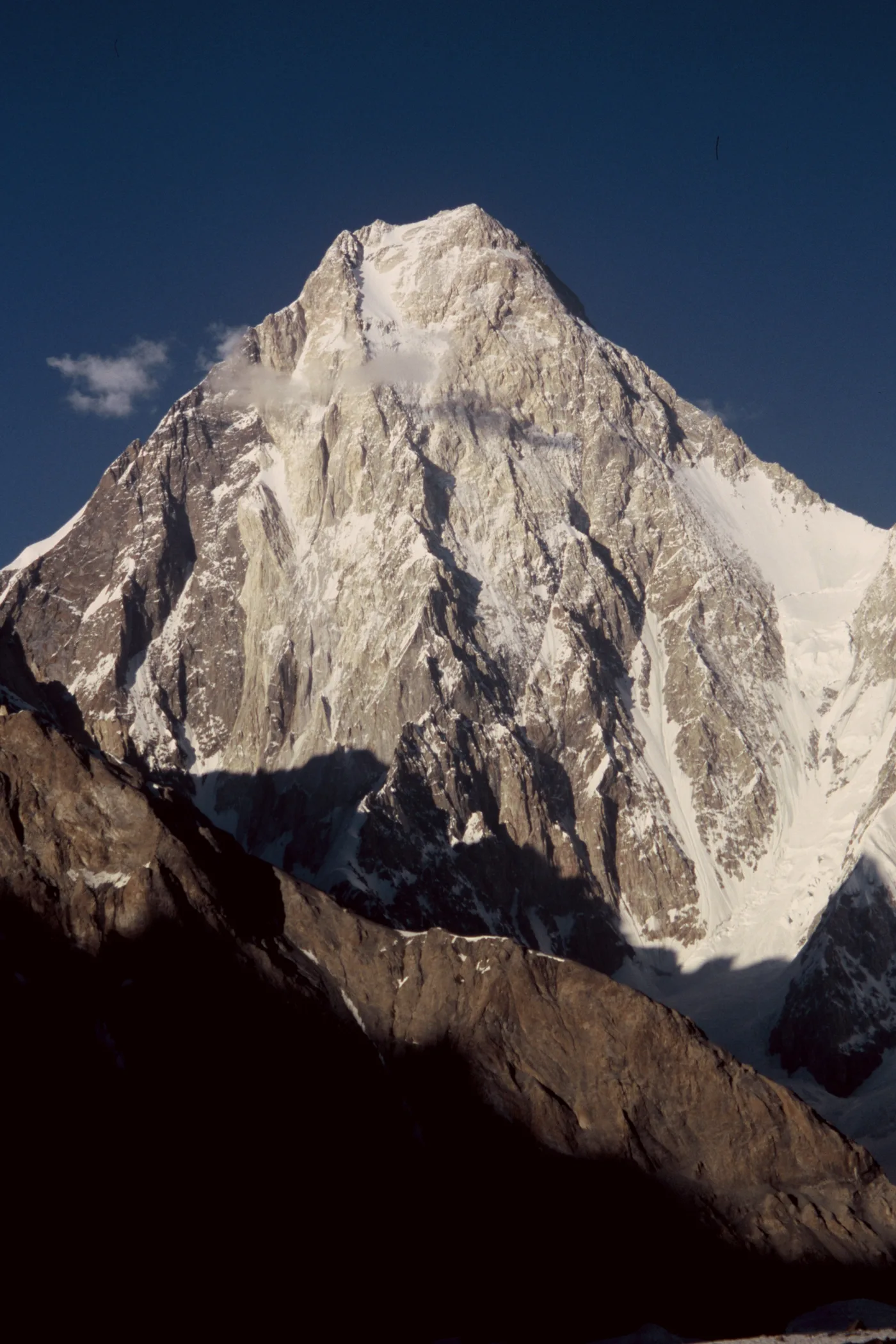
Gasherbrum IV
Gasherbrum IV, at 7,925 meters (26,001 ft), is the 17th highest mountain on Earth and the 6th highest in Pakistan. Rising dramatically at the head of the Baltoro Glacier, its breathtaking 2,500-meter West Face of sheer limestone and marble—termed 'The Shining Wall'—is regarded as one of the ultimate technical mountaineering challenges on the planet. First climbed in 1958 by Walter Bonatti and Carlo Mauri via the Northeast Ridge, it later saw the legendary 1985 alpine-style ascent of its West Face by Wojciech Kurtyka and Robert Schauer, widely called the 'Climb of the Century'.
Pioneered & Associated Routes (6)
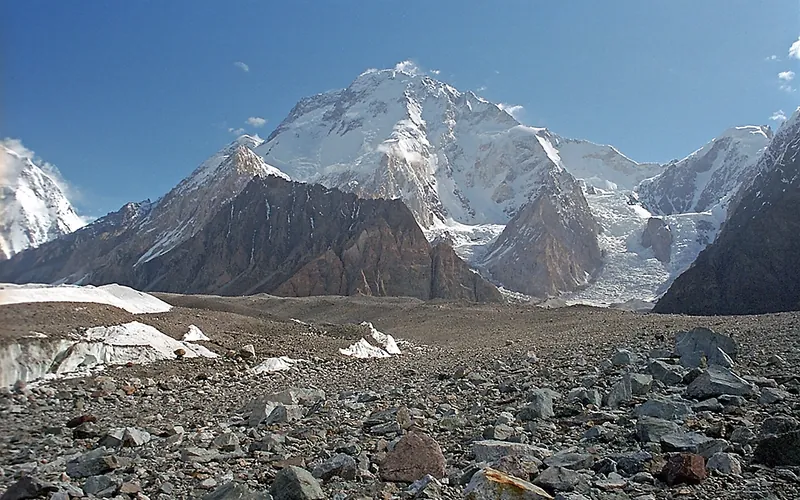
Normal Route (West Ridge & Northwest Face)
The Normal Route on Broad Peak ascends the rugged western spur from the Godwin-Austen Glacier, navigating steep mixed rock ribs before entering the upper glacial basin beneath the high saddle (the Col). From the Col at 7,800 meters, climbers enter the Death Zone to tackle the long, corniced summit ridge leading across the Foresummit to the true summit at 8,051 meters. First conquered in 1957 by an Austrian team in lightweight alpine style without bottled oxygen, and climbed in 1982 by Reinhold Messner, Nazir Sabir, and Sher Khan in a groundbreaking rapid alpine push.
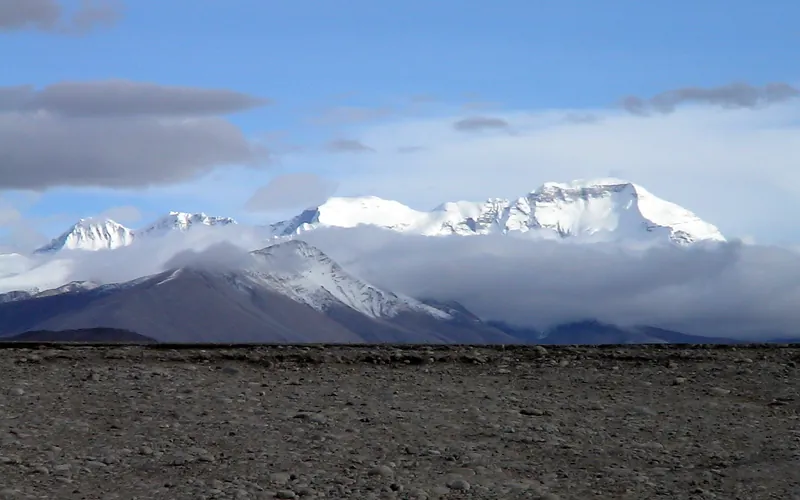
Cho Oyu Northwest Face & Ridge (Normal Route)
The Northwest Ridge is the standard and most climbed route on Cho Oyu, approached from the Tibetan plateau via the Gyabrag Glacier. First climbed in 1954 by an Austrian expedition, the route features relatively moderate snow slopes of 30 to 40 degrees, punctuated by a single prominent technical crux known as the Ice Cliff at 6,700m. Above Camp 3, climbers cross the Yellow Band and emerge onto a vast, gently rising summit plateau.
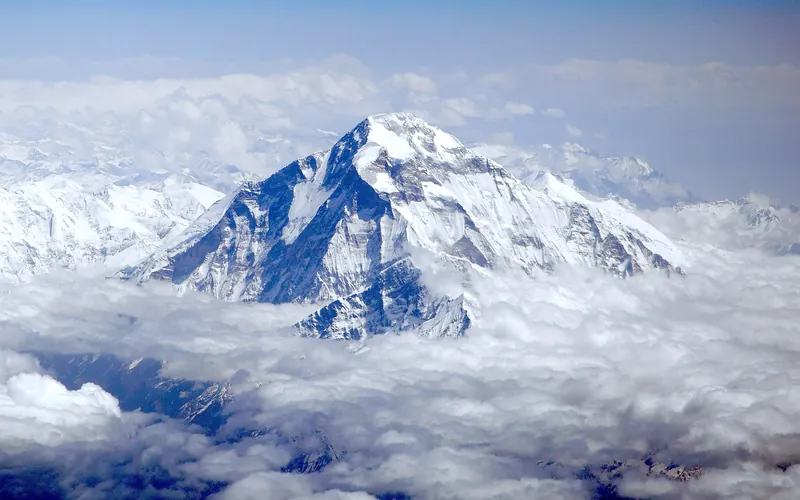
Dhaulagiri I Northeast Ridge (Normal Route)
The Northeast Ridge is the standard climbing route on Dhaulagiri I, first ascended in 1960 by a Swiss-Austrian team. The route begins on the glaciated Mayangdi Khola valley, climbs to the Northeast Col (5,700m), and works its way up the mountain's north-northeast face. The upper section traverses steep, wind-scoured blue ice shelves below the summit rocks and negotiates a final, exposed couloir leading directly to the 8,167m summit.
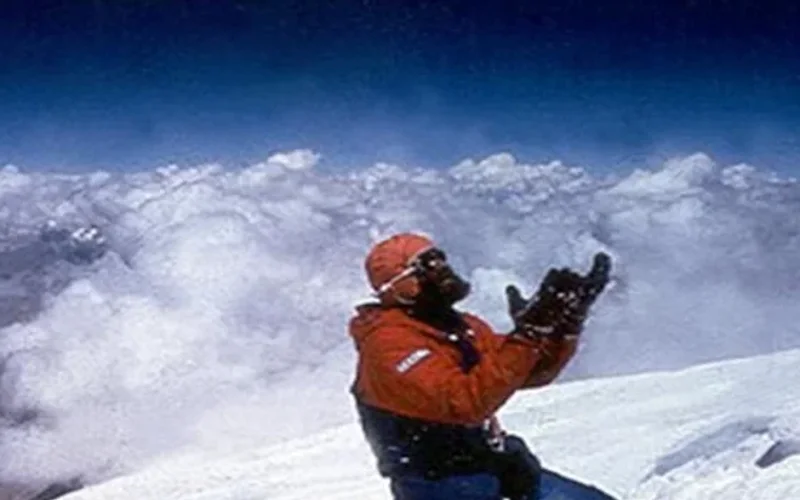
Northwest Face & Japanese Couloir (Normal Route)
The Northwest Face via the Japanese Couloir is the standard and most frequently climbed line on Gasherbrum I (8,068m / Hidden Peak). Starting from the South Gasherbrum Glacier, climbers traverse the shared lower icefall into the Gasherbrum Cwm, then branch southward toward the forbidding northwest wall. The technical centerpiece is the Japanese Couloir—a sustained 50 to 60-degree gully of hard blue ice and shattered rock leading to the high col and summit slopes. First ascended in 1958 by Americans Pete Schoening and Andy Kauffman via the South Ridge, the Japanese Couloir line became the modern benchmark, climbed rapidly in 1992 by Nazir Sabir, Rajab Shah, and Mehrban Shah.
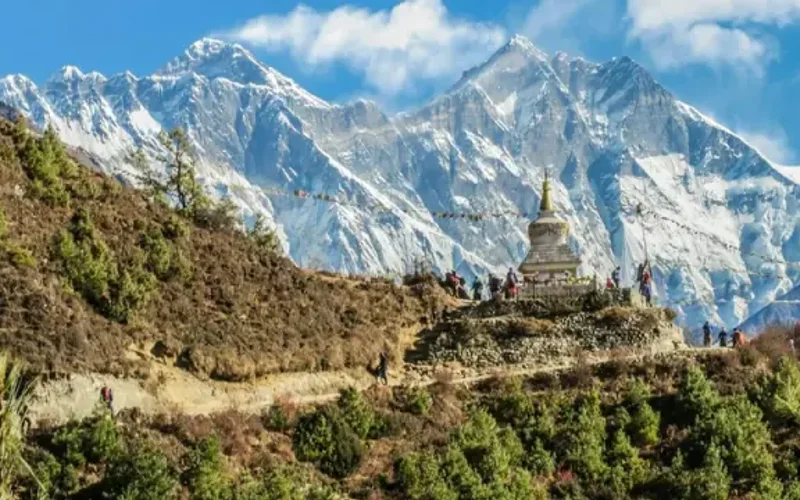
Southwest Ridge (Normal Route)
The Southwest Ridge is the standard and historically celebrated route on Gasherbrum II (8,035m). Starting from the South Gasherbrum Glacier, climbers navigate the heavily crevassed lower icefall into the Gasherbrum Cwm before tackling the technical crux of the route: the steep mixed snow and ice crest known as the Banana Ridge. Above Camp III, the route traverses expansive snow basins into the Death Zone, making a final push up a delicate diagonal couloir to the summit. First climbed in 1956 by an Austrian team, and completed in rapid alpine style in 1982 by Reinhold Messner, Nazir Sabir, and Sher Khan.
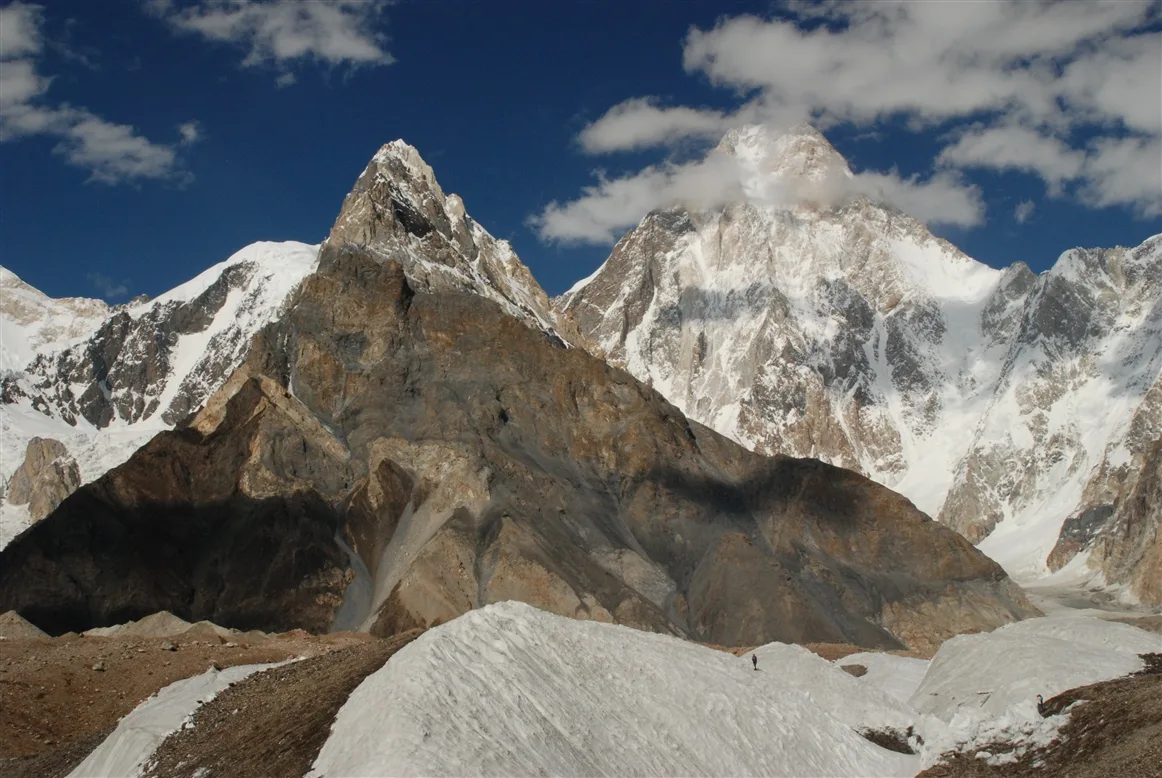
Gasherbrum IV West Face (The Shining Wall)
The West Face of Gasherbrum IV (7,925m), known as 'The Shining Wall', is a 2,500-meter wall of sheer golden limestone, yellow marble bands, and vertical ice gullies rising directly above the Gasherbrum Glacier. In July 1985, Polish mountaineer Wojciech Kurtyka and Austrian Robert Schauer made the historic first ascent of the face in pure, lightweight alpine style without supplemental oxygen, fixed ropes, or high-altitude porters. Trapped by a violent high-altitude storm at 7,800 meters without food or water for two days, they pushed over the north summit ridge and endured a grueling descent down the North Ridge, completing an ascent widely celebrated as the greatest big-wall alpine climb of the 20th century.
Documented Expeditions (1)
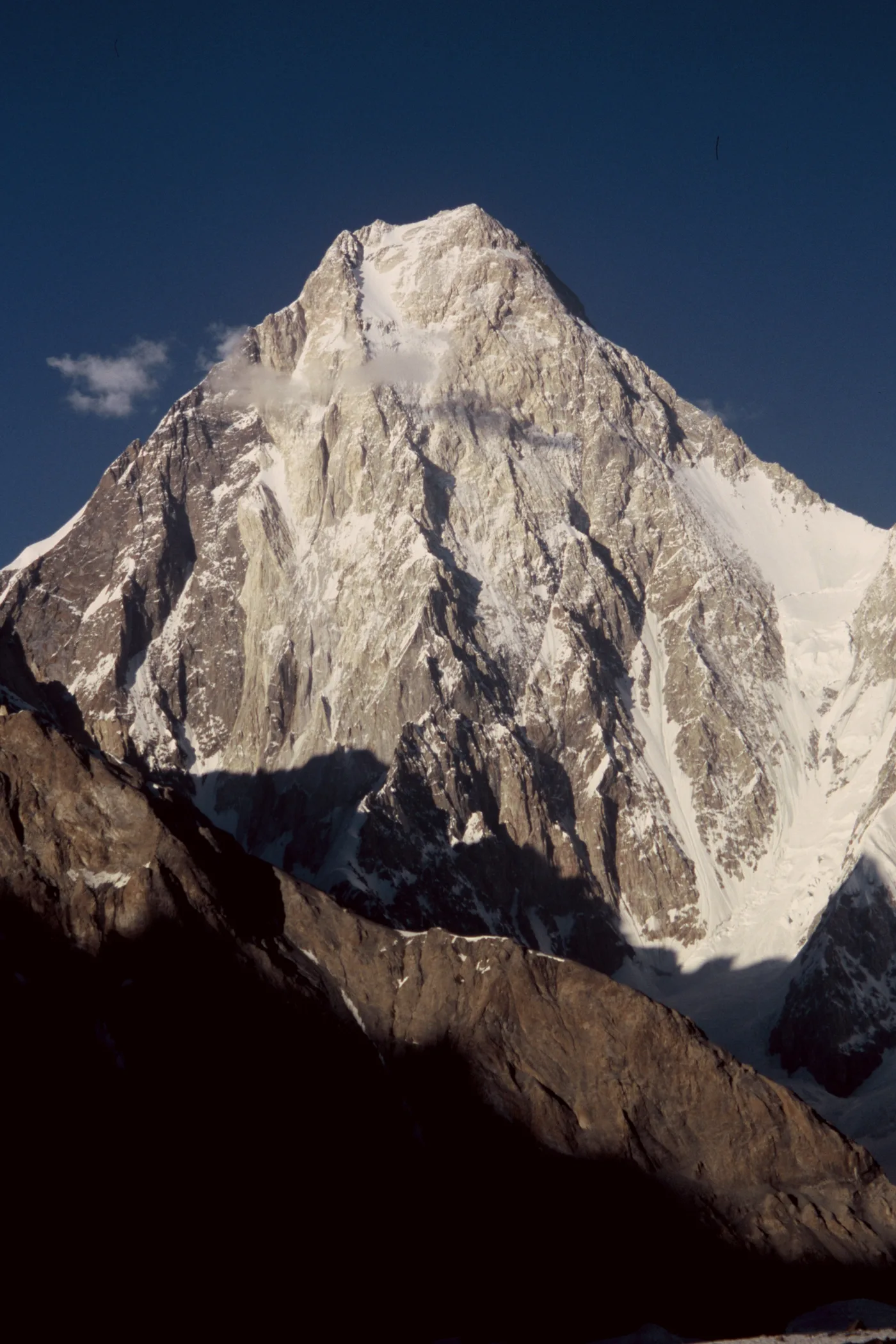
1985 Gasherbrum IV West Face (The Shining Wall) Expedition
The landmark July 1985 expedition in which Polish mountaineer Wojciech Kurtyka and Austrian Robert Schauer completed the first alpine-style ascent of the 2,500-meter West Face of Gasherbrum IV (7,925m)—a pure, lightweight masterpiece universally celebrated as the greatest big-wall climb of the 20th century.
Associated Chronicles & Stories (1)
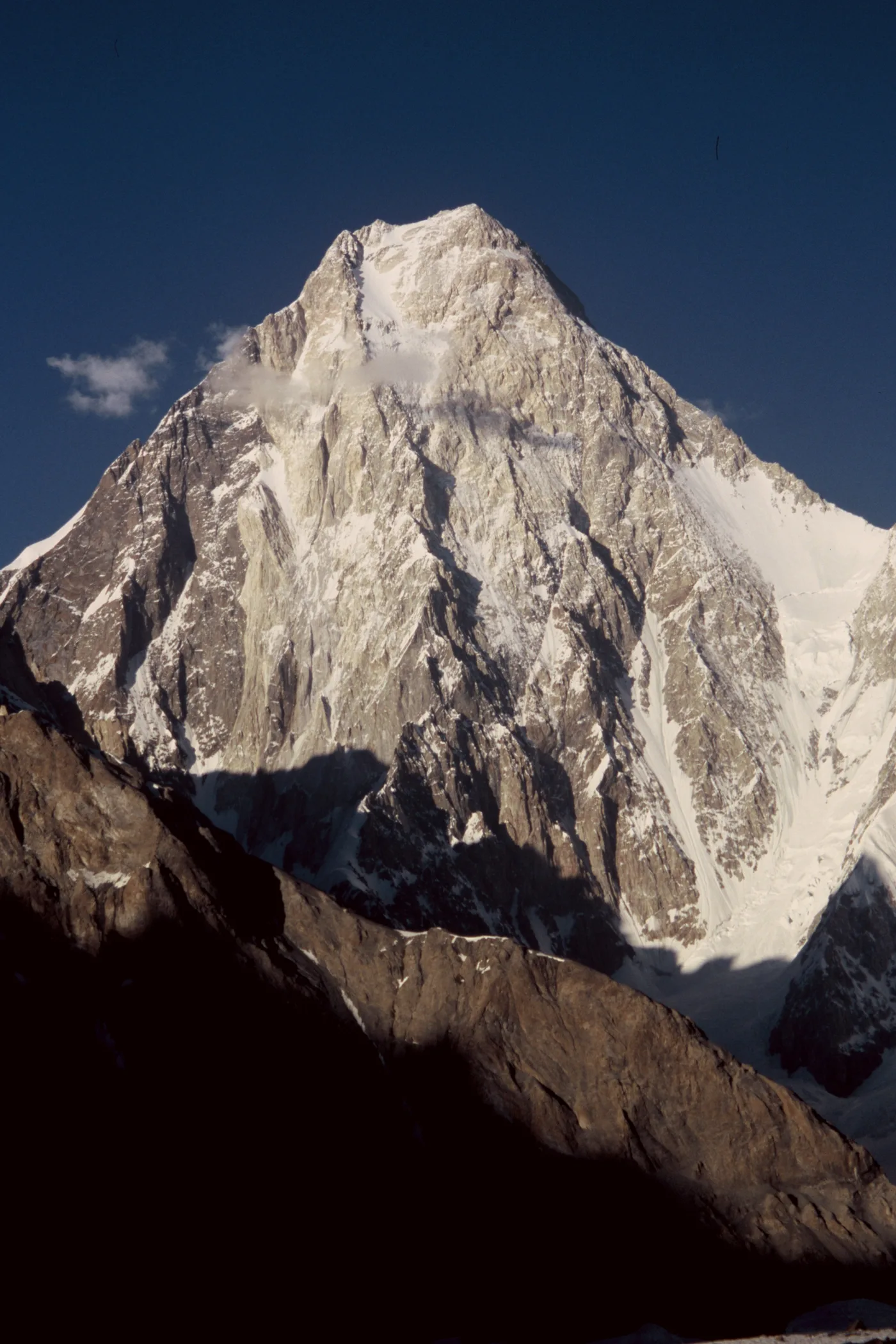
Gasherbrum IV 1985: Kurtyka and Schauer's Climb of the Century
In July 1985, Wojciech Kurtyka and Robert Schauer completed the first alpine-style ascent of Gasherbrum IV's 2,500-meter West Face, enduring a 48-hour storm bivouac without food in an ascent hailed as the greatest big-wall climb of the 20th century.
Documented Sources & Archival Citations
- Art of Freedom: The Life and Climbs of Voytek Kurtyka(Bernadette McDonald / Mountaineers Books)
Supporting claim: Award-winning comprehensive biography tracing Kurtyka's philosophical and climbing evolution
Accessed/Documented: 2017 - The Shining Wall: Gasherbrum IV(Wojciech Kurtyka / American Alpine Journal)
Supporting claim: Firsthand expedition report detailing the historic 1985 West Face climb
Accessed/Documented: 1986